Using a jack for your Jeep is a basic skill every off-road driver and car owner should know. Flat tires, stuck wheels, and undercarriage repairs can all happen—sometimes in places where help is far away.
Knowing how to use a Jeep jack safely can make the difference between a quick fix and a long wait. This guide covers everything you need to know to lift your Jeep confidently, avoid common mistakes, and stay safe wherever you travel.
Types Of Jeep Jacks
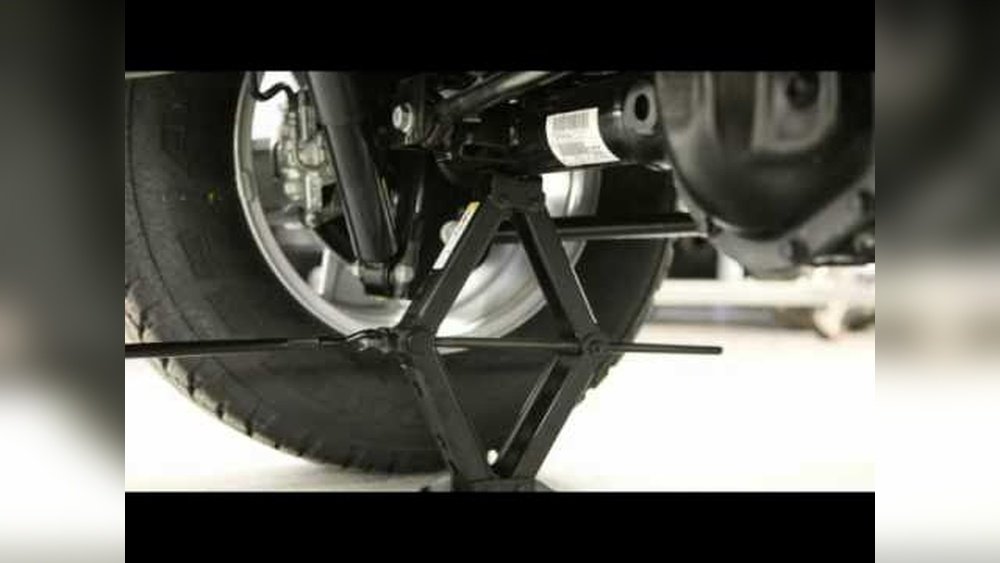
Not all jacks are the same. Choosing the right type is important for both safety and performance. Here’s a quick comparison to help you understand the differences:
| Jack Type | Best Use | Lift Range | Portability |
|---|---|---|---|
| Scissor Jack | Emergency tire changes | Low to medium | Very portable |
| Bottle Jack | Heavy-duty lifting | Medium to high | Moderate |
| Hi-Lift Jack | Off-road, uneven ground | Very high | Bulky |
| Floor Jack | Garage/flat surface | Low to medium | Heavy |
For most Jeep owners, the Hi-Lift jack is popular for off-roading. Bottle jacks and scissor jacks work well for standard roadside emergencies. Always check your Jeep’s manual for weight limits and recommended jack types.
How To Use A Jeep Jack Safely
Before you start, remember that safety is key. Every year, thousands of injuries happen because of improper jack use.
Follow these steps to lift your Jeep safely and efficiently.
1. Park On A Stable Surface
Find solid, level ground before using your jack. Soft sand, mud, or sloped surfaces make jacks unstable and risky.
- If you’re off-road, place a sturdy board or jack base under the jack to prevent sinking.
2. Engage The Parking Brake
Always set the parking brake and put the vehicle in gear (manual) or park (automatic). This keeps the Jeep from rolling while lifted.
3. Position Wheel Chocks
Use wheel chocks or large rocks to block wheels on the opposite side of where you’re lifting. This adds extra security.
4. Locate The Jack Points
Every Jeep has designated jack points—strong areas of the frame designed to handle the weight. Never place the jack under the axle tube, thin sheet metal, or plastic.
- For Wranglers and similar models, look for reinforced points near the tires.
5. Set Up The Jack Correctly
- For a scissor or bottle jack, place it under the correct jack point and turn or pump the handle.
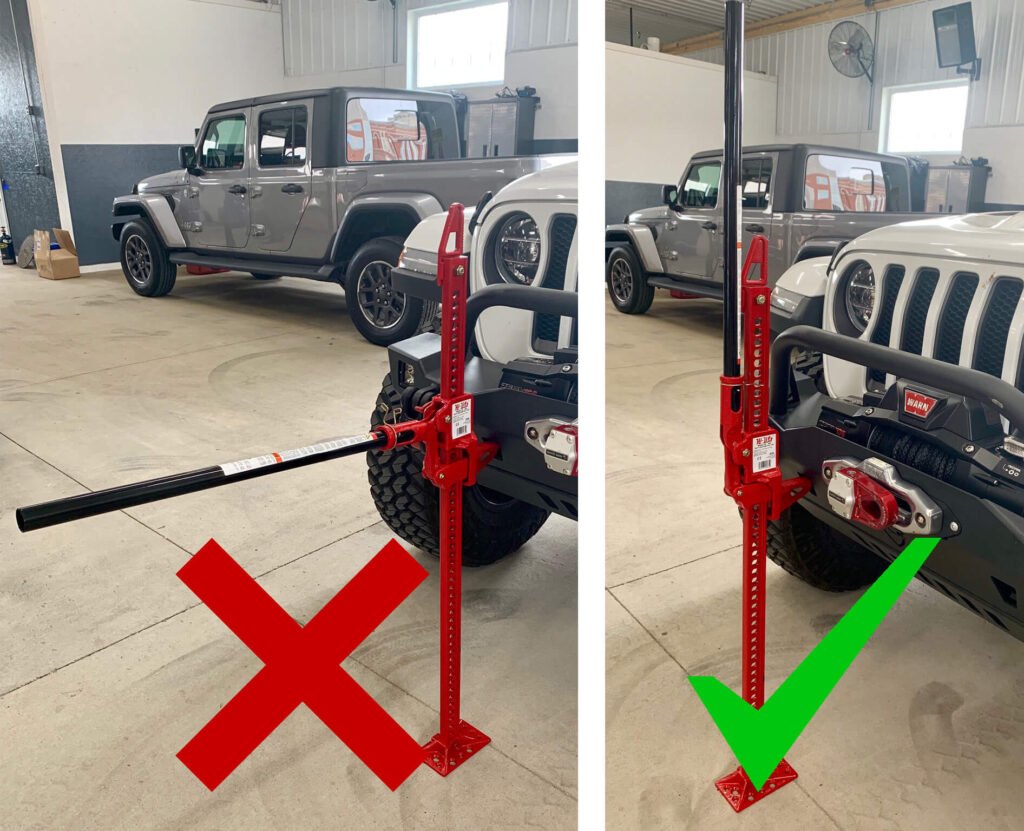
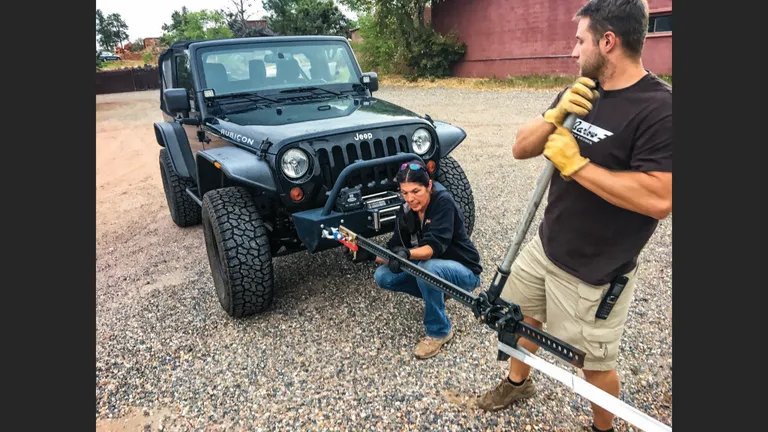
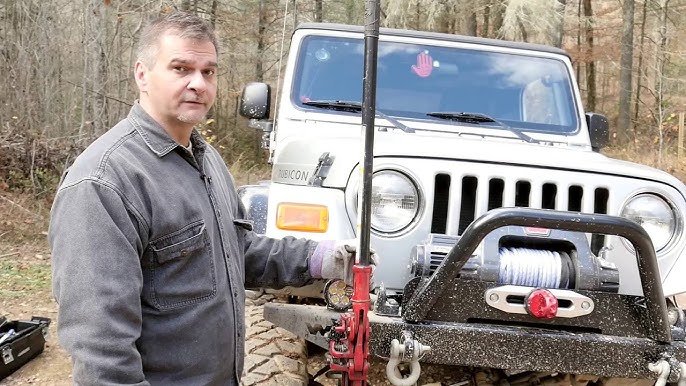
- For a Hi-Lift jack, position the lift tongue under the jack point. Make sure the base is flat and stable.
6. Lift The Jeep Slowly
Pump or turn the jack handle until the tire is just off the ground. Avoid over-lifting; a few inches is usually enough.
- If using a Hi-Lift jack, keep your hands and body clear of the handle path. Hi-Lift jacks can “kick back” if not handled properly.
7. Remove And Replace The Tire (if Needed)
Once the Jeep is lifted, remove the lug nuts and the wheel. Place the new tire on, tighten the nuts by hand, and lower the Jeep before fully tightening with a wrench.
8. Lower The Jeep Gently
Reverse the jack’s action slowly. Double-check that the vehicle is stable before removing the jack completely.
Common Mistakes To Avoid
Even experienced owners can make errors. These common mistakes can cause damage or injury:
- Ignoring the ground conditions – Always check the surface under the jack.
- Wrong jack placement – Placing the jack on weak points may crush parts of your Jeep.
- Lifting too high – Lifting more than needed increases instability.
- Not using wheel chocks – Skipping this step is a major safety risk.
- Leaning under the Jeep – Never crawl under a Jeep supported only by a jack.
A non-obvious tip: If you’re off-roading, consider carrying a jack stand for longer repairs. Jacks are for lifting, not for holding weight over time.
Quick Comparison: Hi-lift Jack Vs. Bottle Jack
If you’re unsure which jack to carry, here’s a comparison to help you decide:
| Feature | Hi-Lift Jack | Bottle Jack |
|---|---|---|
| Lift Height | Up to 48 inches | 12–20 inches |
| Weight Capacity | Up to 7,000 lbs | Up to 20,000 lbs |
| Best Use | Off-road, recovery | Roadside, heavy lifting |
| Ease of Use | Needs practice | Simple |
Most Jeep owners use a Hi-Lift jack for trails and a bottle jack for regular driving.
Pro Tips For Jeep Jack Use
- Always inspect your jack before each trip. Look for rust, leaks, or bent parts.
- Practice lifting your Jeep at home first. This helps you stay calm during real emergencies.
- Keep a glove and a flashlight in your Jeep for nighttime or dirty conditions.
- Mark your jack points with tape or paint for quick identification.
- Store your jack securely to avoid rattling or injury in case of a rollover.
A common oversight: Many drivers forget to check the weight rating of their jack. Never use a jack rated for less weight than your Jeep. Overloading can lead to sudden failure.
Frequently Asked Questions
How Do I Know Where The Jack Points Are On My Jeep?
Check your owner’s manual for jack point diagrams. Most Jeeps have reinforced spots on the frame near the tires. If you’re unsure, ask your dealer or a trusted mechanic.
Can I Use A Hi-lift Jack On Any Surface?
A Hi-Lift jack works best on hard, flat ground. On soft surfaces, use a jack base or sturdy board to avoid sinking. Never use it on a steep slope.
What Should I Do If My Jack Gets Stuck?
If a jack gets stuck, don’t force it. Carefully lower and reposition it.
For Hi-Lift jacks, apply a small amount of lubricant to the mechanism. Always keep your hands clear.
Is It Safe To Leave My Jeep On A Jack For A Long Time?
No, jacks are for lifting only. Use jack stands if you need to work under the vehicle. Never trust a jack alone to hold your Jeep.
Where Can I Learn More About Safe Jack Usage?
You can find detailed safety guides and videos at the National Highway Traffic Safety Administration website.
Knowing how to use a Jeep jack can save you time, money, and even keep you safe in tough situations. Always take the time to practice and prepare your gear.
The right knowledge and a little caution will keep your adventures rolling smoothly, whether you’re on the road or far off it.