Changing an oil filter can seem tricky if you haven’t done it before. The right tool makes all the difference.
An oil filter wrench is designed to grip and turn oil filters, which are often slippery and tightly fitted. If you’re aiming to do your own car maintenance, knowing how to use this tool safely and efficiently is key.
Many beginners struggle with filter removal because they don’t use the wrench correctly or pick the wrong type. This guide will show you step-by-step how to use an oil filter wrench, help you avoid common mistakes, and explain which wrench works best for your car.
What Is An Oil Filter Wrench?
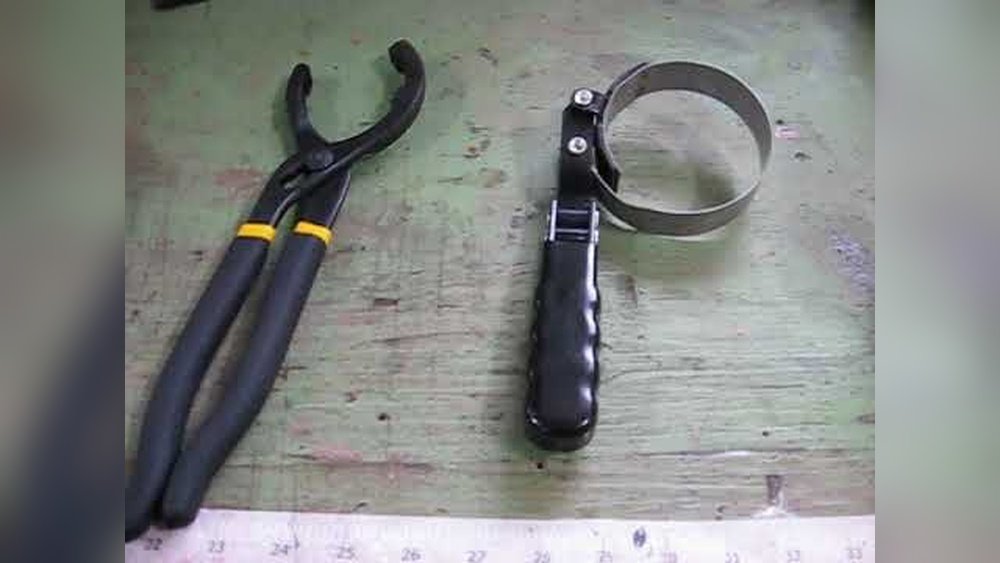
An oil filter wrench is a specialized tool that helps loosen or tighten oil filters on cars, motorcycles, and trucks. Oil filters are usually cylindrical and can be hard to grip by hand, especially when covered in oil. There are different types of wrenches for various filter sizes and shapes.
Here’s a quick comparison of three common types:
| Type | Best For | Grip Mechanism |
|---|---|---|
| Band Wrench | Small cars | Metal band tightens around filter |
| Cup Wrench | Modern vehicles | Fits over filter end |
| Chain Wrench | Large trucks | Chain wraps filter |
Most cars use cup wrenches or band wrenches. Always check your filter’s size and shape before buying.
Preparing To Use An Oil Filter Wrench
Before you start, make sure your car is safely positioned and the engine is cool. Working on a hot engine can cause burns and damage.
- Gather tools: Oil filter wrench, oil pan, gloves, and a new filter.
- Lift car safely: If needed, use ramps or a jack and secure with stands.
- Locate the oil filter: Check your car’s manual for the exact position.
- Wear gloves: Oil can be slippery and irritate skin.
A beginner mistake is forgetting to place the oil pan under the filter before removal. Oil will spill out, so always be prepared.

Step-by-step: How To Use An Oil Filter Wrench
Follow these steps to use your wrench correctly:
- Position the oil pan under the filter to catch any drips.
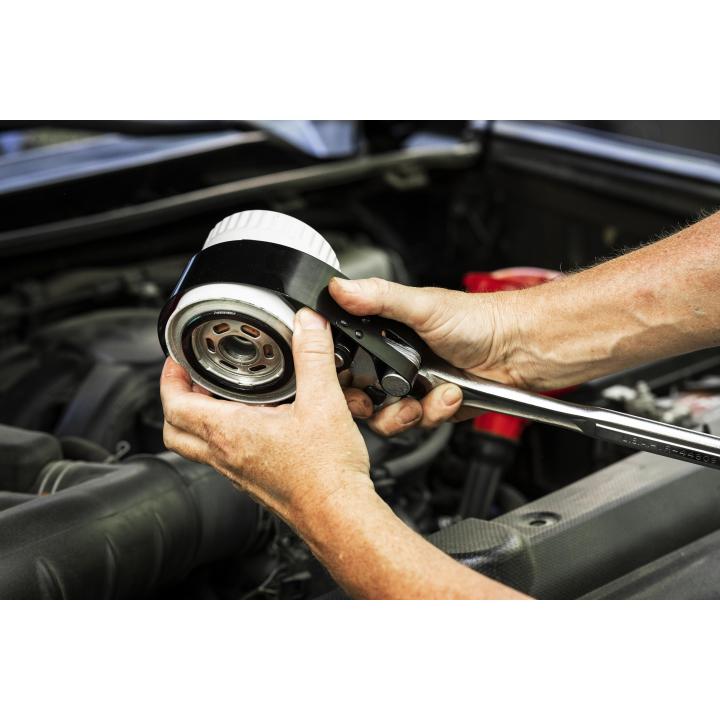
- Fit the wrench around or onto the filter. For band wrenches, wrap the band and tighten; for cup wrenches, place over the end; for chain wrenches, wrap the chain and secure.
- Turn counterclockwise to loosen. Most filters unscrew to the left. Apply steady pressure—don’t jerk or force.
- Remove the filter by hand once loosened. Some oil will spill, so keep the pan ready.
- Clean the filter mount with a rag. Remove any old gasket material.
- Install the new filter. Apply a thin layer of new oil to the gasket, then screw on by hand. Don’t use the wrench to tighten the new filter unless specified.
Here is a quick comparison of how much force is needed for different filter types:
| Filter Type | Recommended Torque | Hand Tightening? |
|---|---|---|
| Standard Oil Filter | 10-15 ft-lbs | Yes |
| Heavy-Duty Filter | 25-30 ft-lbs | Sometimes |
| Cartridge Filter | 5-8 ft-lbs | Yes |
Using too much force is a common mistake. Filters only need to be snug, not overtightened.
Tips For Choosing And Using The Right Oil Filter Wrench
Picking the right wrench matters. Here’s how to decide:
- Size: Match the wrench to your filter’s diameter.
- Type: Cup wrenches are best for filters with flat ends; band wrenches fit more shapes.
- Material: Choose sturdy metal or reinforced plastic. Cheap tools can slip or break.
- Handle length: Longer handles give more leverage, but may not fit tight spaces.
Some filters require a special wrench, especially in newer cars. Check your owner’s manual or online guides.
Extra Tips
- Lubricate the wrench if it sticks or squeaks.
- Clean after use to prevent rust and oil buildup.
- Store safely—don’t leave in damp areas.
Many beginners overlook cleaning the filter mount before installing the new filter. This can cause leaks later.
Common Problems And Solutions
Even with the right wrench, you might face issues:
- Filter stuck: Try a stronger wrench or gently tap the filter to loosen it.
- Wrench slipping: Clean both filter and wrench. Oil can make surfaces slippery.
- Wrong wrench size: Double-check the filter diameter. Using the wrong size is a beginner’s mistake.
If you can’t remove the filter, don’t force it. Damage to the filter mount can lead to expensive repairs.
In rare cases, filters are cross-threaded or corroded in place. Professional help may be needed.
Safety Precautions
Always prioritize safety:
- Wear eye protection to avoid oil splashes.
- Dispose of old oil and filters according to local regulations.
- Work in a well-ventilated area to prevent inhaling fumes.
According to the Environmental Protection Agency, improper oil disposal can contaminate up to one million gallons of water. Always recycle used oil and filters responsibly. For more guidance, see the EPA recycling page.

Frequently Asked Questions
What Type Of Oil Filter Wrench Should I Use For My Car?
Use a cup wrench for most modern vehicles. Older cars may need a band wrench. Always check your filter’s size and shape before buying.
How Tight Should I Install A New Oil Filter?
Screw the filter on by hand until snug. Do not overtighten; overtightening can damage the gasket and cause leaks.
Can I Use An Oil Filter Wrench To Install A New Filter?
Only use the wrench to remove the old filter. Installing with a wrench can crush the filter or damage threads. Hand tightening is safest.
What Should I Do If My Oil Filter Won’t Come Off?
Try a different wrench type or increase leverage. If the filter is stuck due to corrosion, seek professional help to avoid damage.
How Often Should I Change My Oil Filter?
Most manufacturers recommend changing the oil filter every 3,000 to 5,000 miles or with every oil change. Check your car’s manual for exact intervals.
Using an oil filter wrench is a simple skill that saves time and money. With careful preparation and the right tool, you can change your oil filter without stress.
Remember to check your car’s manual, pick the correct wrench, and follow safety steps.
Smart maintenance keeps your vehicle running smoothly and protects the environment.