Driving a Jeep Wrangler is all about adventure, but understanding how to use its 4×4 system is key to unlocking its true potential. Many new owners don’t realize how simple steps, correct timing, and knowing the right mode can make driving safer and more fun. This guide explains how to use 4×4 in a Jeep Wrangler, covering each mode, practical tips, and common mistakes. Whether you want to explore muddy trails or drive on snowy roads, you’ll learn how to use your Jeep’s 4×4 system confidently.
Understanding The Jeep Wrangler 4×4 System
The Jeep Wrangler comes with a part-time 4×4 system. This means you can switch between 2WD (two-wheel drive) and 4WD (four-wheel drive) modes depending on road conditions. The main 4×4 modes are:
- 2H (Two High)
- 4H (Four High)
- 4L (Four Low)
- Neutral
Each mode serves a different purpose. Knowing when and how to use them protects your Jeep and improves your driving experience.
Comparing 2h, 4h, 4l, And Neutral
Here is a simple comparison:
| Mode | Best Use | Speed Range | Traction Level |
|---|---|---|---|
| 2H | Normal roads | Any speed | Low |
| 4H | Snow, mud, light off-road | Up to 55 mph | Medium |
| 4L | Deep mud, sand, steep hills | Up to 25 mph | High |
| Neutral | Towing | N/A | N/A |
How To Use Each 4×4 Mode In Jeep Wrangler
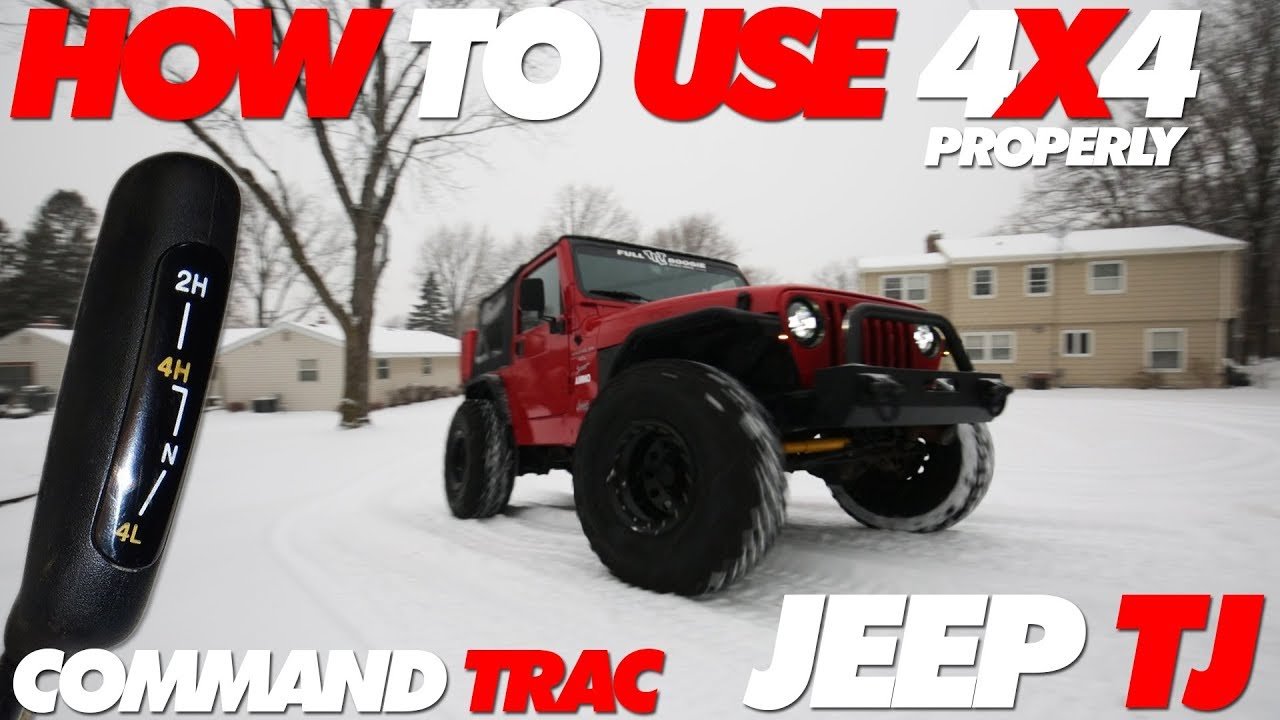
1. Using 2h (two High)
2H is the default mode. Your Jeep uses only the rear wheels, making it ideal for dry, paved roads.
- How to select: The Jeep starts in 2H. No action is needed for daily driving.
- When to use: On highways and city streets.
- Tip: Using 2H saves fuel and reduces tire wear.
2. Using 4h (four High)
4H gives power to all four wheels. This mode is for conditions like rain, snow, or light off-road trails.
- How to engage:
- Slow down to under 55 mph.
- Shift the lever from 2H to 4H while moving.
- You may hear a small click; this is normal.
- When to use: Slippery roads, shallow mud, or gravel.
- Tip: Do not use 4H on dry pavement, as it can cause drivetrain stress.
3. Using 4l (four Low)
4L is for extreme situations. It increases torque and control at low speeds.
- How to engage:
- Stop your Jeep completely.
- Shift the transmission to neutral.
- Move the lever from 4H to 4L (firmly, but not forcefully).
- Shift back to drive.
- When to use: Deep mud, sand, steep hills, or rocky terrain.
- Tip: Only use 4L below 25 mph. Going faster can damage your Jeep.
4. Using Neutral
Neutral in the transfer case is not the same as in the transmission. It disconnects power to the wheels, used mainly for towing.
- How to engage:
- Park your Jeep.
- Shift the transmission to neutral.
- Move the transfer case lever to Neutral.
- Confirm the wheels roll freely.
- When to use: Flat towing (pulling your Jeep behind another vehicle).
- Tip: Never drive in Neutral; it can cause loss of control.
Common Mistakes And How To Avoid Them
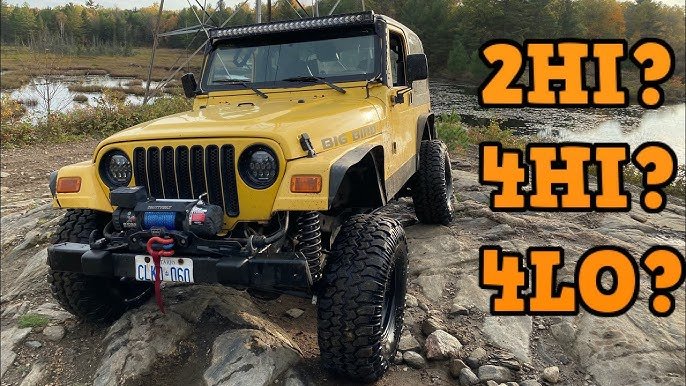
Many beginners make simple errors when using the Jeep Wrangler’s 4×4 system:
- Shifting at high speeds: Only shift between 2H and 4H below 55 mph. For 4L, always come to a complete stop.
- Using 4H on dry roads: This causes tire binding and damages the drivetrain.
- Forgetting to return to 2H: After off-roading, switch back to 2H for normal driving.
Here’s a summary of common mistakes:
| Mistake | Consequence | Correction |
|---|---|---|
| Shifting to 4L while moving | Gear damage | Always stop first |
| Using 4H on dry pavement | Drivetrain stress | Use only on slippery roads |
| Driving fast in 4L | Loss of control | Keep speed below 25 mph |
Practical Tips For Using 4×4
- Practice shifting: Try moving between modes in a safe place before using them in tough conditions.
- Listen for noises: A small click when shifting is normal. Grinding or loud noises mean something is wrong.
- Check your owner’s manual: Every Jeep Wrangler model may have slight differences. Always verify instructions for your model.
- Use proper tires: 4×4 works best with all-terrain tires. Street tires may slip, even in 4×4.
Real-world Examples
Imagine you’re driving in heavy snow. Switching from 2H to 4H lets you keep traction and avoid sliding.
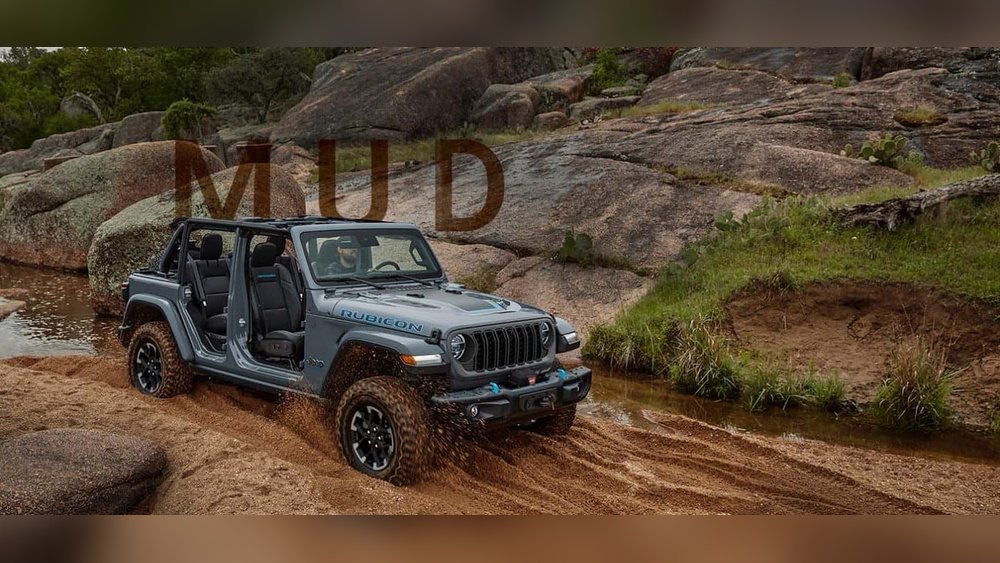
If you find yourself in deep mud, shifting to 4L gives your Jeep the power to climb out slowly and safely. Knowing which mode to use and when can make a big difference.
Another example: Many drivers forget to shift back to 2H after off-roading. This can lead to extra fuel use and tire wear. Always check your mode before leaving rough terrain.
Comparison Of 4×4 Performance In Different Conditions
See how the Jeep Wrangler performs in various situations:
| Condition | Recommended Mode | Performance |
|---|---|---|
| Dry highway | 2H | Best fuel economy |
| Snowy street | 4H | Improved traction |
| Rocky trail | 4L | Maximum control |
| Towing | Neutral | Safe wheel movement |
Frequently Asked Questions
What Happens If I Use 4h On Dry Pavement?
Using 4H on dry roads can cause drivetrain binding. This puts extra stress on the gears and can lead to expensive repairs.
Can I Switch Between 2h And 4h While Driving?
Yes, you can shift between 2H and 4H while moving, as long as you are below 55 mph. For 4L, always stop the Jeep first.
How Do I Know If 4×4 Is Engaged?
Look for the 4×4 indicator light on your dashboard. You may also notice improved traction or a slight change in driving feel.
Is It Safe To Drive In 4l For Long Distances?
No, 4L is for short, tough situations only. Driving long distances in 4L can overheat the system and cause damage.
Where Can I Find More Details About Jeep Wrangler 4×4?
You can check the official Jeep website for detailed manuals and guides: Jeep Official Site.
Using your Jeep Wrangler’s 4×4 system correctly turns ordinary drives into safe adventures. With these tips and examples, you’ll feel confident choosing the right mode, avoiding mistakes, and getting the most from your Jeep.
The more you practice, the more natural using 4×4 becomes.
Enjoy exploring new roads and off-road trails with your Wrangler!