Many Jeep Wrangler owners love their vehicle for its off-road abilities, and a big part of that is the 4WD system. If you’re new to the Jeep world, turning on 4WD might feel confusing, especially with different levers and buttons inside.
Understanding how and when to use 4WD is not just about adventure—it’s also about keeping your Jeep safe and running well. This guide will show you how to turn on 4WD in a Jeep Wrangler, explain the different 4WD modes, and give you tips to avoid common mistakes.
Understanding Jeep Wrangler 4wd Systems
Jeep Wranglers use different 4WD systems depending on the year and trim. The two main types are part-time 4WD (most common) and full-time 4WD (on some newer models like the Sahara and Rubicon). Most drivers use part-time 4WD, which means you only use 4WD when needed—like on mud, snow, or rocky roads.
Here’s a quick comparison of the key features:
| System Type | Best For | Can Use on Dry Pavement? |
|---|---|---|
| Part-Time 4WD | Off-road, snow, mud | No |
| Full-Time 4WD | All conditions | Yes |
Most Wranglers from 1987 to present use part-time 4WD. Always check your owner’s manual if unsure.
4wd Modes In Jeep Wrangler
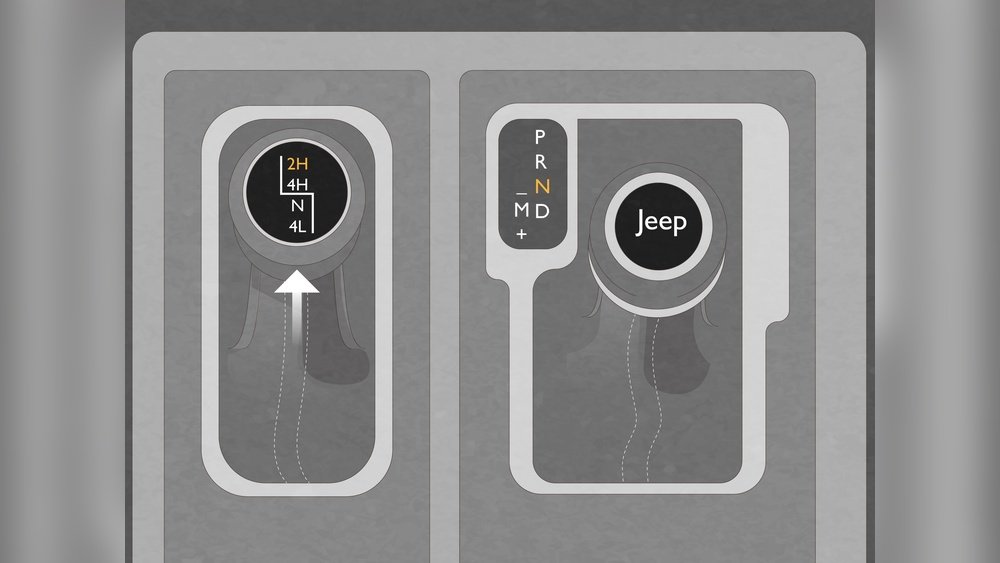
Jeep Wrangler 4WD systems usually have these settings:
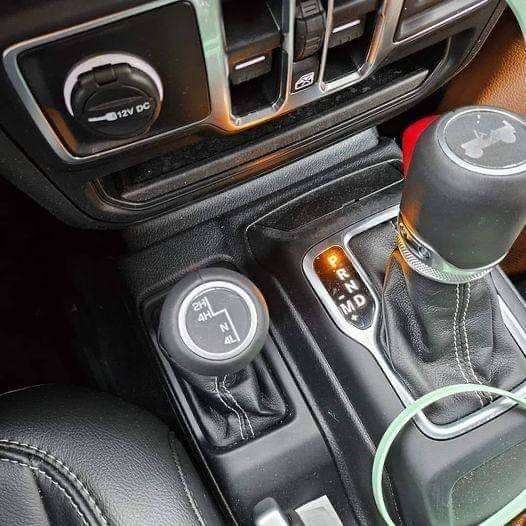
- 2H (Two-Wheel Drive High) – For regular, dry pavement driving.
- 4H (Four-Wheel Drive High) – For slippery roads, gravel, or moderate off-road.
- N (Neutral) – Used for towing only.
- 4L (Four-Wheel Drive Low) – For deep mud, sand, steep hills, or serious off-road.
Not all Wranglers have full-time 4WD. Some new models add a special “Auto” mode.
Here’s a mode comparison:
| Mode | Speed Range | Common Uses |
|---|---|---|
| 2H | Up to highway speeds | Daily driving |
| 4H | Up to 55 mph | Rain, snow, dirt roads |
| 4L | Below 25 mph | Rock crawling, deep mud |
How To Turn On 4wd In A Jeep Wrangler
Turning on 4WD is simple, but you need to do it the right way to avoid damage. The process depends on whether your Wrangler has a manual shift lever or an electronic switch.
Using The Manual Shift Lever
- Slow Down: Always slow to below 55 mph before shifting into 4H.
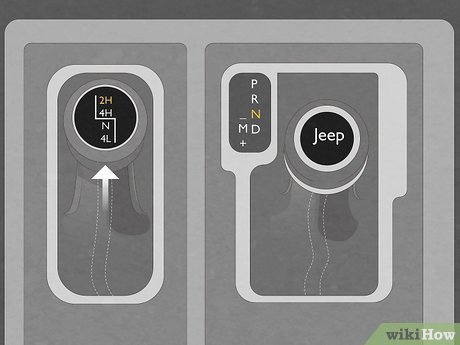
- Shift to 4H: While driving straight, pull the lever from 2H to 4H. You can usually do this “on the fly” without stopping.
- For 4L: Stop the vehicle completely. Put the transmission in Neutral. Firmly pull the lever from 4H to 4L. You may hear a slight clunk—this is normal.
- Return to 2H: To go back to two-wheel drive, slow down and shift back from 4H to 2H. For 4L, stop, go to Neutral, and shift back.
Using An Electronic Switch (selec-trac/command-trac)
Some newer Wranglers use a knob or switch:
- Engage 4H: Turn the knob or press the 4H button while driving straight, below 55 mph.
- Engage 4L: Stop, shift the transmission to Neutral, and select 4L.
- Back to 2H: Reverse the steps to return to normal driving.
Here’s a quick overview:
| Action | Manual Lever | Electronic Switch |
|---|---|---|
| Shift to 4H | Below 55 mph, moving | Below 55 mph, moving |
| Shift to 4L | Stop, Neutral, firm pull | Stop, Neutral, select 4L |
| Back to 2H | Slow down, shift | Slow down, select 2H |
When Should You Use 4wd?
Use 4WD only when you really need extra traction. Here are some examples:
- 4H: Wet roads, snow, loose gravel, shallow mud.
- 4L: Deep snow, deep mud, steep hills, rock crawling.
Never use part-time 4WD on dry pavement. Doing so can damage the system because the wheels can’t slip as needed.
Tips And Common Mistakes
Turning on 4WD seems easy, but many beginners make small errors that can cause big problems:
- Always drive straight when shifting to 4H or 4L. Turning while shifting can jam the gears.
- Don’t force the lever. If it’s hard to shift, roll the Jeep a little or wiggle the steering wheel slightly.
- Don’t use 4L at high speeds. It’s for slow, tough conditions only.
- After using 4WD, shift back to 2H as soon as you’re on dry, stable roads.
- Practice shifting in a safe area before you need it. This helps avoid panic during real off-road situations.
One thing most beginners miss: listen for unusual noises after shifting. Grinding or loud clunks could mean a problem. Also, check for dash lights that may warn about 4WD issues.
Maintenance And Care For 4wd
Keeping your 4WD system in good shape is important. Change the transfer case fluid every 30,000–60,000 miles, as recommended in your manual. Inspect for leaks or worn parts after heavy off-roading. If you hear grinding noises, visit a mechanic before more serious damage happens.
For more technical info, check out the official Jeep guide at Jeep.com.
Frequently Asked Questions
How Do I Know If 4wd Is Working?
You should see a 4WD indicator light on the dashboard. You may also feel a tighter steering response and more traction on slippery roads.
Can I Switch To 4wd While Driving?
You can shift from 2H to 4H while moving under 55 mph. To shift into 4L, you must stop completely and shift to Neutral.
What Happens If I Use 4wd On Dry Pavement?
Using part-time 4WD on dry pavement can cause binding, making turns difficult and risking damage to the transfer case.
How Often Should I Use My Jeep’s 4wd?
Use it whenever you need more traction off-road, snow, mud. It’s also good to engage it every few months to keep the system lubricated.
Can I Tow My Jeep In 4wd?
No. For flat towing, always put the transfer case in Neutral (N) and follow the instructions in your owner’s manual. Never tow in 4H or 4L.
Turning on 4WD in a Jeep Wrangler is easy once you know how, but always follow these steps to protect your vehicle.
Practice in a safe place, pay attention to the road, and your Jeep will take you far, both on and off the beaten path.