If you drive a Jeep Grand Cherokee, you might have noticed a button or lever marked with “Manual Mode” or “AutoStick. ” This feature lets you shift gears manually, giving you more control like when you want extra power for hills or overtaking.
But sometimes, you just want to return to automatic driving. Turning off manual mode is simple, but the process can be confusing if you’re new to it.
This guide will show you exactly how to switch back, with step-by-step instructions, practical tips, and answers to common questions.
Understanding Manual Mode In Jeep Grand Cherokee
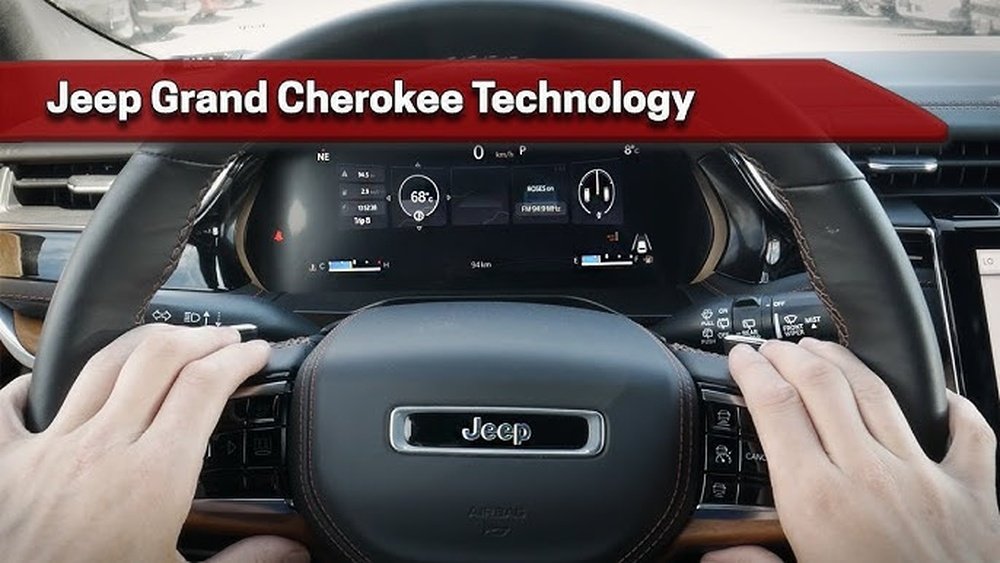
Manual mode, also known as AutoStick, allows you to select gears by hand. This is useful for sporty driving, towing, or handling tricky terrain. When you activate manual mode, the transmission won’t shift automatically—it waits for your command.
Here’s how manual mode works in most Jeep Grand Cherokees:
- Move the gear lever to the left or use paddle shifters on the steering wheel.
- The dashboard displays the current gear (1–8, depending on model).
- You can shift up (+) or down (–) manually.
A key fact: Manual mode does not turn your Jeep into a traditional manual transmission. The car still has an automatic gearbox, but you control the shifts.
How To Turn Off Manual Mode
Switching back to fully automatic is easy, but the steps can vary slightly between models and years. Here’s the process for most Jeep Grand Cherokee vehicles:
- Return Gear Lever to ‘D’ Position
- If you moved the gear lever to the left for manual mode, just slide it back to the main “D” (Drive) slot.
- The dashboard should stop showing gear numbers and display “D.”
- Stop Using Paddle Shifters
- If you activated manual mode with paddle shifters, simply stop using them.
- After a few seconds, the system usually reverts to automatic. If not, tap the “+” paddle until “D” appears.
- Check Dashboard Display
- Confirm the gear indicator shows “D.”
- If it still shows numbers, repeat the steps or turn the vehicle off and on.
- Turn Off the Engine (Optional)
- In rare cases, manual mode might stay active. Turning the ignition off and restarting resets the transmission.
Here is a quick comparison of manual mode activation and deactivation:
| Action | Method | Dashboard Display |
|---|---|---|
| Activate Manual Mode | Move lever left or use paddle shifters | Gear number (1–8) |
| Deactivate Manual Mode | Return lever to “D” or stop using paddles | “D” (Drive) |
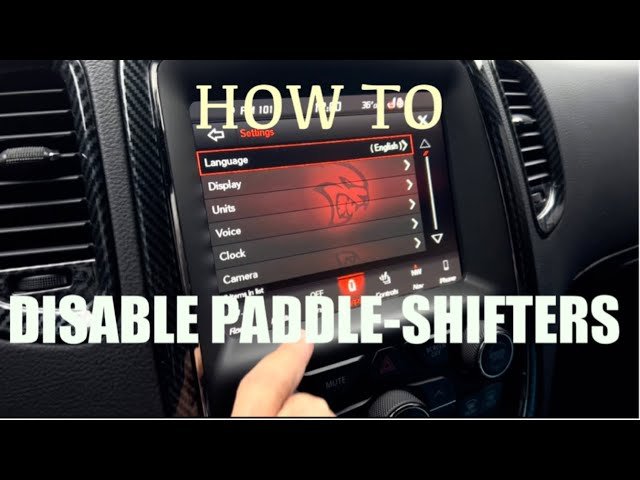
Common Problems And Solutions
Sometimes, manual mode doesn’t turn off as expected. Here are some possible issues and quick fixes:
- Stuck in Manual Mode: Try moving the gear lever several times between “D” and manual. If this doesn’t work, restart the car.
- Dashboard Still Shows Gear Numbers: Check if the paddle shifters are accidentally being pressed. Make sure your hands are clear.
- Transmission Not Responding: There may be a software or mechanical issue. Consult your owner’s manual or visit a dealer.
Non-obvious insight: Some drivers accidentally activate manual mode by bumping the gear lever. If this happens often, be more mindful when shifting or check for obstructions near the shifter.
When Should You Use Manual Mode?
Manual mode isn’t always necessary. It’s best used for:
- Steep hills: Downshift for more engine braking.
- Heavy towing: Control gear changes for smoother power.
- Sporty driving: Enjoy a more engaging ride.
But for daily driving, letting the car handle shifting is easier and more fuel-efficient.
Here’s a comparison of manual vs automatic mode benefits:
| Mode | Best Use | Fuel Efficiency | Control |
|---|---|---|---|
| Manual | Hills, towing, sporty driving | Lower | Higher |
| Automatic | Normal commuting | Higher | Lower |
Tips For Using Manual Mode Safely
If you decide to use manual mode, keep these points in mind:
- Don’t over-rev: Shifting too late can damage the engine.
- Downshift for braking: Use lower gears to slow the vehicle on hills.
- Switch back to automatic in traffic: Manual mode can be tiring in stop-and-go conditions.
- Watch for dashboard warnings: If you see any alerts, return to “D” and check your manual.
Most beginners miss the importance of monitoring the dashboard. Always check the gear display before and after using manual mode.
Jeep Grand Cherokee Model Variations
The process for turning off manual mode can differ slightly between model years and trim levels. For example:
| Model Year | Manual Mode Activation | Deactivation Method |
|---|---|---|
| 2015–2019 | Gear lever and paddle shifters | Move lever to “D” or stop using paddles |
| 2020–2023 | Paddle shifters only | Stop using paddles; automatic reset |
If you’re unsure, check your owner’s manual or visit the official Jeep Grand Cherokee page for detailed instructions.
Frequently Asked Questions
How Do I Know If My Jeep Grand Cherokee Is In Manual Mode?
Look at the dashboard. If you see a gear number (like “3” or “5”) instead of “D,” your Jeep is in manual mode. The indicator changes as you shift.
Can Manual Mode Damage My Transmission?
Manual mode is safe if used correctly. Avoid shifting at very high RPMs or forcing the transmission. Always follow manufacturer guidelines.
Why Does My Jeep Stay In Manual Mode After I Return The Lever To “d”?
This can happen due to a software glitch or if the paddle shifters are stuck. Try restarting the vehicle. If the issue continues, seek help from a Jeep dealer.
Is Manual Mode Available On All Jeep Grand Cherokee Models?
Most recent models have AutoStick/manual mode. Older or base models may not offer it. Check your owner’s manual or the Jeep website for details.
What Happens If I Forget To Turn Off Manual Mode?
Your Jeep will remain in the gear you selected, which can reduce fuel efficiency and make driving harder. Always switch back to “D” for normal driving.
Turning off manual mode in the Jeep Grand Cherokee is quick, but knowing the exact steps saves time and avoids confusion. Remember to check your dashboard, use the gear lever or paddle shifters as needed, and consult your manual for model-specific details.
With these tips, you’ll enjoy both manual control and easy automatic driving whenever you want.