Many drivers forget about their tires until there’s a problem. But old tires can become dangerous long before the tread wears out.
One silent threat is dry rot—a kind of tire aging that weakens rubber and can lead to sudden failure. Spotting dry rot early can prevent accidents and save you money.
Here’s how you can tell if your tires are dry rotted, plus what to do about it.
What Is Dry Rot In Tires?
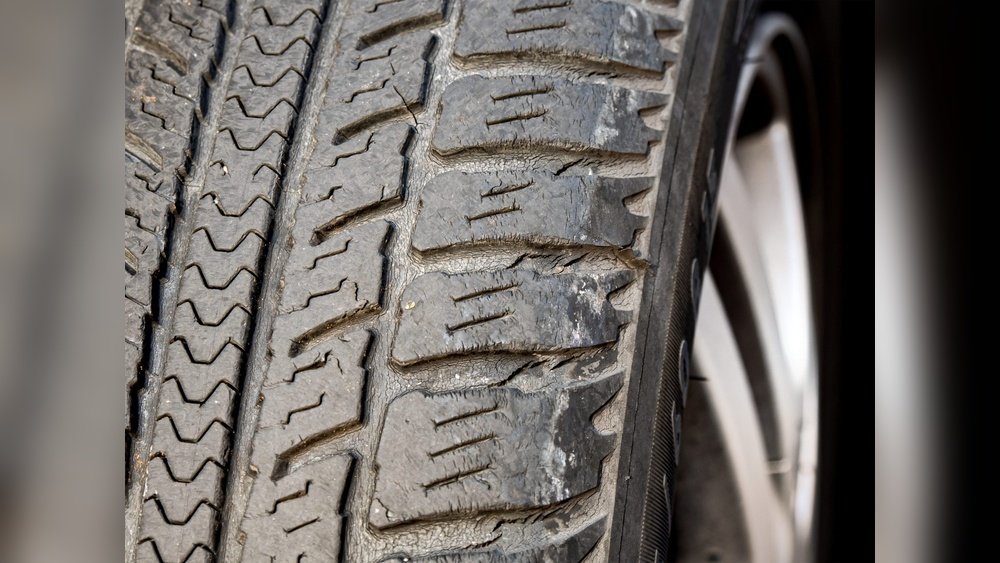
Dry rot, sometimes called sidewall cracking, happens when the rubber in tires breaks down due to age, sun, heat, or chemicals. The rubber dries out, loses flexibility, and starts to crack. Dry rot is not about worn-out tread—it’s about the overall health of the rubber.
Even tires with lots of tread left can dry rot, especially if the car isn’t driven often or is parked outside. Understanding dry rot helps you make safer choices for yourself and others on the road.
Main Signs Of Dry Rot
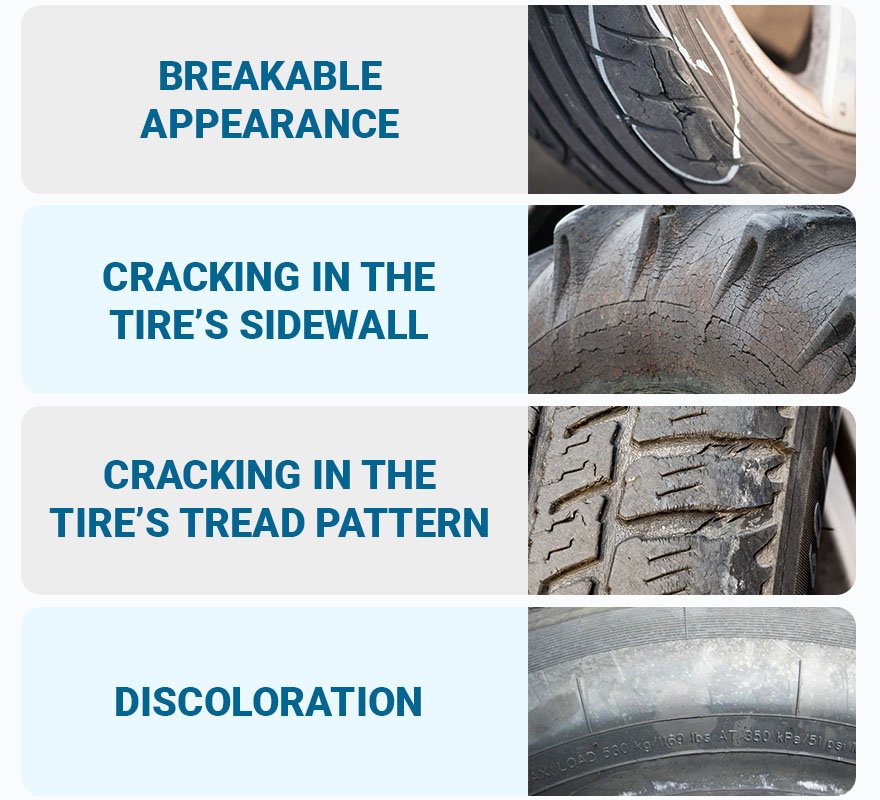
You don’t need to be a mechanic to spot the warning signs. Here are the clearest indicators:
- Cracks on the Sidewall
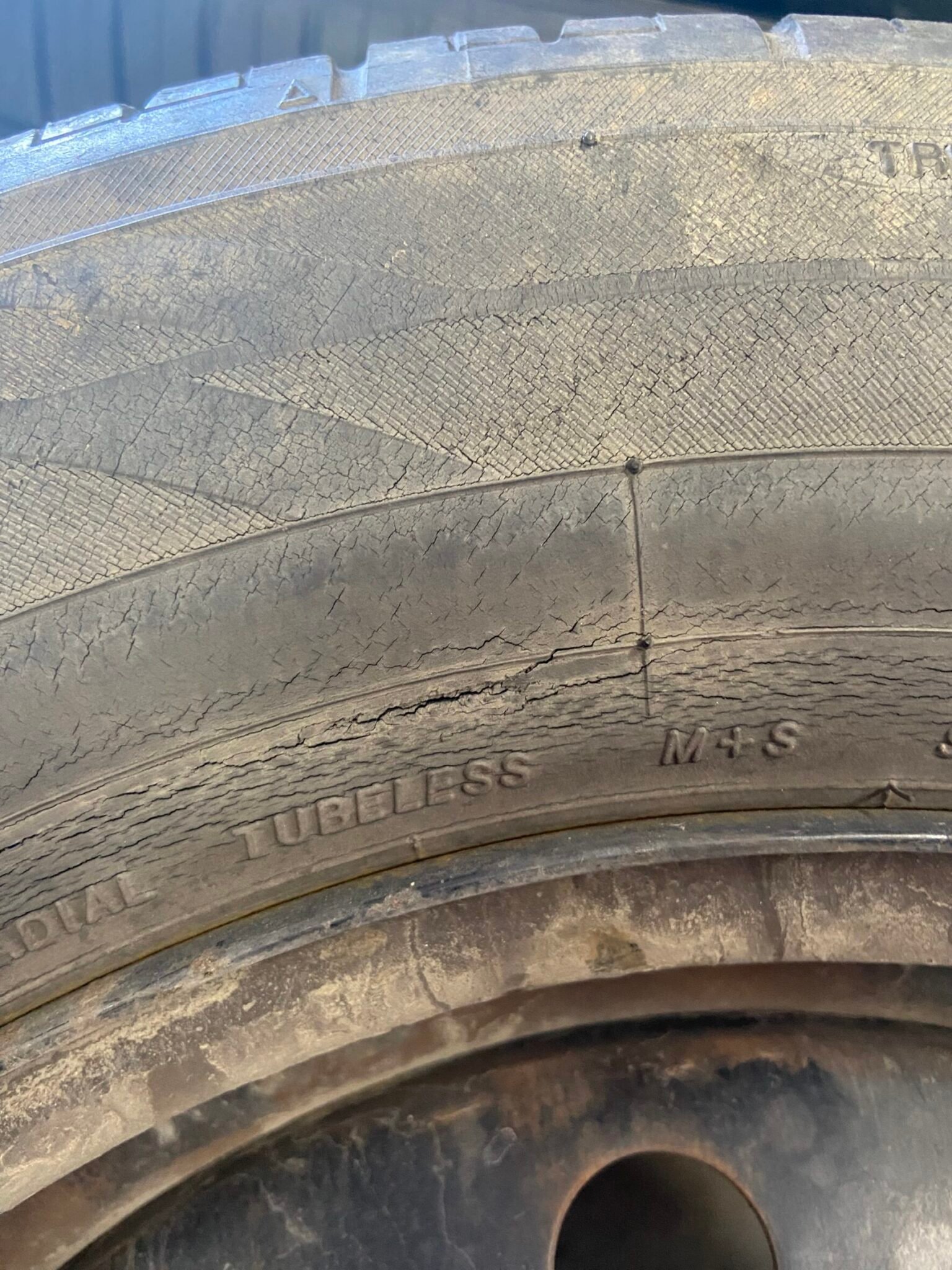
- Check for fine lines or larger splits on the tire’s side—the area you see when you stand next to the car.
- Cracks may look like spider webs or dried mud.
- Brittle or Faded Rubber
- Healthy rubber is black and slightly shiny. Dry rotted tires often look gray, dull, or faded.
- If you press the rubber, it may feel hard or fragile instead of flexible.
- Cracks Between the Treads
- Look at the grooves where the tread meets the tire’s main body.
- Cracks in these areas mean the rubber is breaking down.
- Chunks or Pieces Missing
- In advanced cases, small bits of rubber may flake off or the tire may look rough.
- Missing rubber is a serious sign the tire could fail soon.
- Loss of Tire Pressure
- Dry rot creates tiny openings where air can escape.
- If your tire loses pressure often but doesn’t have a nail or puncture, dry rot could be the cause.
How To Inspect Your Tires For Dry Rot
Regular checks can catch dry rot before it becomes dangerous. Here’s how to do a simple inspection:
1. Look At All Sides
Park in good light and check every tire, including the spare. Don’t forget the side facing the car it’s easy to miss.
2. Check Both Sidewalls And Tread
Use a flashlight to see any cracks or discoloration.
3. Feel The Rubber
Press gently on several spots. Good tires should feel flexible, not stiff or crumbly.
4. Compare Tires
If only one tire looks worse than the others, it might have been exposed to more sun or chemicals.
Here’s a simple comparison table to help you judge what you see:
| Condition | Healthy Tire | Dry Rotted Tire |
|---|---|---|
| Color | Deep black, glossy | Grayish, faded |
| Feel | Soft, flexible | Hard, brittle |
| Surface | Smooth, no cracks | Cracks, rough patches |
What Causes Tire Dry Rot?
Many people think only old tires dry rot, but other factors matter too. Here are the most common causes:
- Age: Most tires start to dry rot after 6 years, even if you don’t drive much.
- UV Exposure: Sunlight breaks down rubber. Parking outside speeds up the process.
- Heat: High temperatures make rubber lose its oils faster.
- Chemicals: Parking near oil, gasoline, or harsh cleaners can damage tires.
- Infrequent Use: Cars that sit for weeks or months are at higher risk.
A practical tip: Even if you only drive your car on weekends, tires age just from sitting. Always check the date code on the sidewall. Most experts recommend replacing tires every 6-10 years, no matter the tread depth.
Is It Safe To Drive On Dry Rotted Tires?
The short answer: No. Dry rot weakens the tire’s structure, making it more likely to blow out, especially at high speeds or during emergency moves. Even small cracks can quickly get worse under pressure and heat.
Let’s compare the safety risk:
| Situation | Risk With Healthy Tire | Risk With Dry Rotted Tire |
|---|---|---|
| Normal driving | Low | Medium |
| High speed | Low | High |
| Emergency braking | Low | Very High |
If you see dry rot, especially deep cracks or missing rubber, replace the tire as soon as possible. It’s not worth the risk.
How To Prevent Tire Dry Rot
While no tire lasts forever, you can slow down dry rot with some simple steps:
- Park in the Shade: Less sun means slower aging.
- Keep Tires Inflated: Proper pressure keeps the tire strong.
- Drive Regularly: Movement keeps the rubber flexible.
- Clean With Mild Soap: Avoid harsh chemicals that dry out rubber.
- Use Tire Covers: If you park for long periods, covers can help block UV rays.
A non-obvious tip: Rotate your car’s position if it sits for weeks—this spreads out the weight, so one spot doesn’t get extra stress.
What To Do If You Find Dry Rot
If you notice small cracks but the tires are under six years old, talk to a tire professional. Sometimes, very mild cracking can be monitored, but most experts will recommend replacement.
Never try to fix dry rot with tire shine or rubber sealers these are cosmetic and do not restore the tire’s strength.
For deeper cracks, missing rubber, or repeated air loss, replace the tire immediately. Using a damaged tire increases the risk of accidents and can even void insurance claims after a crash.
For more on tire aging and safety, see this resource from the National Highway Traffic Safety Administration.
Frequently Asked Questions
What Is The Average Lifespan Of A Tire Before Dry Rot Appears?
Most tires begin to show signs of dry rot after 6 years, even if they are not used often. Check the date code on your tire’s sidewall to know its age.
Can Dry Rot Be Repaired?
No, dry rot cannot be fixed. Once the rubber structure is damaged, it can’t be restored. Replace the tire for safety.
Is Tire Dry Rot Covered Under Warranty?
Usually, tire warranties do not cover dry rot because it is considered normal aging. Check your warranty details to be sure.
Do All Tires Dry Rot At The Same Rate?
No. Tires exposed to more sun, heat, or chemicals will dry rot faster.
Even tires from the same car can age differently based on where they are positioned.
How Can I Check The Age Of My Tire?
Look for the DOT code on the tire’s sidewall. The last four numbers show the week and year the tire was made (for example, 2419 means week 24 of 2019).
Dry rot is a hidden danger, but regular checks and smart habits can keep you safe. Don’t ignore the signs your safety rides on your tires.