Storing your Jeep hardtop safely is essential if you want it to last for years and stay in good condition. Jeep owners often remove the hardtop in warmer months to enjoy open-air driving.
However, improper storage can cause scratches, cracks, or even warping. This guide explains everything you need to know about storing your Jeep hardtop, including preparation, storage options, common mistakes, and practical tips.
Why Proper Hardtop Storage Matters
A Jeep hardtop is not just a cover; it’s a valuable part of your vehicle. Hardtops can cost $1,500–$2,500 to replace. They also protect your Jeep from rain, snow, and theft. If you store it incorrectly, you risk expensive damage and reduce its lifespan. Proper storage keeps your hardtop clean, safe, and ready to reinstall.
Preparing Your Jeep Hardtop For Storage
Before you store your hardtop, take a few simple steps to keep it in the best condition:
- Clean the hardtop thoroughly. Use mild soap and water to remove dirt, bugs, and road grime. Dry it completely to avoid mold and water spots.
- Inspect for damage. Check for cracks, scratches, or loose seals. Repair small issues before storage to prevent them from getting worse.
- Remove hardware and accessories. Take off bolts, latches, and other removable parts. Store these in a labeled bag for easy access later.
- Choose a safe location. Avoid places with extreme heat, humidity, or sunlight.
Choosing The Right Storage Method
There are several ways to store your Jeep hardtop. Each method has its pros and cons. Here’s a comparison:
| Storage Method | Space Needed | Protection Level | Cost |
|---|---|---|---|
| On-the-ground | Medium | Low | Free |
| Hardtop stand | Small | Medium | $50–$150 |
| Hoist system | None (hangs overhead) | High | $200–$400 |
| Wall mount | Very small | High | $100–$200 |
On-the-ground Storage
This is the simplest option. Place your hardtop flat on a soft surface like carpet or foam.
Cover it with a blanket to protect from dust. It’s easy, but not very safe; bumps or pets can cause scratches.
Hardtop Stand
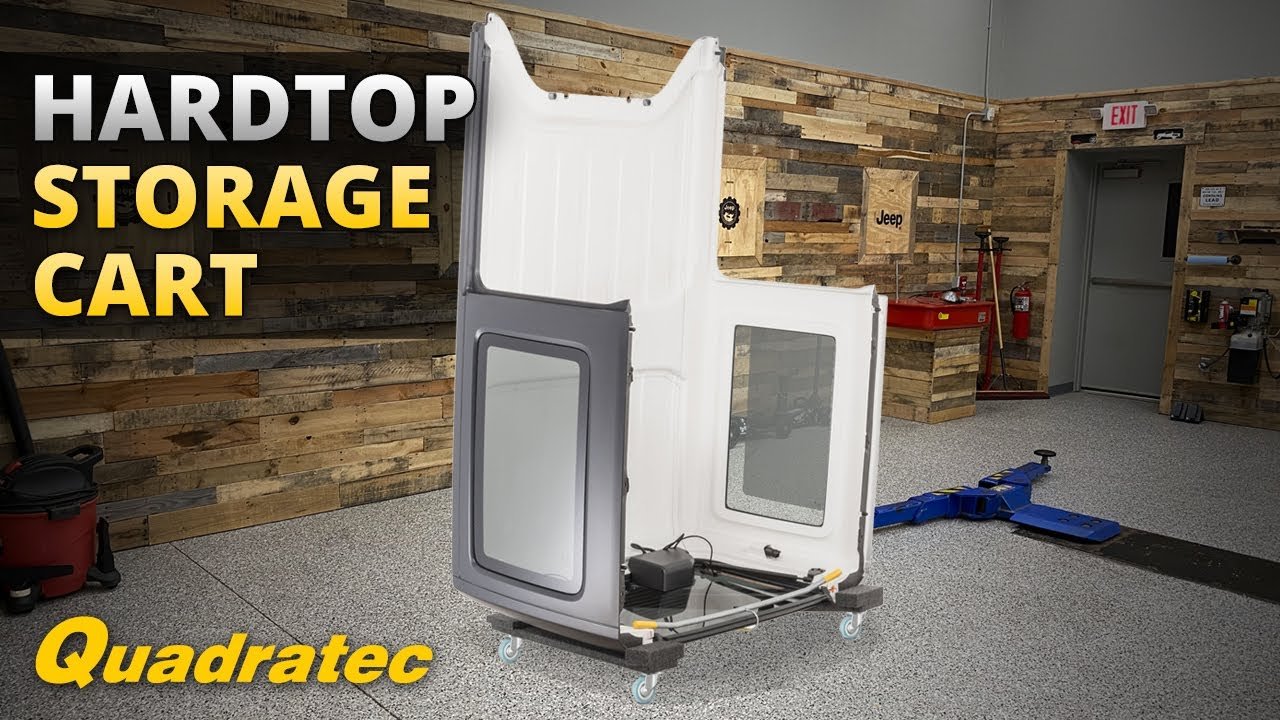
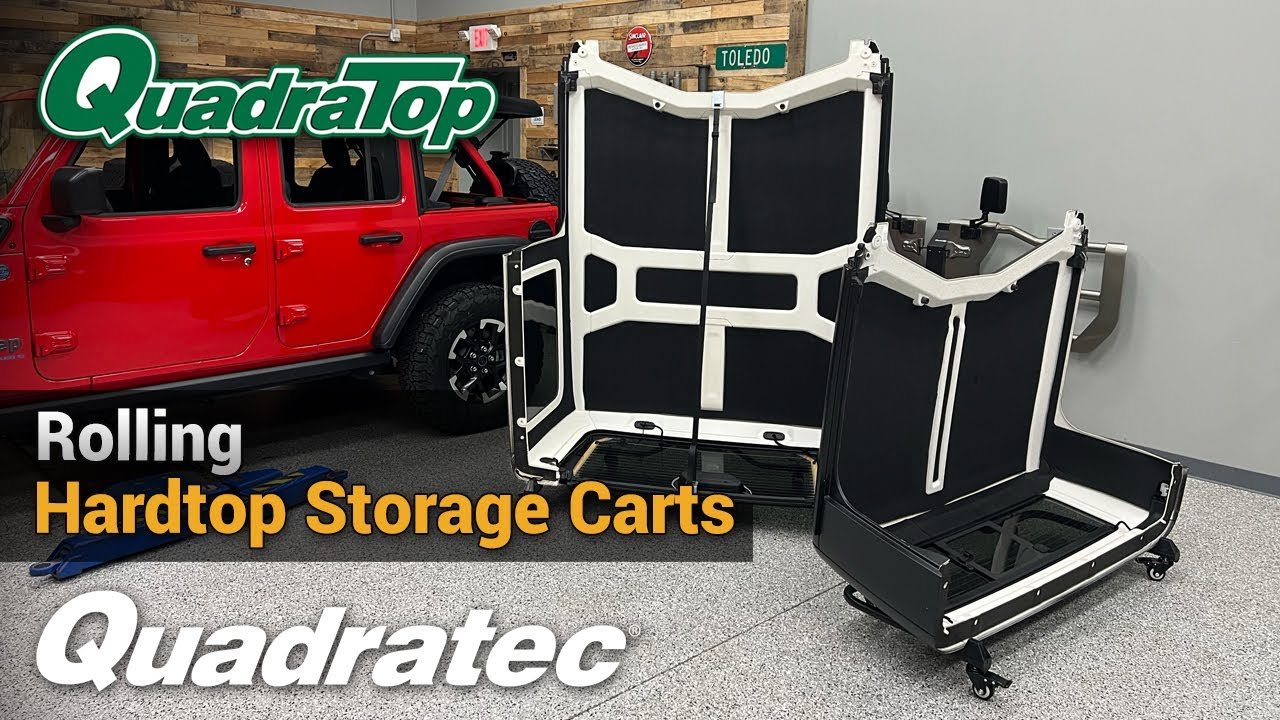
A hardtop stand supports your top vertically, saving space and reducing the risk of warping. Stands with wheels let you move it easily. Make sure the stand fits your hardtop’s shape.
Hoist System
A hoist system lets you lift your hardtop to the ceiling. This frees up floor space and keeps your top safe from accidental bumps. Hoists require installation but are very effective, especially in garages.
Wall Mount
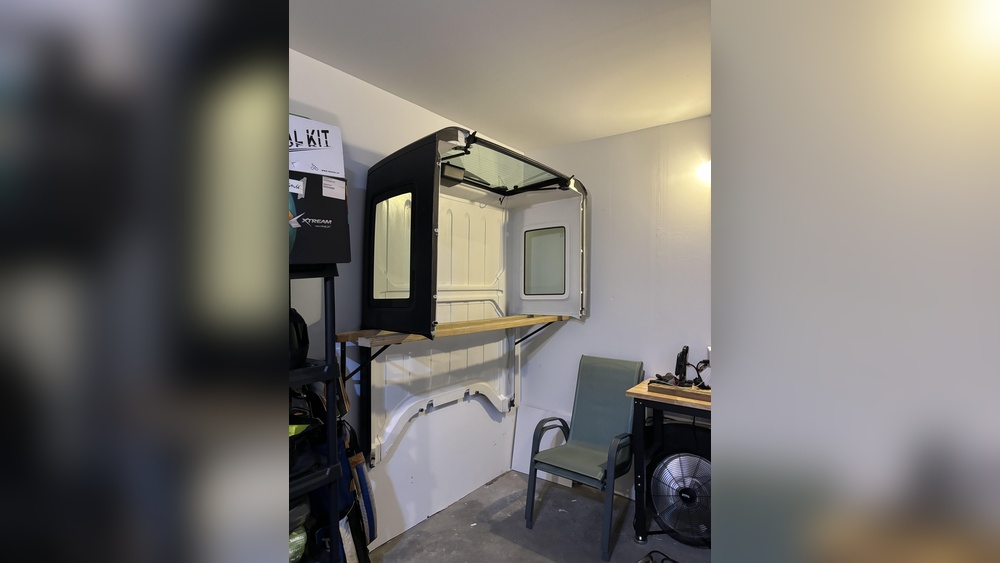
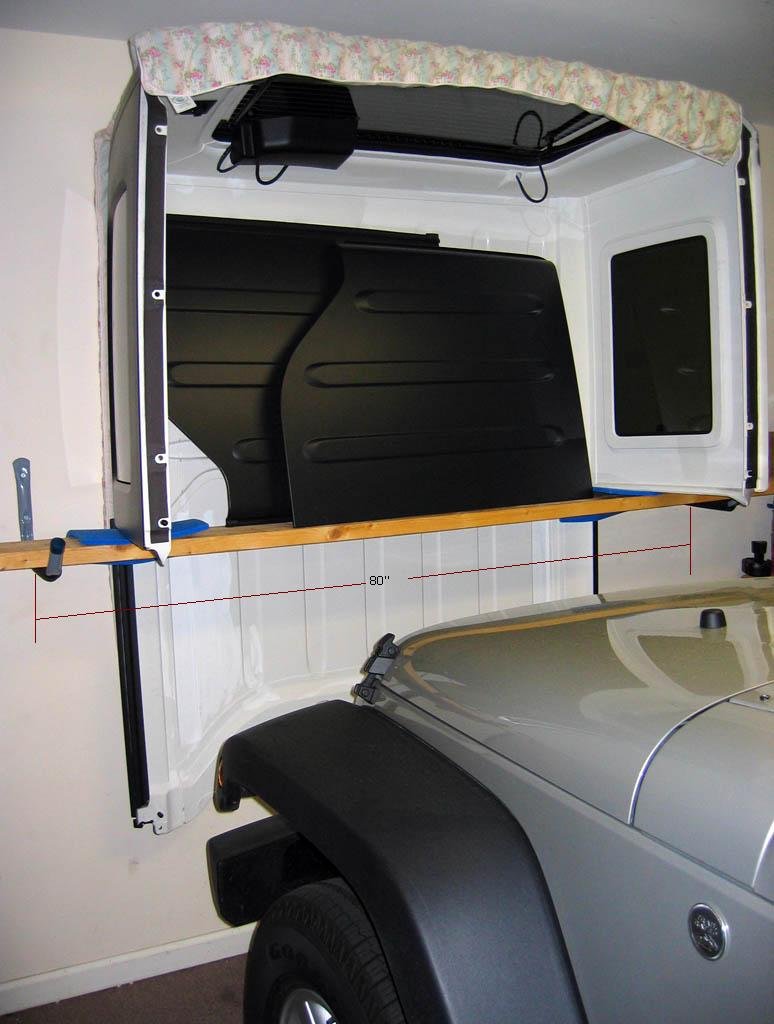
Wall mounts hold your hardtop securely on a wall. This is a good option for small spaces.
Choose a mount with padded arms to prevent scratches.
Protecting Your Hardtop During Storage
Protecting your hardtop is more than just finding a place to put it. Here are smart ways to keep it safe:
- Use a dust cover or tarp to shield from dirt, sunlight, and moisture.
- Avoid direct sunlight, which can fade paint and cause plastic to crack.
- Store in a climate-controlled area if possible. Extreme heat or cold can warp or crack your hardtop.
- Never stack heavy objects on top of your hardtop.
A common mistake is storing hardtops near chemicals or paint cans. Fumes can damage seals and plastic parts. Keep your hardtop away from these items.
Step-by-step Hardtop Storage Guide
Follow these steps for safe storage:
- Wash and dry your hardtop.
- Remove all hardware and store it safely.
- Choose your storage method (ground, stand, hoist, wall mount).
- Place your hardtop in the chosen location.
- Cover with a dust cover or blanket.
- Check the hardtop monthly for dust, damage, or moisture.
Comparing Hardtop Storage Accessories
Many accessories help make storage safer and easier. Here’s a comparison of popular options:
| Accessory | Function | Average Price | Ease of Use |
|---|---|---|---|
| Hardtop cover | Protects from dust and scratches | $30–$60 | Very easy |
| Rolling stand | Moves hardtop easily | $100–$150 | Easy |
| Ceiling hoist | Stores overhead, saves space | $200–$400 | Medium |
| Wall bracket | Hangs hardtop vertically | $100–$200 | Medium |
Not every accessory is needed. For most Jeep owners, a hardtop cover and a basic stand are enough. Hoists and brackets are better for those with limited space.
Common Mistakes To Avoid
Many Jeep owners make simple mistakes that can cost them time and money. Here are some to avoid:
- Storing the hardtop outside where weather can cause damage.
- Forgetting to check for moisture, which can lead to mold.
- Using a stand that doesn’t fit, causing warping.
- Not labeling hardware, making reinstallation difficult.
A less obvious mistake is not checking your hardtop for spider webs, nests, or pests if stored in a garage. Always inspect before reinstalling.
Expert Tips For Long-term Storage
If you plan to store your hardtop for many months, keep these tips in mind:
- Place silica gel packs inside to absorb moisture.
- Check seals and gaskets every few months.
- Make sure the storage area has good ventilation.
- Avoid storing in high-traffic areas to reduce bump risk.
Many Jeep owners overlook the importance of regular inspection. Even if stored perfectly, climate changes can affect the hardtop.
A quick monthly check helps spot issues early.
For more guidance, you can visit the official Jeep website: Jeep.com.
Frequently Asked Questions
How Heavy Is A Jeep Hardtop?
A typical hardtop weighs between 120–150 pounds. It’s best to have two people when moving it to avoid injury and damage.
Can I Store My Hardtop Outside?
It’s not recommended. Exposure to rain, sunlight, and temperature changes can cause fading, warping, and mold.
What Is The Safest Storage Method?
A ceiling hoist or wall mount is safest. These methods keep the hardtop off the ground and away from hazards.
How Do I Prevent Scratches During Storage?
Use a padded cover and avoid rough surfaces. Never place heavy objects on top. Clean your hardtop before storage to remove grit.
How Long Can I Store My Hardtop?
You can store it for months or even years if it’s kept dry, clean, and protected from sunlight. Regular checks help maintain its condition.
Storing your Jeep hardtop correctly saves you money and headaches in the long run. With the right preparation and storage method, your hardtop will be ready whenever you want to reinstall it.
Remember, a little care now keeps your Jeep looking great for years to come.