If you drive a Jeep Wrangler, understanding how to use the 4H (Four-High) mode is important, especially when you face challenging roads. Many new owners are unsure about when and how to shift into 4H.
If you use it correctly, your Wrangler gives you more control on mud, snow, sand, or gravel. Use it wrong, and you can damage your vehicle or make driving harder.
This guide explains everything you need to know about shifting into 4H, from step-by-step instructions to common mistakes and practical tips.
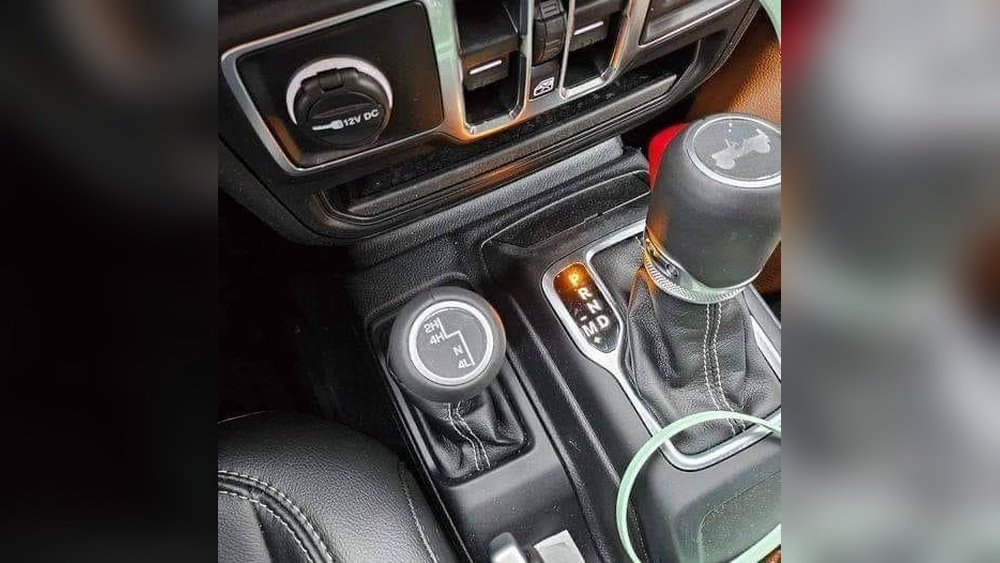
What Is 4h In A Jeep Wrangler?
4H stands for four-wheel drive high range. In this mode, power goes to all four wheels, but you can drive at higher speeds than in low-range (4L). 4H is designed for slippery surfaces like snow, ice, loose dirt, or wet grass. It gives better traction and control without slowing you down too much.
4h Vs 2h Vs 4l
Understanding the difference between drive modes helps you choose the right one. Here’s a quick comparison:
| Mode | When to Use | Speed Range |
|---|---|---|
| 2H (Two-High) | Normal dry roads | Any speed |
| 4H (Four-High) | Snow, sand, mud, gravel | Up to 55 mph (88 km/h) |
| 4L (Four-Low) | Deep mud, rock crawling, steep hills | Under 25 mph (40 km/h) |
When Should You Shift Into 4h?
Use 4H when you need extra grip, but also want to keep moving at a normal speed. Good examples include:
- Driving on a snowy highway
- Crossing a sandy beach
- Going through wet grass or gravel
- Getting through shallow mud
You do not need 4H on dry pavement. Using it on the wrong surface can strain the drivetrain, causing faster wear.
How To Shift Into 4h: Step-by-step Guide
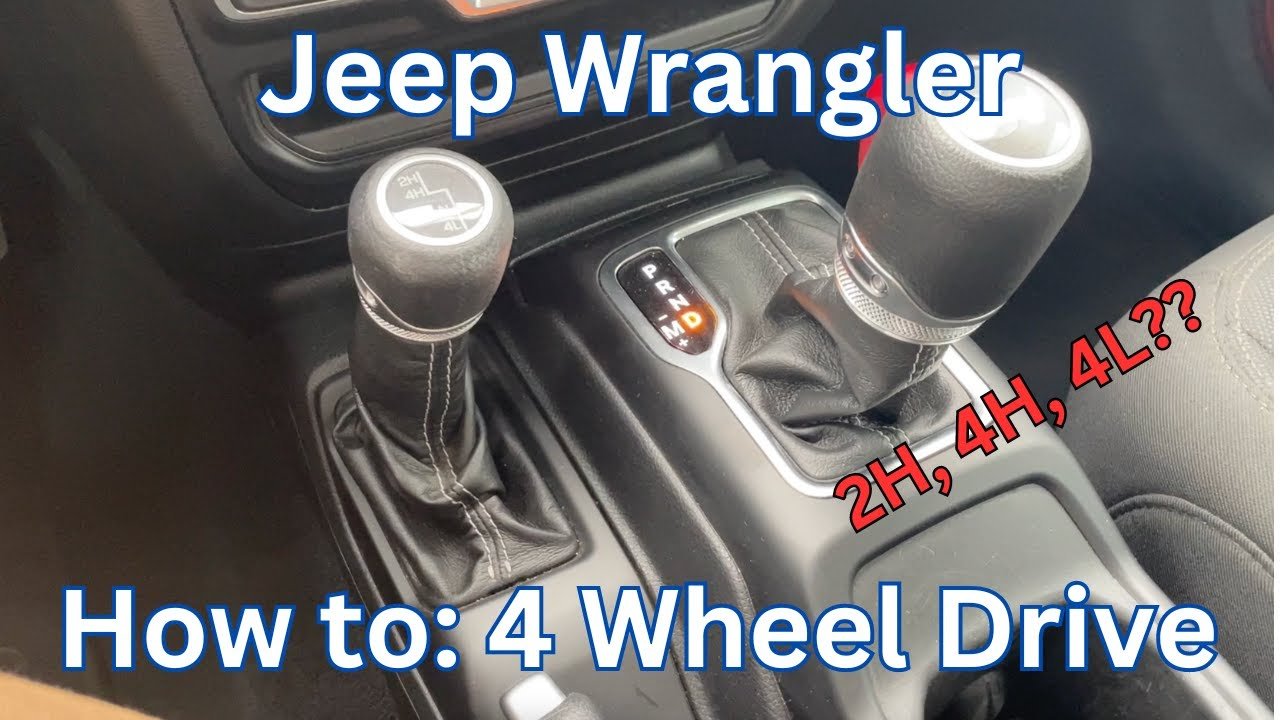
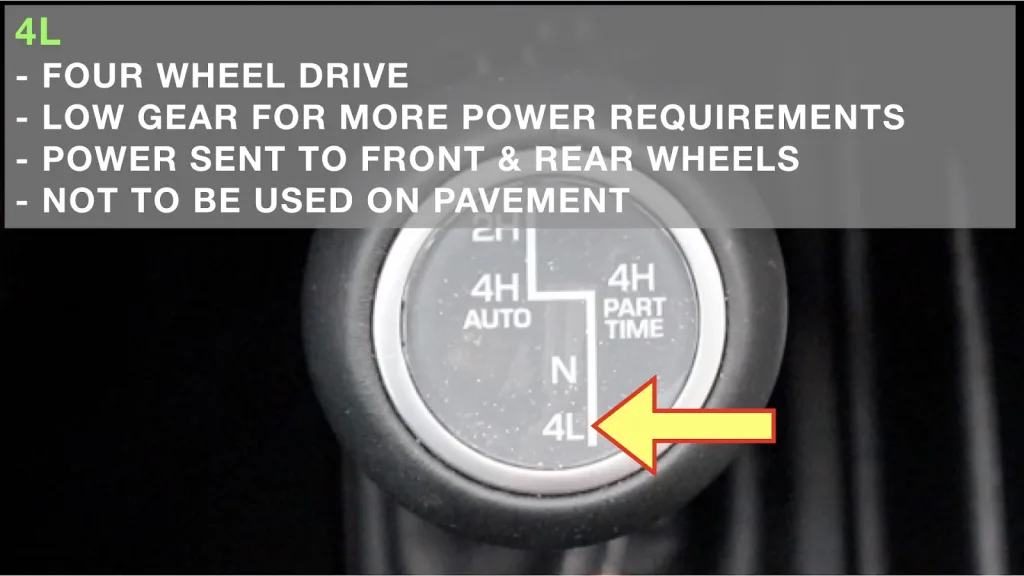
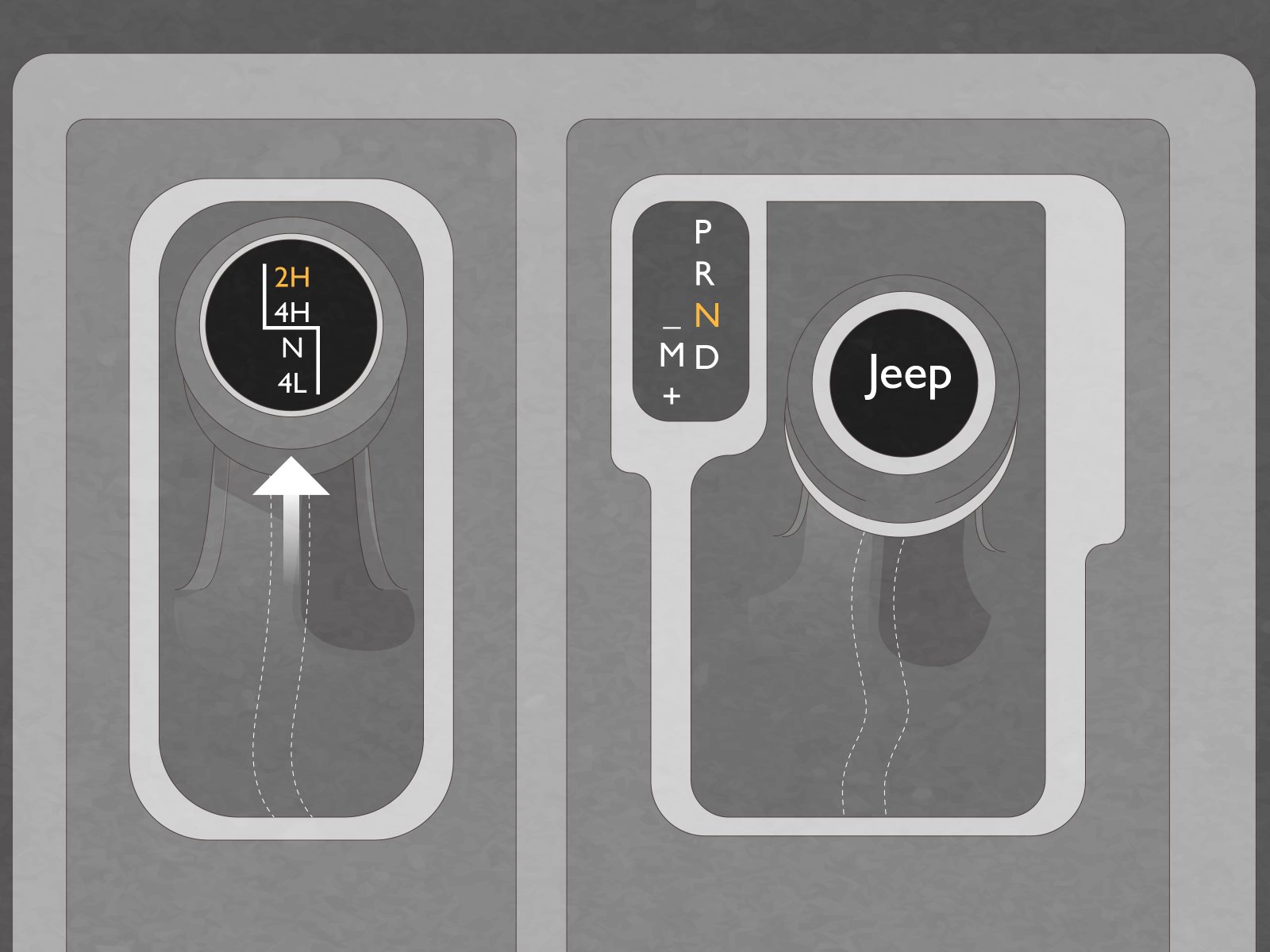
Every Jeep Wrangler since 2007 uses a shift lever or a rotary knob for the transfer case. The most common is the lever. Here’s how to shift into 4H:
- Slow Down: Lower your speed to under 45 mph (72 km/h). You can shift on the move, but slower is smoother.
- Steady Throttle: Keep a light, steady pressure on the gas pedal. Avoid sudden acceleration or braking.
- Move the Lever: Firmly pull the transfer case lever from 2H straight down to 4H. Do not pause between positions.
- Listen and Feel: You may hear a soft clunk or feel a change. That’s normal. The 4WD light on your dashboard should turn on.
- Drive Normally: Now, you have power to all four wheels. You can keep driving at normal speeds for the road conditions.
If you have a newer Wrangler with a knob, turn it to 4H while moving slowly.
Example: Shifting On A Snowy Road
Imagine you’re driving and see snow ahead. Take your foot off the gas, slow to about 30 mph, and shift the lever to 4H before you reach the snow.
This helps avoid getting stuck or losing control.
Common Mistakes To Avoid
Some mistakes can cause damage or make driving unsafe:
- Shifting at high speed: Always slow down first.
- Using 4H on dry pavement: This can cause tire wear and drivetrain stress.
- Pausing in Neutral: Move the lever in one smooth motion.
- Forgetting to shift back to 2H: When you return to dry roads, shift back to 2H to save fuel and reduce wear.
Tips For Smooth Shifting
Here are two less-known tips:
- Slight Steering Movement: Turning the steering wheel slightly while shifting can help the gears mesh more smoothly.
- Lubricate Linkage: If your Jeep is older, a little spray lubricant on the shift linkage underneath can make shifts easier.
Also, always keep your tires the same size and pressure for best 4WD performance.
What If 4h Won’t Engage?
Sometimes, 4H may not engage easily. Reasons include:
- You’re shifting too fast or not moving the lever firmly.
- The linkage is rusty or stuck.
- The dashboard light does not always match the actual gear.
If 4H still does not engage, stop the Jeep, shift to Neutral, and try again. If it still fails, consult your mechanic.
How 4h Affects Driving
When in 4H, your Jeep handles differently:
- Tighter turning: Steering feels heavier and turns are wider.
- Less wheel spin: You get more grip, but can’t make sharp turns easily.
- Lower fuel economy: Using 4H uses more fuel, so only use it when needed.
Here’s a quick look at the difference in handling:
| Mode | Turning Radius | Fuel Use |
|---|---|---|
| 2H | Normal | Standard |
| 4H | Wider | Higher |
Real-world Example: Beach Driving
If you drive on sand, lower your tire pressure to about 18 psi before shifting into 4H. This gives a wider footprint and better traction.
Many beginners forget this step and get stuck, even with 4H engaged.
Jeep Wrangler 4h System: Quick Facts
| Jeep Model | 4H Engaged On-the-Fly? | Max Safe Speed (4H) |
|---|---|---|
| Wrangler JK (2007-2018) | Yes | 55 mph (88 km/h) |
| Wrangler JL (2018+) | Yes | 55 mph (88 km/h) |
Most Wranglers allow “shift on the fly” into 4H, but not all older models do. Always check your owner’s manual.
Frequently Asked Questions
How Fast Can I Drive In 4h?
You can drive up to 55 mph (88 km/h) in 4H on most Jeep Wranglers. But slower speeds are safer on rough or slippery surfaces.
Can I Shift Into 4h While Moving?
Yes, you can shift into 4H while driving below 45 mph. Always use a smooth, steady motion.
What Surfaces Should I Use 4h On?
Use 4H on snow, sand, mud, gravel, or wet grass. Never use it on dry, hard pavement.
Is It Bad To Use 4h All The Time?
Yes, using 4H on dry roads can damage the drivetrain and wear out your tires quickly. Only use 4H when needed.
Where Can I Find More Details About My Jeep’s 4wd System?
For official and detailed information, visit the Jeep 4×4 Systems page.
Using 4H in your Jeep Wrangler is simple once you know the steps and understand when to use it. With practice, shifting into 4H becomes second nature, and your Wrangler will handle tough conditions with ease.
Remember to always shift at the right speed, use the correct surfaces, and check your owner’s manual for model-specific advice.
Safe driving!