Sealing a Jeep hardtop is an essential step for any owner who wants to keep their vehicle dry and comfortable. Jeep hardtops are designed for adventure, but over time, leaks can appear around the roof, doors, or windows.
These leaks can cause water damage, wind noise, and even rust.
Learning how to properly seal your Jeep hardtop helps you protect your investment and enjoy a quieter, more comfortable ride.
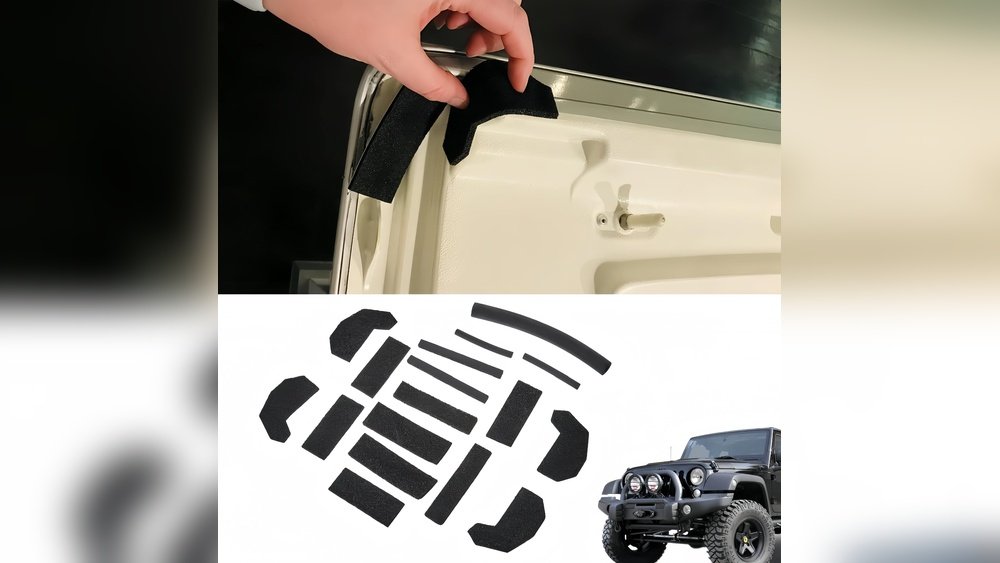
Why Sealing Your Jeep Hardtop Matters
A well-sealed hardtop keeps out rain, dust, and wind. This is especially important if you use your Jeep for off-roading or live in a region with heavy rain. Even a small leak can quickly turn into a bigger problem, soaking your seats or damaging the electrical system. Many owners notice leaks after removing and reinstalling the hardtop, especially as the factory seals age.
One surprising insight: New Jeeps are not immune to leaks. Factory gaskets sometimes shift after the first few removals, so even newer vehicles can benefit from extra attention to sealing.
Tools And Materials Needed
Before you start, gather these items:
- Automotive silicone sealant (clear or black)
- Weatherstripping tape (EPDM rubber is best)
- Isopropyl alcohol and clean rags
- Plastic trim removal tool
- Socket set (for removing hardtop bolts)
- Painter’s tape
- Gloves
Quality matters. Cheaper weatherstripping can flatten quickly, leading to leaks in just a few months. Investing in automotive-grade materials ensures a longer-lasting seal.
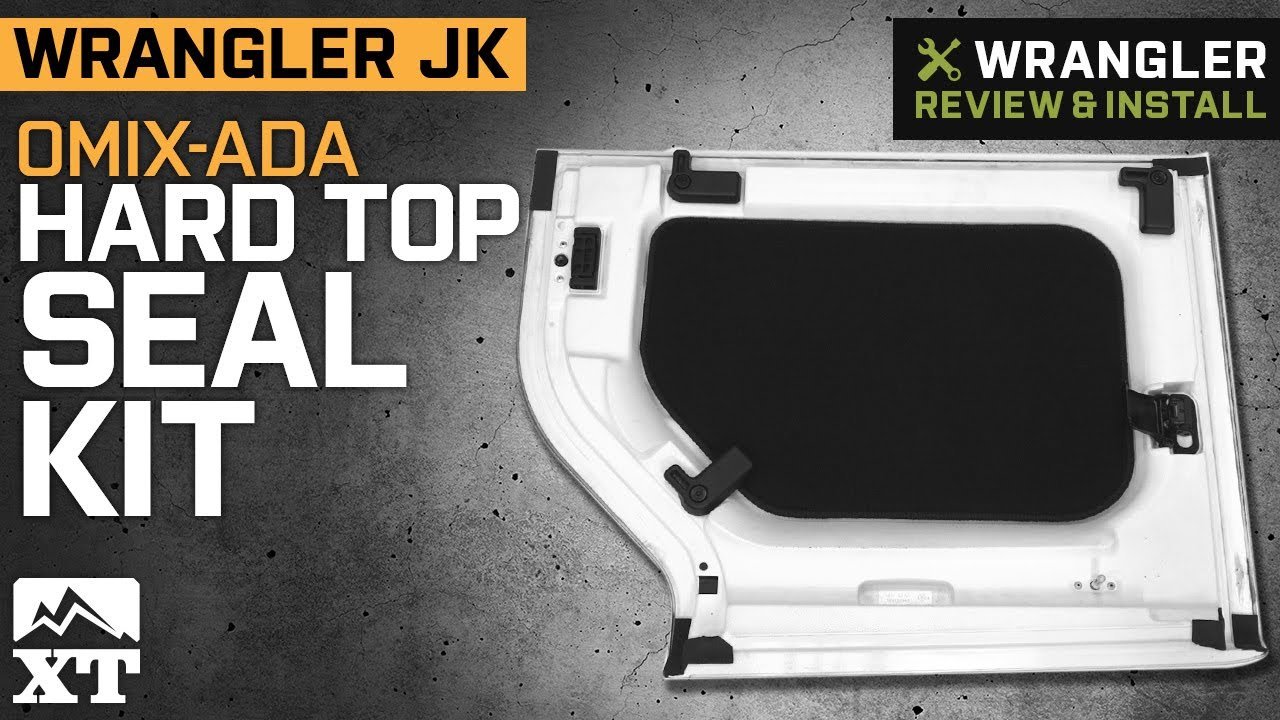
Step-by-step Guide To Sealing Your Jeep Hardtop
1. Remove The Hardtop (if Needed)
Most leaks happen at the joints where the hardtop meets the body. Removing the hardtop allows you to inspect and reseal these areas. Use a socket set to loosen all bolts. Carefully lift the hardtop away with a friend—Jeep hardtops are heavy and awkward to handle alone.
2. Clean All Contact Surfaces
Dirt, old adhesive, and grease prevent sealant from bonding well. Clean all mating surfaces using isopropyl alcohol and a clean rag. Pay special attention to the edges of the roof and the top of the windshield frame. Any leftover dirt can cause new leaks.
3. Inspect And Replace Old Seals
Check the existing gaskets and seals for cracks, dryness, or flattening. Replace any that look worn. Common problem areas include the Freedom Panel seals (on Wranglers), door surround seals, and rear window gaskets. Remove old seals with a plastic trim tool to avoid scratching the paint.
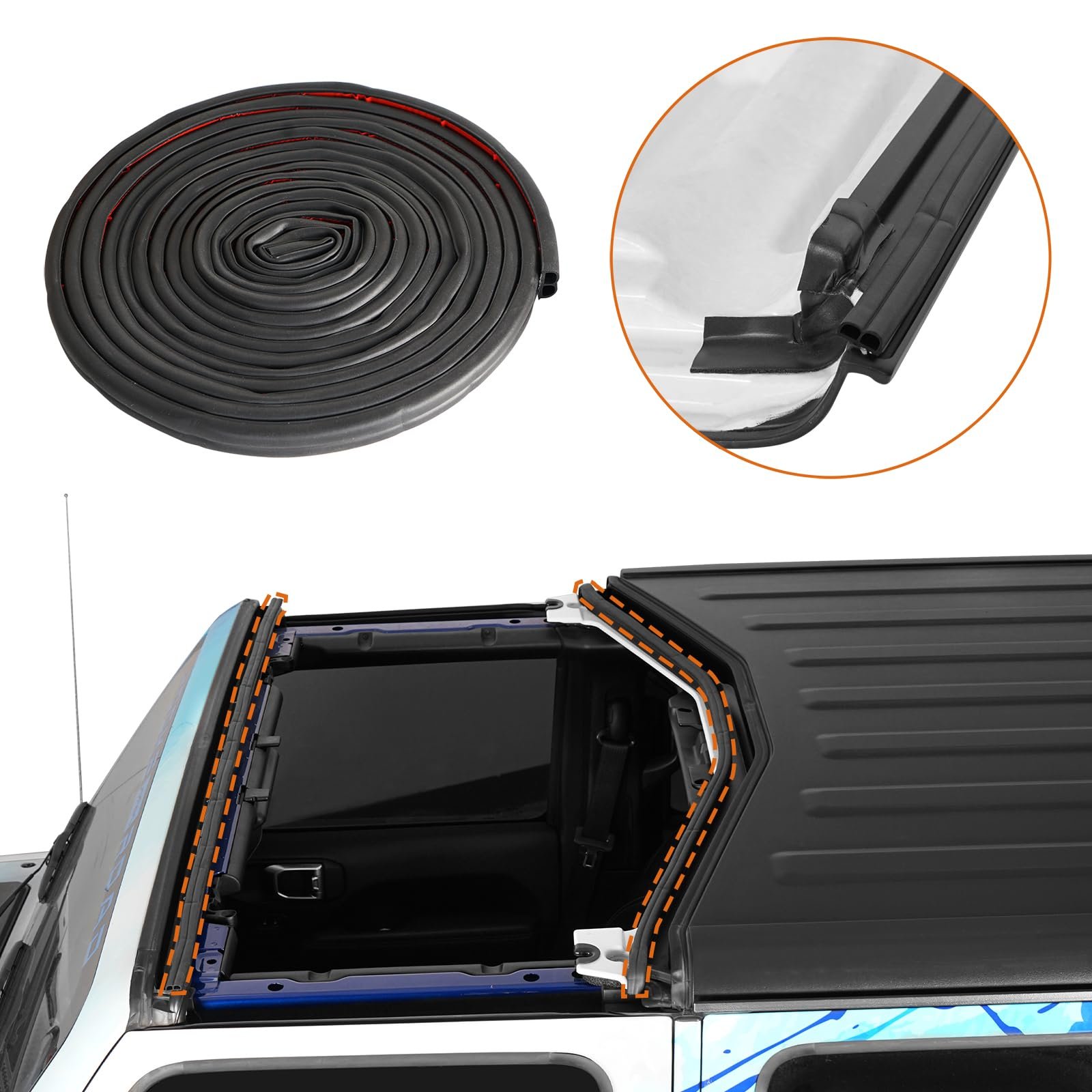
4. Apply Weatherstripping Tape
Cut new weatherstripping tape to match the length of each edge. Peel the backing and press firmly into place. Start with the front windshield edge, then move to the side and rear edges. Make sure the tape covers the entire contact area for a consistent seal.
5. Use Silicone Sealant On Problem Areas
Some joints and seams require extra attention. Apply a thin bead of automotive silicone sealant to corners, joints, and any spot where water might pool. Smooth the sealant with your finger or a plastic tool. Allow it to cure for at least 24 hours before reinstalling the hardtop.
6. Reinstall The Hardtop
Carefully lower the hardtop back onto the Jeep. Align all bolts and tighten them evenly. Do not over-tighten, as this can crush the seals and cause leaks. If you have Freedom Panels, install them last, making sure the latches are secure.
7. Water Test The Seal
After the sealant has fully cured, use a garden hose to spray water over the seams. Check the inside for any drips or wet spots.
If you find leaks, mark the area with painter’s tape and repeat sealing as needed.
Common Leak Locations
Some areas are more prone to leaks than others. Here is a quick comparison of common leak points:
| Location | How Common | Fix Difficulty |
|---|---|---|
| Windshield Header | Very common | Easy |
| Freedom Panel Seams | Common | Moderate |
| Rear Window | Occasional | Moderate |
| Door Surrounds | Common | Easy |
How To Choose The Right Sealant And Weatherstripping
Not all products work well on Jeep hardtops. Use these criteria to choose:
| Type | Recommended Use | Durability |
|---|---|---|
| Silicone Sealant | Seams and small gaps | High |
| EPDM Weatherstripping | Long edges and joints | Very high |
| Foam Tape | Temporary fix | Low |
For the best results, choose products specifically labeled for automotive or marine use. These resist UV and temperature changes better than general-purpose products.
Mistakes To Avoid
Many new Jeep owners make these common mistakes:
- Using home weatherstripping: Home products often fail quickly on vehicles.
- Skipping surface cleaning: Dirt keeps sealant from sticking.
- Over-tightening bolts: This flattens seals and can create new leaks.
- Applying sealant in cold weather: Sealant may not cure properly below 50°F (10°C).
- Ignoring small leaks: Even a small drip can cause mold or rust over time.
One overlooked tip: Always check the hardtop alignment before final tightening. Misaligned tops can create uneven pressure on the seals, leading to leaks.
Extra Tips For A Long-lasting Seal
- Inspect seals twice a year, especially after removing the hardtop.
- Park your Jeep in a garage or under cover during heavy rain to reduce water exposure.
- Consider adding a UV protectant to rubber seals to keep them flexible.
If you want more detailed information on Jeep maintenance, the official Jeep Care website offers helpful resources.
Frequently Asked Questions
How Often Should I Reseal My Jeep Hardtop?
Check your seals every 6-12 months, or after removing the hardtop. Replace or reseal at the first sign of leaks.
Can I Use Regular Silicone Caulk For My Jeep Hardtop?
No, always use automotive-grade silicone. Home caulks may not handle temperature changes and vibration.
What Is The Best Way To Find Hardtop Leaks?
Spray water with a hose and check inside for drips. Pay attention to seams, corners, and the windshield header.
Does Sealing The Hardtop Reduce Wind Noise?
Yes, a proper seal blocks both water and wind, making your ride quieter and more comfortable.
Are There Aftermarket Seal Kits For Jeep Hardtops?
Yes, several companies sell pre-cut seal kits for popular Jeep models. These are often easier and more effective than universal products.
Sealing your Jeep hardtop is a straightforward process that makes a big difference in comfort and protection. With the right tools, quality materials, and attention to detail, you can keep your Jeep ready for any adventure rain or shine.