If you drive a Jeep Renegade, keeping the correct tire pressure is more important than you might think. Proper tire pressure helps your vehicle handle better, improves fuel economy, and keeps you safe on the road.
However, sometimes the tire pressure warning light stays on, even after you fill the tires. This can be frustrating and confusing, especially if you are new to the Jeep Renegade or its features.
This guide will show you exactly how to reset the tire pressure system, why it matters, and what to do if things don’t go as planned.
Why Tire Pressure Matters For Your Jeep Renegade
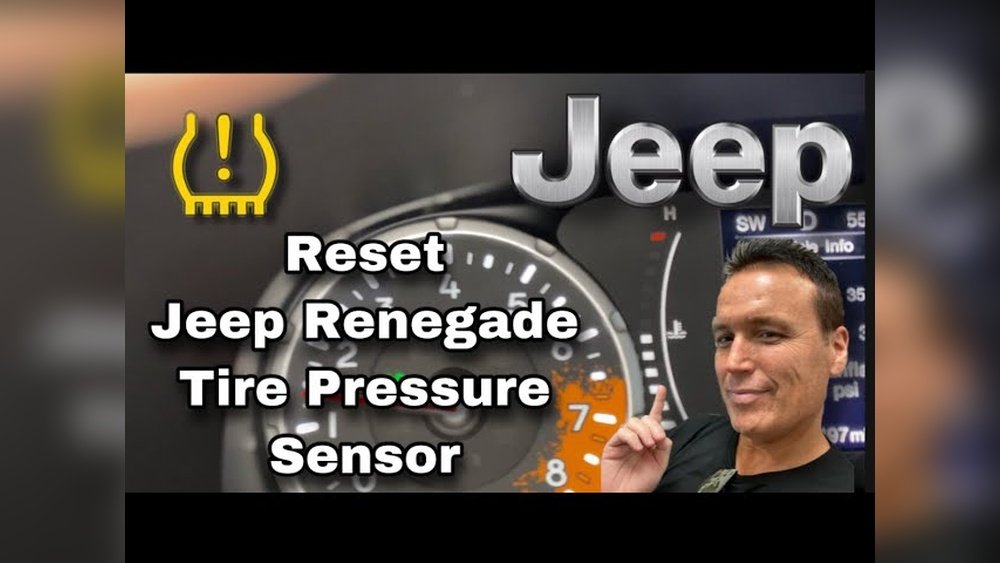
The Tire Pressure Monitoring System (TPMS) in the Jeep Renegade is designed to alert you when one or more tires are under-inflated. Low tire pressure can cause:
- Poor fuel efficiency
- Uneven tire wear
- Reduced braking power
- Difficult handling, especially in wet or icy conditions
Jeep recommends a tire pressure of 33 PSI (pounds per square inch) for most Renegade models. However, it’s always best to check your owner’s manual or the sticker inside the driver’s door for the exact number.
When You Should Reset The Tire Pressure Light
The tire pressure light may come on for several reasons:
- You recently added air to one or more tires.
- The weather changed (cold air causes pressure to drop).
- You replaced or rotated your tires.
- The sensor malfunctioned or lost signal.
After correcting your tire pressure, the warning light should turn off automatically. If it stays on, a manual reset is often needed.
Step-by-step: How To Reset Tire Pressure On Jeep Renegade
Resetting the TPMS is simple if you follow these steps. Here’s what you need to do:
- Check and Fill All Tires
- Use a reliable gauge to check each tire.
- Inflate them to the recommended PSI (usually 33 PSI).
- Don’t forget the spare tire if your model has a sensor for it.
- Drive the Vehicle
- Start your Renegade and drive at least 15 minutes at speeds above 15 mph.
- This allows the sensors to recalibrate and the system to recognize the correct pressure.
- Manual Reset (If Needed)
- Turn off the ignition.
- Start the engine without pressing the brake (accessory mode).
- Press the Menu button on the steering wheel.
- Use the up/down arrows to find “Vehicle Info.”
- Scroll to “Tire Pressure.”
- If your Renegade has a reset option, select it and confirm.
- Turn off the engine, wait 60 seconds, and restart.
- TPMS Reset Button (Some Models)
- Some Renegades have a TPMS reset button under the steering column.
- Press and hold the button until the TPMS light blinks three times, then release.
- Start the engine and drive for 20 minutes.
Here’s a quick comparison of different reset methods:
| Method | Time Needed | Applies To |
|---|---|---|
| Drive & Auto Reset | 15–20 min | All trims |
| Manual Menu Reset | 2–3 min | Some trims (with display) |
| TPMS Button | 2–3 min | Older models |
Common Issues And Troubleshooting
Even after resetting, the tire pressure light may stay on. Here’s what to check:
- Uneven Tire Pressure: One tire may still be low.
- Faulty Sensor: Sensors can fail after 5–7 years or due to damage.
- Temperature Fluctuations: Extreme cold can lower pressure overnight.
- New Tires or Rotations: The system may need extra time to adjust.
If you’ve tried all reset steps and the light remains, professional help is wise. A dealer or tire shop has special tools to read the TPMS and identify sensor issues.
How To Avoid Tpms Problems
Prevention can save time and money. Here are smart tips for Jeep Renegade owners:
- Check Tire Pressure Monthly
- Use a digital gauge for accuracy.
- Inspect Before Long Trips
- Look for cuts, nails, or bulges.
- Replace Sensors as Needed
- Average lifespan is 5–7 years.
- Avoid Cheap Aftermarket Sensors
- OEM parts work best with Jeep’s system.
A little attention goes a long way. For example, many drivers forget to check the spare tire.
On some Renegades, the TPMS light stays on if the spare is low, even if the main tires are perfect.
How The Jeep Renegade Tpms Compares To Other Suvs
To understand your Jeep better, here’s how its TPMS system compares with similar SUVs:
| Vehicle | TPMS Reset Method | Sensor Type |
|---|---|---|
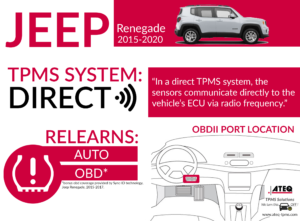
| Jeep Renegade | Auto/Manual | Direct (in-wheel sensor) |
| Honda HR-V | Menu/Auto | Indirect (ABS-based) |
| Ford EcoSport | Auto only | Direct (in-wheel sensor) |
Jeep’s direct TPMS is more accurate but may cost more to repair than indirect systems found in some Japanese models.

Non-obvious Insights For Jeep Renegade Owners
Many new drivers don’t realize that filling tires at a gas station can sometimes overinflate or underinflate them due to inaccurate gauges. Always double-check with your own gauge.
Also, if you change from regular to winter tires, have the sensors reprogrammed.
Otherwise, the system may show the warning light permanently.
Another overlooked detail: If your Renegade’s battery is weak, the TPMS system can give false warnings. Keeping your battery in good shape helps all your electronics, not just tire sensors.
Frequently Asked Questions
How Long Does It Take For The Tire Pressure Light To Turn Off After Inflating My Tires?
Usually, the light turns off after driving for 10 to 20 minutes at speeds above 15 mph. If it stays on longer, a manual reset might be necessary.
Can I Drive My Jeep Renegade With The Tire Pressure Light On?
It’s not recommended. The light means at least one tire may be unsafe.
Driving with low pressure can cause poor handling, higher fuel use, or even a blowout.
Do I Need A Special Tool To Reset The Tpms On A Jeep Renegade?
Most of the time, you do not. Manual resets and driving the vehicle are enough. However, if a sensor fails, a mechanic may use a scan tool to diagnose or reset the system.
Will Changing Wheels Or Tires Affect The Tpms?
Yes. If the new wheels don’t have sensors, or the sensors are not programmed to your Jeep, the warning light will stay on until they are fixed.
Where Can I Find More Information About My Jeep Renegade’s Tpms?
Your owner’s manual is the best place to start. For more technical details, see the official Jeep Tire Care page.
Maintaining the correct tire pressure in your Jeep Renegade is easy once you know how. With these steps and insights, you can handle most situations yourself and drive with confidence, knowing your vehicle is safe and running efficiently.