The how to reset ESP BAS light question often appears after a Jeep displays a yellow dashboard warning. Some drivers notice the light after starting the engine.
Others see it after driving through mud, replacing a battery, changing suspension parts, or turning sharply.
A reset may turn the warning off in limited situations. It does not repair a failed sensor, damaged wire, low-voltage problem, or brake-system fault.
Your first goal is to understand why the light appeared. Then you can decide whether a simple check, a scan tool, or professional service is the right next step.
Quick Answer
Older Jeep models may use the term ESP/BAS. ESP refers to the Electronic Stability Program.
BAS refers to the Brake Assist System. Newer owner manuals often use ESC, meaning Electronic Stability Control.
The warning should normally illuminate briefly when you switch the ignition on. It should turn off after the engine starts.
If the light stays on, the vehicle has detected a problem in the stability-control or brake-assist system.
Start with these steps:
- Park safely and restart the engine.
- Confirm whether the warning stays on after driving a short distance.
- Check battery voltage and visible battery connections.
- Check tire pressure and confirm all tires have compatible sizes.
- Inspect the steering wheel position.
- Scan the ABS or ESC module with a compatible diagnostic scanner.
- Repair the actual fault before clearing the code.
Do not treat a dashboard-light reset as a complete repair.
What Does the ESP BAS Light Mean?
The ESP BAS light is linked to electronic systems that help your Jeep maintain stability and braking control.
ESP helps manage wheel slip and vehicle stability. Depending on the model, the system may use wheel-speed sensors, steering-angle input, braking data, and other signals.
If the computer detects a loss of traction, it may reduce engine power or apply braking force to selected wheels.
BAS supports emergency braking. When the vehicle detects a fast and forceful brake-pedal application, BAS may help apply stronger braking pressure.
The goal is to support the driver during an emergency stop.
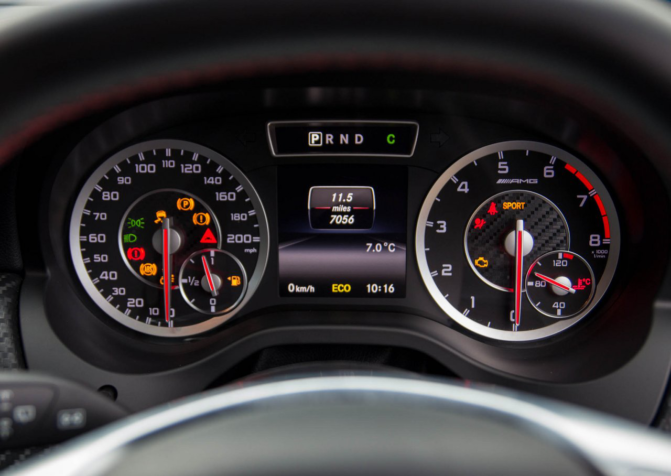
Older Jeep manuals describe a combined yellow ESP/BAS Warning Light. The light comes on briefly when the ignition is switched on.
It should go out when the engine is running. If it stays on continuously, the vehicle has detected a malfunction in either ESP or BAS.
Newer Jeep manuals often describe an ESC Indicator Light. The naming changed, but the warning still relates to electronic stability control.
| Warning behavior | What it usually means | Recommended action |
|---|---|---|
| Light appears briefly at startup | Normal system check | No action needed if it turns off |
| Light flashes while driving | Stability control is actively working | Reduce speed and drive smoothly |
| Light stays on continuously | A fault may be stored | Scan the system and diagnose the cause |
| ESP BAS light appears with ABS light | Brake-control fault is more likely | Drive cautiously and arrange diagnosis |
| Light appears after battery work | Voltage or calibration issue is possible | Check battery health and scan the system |
| Light appears after suspension or steering work | Sensor alignment or wiring issue is possible | Inspect the work and perform diagnosis |
Is ESP BAS the Same as ESC?
The terms are related, but they are not always displayed in the same way.
Some older Jeep vehicles show ESP BAS on the instrument cluster. Newer vehicles often use the term ESC.
A Jeep owner may also see traction-control, ABS, or service messages at the same time.
These systems share information. One failed input can affect more than one warning light.
For example, a wheel-speed sensor issue may affect ABS and stability-control functions because both systems depend on wheel-speed data.
The exact warning text, symbol, and reset procedure depend on the Jeep model, trim, and model year. Check the owner’s manual for your vehicle before following any model-specific procedure.
Can You Drive With the ESP BAS Light On?
A Jeep may still move normally with the ESP BAS light on. That does not mean you should ignore the warning.
When the light stays on, some driver-assistance functions may not work as intended. Your Jeep may have reduced stability control or brake assist support.
The risk increases on wet roads, snow, gravel, mud, or during emergency braking.
Use extra caution if you need to drive a short distance for diagnosis:
- Reduce speed.
- Leave more braking distance.
- Avoid hard acceleration.
- Avoid sudden steering movements.
- Avoid towing.
- Avoid slippery roads when possible.
- Arrange diagnosis soon.
Stop driving and request help if the brake pedal feels unusual, the red brake warning light appears, braking performance changes, the vehicle pulls sharply, the steering behaves abnormally, or several critical warnings appear together.
How To Reset ESP BAS Light Safely
A reset should follow diagnosis. Use the steps below as a practical starting point.
Step 1: Restart the Jeep
Park on a safe, level surface. Shift into Park.
Switch off the engine. Wait for a short period, then restart the vehicle.
Some warning lights appear after a temporary voltage drop or a brief sensor communication issue. If the warning disappears and does not return, monitor the Jeep.
If the light comes back, continue troubleshooting.
Step 2: Check Whether the Light Is Flashing or Staying On
A flashing stability-control light is different from a light that stays on.
A flashing light often means the system is responding to wheel slip or loss of traction. Ease off the accelerator and drive more smoothly.
A light that stays on continuously usually points to a stored fault or a disabled system. You need diagnostic information before clearing anything.
Step 3: Check Battery Voltage and Connections
Low voltage can create multiple warning lights. A weak battery may trigger faults during startup.
Loose or corroded battery terminals may also create unstable electrical behavior.
Inspect the battery terminals. Confirm they are clean and tight.
Check the battery condition with a multimeter or battery tester.
A fully charged 12-volt battery often measures around 12.6 volts with the engine off. The exact reading depends on battery condition, temperature, and recent use.
If you are unsure, ask a repair shop to test the battery and charging system.
Do not replace parts based only on a single voltage reading.
Step 4: Inspect Tires and Tire Pressure
Electronic stability systems depend on predictable wheel behavior. A tire with low pressure, a mismatched tire size, or uneven tire wear may affect system performance.
Check all four tires:
- Confirm tire pressures match the door-jamb label.
- Confirm tire sizes are compatible.
- Inspect tread depth.
- Look for damage.
- Check whether a spare tire or replacement tire differs from the others.
Aftermarket wheel and tire setups may require closer inspection. Large changes in tire diameter can affect vehicle behavior and diagnostic readings.
Step 5: Center the Steering Wheel
A steering-angle input issue may appear after alignment work, steering repair, battery work, or suspension modifications.
Park with the wheels pointing straight ahead. Restart the Jeep.
Turn the steering wheel slowly from center toward one side, then toward the other side, and return it to center.
This basic movement may help the system recognize steering position on some vehicles. It is not a guaranteed repair.
Some vehicles require a scan tool for steering-angle calibration.
Step 6: Inspect Wheel-Speed Sensor Areas
Each wheel-speed sensor provides information used by ABS and stability-control systems. Mud, debris, damaged wiring, corrosion, or impact damage may cause faults.
Inspect the visible wiring near each wheel. Look for:
- Torn wires
- Loose connectors
- Dirt packed around sensor areas
- Damage after off-road driving
- Damage after brake, hub, bearing, or suspension work
Do not pull on the wiring. Do not assume dirt is the only cause.
A scan tool helps identify which sensor circuit needs attention.
Step 7: Scan the ABS or ESC Module
A basic engine-code reader may not access ABS or stability-control modules. Use a scanner that supports your Jeep model and can read ABS or ESC faults.
Connect the scanner according to its instructions. Read stored and pending codes. Save the codes before clearing them.
The stored code may point toward:
- A wheel-speed sensor circuit
- Steering-angle sensor input
- Brake-pedal switch signal
- ABS module communication
- Battery-voltage history
- Wiring or connector issues
- Yaw-rate or acceleration sensor input
Do not replace a component only because its name appears in a code description. A wiring fault or connector problem may produce the same code.
Step 8: Repair the Cause
After identifying the fault, repair the actual problem. This may involve cleaning a connector, repairing wiring, correcting tire pressure, replacing a failed sensor, calibrating steering-angle input, testing the battery, or addressing a brake-system issue.
Some repairs need professional equipment. Brake and stability-control systems affect safety.
Use a qualified technician when the diagnosis is unclear.
Step 9: Clear the Stored Fault and Test Drive
After completing the repair, clear the fault with a compatible scanner when appropriate. Restart the Jeep. Confirm the warning behavior.
Take a careful test drive in a safe area. Monitor the dashboard.
If the warning returns, read the codes again.
A warning light that returns needs more diagnosis. Repeatedly clearing the code without repairing the cause wastes time and may hide an important safety issue.
Common Causes of the ESP BAS Light
The exact cause varies by model and code. These are common areas to check.
Weak Battery or Charging-System Issue
A weak battery may create warning lights during startup. Modern vehicle modules need stable voltage.
Battery age, loose terminals, corrosion, or charging-system faults may contribute.
Test before replacing parts.
Wheel-Speed Sensor Problem
Wheel-speed sensors are exposed to road debris, water, salt, mud, and vibration. Wiring may break near the wheel. A connector may loosen after repairs.
A scanner that reads ABS data can help compare wheel-speed signals.
Steering-Angle Sensor Calibration
A steering-angle issue may appear after an alignment, steering repair, battery replacement, or suspension change. Some vehicles need calibration with a diagnostic tool.
Brake-Pedal Switch Issue
The brake-pedal switch tells vehicle systems when you press the brake pedal. If the signal is missing or inconsistent, the stability-control system may store a fault.
Brake-light behavior may offer a clue, but proper testing is still needed.
ABS Module or Wiring Fault
Because ABS and stability-control systems share data, an ABS-related problem may trigger the ESP BAS light. Damaged wiring, corrosion, connector issues, or module faults may be involved.
Tire-Size or Tire-Pressure Differences
A low tire or mismatched tire can affect wheel-speed behavior. Use the correct tire pressure and compatible tire sizes.
Suspension, Hub, or Bearing Work
A damaged tone ring, wheel bearing issue, or sensor-wire problem may appear after front-end repairs. Check recent work first.
Off-Road Mud and Debris
Off-road driving exposes sensor areas and connectors to mud, water, and debris. Inspect the wheels and visible wiring after trail use.
Tools That May Help
You do not need a full workshop to complete the first checks.
| Tool | Why it helps |
|---|---|
| Compatible ABS-capable scan tool | Reads stability-control and ABS-related codes |
| Tire-pressure gauge | Confirms accurate tire pressure |
| Multimeter | Checks battery voltage and basic electrical condition |
| Flashlight | Helps inspect wiring and wheel areas |
| Basic socket set | Helps with simple access tasks |
| Owner’s manual | Confirms the warning-light meaning for your model year |
A scanner should support your specific Jeep and the ABS or ESC module. A cheap engine-only reader may not show the code you need.
Mistakes To Avoid
Clearing the Light Before Reading Codes
Save the diagnostic codes first. The stored information may help identify the fault.
Replacing Parts Without Testing
A code does not always prove a part has failed. Test the circuit, wiring, connector, and power supply.
Ignoring Other Warning Lights
An ESP BAS warning combined with ABS, brake, battery, or check-engine warnings may require faster attention.
Assuming Every Jeep Uses the Same Procedure
Jeep systems vary by model year. A Wrangler, Grand Cherokee, Liberty, Commander, Patriot, Renegade, and Compass may not use the same dashboard wording or reset steps.
Driving Aggressively After the Light Appears
Use smoother steering, lower speed, and more braking distance until you understand the issue.
When Should You Visit a Repair Shop?
Arrange professional diagnosis when:
- The ESP BAS light returns after a restart.
- The ABS light is also on.
- The red brake light appears.
- The brake pedal feels different.
- The Jeep pulls during braking.
- The steering feels unstable.
- You recently completed steering, suspension, brake, or hub repairs.
- You do not have a compatible ABS-capable scanner.
- The scan tool shows a code you cannot test safely.
- The warning appears with multiple electrical faults.
A qualified technician can scan the correct modules, inspect live data, test wiring, and perform calibrations when needed.
<!– wp:rank-math/faq-block {"questions":[{"id":"faq-question-8c0ca0ca4f54","title":"Will disconnecting the battery reset the ESP BAS light?","content":"Disconnecting the battery may clear some temporary conditions, but it is not a reliable repair. It may also erase useful diagnostic information. Read the stored codes first.
“,”visible”:true},{“id”:”faq-question-e8ff709407cc”,”title”:”Why did the ESP BAS light appear after changing the battery?”,”content”:”Battery replacement may involve a temporary voltage interruption. A weak replacement battery, loose terminal, or calibration issue may also contribute. Scan the vehicle if the light stays on.
“,”visible”:true},{“id”:”faq-question-94f811e68004″,”title”:”Can a wheel-speed sensor trigger the ESP BAS light?”,”content”:”Yes. Stability-control and ABS systems use wheel-speed information. Sensor, wiring, connector, tone-ring, or hub-related problems may affect the signal.
“,”visible”:true},{“id”:”faq-question-fd4d99177990″,”title”:”Why does the light flash only on slippery roads?”,”content”:”A flashing stability-control light often means the system is actively helping manage traction. Reduce speed and drive smoothly.
“,”visible”:true},{“id”:”faq-question-60518f86cc7e”,”title”:”Is the ESP BAS light the same as the ABS light?”,”content”:”No. They relate to connected systems, but they are not identical warnings. One fault may trigger both lights.
“,”visible”:true},{“id”:”faq-question-b5d380a4d80c”,”title”:”Can an alignment fix the ESP BAS light?”,”content”:”An alignment may help if the issue relates to steering position or suspension geometry. Some vehicles still need steering-angle calibration with a scan tool.
“,”visible”:true},{“id”:”faq-question-24f249e7152c”,”title”:”Can I clear the ESP BAS light with an OBD2 scanner?”,”content”:”Only if the scanner supports the relevant ABS or stability-control module for your Jeep. Some basic scanners read engine codes only.
“,”visible”:true},{“id”:”faq-question-858934557d60″,”title”:”What should I do if the light returns immediately?”,”content”:”Scan the vehicle again. Record the codes. Check recent repairs, battery condition, tires, and visible wheel-sensor wiring. Arrange a professional diagnosis if the issue is not obvious.
“,”visible”:true}]} –>Will disconnecting the battery reset the ESP BAS light?
Disconnecting the battery may clear some temporary conditions, but it is not a reliable repair. It may also erase useful diagnostic information. Read the stored codes first.
Why did the ESP BAS light appear after changing the battery?
Battery replacement may involve a temporary voltage interruption. A weak replacement battery, loose terminal, or calibration issue may also contribute. Scan the vehicle if the light stays on.
Can a wheel-speed sensor trigger the ESP BAS light?
Yes. Stability-control and ABS systems use wheel-speed information. Sensor, wiring, connector, tone-ring, or hub-related problems may affect the signal.
Why does the light flash only on slippery roads?
A flashing stability-control light often means the system is actively helping manage traction. Reduce speed and drive smoothly.
Is the ESP BAS light the same as the ABS light?
No. They relate to connected systems, but they are not identical warnings. One fault may trigger both lights.
Can an alignment fix the ESP BAS light?
An alignment may help if the issue relates to steering position or suspension geometry. Some vehicles still need steering-angle calibration with a scan tool.
Can I clear the ESP BAS light with an OBD2 scanner?
Only if the scanner supports the relevant ABS or stability-control module for your Jeep. Some basic scanners read engine codes only.
What should I do if the light returns immediately?
Scan the vehicle again. Record the codes. Check recent repairs, battery condition, tires, and visible wheel-sensor wiring. Arrange a professional diagnosis if the issue is not obvious.
Final Thoughts
Learning how to reset ESP BAS light warnings starts with diagnosis, not button pressing. Restart the Jeep, inspect the battery and tires, check visible sensor wiring, and scan the ABS or ESC module.
A successful reset should come after the actual fault has been repaired. If the warning stays on, appears with ABS or brake warnings, or changes how the Jeep drives, arrange professional service.