If your Jeep Compass dashboard is glowing with warning lights, it can be frustrating and confusing. Sometimes, these lights stay on even after you fix the issue.
Resetting all the cluster lights can help clear these warnings and bring peace of mind. This process is not always obvious, and mistakes can cause even more issues.
In this guide, you'll learn how to reset all the cluster lights on a Jeep Compass, why they appear, and what to do if they don’t turn off. You’ll also get practical tips and answers to common questions.
If you follow each step carefully, you can avoid costly trips to the mechanic.
Understanding Cluster Lights In Jeep Compass
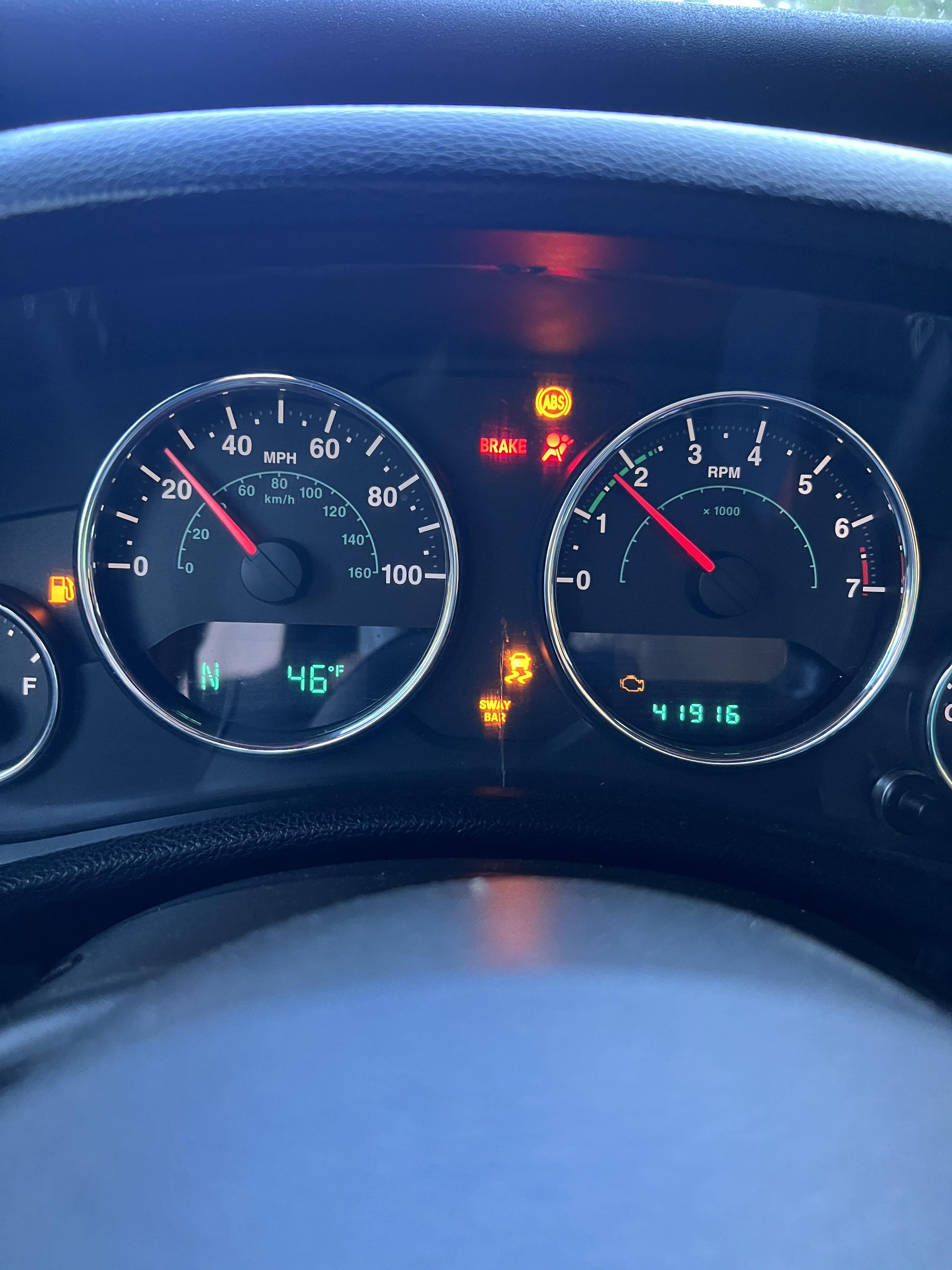
Cluster lights are the small icons that appear on your instrument panel or dashboard. They alert you about problems or important information. For example, you may see a check engine light, battery warning, or ABS indicator. Each light has a specific meaning.
Many drivers ignore these lights or feel confused by them. In fact, ignoring warning lights can be dangerous and cause bigger issues. Resetting them is safe only after fixing the root cause. For example, if you see the oil pressure light, check and fill the oil before resetting.
Here are some common cluster lights on a Jeep Compass:
- Check Engine Light
- Oil Pressure Warning
- Battery Alert
- ABS Warning
- Airbag Indicator
- Tire Pressure Monitoring System (TPMS)
- Brake Warning
- Traction Control
Not all lights mean something serious. Some turn on after battery changes or maintenance. Others may glow due to sensor errors.
Reasons Cluster Lights Stay On
Cluster lights can stay on for different reasons:
- Unresolved Issues: If you didn’t fix the problem, the light will stay on.
- Sensor Malfunction: Faulty sensors can make the light appear even after repairs.
- Electrical Glitches: Sometimes, the system needs a reset because of minor glitches.
- Battery Change: When you change the battery, some lights may turn on due to lost memory.
- Loose Connections: Poor wiring or loose connectors can cause warning lights.
Knowing the cause helps you decide whether a reset is safe.
Example: Abs Light
If your ABS light stays on, it could be:
- A damaged sensor
- Low brake fluid
- An electrical issue
You must fix the problem first, then perform a reset.
How To Reset All Cluster Lights On Jeep Compass
Resetting the cluster lights involves several steps. Follow them carefully to avoid damage.
You don’t need expensive tools for basic resets.
Step 1: Fix The Underlying Problem
Never reset warning lights without fixing the root issue. For example:
- If you see check engine, scan for error codes and fix them.
- For TPMS, check tire pressure and repair leaks.
Resetting without repairs can hide serious problems.
Step 2: Battery Disconnect Reset
This method is simple and works for many cluster lights.
- Turn off your Jeep Compass and remove the key.
- Open the hood and locate the battery.
- Use a wrench to disconnect the negative (-) battery cable.
- Wait for 15–20 minutes. This lets the system fully drain.
- Reconnect the cable and tighten it securely.
- Start the car and check the dashboard.
Many lights should be gone. If some remain, the issue may be unresolved.
Tips For Battery Disconnect
- Always remove the negative cable first for safety.
- Wait at least 15 minutes to clear memory.
- Make sure the battery is healthy before reconnecting.
Step 3: Obd-ii Scanner Reset
An OBD-II scanner is a tool that connects to your car and reads/reset error codes.
- Plug the scanner into the OBD-II port (usually under the dashboard).
- Turn the ignition to “On” (do not start the engine).
- Follow the scanner’s instructions to read and clear codes.
- Restart your car.
This clears many cluster lights, especially check engine and ABS.
Example: Obd-ii Scanner Usage
If you use a basic scanner:
- Plug it in, press “Read Codes,” note any issues.
- Fix the issues.
- Press “Clear Codes” to reset the lights.
Some Jeep Compass models have a manual reset feature.
- Turn the ignition to “On.”
- Press and hold the trip reset button on the dashboard.
- Hold for 10–15 seconds.
- Release and check if the lights reset.
This works for minor warnings like maintenance reminders.
Step 5: Fuse Check And Reset
If the cluster lights remain, check the dashboard fuse.
- Locate the fuse box under the hood or dashboard.
- Find the fuse labeled “Cluster” or “Instrument Panel.”
- Remove it for 5–10 minutes.
- Reinstall the fuse and check the dashboard.
A blown fuse can cause warning lights to stay on.
Step 6: Professional Reset
If all steps fail, visit a certified Jeep dealer. They use advanced tools and software for a full reset.
Data Table: Common Cluster Light Reset Methods
| Reset Method | Requires Tools? | Effective For | Difficulty |
|---|---|---|---|
| Battery Disconnect | No | Most warning lights | Easy |
| OBD-II Scanner | Yes | Engine, ABS, TPMS | Moderate |
| Manual Button Reset | No | Maintenance reminders | Easy |
| Fuse Reset | No | Electrical glitches | Moderate |
| Professional Reset | Yes | All lights | Hard |
Comparing Jeep Compass Cluster Reset Vs Other Suvs
Resetting cluster lights is not the same for every vehicle. Jeep Compass is easier than some models, but harder than others.
| Vehicle Model | Reset Difficulty | Common Tools Needed | Average Time |
|---|---|---|---|
| Jeep Compass | Medium | OBD-II scanner, wrench | 20–30 min |
| Honda CR-V | Easy | None | 10–15 min |
| Toyota RAV4 | Medium | OBD-II scanner | 25–35 min |
| Ford Escape | Hard | Dealer tools | 40–60 min |
Common Mistakes When Resetting Cluster Lights
Many Jeep owners make mistakes when resetting cluster lights. Avoid these errors to save time and money.
- Resetting Without Fixing Issues: Always repair the problem before resetting.
- Wrong Battery Cable: Disconnecting the positive cable first can cause sparks.
- Skipping Wait Time: Not waiting long enough after disconnecting the battery can leave some lights on.
- Using Cheap Scanners: Low-quality OBD-II scanners may not clear all codes.
- Ignoring Fuses: Sometimes the problem is a blown fuse, not a sensor.
- Not Checking for Updates: Software updates from Jeep can fix cluster issues.
Example: Tpms Reset Error
If you reset the TPMS light without fixing tire pressure, it will come back. Always check tires before resetting.
Practical Tips For Jeep Compass Owners
Resetting cluster lights is easy if you follow these tips:
- Keep an OBD-II scanner in your car for emergencies.
- Learn your Jeep Compass’s fuse layout. Use the manual for guidance.
- After any reset, drive for a few miles to check if lights return.
- Update your car’s software at the dealer once a year.
- If you see unusual lights after a reset, check for recalls or software bugs.
Data Table: Cluster Light Meanings
| Cluster Light | Meaning | Action Needed |
|---|---|---|
| Check Engine | Engine or sensor issue | Scan codes, fix issue |
| Oil Pressure | Low oil or pump failure | Check oil, inspect pump |
| Battery Alert | Charging system issue | Check battery, alternator |
| ABS Warning | Brake system problem | Check sensors, fluid |
| TPMS | Tire pressure low | Inflate tires |
Advanced Reset: Software Update Method
Jeep sometimes releases software updates that fix cluster light bugs. These updates are not always automatic.
- Visit a Jeep dealer.
- Request a software update for your Compass.
- Dealers use special computers to update the dashboard system.
- After updating, many cluster lights may disappear.
This method solves rare bugs or glitches that basic resets cannot fix.
Non-obvious Insights For Beginners
Most guides miss these key ideas:
- Battery Age Matters: If your battery is older than 4 years, it can cause random warning lights. Replace it before resetting.
- Cluster Light History: Some Jeep Compass models store warning light history. Even after a reset, past errors may return if the issue repeats.
- Weather Impact: Extreme cold or heat can cause sensors to misread and trigger lights. If you live in harsh climates, cluster lights may appear more often.
When To Seek Professional Help
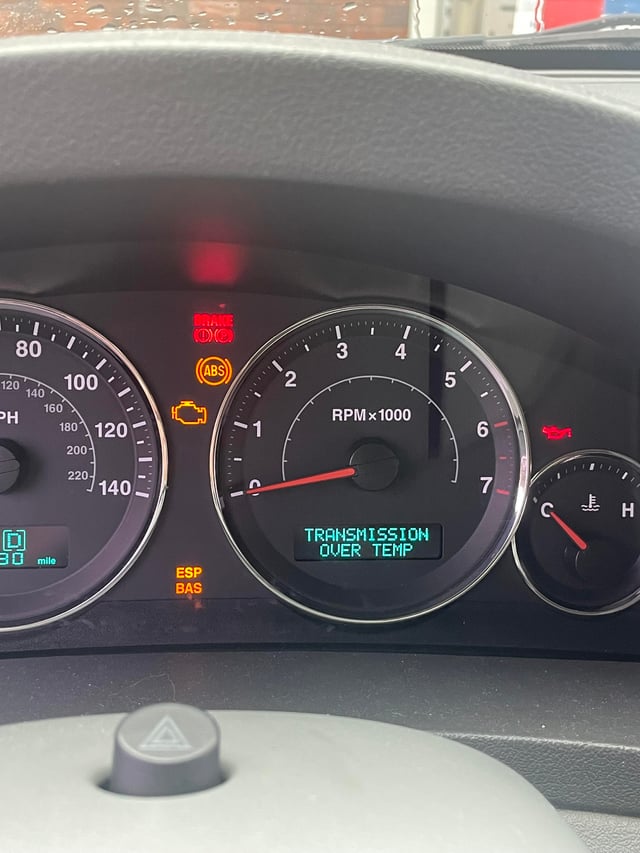
Resetting cluster lights is safe for minor issues. But if you see:
- Multiple warning lights at once
- Lights that come back after each reset
- Strange noises or smells
Visit a certified mechanic. These symptoms may signal deeper electrical or mechanical problems.
Cost And Time Estimates
Resetting cluster lights yourself is affordable. Here’s what to expect:
- Battery disconnect: Free, takes 20–30 minutes
- OBD-II scanner: $30–$80 for a basic model, 10–20 minutes
- Dealer reset: $80–$150, 30–60 minutes
Most drivers can solve issues at home, but advanced problems require dealer tools.
Reliable Resources
If you need more details, check the official Jeep support page. It covers cluster light meanings and troubleshooting. For advanced diagnostics, visit Jeep Owner’s Manual.
Frequently Asked Questions
What Causes Cluster Lights To Stay On After Repairs?
Cluster lights can stay on due to faulty sensors, electrical glitches, or unresolved issues. Sometimes, the system needs a manual reset or software update.
Can I Reset Cluster Lights Without An Obd-ii Scanner?
Yes, you can use the battery disconnect or manual button reset methods for many warnings. An OBD-II scanner is best for complex issues like the check engine light.
How Long Should I Wait After Disconnecting The Battery?
Wait at least 15–20 minutes to allow the system to drain fully. This helps clear memory and resets most warning lights.
Is It Safe To Drive With Cluster Lights On?
It depends on the light. Some, like TPMS or maintenance reminders, are not urgent. Others, like brake warning or engine warning, mean you should stop and fix the issue before driving.
What Is The Cost Of Resetting Cluster Lights At A Dealer?
Dealers charge $80–$150 for a full reset. This includes diagnostics and software updates. Home methods are cheaper but may not fix advanced problems.
Resetting all the cluster lights on your Jeep Compass is simple if you follow the steps and avoid common mistakes. Always fix the root cause before resetting.
Use the battery disconnect, OBD-II scanner, or manual reset for basic warnings. For advanced issues, visit a Jeep dealer.
With careful attention, you can keep your dashboard clear and drive safely.




















