If the ABS light on your 2000 Jeep Grand Cherokee has turned on, you’re probably wondering what to do next. This warning light isn’t just a simple notification, it signals a problem with your vehicle’s anti-lock braking system, which affects your safety on the road.
But don’t worry, you don’t always need a mechanic or expensive tools to fix it. In this guide, you’ll learn easy and effective ways to reset the ABS light yourself.
By following these steps, you can save time, avoid stress, and get back to driving with confidence.
Keep reading, because understanding how to reset the ABS light could be the key to keeping your Jeep running smoothly.
Abs Light Causes
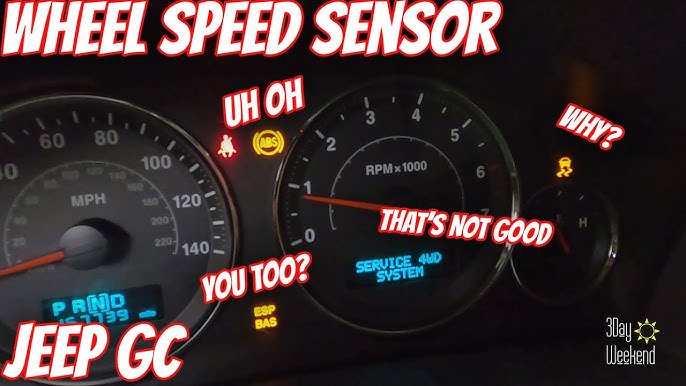
The ABS light on a 2000 Jeep Grand Cherokee signals a problem in the anti-lock braking system. This light turns on to warn drivers about safety issues.
Understanding the common causes helps to identify and fix the problem quickly. The causes range from sensor faults to brake system failures.
Common Faults In 2000 Jeep Grand Cherokee
Many ABS light issues in this Jeep model come from worn parts or electrical faults. Age and road conditions can cause these faults.
Routine checks can spot some problems early. Ignoring the ABS light can lead to more serious brake issues.
Wheel Speed Sensor Issues
Wheel speed sensors detect each wheel’s speed for the ABS system. Dirt, damage, or sensor failure can trigger the ABS light.
Faulty sensors send wrong signals to the computer. Cleaning or replacing sensors often clears the light and restores function.
Brake System Problems
Brake fluid leaks or worn brake pads can cause the ABS light to come on. Problems with the brake master cylinder or ABS pump also affect system performance.
These issues reduce braking efficiency and require immediate attention for safety.
Electrical And Wiring Faults
Damaged wiring or poor electrical connections disrupt ABS signals. Corrosion or loose connectors may cause intermittent ABS light warnings.
Repairing or replacing faulty wiring restores communication between sensors and the ABS control module.
Tools Needed
Resetting the ABS light on a 2000 Jeep Grand Cherokee requires some essential tools. These tools help diagnose the problem and clear the warning light safely.
Having the right equipment makes the task easier and more efficient. This section covers the basic tools you need for the job.
Scan Tools And Code Readers
Scan tools and code readers read the ABS system codes. They identify the exact problem causing the ABS light.
A code reader plugs into the vehicle’s OBD-II port. It shows error codes that help in diagnosis.
Some scan tools can also clear the ABS light after fixing the issue. These tools are important for a proper reset and accurate troubleshooting.
Basic Hand Tools
Basic hand tools include screwdrivers, wrenches, and pliers. These help remove panels or parts to access the ABS sensors.
You may need a socket set for bolts around the wheel or brake area. A flashlight can help see small parts in tight spaces.
Having these tools ready makes the repair process smoother and faster.
Safety Equipment
Safety equipment is important during any vehicle repair. Gloves protect your hands from sharp parts and dirt.
Safety glasses shield your eyes from debris. Make sure the vehicle is parked on a flat surface and the parking brake is engaged.
Proper safety gear keeps you safe throughout the ABS light reset process.
Diagnosing Abs Light
The ABS light on a 2000 Jeep Grand Cherokee signals a problem with the anti-lock braking system. Diagnosing the ABS light helps find the exact cause.
This step is necessary before attempting any reset. It ensures safety and proper brake function.
Follow these simple methods to diagnose the ABS light accurately.
Reading Abs Codes
Start by reading the ABS trouble codes stored in the vehicle’s computer. Use an OBD-II scanner with ABS capability or a Jeep-specific scan tool.
These codes give clues about the faulty system part. Connect the scanner to the diagnostic port under the dashboard.
Turn the ignition to the ON position without starting the engine. Follow the scanner instructions to retrieve the codes.
Write down the codes for reference during repairs.
Visual Inspection Of Components
Check the ABS system parts for visible damage or wear. Look at the wiring harnesses for cuts, frays, or loose connections.
Inspect the ABS module for cracks or corrosion. Examine the brake lines and calipers for leaks.
Look at the wheel hubs and bearings for dirt or rust. Any visible issue might cause the ABS light to activate.
Fix or replace damaged parts before further testing.
Testing Wheel Speed Sensors
Wheel speed sensors are common causes of ABS light problems. Each wheel has a sensor that sends data to the ABS module.
Use a multimeter to test the sensors’ electrical resistance. Disconnect the sensor connector and measure across the terminals.
Compare the reading with the manufacturer’s specifications. Clean the sensor and the tone ring from dirt and debris.
Replace the sensor if it shows no or erratic signals. Proper sensor function is important to ABS operation.
Resetting Abs Light Without Scanner
The ABS light on your 2000 Jeep Grand Cherokee signals a problem in the braking system. Sometimes, you can reset this warning light without a scanner.
This saves time and money. Simple methods can clear the ABS light and help you check if the issue is fixed.
These methods use basic tools or actions anyone can perform. They reset the ABS system by cutting power or resetting electrical components.
Follow the steps carefully to avoid causing more problems.
Battery Disconnect Method
Start by turning off your Jeep. Open the hood and locate the battery.
Use a wrench to disconnect the negative battery cable. Wait for about 15 minutes to let the system reset fully.
Reconnect the negative cable securely. Close the hood and start the vehicle.
The ABS light should turn off if the fault is cleared.
Steering Wheel Turn Procedure
Turn the ignition key to the “on” position without starting the engine. Turn the steering wheel fully to the left.
Hold it in that position for 10 seconds. Then turn the wheel fully to the right and hold for 10 seconds.
Turn the steering wheel back to the center. Switch off the ignition and start the Jeep. Check if the ABS light has reset.
Fuse Removal Technique
Locate the fuse box inside your Jeep, usually under the dashboard. Find the ABS fuse by checking the fuse box cover or owner’s manual.
Carefully remove the ABS fuse using fuse pullers or pliers. Wait for about 10 minutes to allow the system to reset.
Reinsert the fuse back into its slot. Turn on your Jeep and see if the ABS light is off.
Resetting Abs Light With Scanner
Resetting the ABS light on a 2000 Jeep Grand Cherokee can be done effectively with a scanner. This method helps pinpoint the issue and clears the warning light.
Using a diagnostic tool is a reliable way to handle ABS problems. It saves time and avoids unnecessary repairs.
Below are the key steps to reset the ABS light using a scanner.
Connecting A Diagnostic Tool
Start by locating the OBD-II port under the dashboard. Plug the diagnostic scanner into this port firmly.
Turn the ignition to the “On” position without starting the engine. The scanner will power up and communicate with your vehicle’s computer.
Wait for the scanner to establish a connection with the ABS system.
Locating And Clearing Abs Codes
Navigate the scanner menu to find the ABS section. Select “Read Codes” to view stored fault codes.
These codes help identify the ABS system problem. Write down the codes for future reference.
Choose the option to clear or erase the ABS codes. This action resets the ABS light on your dashboard.
Verifying Reset Success
Turn off the ignition and then start the vehicle again. Check if the ABS light stays off.
If the light remains off, the reset was successful. If it comes back on, further diagnosis is needed.
The scanner can be used again to check for new or persistent codes. Proper verification ensures your ABS system is working safely.
Fixing Common Abs Issues
The ABS light on a 2000 Jeep Grand Cherokee signals issues in the anti-lock braking system. Fixing common ABS problems helps restore safe braking performance.
Some faults are easy to repair, allowing you to reset the ABS light and drive with confidence again.
This section covers typical ABS faults and how to fix them. Understanding these fixes can save time and money on repairs.
Replacing Faulty Wheel Speed Sensors
Wheel speed sensors send data to the ABS system. Dirt, damage, or wear can cause sensor failure.
A faulty sensor triggers the ABS light and affects braking.
Check each sensor for dirt or damage. Clean or replace any broken sensors.
Use a scanner to verify sensor signals. Proper sensor function clears ABS errors.
Repairing Wiring And Connectors
Damaged wiring or loose connectors disrupt ABS signals. Inspect wiring harnesses near wheels and the ABS module. Look for cracks, corrosion, or loose plugs.
Fix broken wires by soldering or replacing sections. Clean corroded connectors with electrical contact cleaner.
Secure all connections tightly to restore system communication.
Addressing Abs Pump And Module Problems
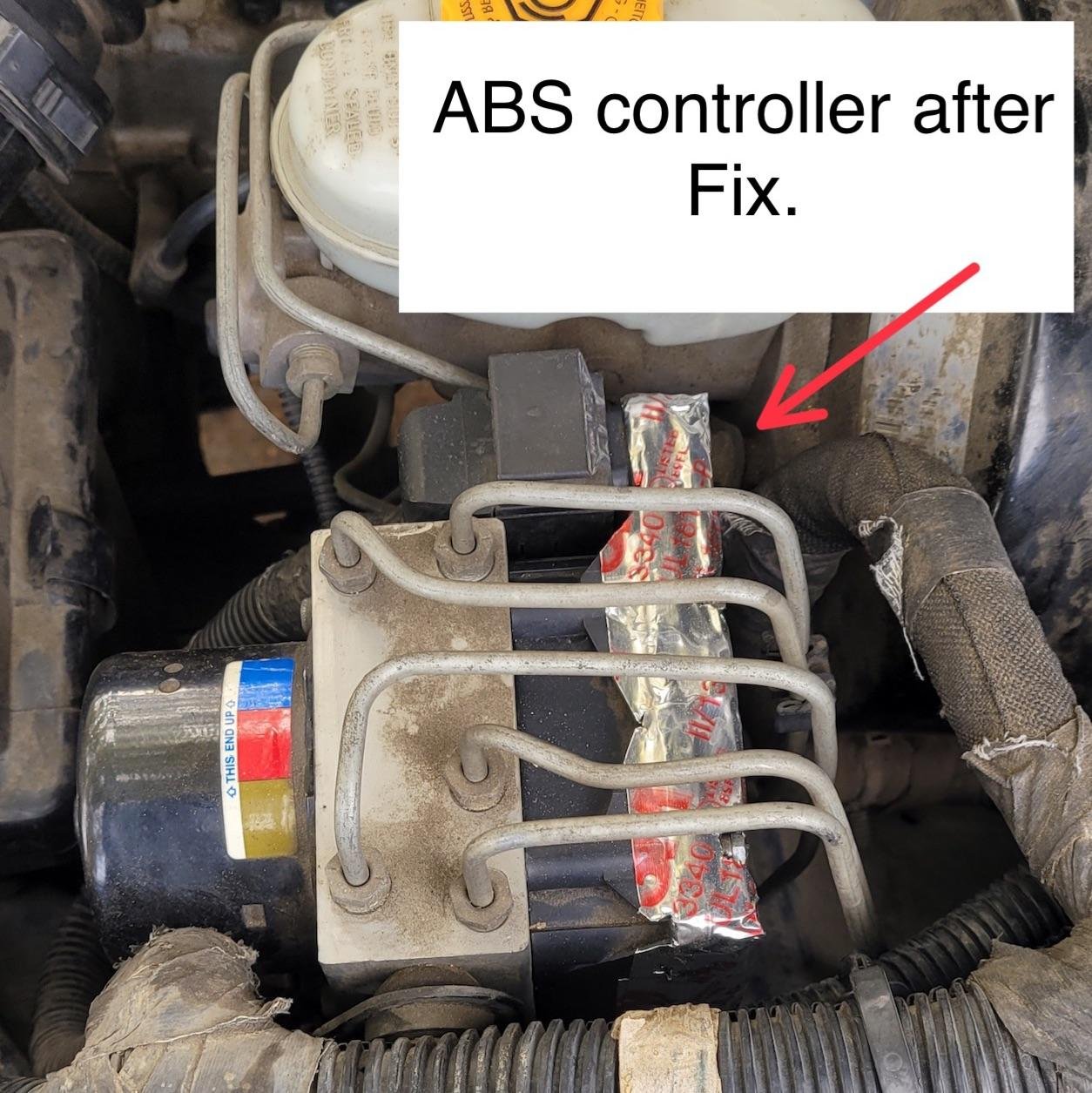
The ABS pump and control module manage brake pressure during ABS activation. Faults in these parts cause the ABS light to stay on.
Symptoms include unusual noises or poor brake response.
Test the pump motor and module with diagnostic tools. Replace any faulty components to regain ABS function.
Reset the ABS system after repairs to turn off the warning light.
Preventive Maintenance Tips
Preventive maintenance plays a key role in keeping the ABS light off on your 2000 Jeep Grand Cherokee. Taking simple steps can stop issues before they start.
Regular care helps the ABS system work properly and keeps your vehicle safe on the road.
Regular Brake System Checks
Check brake pads and rotors often for wear and damage. Worn parts can cause the ABS light to turn on.
Inspect brake fluid levels and top off if low. Replace old brake fluid as it can absorb moisture and reduce braking power.
Tight brake components prevent system errors and keep your Jeep stopping smoothly.
Keeping Sensors Clean
ABS sensors detect wheel speed and send signals to the system. Dirt, dust, or debris can block these sensors and cause false warnings.
Clean sensors gently with a soft brush or cloth. Avoid harsh chemicals that might damage sensor parts.
Clear sensors help the ABS system read data correctly and avoid light alerts.
Routine Diagnostic Scans
Use a diagnostic scanner to check for error codes in your ABS system. Scans reveal hidden problems before they affect driving.
Run scans regularly or during service visits. Clearing old codes after fixing issues resets the ABS light.
This simple step saves time and prevents unexpected light warnings.
How To Reset Abs Light On Jeep Grand Cherokee?
Turn the ignition on without starting the engine. Turn the steering wheel fully left, then fully right.
Turn off and restart the Jeep. The ABS light should reset if the issue is resolved.
Use a scan tool for persistent codes or sensor faults.
How Do You Manually Clear An Abs Light?
To manually clear an ABS light, turn the ignition on, turn the steering wheel fully left, then fully right. Turn off and restart the vehicle.
This resets the system if the issue is resolved. For persistent lights, use a diagnostic scanner to clear codes.
What Is The Most Common Cause Of The Abs Light To Come On?
The most common cause of the ABS light is a faulty or dirty wheel speed sensor. This sensor detects wheel rotation speed.
How To Clear Abs Code Without A Scanner?
To clear ABS codes without a scanner, turn the ignition on, steer fully left then right, turn off the car, and restart it. This may reset the ABS light if the issue is minor. For persistent codes, professional diagnosis is necessary.
Conclusion
Resetting the ABS light on a 2000 Jeep Grand Cherokee helps ensure safe driving. Always check the wheel speed sensors first.
Clear any trouble codes using a scan tool or manual steps. Fixing the root cause prevents the light from returning.
Keep your brakes in good condition for smoother rides. Simple steps can save time and money on repairs.
Stay alert to warning lights and act quickly. Your Jeep will thank you with better performance and safety.