If you drive a Jeep Wrangler, understanding how to release the parking brake is important. Whether you’re new to driving or experienced, there are times when the parking brake can be tricky.
You may face issues like the brake sticking, forgetting to release it, or needing a quick release in an emergency.
Taking a few minutes to learn the right way can help you avoid damage, improve safety, and keep your Jeep running smoothly.
What Is The Parking Brake?
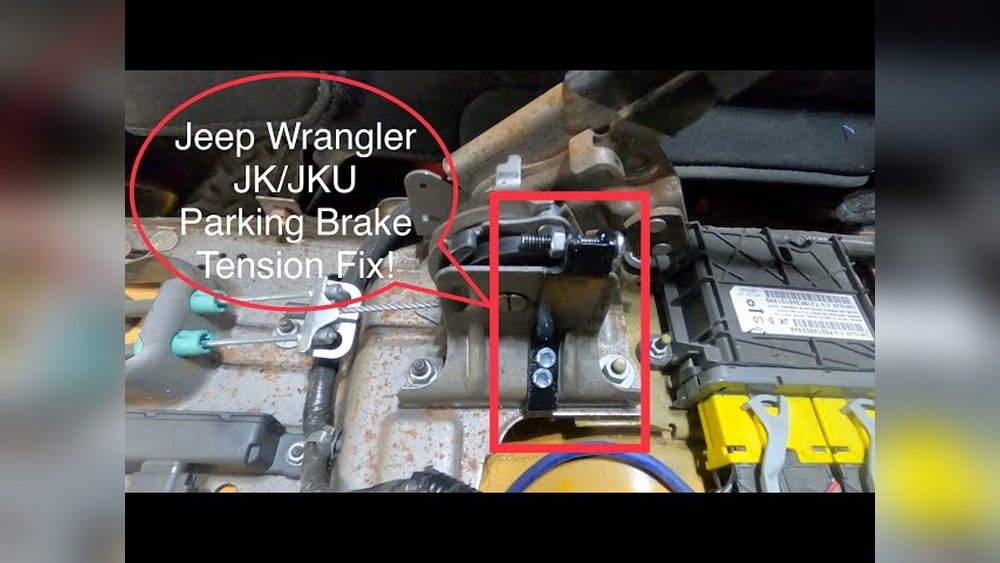
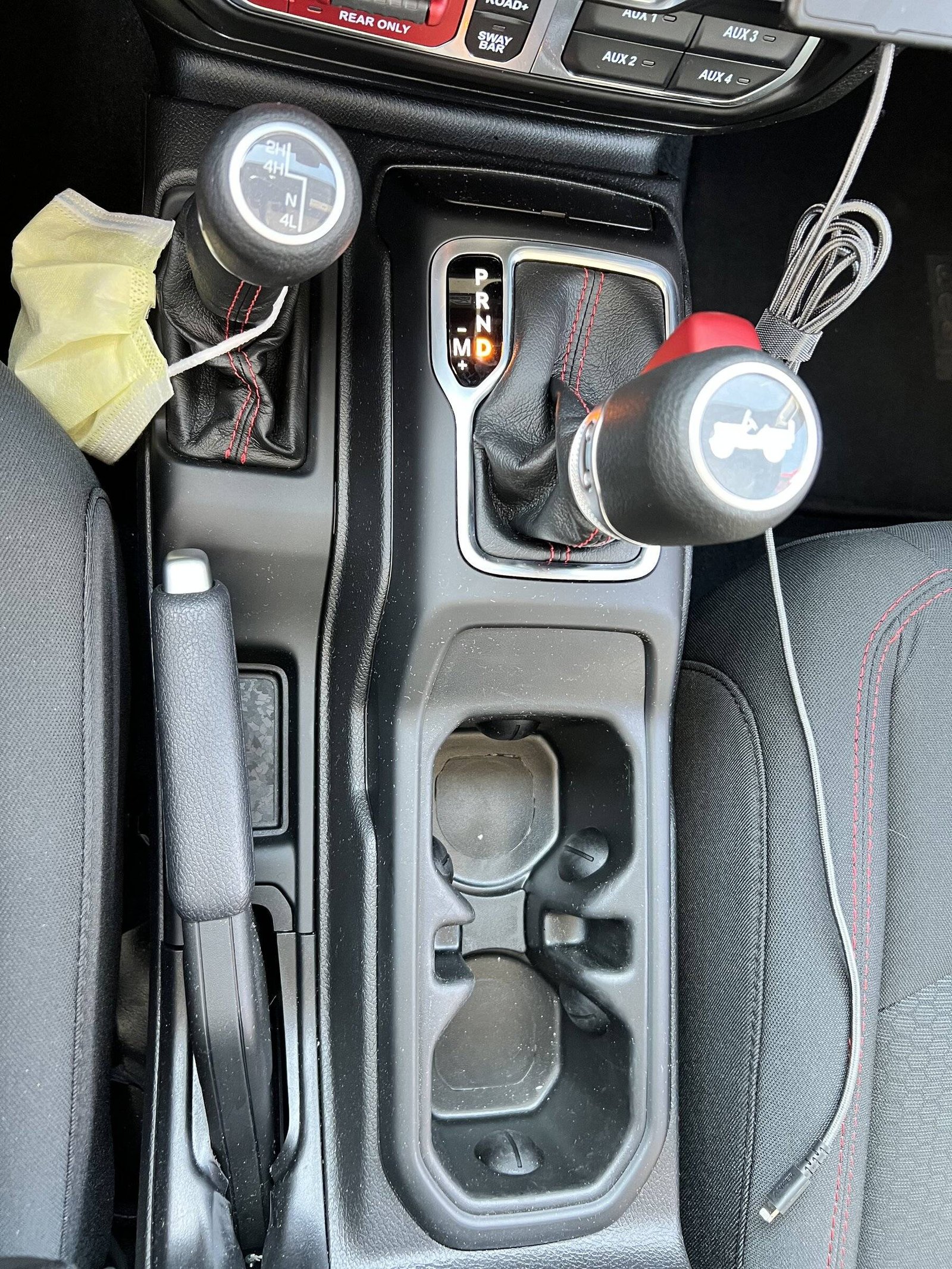
The parking brake is a safety feature used to keep your Jeep Wrangler from rolling when parked. It works by locking the rear wheels, separate from the main braking system. Most Jeep Wranglers have a hand-operated lever between the front seats, but some newer models use an electronic button. The parking brake is useful on slopes, during repairs, or when parking for a long time.
Releasing The Parking Brake: Step-by-step
For most Jeep Wranglers, the process is simple. Here’s how you do it:
1. Sit In The Driver’s Seat
Make sure your Jeep is in park if it’s automatic, or in neutral for manual transmission.
2. Press The Brake Pedal
Always press the regular brake pedal first. This prevents the vehicle from moving unexpectedly.
3. Locate The Parking Brake
On older and classic models, it’s a lever next to the gear shifter. On newer Wranglers, look for the electronic button marked with a “P”.
- Release the Brake
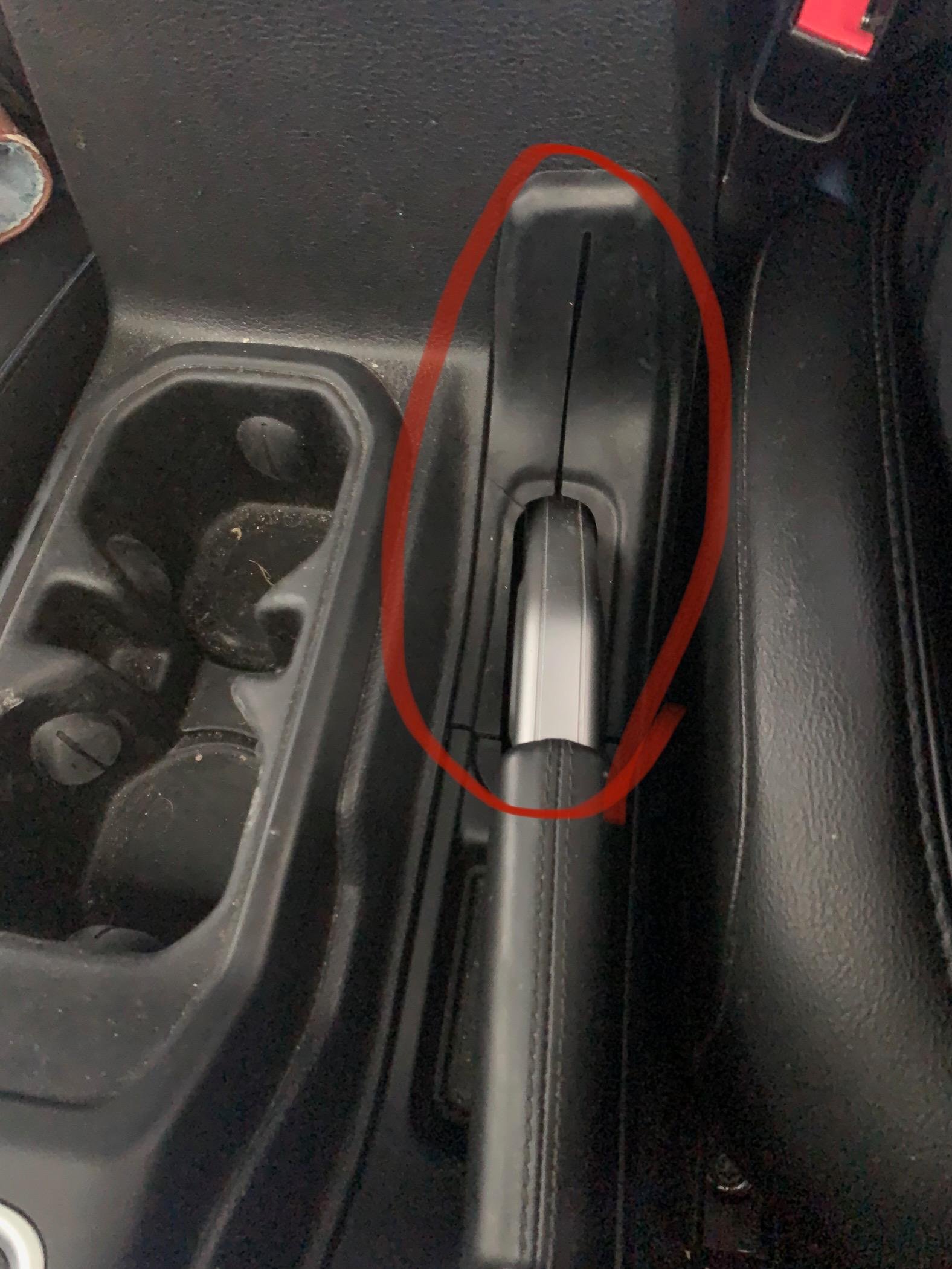
- For lever types: Pull up slightly, then press the button on the end and lower the lever.
- For electronic types: Press the brake pedal and push the button to release.
- Check the Indicator Light
The parking brake light on your dashboard should turn off when the brake is released.
6. Test Movement
Gently press the gas pedal to ensure the Jeep moves freely.
Common Mistakes To Avoid
- Forgetting to press the brake pedal before releasing.
- Not checking the indicator light.
- Using excessive force on the lever, which can damage the mechanism.
Parking Brake Types In Jeep Wrangler
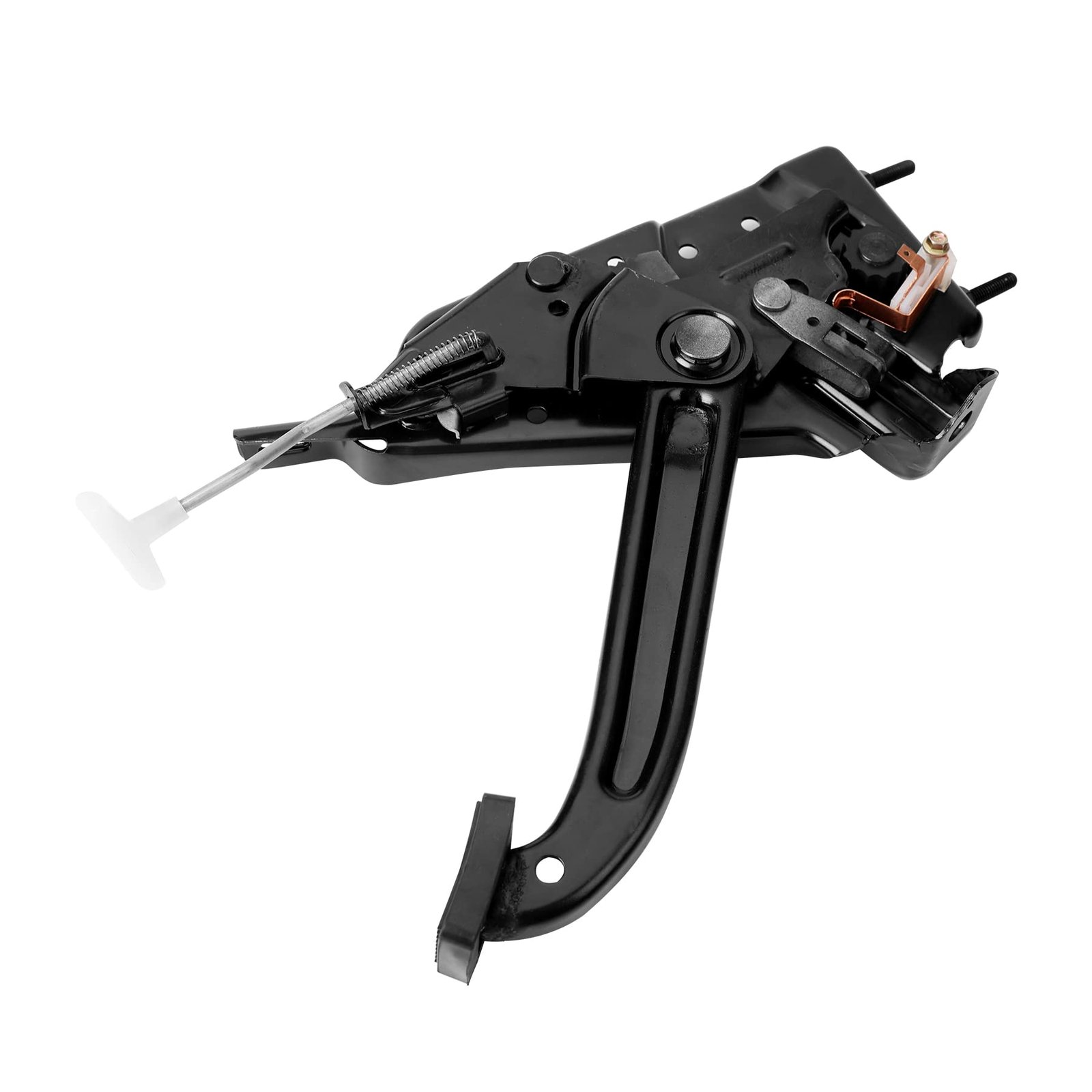
Jeep Wranglers have different parking brake systems. Here’s a quick comparison:
| Model Year | Parking Brake Type | Release Method |
|---|---|---|
| 1990–2017 | Manual Lever | Pull up, press button, lower lever |
| 2018–present | Electronic Button | Press brake pedal, push button |
Older models rely on a physical lever. Newer models offer easier, electronic control.
Troubleshooting Parking Brake Issues
Sometimes, the parking brake won’t release as expected. Here are tips for handling common issues:
1. Stuck Lever
If the lever feels jammed, try rocking it gently. Avoid forcing it.
2. Frozen Brake
In cold weather, moisture can freeze the brake cable. Warm up your Jeep or gently tap the brake lever.
3. Electronic Failure
If the electronic button won’t work, check for blown fuses or battery issues.
4. Cable Wear
Old cables can stretch or snap. Listen for unusual noises and check for resistance.
If you can’t release the brake, seek professional help. Trying to drive with the parking brake engaged can damage the brake system.
Manual Vs Electronic Parking Brake
How do the two systems compare? Here’s a look:
| Feature | Manual Lever | Electronic Button |
|---|---|---|
| Ease of Use | Requires physical effort | Just a button press |
| Reliability | Simple, fewer parts | Depends on electronics |
| Maintenance | Low, cable replacement | Higher, electronic parts |
| Common Issues | Cable wear, freezing | Button failure, fuse issues |
Manual levers are robust and cheap to fix. Electronic brakes are easier for most drivers but can be expensive to repair.
Safety Tips For Using The Parking Brake
- Always use the parking brake when parking on hills.
- Don’t drive with the parking brake engaged. It can cause the brakes to overheat.
- If your Jeep rolls after releasing the brake, inspect the system for damage.
- Test the parking brake regularly, especially before long trips.
- In winter, check for ice buildup around the brake mechanism.
Real-world Example
In 2022, a survey showed that 20% of Jeep owners had trouble releasing their parking brake at least once. Most issues happened in cold weather or after long periods without use. One owner reported that forcing the lever caused a cable snap, resulting in a $250 repair bill. Simple checks can prevent these costly mistakes.
Quick Reference Table: Parking Brake Release Steps
Here’s a summary you can refer to anytime:
| Step | Action |
|---|---|
| 1 | Press brake pedal |
| 2 | Locate lever/button |
| 3 | Release brake |
| 4 | Check indicator light |
| 5 | td>Test vehicle movement
Frequently Asked Questions
How Do I Know If My Parking Brake Is Released?
Check the parking brake light on your dashboard. When the brake is fully released, this light turns off. If it stays on, double-check the lever or button.
Can I Drive With The Parking Brake Partially Engaged?
No. Driving with the brake engaged can damage the brake pads and rotors. Always make sure it’s fully released before moving.
What Should I Do If The Parking Brake Is Stuck?
Try gently moving the lever or button. If it doesn’t work, check for signs of cable freezing or mechanical failure. If unsure, contact a mechanic or refer to the Jeep Official Site.
Is It Safe To Use The Parking Brake In Winter?
Yes, but check for ice buildup. In very cold weather, water can freeze the cable or mechanism, making release harder. Warm up your Jeep or use de-icing spray if needed.
How Often Should I Check The Parking Brake?
Inspect the parking brake every 3 months or before any long road trip. Look for wear, unusual sounds, or sticking parts.
Making sure you release the parking brake properly helps protect your Jeep Wrangler and keeps you safe. Practicing these steps and paying attention to signs of trouble will make your driving experience smoother.
If you ever feel unsure, don’t hesitate to ask for help or check your owner’s manual.
Safe driving!