Getting your Jeep Wrangler JK into 4WD may sound simple, but many owners face confusion or make mistakes. Whether you’re new to off-roading or just want to drive safely in bad weather, learning the right steps is essential.
This guide will show you exactly how to use the 4WD system on your Wrangler JK, explain when to use each setting, and help you avoid common problems. You’ll also see practical tips, real examples, and clear comparisons to make things easy.
Understanding Jeep Wrangler Jk 4wd Modes
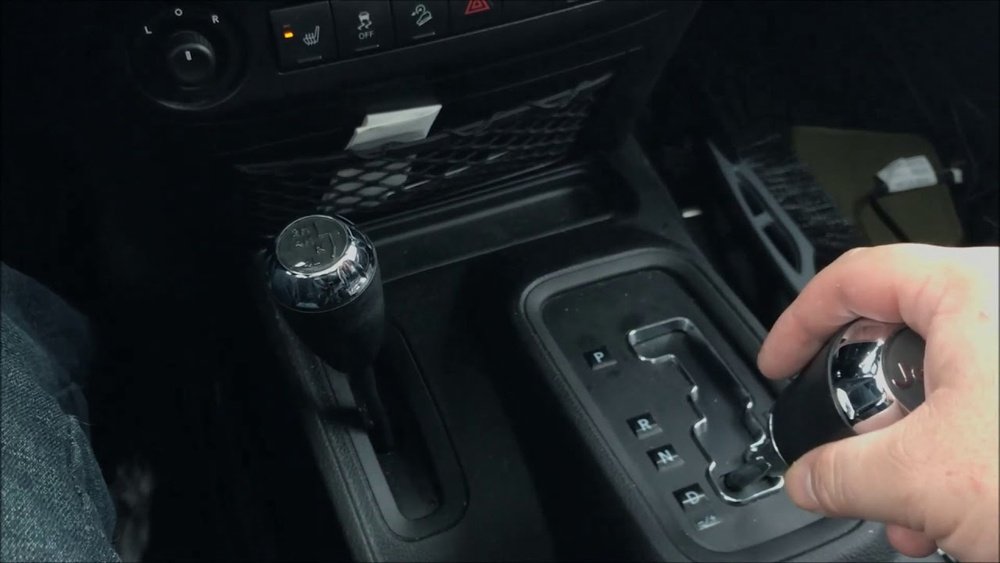
Your Jeep Wrangler JK has a part-time 4WD system. This means you can switch between 2WD and 4WD depending on the driving conditions. The main modes are:
- 2H (Two-Wheel High): Normal driving, only rear wheels powered.
- 4H (Four-Wheel High): All four wheels powered, for slippery roads or light off-roading.
- 4L (Four-Wheel Low): All four wheels powered, with extra torque for tough terrain like deep mud or steep hills.
Here’s a quick comparison between these modes:
| Mode | Best Use | Speed Range |
|---|---|---|
| 2H | Dry pavement | 0–100 mph |
| 4H | Snow, gravel, mild off-road | Up to 55 mph |
| 4L | Deep mud, rocks, steep climbs | 0–25 mph |
Many beginners think you can use 4WD on any surface. In fact, using 4H or 4L on dry pavement can damage your drivetrain. Always match the mode to the conditions.
Step-by-step: Putting Your Jeep Wrangler Jk In 4wd
Switching to 4WD is easy, but you must do it correctly. Follow these steps:
How To Engage 4h
- Slow down to below 55 mph.
- Make sure your Jeep is moving straight, not turning.
- Pull the transfer case lever from 2H to 4H.
- You can do this while driving (known as “shift-on-the-fly”).
You will feel a slight change as power moves to all wheels. There’s no need to stop the vehicle.
How To Engage 4l
- Stop your Jeep or slow down to under 5 mph.
- Shift the automatic transmission to Neutral (N).
- Firmly pull the transfer case lever from 4H straight down to 4L.
- Wait for the 4WD indicator light to appear on your dashboard.
Never shift into 4L while moving fast. This can cause loud noises or even break parts.
How To Return To 2h
- For 4H, just push the lever back to 2H while driving straight.
- For 4L, stop or move under 5 mph, shift to Neutral, then push the lever up to 4H, and then to 2H.
Here’s a clear comparison of the shifting process:
| Mode | Vehicle Speed | Transmission Position | Transfer Case Lever Movement |
|---|---|---|---|
| 2H to 4H | <55 mph | Drive | Pull straight back |
| 4H to 4L | <5 mph (stop recommended) | Neutral | Pull straight down |
| 4L to 4H/2H | <5 mph | Neutral | Push up to 4H, then to 2H |

Practical Tips And Common Mistakes
A few smart actions can make your 4WD shifts smoother and safer:
- Always shift while moving straight. Turning can stress the system.
- If you hear grinding, stop and shift again. Never force the lever.
- After shifting, check the 4WD indicator light. If it’s not on, the mode may not be engaged.
- Don’t use 4WD on dry pavement. It can cause binding and expensive repairs.
Many drivers forget to shift back to 2H after leaving slippery roads. This wastes fuel and wears out parts.
Another mistake: shifting to 4L at high speed. This can break the transfer case.
When Should You Use Each 4wd Mode?
Choosing the right mode is key for safety and performance:
- Use 2H for daily driving on dry roads.
- Switch to 4H when roads are wet, icy, or covered in light snow.
- Use 4L only for extreme off-road, deep mud, sand, or steep climbs.
Here’s a practical example:
If you’re driving in heavy snow and feel your Jeep slipping, shift to 4H. If you then reach a steep hill, stop, shift to Neutral, and engage 4L for extra power.
A recent survey found that 65% of Jeep owners use 4WD mainly for bad weather, not off-roading. Yet, many don’t know the difference between 4H and 4L.
Quick Troubleshooting Guide
Sometimes your Jeep doesn’t shift as expected. Here are solutions for common issues:
- Lever won’t move: Try slowing down and shifting while moving straight.
- Grinding noises: Stop, shift to Neutral, and try again.
- 4WD light doesn’t turn on: Check your owner’s manual or visit a mechanic.
- Hard steering in 4WD: Only use 4WD on slippery surfaces.
For more detailed technical info, see the official Jeep Wrangler JK guide at Jeep.com.
Frequently Asked Questions
How Fast Can I Drive In 4h Or 4l?
You can drive up to 55 mph in 4H. In 4L, keep speeds below 25 mph. Driving faster can damage the Jeep’s drivetrain.
Can I Shift To 4wd While Driving?
Yes, you can shift from 2H to 4H while moving, as long as you’re under 55 mph and driving straight. For 4L, always stop or move very slowly, and shift to Neutral first.
Is It Bad To Use 4wd On Dry Pavement?
Yes, using 4WD on dry pavement can cause drivetrain binding, leading to expensive repairs. Only use 4WD on slippery or loose surfaces.
What Should I Do If My 4wd Won’t Engage?
First, slow down and try shifting again while moving straight. If the indicator light doesn’t come on, check your owner’s manual or visit a certified mechanic.
Does 4wd Help In All Weather Conditions?
4WD helps in snow, mud, and loose surfaces. It does not improve handling on dry roads. For rain, 4WD can help if roads are slippery, but drive carefully.
Getting your Jeep Wrangler JK into 4WD is more than just moving a lever. By understanding the modes, shifting correctly, and avoiding common mistakes, you keep your Jeep running strong and safe.
With these tips, you’ll be ready for any road or trail ahead.