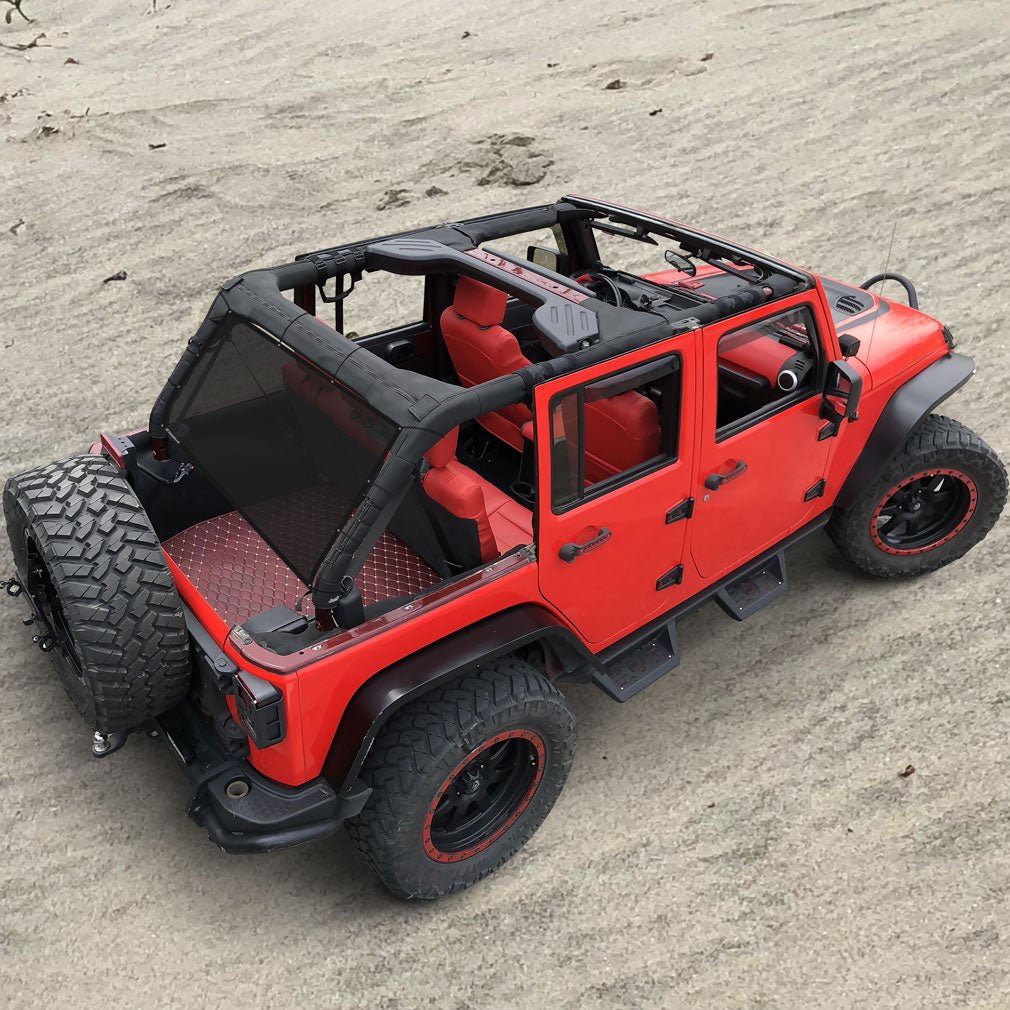
Putting the roof back on your Jeep is a practical skill every owner should master. Whether you have a Wrangler, Gladiator, or another Jeep model, reinstalling the roof is not just about comfort—it’s about protecting your vehicle and yourself from rain, wind, and sun.
Many drivers find the process tricky, especially if it’s their first time. This guide will help you understand how to put your Jeep roof back on safely, efficiently, and without damaging your vehicle.
You’ll learn about different roof types, tools you need, step-by-step instructions, and tips to make the process smoother.
Types Of Jeep Roofs
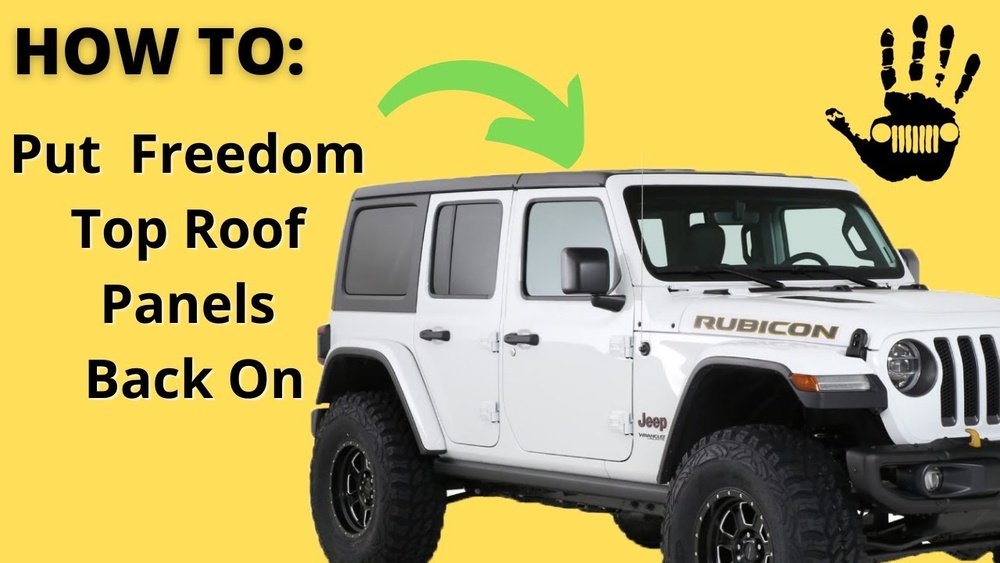
Jeep roofs come in several variations. The most common types are the hardtop and soft top. Some models offer removable panels, known as Freedom Panels. Understanding your roof type is the first step before starting.
| Roof Type | Material | Installation Difficulty |
|---|---|---|
| Hardtop | Fiberglass/Plastic | Medium |
| Soft Top | Fabric/Vinyl | Easy |
| Freedom Panels | Fiberglass | Easy |
Hardtops are heavier and often require two people. Soft tops are lighter, but may need careful alignment of fabric and zippers. Freedom Panels are small and straightforward to install.
Preparing For Roof Installation
Before you start, gather the right tools and clear your workspace. You’ll need:
- Torx screwdriver set (most Jeeps use Torx bolts)
- Safety gloves
- Step stool (for higher models)
- Helper (for hardtops)
- Clean towel (to protect paint)
Check your roof and mounting points for damage or dirt. Clean them to avoid scratches. Make sure all bolts and hardware are present. Missing parts will delay the process and could cause leaks.
Step-by-step: Reinstalling A Hardtop Roof
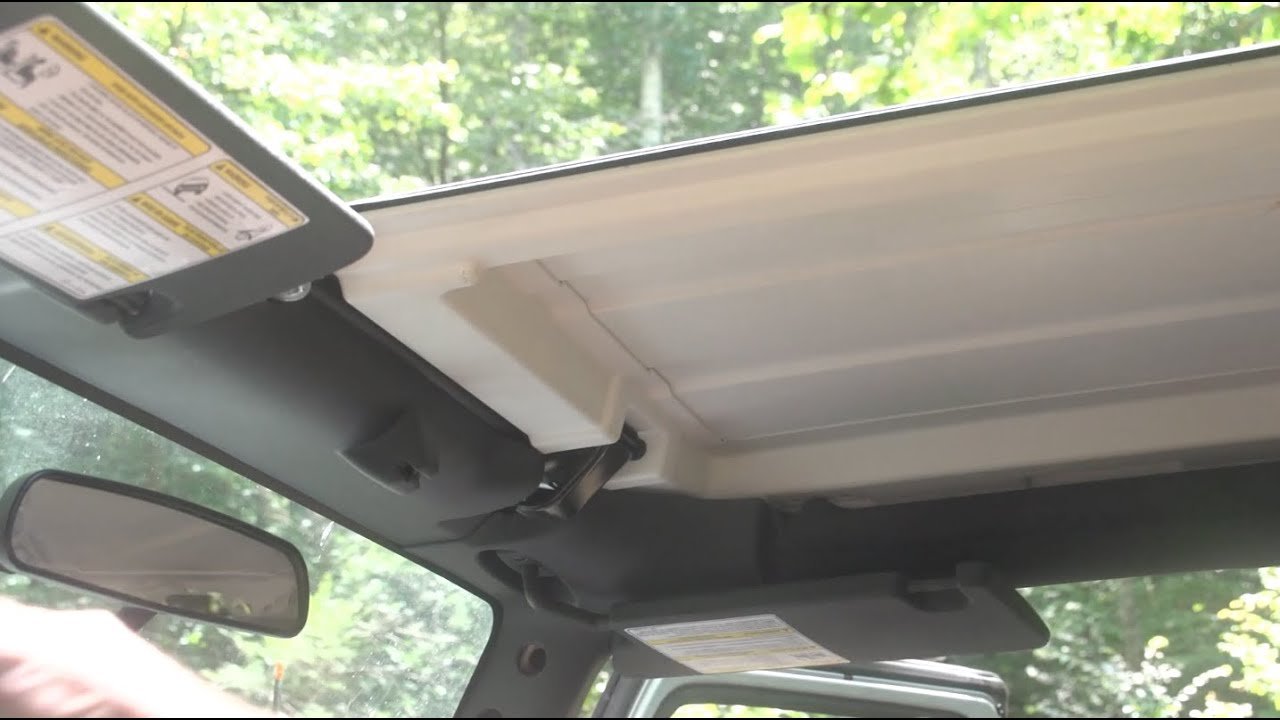
- Position the Roof: With a helper, lift the hardtop and line it up with the mounting points. Don’t rush—misalignment can cause cracks or leaks.
- Secure Front Latches: Clamp the front of the roof to the windshield frame. This provides stability.
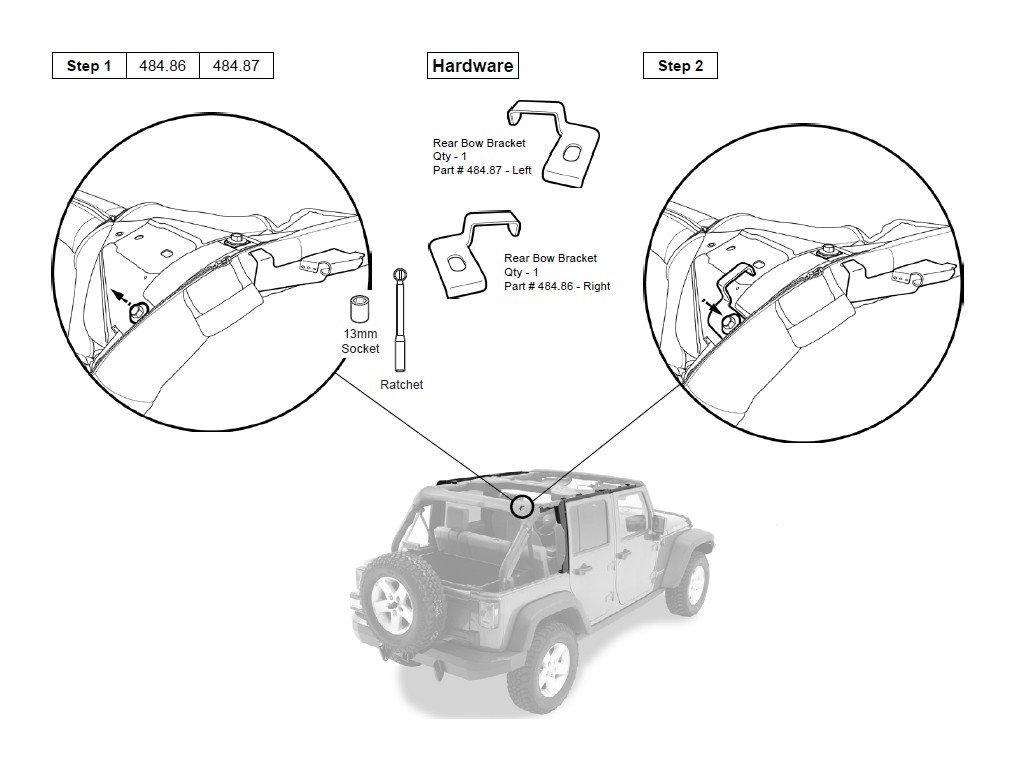
- Install Rear Bolts: Use your Torx screwdriver to insert and tighten the bolts in the rear corners. Don’t overtighten—this can damage the threads.
- Attach Side Bolts: Secure the side bolts. If your Jeep has Freedom Panels, install them last.
- Check Seals: Inspect the rubber seals for gaps. If you see daylight, adjust the roof.
- Reconnect Electrical Components: Some hardtops have defrost or wiper connections. Plug these in before finishing.
Many beginners miss the importance of tightening bolts evenly. Uneven torque can lead to leaks or squeaks. Always follow a cross-pattern when tightening.
Step-by-step: Reinstalling A Soft Top Roof
- Align the Frame: Place the soft top frame on the Jeep’s mounting points.
- Secure the Front: Attach the header to the windshield. Lock it in place.
- Extend the Fabric: Pull the fabric back and fit it over the rear corners.
- Clip the Sides: Attach side clips or zippers. Ensure they are fully closed.
- Check for Wrinkles: Smooth out fabric to avoid leaks.
- Test Latches: Open and close all latches. If they are loose, adjust the frame.
Soft tops can be tricky in cold weather. The fabric becomes stiff and harder to stretch.
Try installing on a warm day or use a hair dryer to soften the material.
Comparing Hardtop Vs Soft Top Installation
Here’s a quick comparison to highlight key differences:
| Aspect | Hardtop | Soft Top |
|---|---|---|
| Weight | Heavy (70–100 lbs) | Light (15–30 lbs) |
| People Needed | 2 | 1 |
| Time Required | 20–30 min | 15–20 min |
| Weather Protection | Excellent | Good |
Hardtops offer better security and insulation, but require more effort to install. Soft tops are easier but may let in more noise and moisture.
Common Mistakes To Avoid
- Skipping Seal Checks: Always inspect seals after installation. Even small gaps can cause water leaks.
- Losing Bolts: Keep all hardware in a labeled bag. Losing one bolt can make your roof unstable.
- Overtightening: Too much force can strip the threads or crack the roof.
- Ignoring Electrical Connections: Hardtop models often have extra wires. Forgetting these can disable rear wipers or defrost.
Many Jeep owners forget to check for alignment after installation. Misaligned roofs cause wind noise and water intrusion.
Tips For Easier Roof Installation
- Use a hoist: If you install the hardtop often, a garage hoist saves time and energy.
- Practice with a helper: The process is smoother with experience.
- Mark positions: Use painter’s tape to mark mounting points for quicker alignment.
- Lubricate seals: A bit of silicone spray keeps rubber seals flexible.
These tips are often overlooked but make the task safer and faster.
Frequently Asked Questions
How Often Should I Remove And Reinstall My Jeep Roof?
If you use your Jeep for off-roading or seasonal driving, you might remove the roof several times a year. Frequent installation won’t harm your Jeep if you follow proper steps.
Can I Install The Hardtop Alone?
It’s possible but not recommended. Hardtops weigh up to 100 pounds and are bulky.
Using a hoist or asking a friend is safer.
What Should I Do If My Roof Leaks After Installation?
Check the seals and bolts. Even one loose bolt or a twisted seal can cause leaks.
If the problem persists, inspect for damaged seals and consider replacing them.
Are Aftermarket Roofs Easier To Install?
Some aftermarket roofs claim easier installation, but quality varies. Always check reviews and compatibility with your Jeep model before buying. For reliable information, see Jeep Official Site.
Will Reinstalling The Roof Affect My Jeep’s Warranty?
As long as you use official parts and follow the manual, your warranty should remain intact. Improper installation or aftermarket modifications may void some coverage.
Putting your Jeep roof back on gets easier with practice. Taking time to follow each step and avoid common mistakes will keep your vehicle safe and comfortable.
Whether you prefer the solid protection of a hardtop or the flexibility of a soft top, knowing how to reinstall your roof correctly is an essential skill for every Jeep owner.