The 2017 Jeep Wrangler is a favorite among off-road lovers and adventure seekers. One reason for its popularity is the easy-to-use 4 wheel drive system. Knowing how to use this system correctly is important for safety and performance. If you’re new to Jeeps or off-roading, this guide will show you, step by step, how to put your 2017 Jeep Wrangler into 4 wheel drive. Understanding each step will help you drive confidently in tough conditions like snow, mud, or rocky trails.
Types Of 4 Wheel Drive Modes In 2017 Jeep Wrangler
Most 2017 Jeep Wranglers have a part-time 4WD system. This means you can switch between 2WD and 4WD as needed. Here are the main modes:
- 2H (Two High): Power goes to the rear wheels only. Best for dry pavement.
- 4H (Four High): Power goes to all four wheels. Use in snow, sand, or mud at normal speeds.
- N (Neutral): Disconnects the transmission from the wheels. Mainly for towing.
- 4L (Four Low): Power to all wheels with lower gearing. Use for slow, tough terrain like rocks or deep mud.
When To Use 4 Wheel Drive
Using the correct mode protects your Jeep and keeps you safe. Here’s when to use each:
- 2H: Normal roads, dry weather, daily driving.
- 4H: Wet, snowy, sandy, or gravel roads.
- 4L: Off-roading, steep hills, deep mud, or heavy towing at low speeds.
Trying to use 4WD on dry pavement can damage the drivetrain. Always match the mode to your driving conditions.
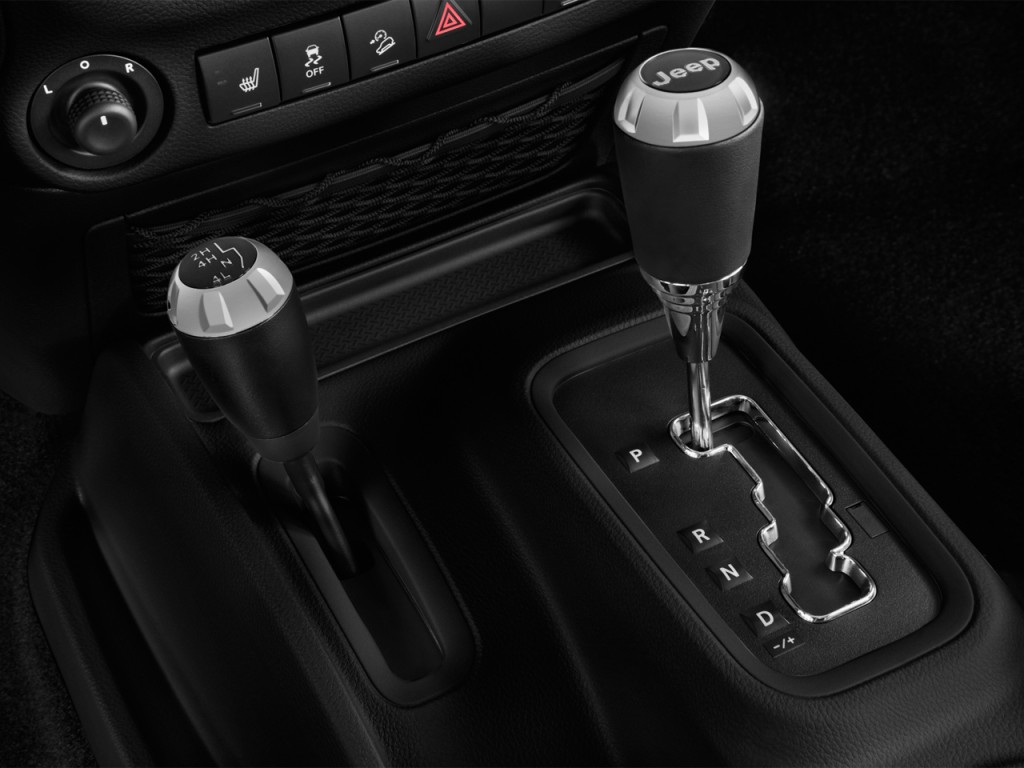
Steps To Put 2017 Jeep Wrangler In 4 Wheel Drive
Switching to 4WD is simple, but you should always follow the right steps to avoid damage.
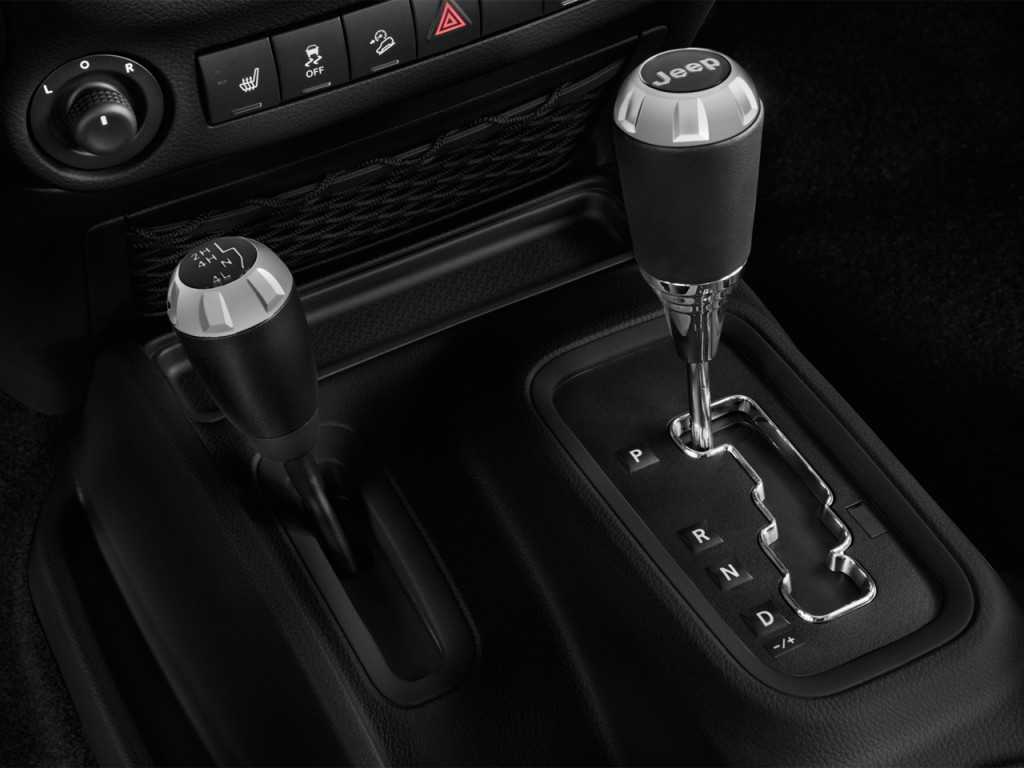
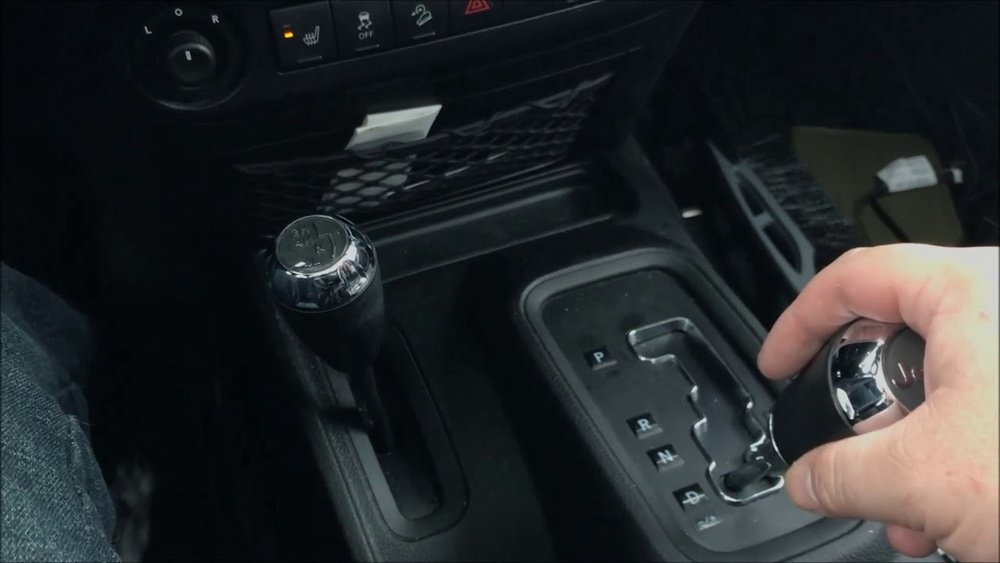
1. Identify Your Transfer Case Lever
Find the transfer case lever beside your main gear shift. It usually has markings: 2H, 4H, N, and 4L.
2. Shifting From 2h To 4h (on The Move)
Most of the time, you can shift from 2H to 4H while driving.
- Slow down to under 55 mph (88 km/h).
- Keep your Jeep moving straight.
- Firmly pull the transfer case lever from 2H to 4H.
- You may feel a slight clunk or change in handling.
Tip: If it’s stubborn, briefly take your foot off the gas to help it engage.
3. Shifting From 4h To 4l (stopped)
Moving to 4L is different. Only do this when stopped or rolling slowly (1-3 mph).
- Bring your Jeep to a complete stop or roll very slowly.
- Shift the automatic transmission to Neutral (N) or press the clutch if manual.
- Pull the transfer case lever from 4H to 4L in one smooth motion.
- Wait for the 4WD indicator on your dashboard.
Warning: Never try to shift into 4L at high speeds. It can damage the gears.
4. Going Back To 2h
After off-roading or rough conditions, return to 2H for daily driving.
- Slow down to under 55 mph.
- Move the transfer case lever from 4H to 2H while moving straight.
- For 4L to 2H, stop first, shift transmission to Neutral, then move the lever to 2H.
5. Checking The 4wd Indicator
The 4WD light on your dash tells you the system is engaged. If it blinks or stays off after shifting, try shifting again or check your owner’s manual.
Comparing 4h And 4l: What’s The Difference?
Here’s a quick comparison to help you choose the right mode:
| Mode | Speed Range | Best For | How To Shift |
|---|---|---|---|
| 4H | Up to 55 mph | Snow, sand, slippery roads | Shift on the move |
| 4L | 1-3 mph | Steep hills, rocks, deep mud | Shift while stopped or rolling slowly |
Common Mistakes And How To Avoid Them
Many new Jeep owners make the same errors when using 4WD. Avoid these for a smoother drive:
- Engaging 4WD on dry pavement can cause drivetrain binding.
- Shifting into 4L at high speeds can break the transfer case.
- Forgetting to return to 2H after off-roading can reduce fuel economy.
- Not waiting for the 4WD indicator to confirm engagement.
Expert tip: After using 4L, drive a short distance in reverse to fully disengage the system if it feels stuck.
Maintenance Tips For Your 4wd System
To keep your 4WD working well:
- Check the transfer case fluid every 30,000 miles.
- Listen for grinding noises or hard shifting—these signal problems.
- Use 4WD at least once a month to keep parts lubricated.
- Always follow your owner’s manual for service intervals.
Example: Engaging 4wd On A Snowy Day
Imagine you’re driving and hit a patch of snow:
- You’re in 2H on a dry road.
- Snow appears; slow down below 55 mph.
- Pull the transfer case lever into 4H.
- The 4WD light comes on.
- You drive safely through the snow, then shift back to 2H when the road clears.
4wd System Data Table
Here’s a look at some technical details for the 2017 Jeep Wrangler’s system:
| Feature | Detail |
|---|---|
| Transfer Case Model | NV241 Command-Trac |
| Low Range Ratio | 2.72:1 |
| Max 4H Speed | 55 mph |
| Engagement Method | Manual lever |

Off-road Capability Comparison
How Does The Jeep Compare To Other 4wd Vehicles?
| Vehicle | Ground Clearance (in.) | Approach Angle (°) | 4WD Type |
|---|---|---|---|
| 2017 Jeep Wrangler | 10.2 | 42.2 | Part-time |
| Toyota 4Runner | 9.6 | 33 | Full-time/Part-time |
| Ford F-150 FX4 | 9.4 | 25.5 | Part-time |
Frequently Asked Questions
How Do I Know If My 4wd Is Working?
Look for the 4WD indicator light on the dashboard. If it stays on after shifting, the system is engaged. If not, try shifting again or check for mechanical issues.
Can I Shift Into 4h While Driving?
Yes, you can shift into 4H at speeds below 55 mph. Make sure the wheels are straight and you are not accelerating hard.
What Happens If I Use 4wd On Dry Pavement?
Using 4WD on dry pavement can cause drivetrain binding and damage. Only use 4WD on slippery or loose surfaces.
How Often Should I Service My 4wd System?
Check the system every 30,000 miles or as recommended in your owner’s manual. Regular maintenance prevents expensive repairs.
Where Can I Find More Information About My Jeep’s 4wd System?
Visit the official Jeep Wrangler site for detailed guides and videos.
Getting comfortable with your 2017 Jeep Wrangler’s 4 wheel drive system takes a little practice, but it’s worth it. Whether you’re facing snow, mud, or rocky trails, knowing how and when to engage 4WD will keep you safe and help you enjoy your Jeep to the fullest. Always follow the right steps, avoid common mistakes, and your Wrangler will be ready for any adventure.