Keeping your car’s fuel injectors in top condition is essential for smooth engine performance and fuel efficiency. Many drivers overlook the importance of proper lubrication for fuel injectors, yet this simple maintenance task can prevent rough idling, misfires, and even expensive repairs.
If you want your vehicle to last longer and run better, learning how to lubricate fuel injectors is crucial. This guide will show you how to do it safely and effectively, even if you’re new to car maintenance.
Why Lubricate Fuel Injectors?
Fuel injectors deliver precise amounts of fuel to your engine. Over time, they can become clogged or sticky due to carbon deposits, dirt, or poor-quality fuel. Lubrication helps:
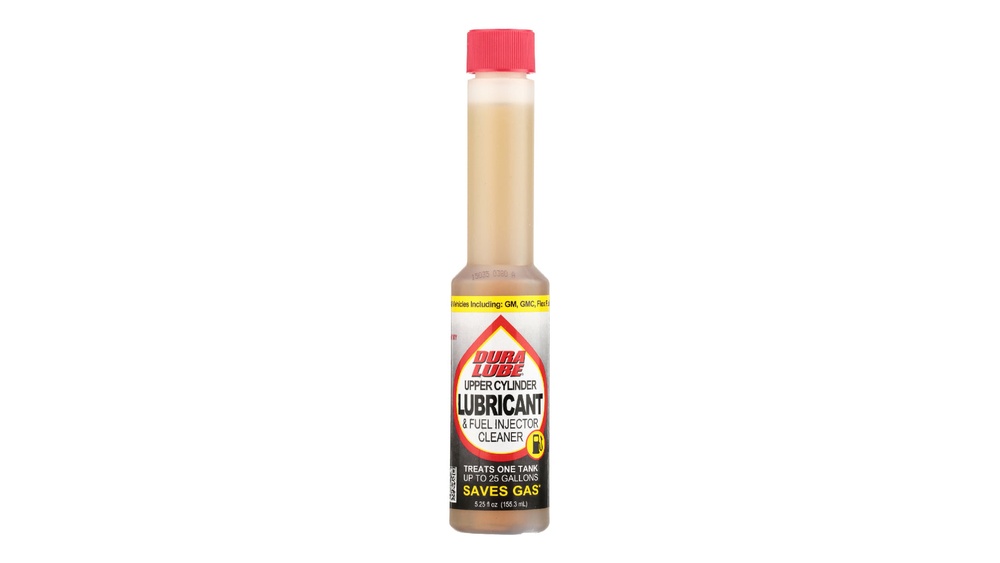
- Reduce friction inside the injector
- Prevent sticking or clogging
- Maintain accurate fuel spray
- Extend injector lifespan
A well-lubricated fuel injector improves engine performance and reduces emissions. According to the EPA, clean and properly lubricated injectors can increase fuel economy by up to 5%.
Essential Tools And Supplies
Before you start, gather these tools and products:
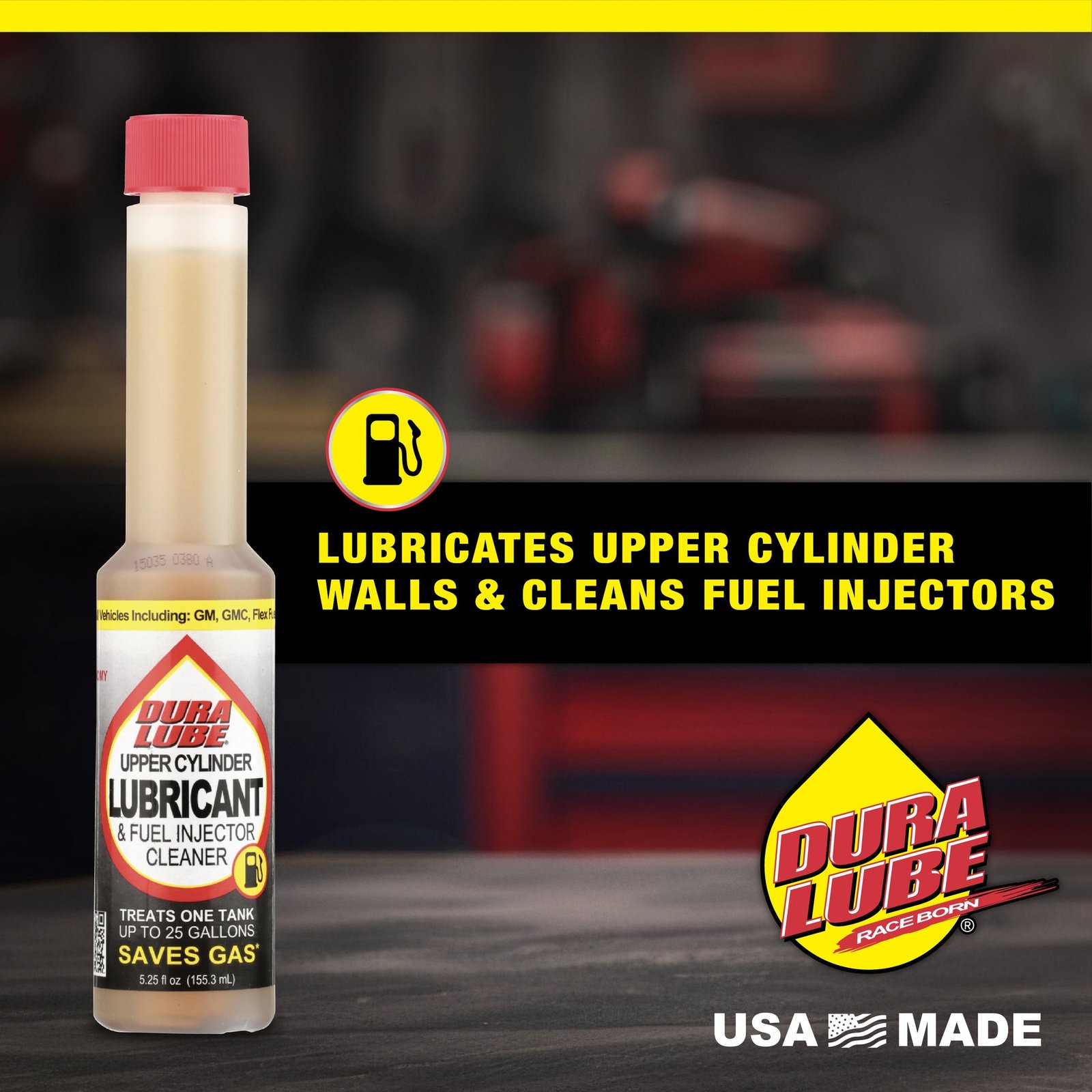
- Fuel injector cleaner or lubricant (check your vehicle’s manual for recommended brands)
- Protective gloves
- Safety goggles
- Funnel
- Clean rags
- Socket set (if removing injectors)
- Owner’s manual
Some cars require special lubricants. Always use products labeled as safe for your engine type (gasoline or diesel).
Step-by-step Lubrication Methods
There are two main ways to lubricate fuel injectors: in-tank additive and direct application. Most drivers use the first method, but direct application is better for severe cases or older cars.
| Method | Ease | Best For | Estimated Cost |
|---|---|---|---|
| In-tank Additive | Easy | Routine maintenance | $10–$25 |
| Direct Application | Moderate | Heavy deposits | $30–$60 |
In-tank Additive Method
- Choose a fuel injector lubricant: Select a product compatible with your car’s engine.
- Read instructions: Check the product label for dosing details.
- Add lubricant to fuel tank: Pour in the recommended amount when the tank is nearly empty.
- Refuel: Fill up with fresh gasoline or diesel.
- Drive as usual: The lubricant will clean and lubricate injectors as fuel passes through.
Tip: Use this method every 3,000–5,000 miles for best results. Many beginners miss the importance of adding lubricant when the tank is low, which ensures better mixing.
Direct Application Method
This method involves removing the injectors and applying lubricant directly. It’s more precise but requires mechanical skill.
- Disconnect battery: Prevent electrical accidents.
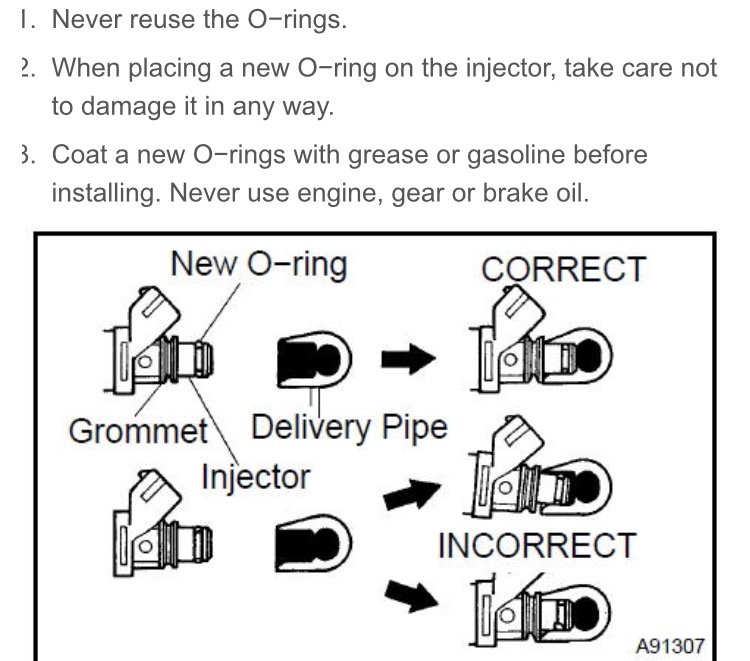
- Remove injectors: Follow your car’s manual for safe removal.
- Clean injectors: Use a specialized cleaner and soft brush.
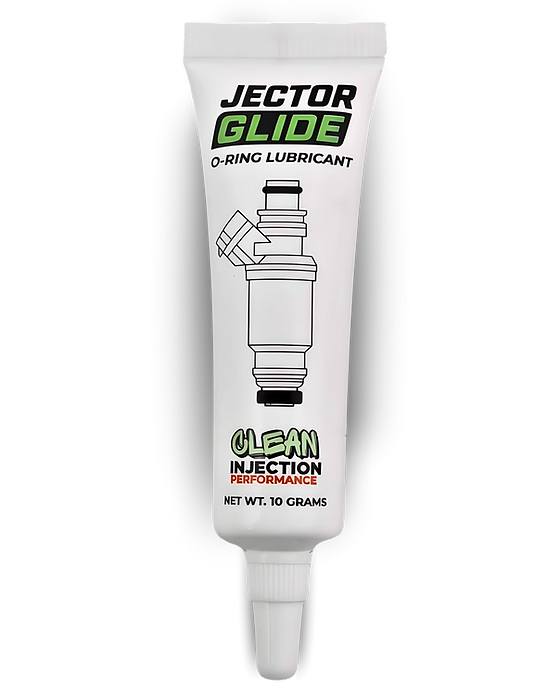
- Apply lubricant: Use a syringe or applicator to coat moving parts.
- Reinstall injectors: Secure and reconnect everything.
- Test engine: Start your car and check for smooth operation.
Common mistake: Not cleaning injectors before lubrication. Dirty injectors can trap debris, reducing the effectiveness of the lubricant.
Signs Your Injectors Need Lubrication
If you notice any of these symptoms, your fuel injectors may need lubrication:
- Rough idling
- Reduced power
- Poor fuel economy
- Engine misfires
- Check engine light
Modern engines are sensitive, and even small issues with injectors can cause noticeable symptoms. An overlooked insight: some cars with direct injection need lubrication more often due to higher operating temperatures.
Choosing The Right Lubricant
Not all lubricants are equal. Here’s a quick comparison of common types:
| Lubricant Type | Compatibility | Effectiveness | Price Range |
|---|---|---|---|
| Petroleum-based | Most gasoline engines | Good | $10–$20 |
| Synthetic | Gasoline & diesel | Excellent | $15–$30 |
| Alcohol-based | Older engines | Moderate | $8–$15 |
Synthetic lubricants last longer and resist breakdown at high temperatures, making them ideal for newer cars. Always check for compatibility before use.
Practical Tips And Safety Advice
- Always work in a well-ventilated area
- Wear protective gloves and goggles
- Dispose of old rags and chemicals properly
- Follow product instructions carefully
- Don’t overuse lubricant; excess can harm oxygen sensors
One overlooked tip: If your car sits unused for long periods, lubricate injectors before storage to prevent sticking.
How Often Should You Lubricate?
Frequency depends on driving habits and vehicle age. For most cars, lubricate every 3,000–5,000 miles or at oil change intervals. If you drive in dusty areas or use low-quality fuel, consider more frequent lubrication.
Mistakes To Avoid
- Using wrong lubricant: Can damage injectors or void warranty.
- Over-lubricating: May cause buildup or sensor issues.
- Ignoring symptoms: Delayed maintenance leads to costly repairs.
Many beginners forget to check their owner’s manual for recommendations. This simple step can prevent many errors.
Where To Find Reliable Information
For detailed instructions, always check your vehicle’s manual. If you need more help, trusted resources like Autoblog offer expert advice.
Frequently Asked Questions
How Do I Know If My Injectors Need Lubrication?
Look for rough engine performance, misfires, or reduced fuel economy. If you notice these, lubricate injectors or seek a mechanic’s help.
Can I Use Regular Engine Oil As A Lubricant?
No. Engine oil is not designed for injectors and can cause damage. Always use products made for fuel injectors.
How Long Does It Take To Lubricate Injectors?
In-tank additive method takes 5–10 minutes. Direct application takes 30–60 minutes if you have mechanical skills.
Is Injector Lubrication Needed For Diesel Engines?
Yes. Diesel injectors benefit from lubrication, especially in modern engines with high-pressure systems.
Will Lubrication Fix Clogged Injectors?
Lubrication helps prevent sticking but won’t solve heavy clogs. For severe buildup, use a dedicated injector cleaner or professional service.
Keeping your fuel injectors lubricated is a simple step that can make a big difference in your car’s performance and reliability. With the right tools and knowledge, you can do this yourself and enjoy a smoother, more efficient ride.



















