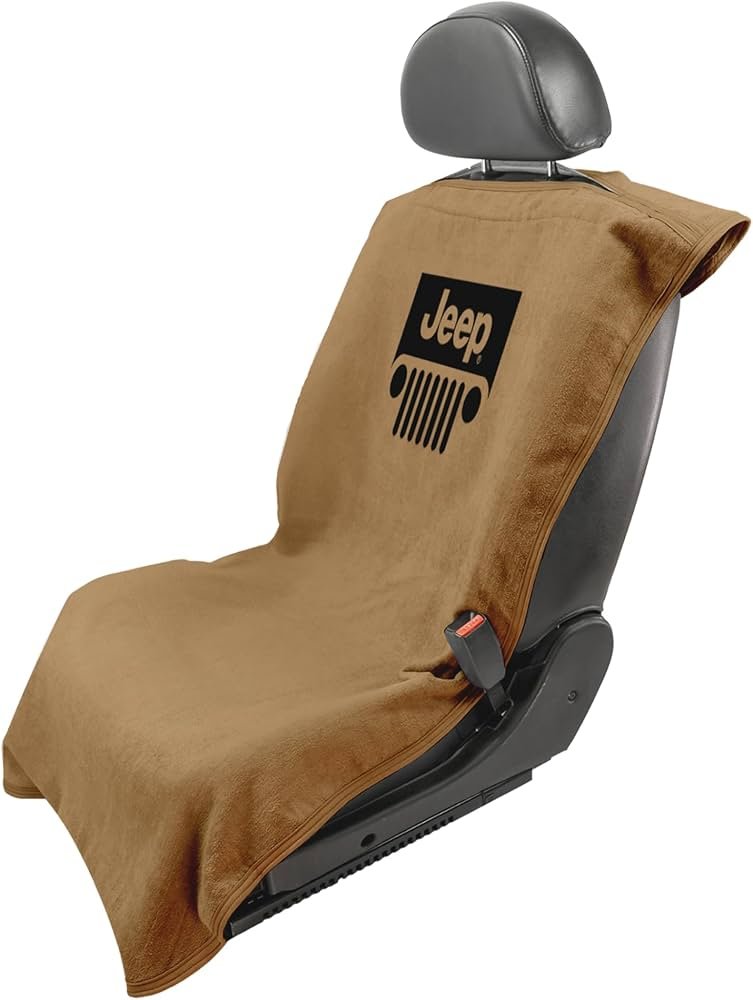
Installing new seat covers in your Jeep is one of the simplest ways to refresh its interior and protect your seats from wear and tear. Whether you’re preparing for rugged off-road adventures or daily commutes, Jeep seat covers offer both style and durability.
Many Jeep owners underestimate how easy this upgrade can be. With the right approach, you’ll avoid common mistakes and get a snug, professional look.
This guide walks you through the process step by step, comparing seat cover types and materials, and sharing insider tips to make your installation smooth.
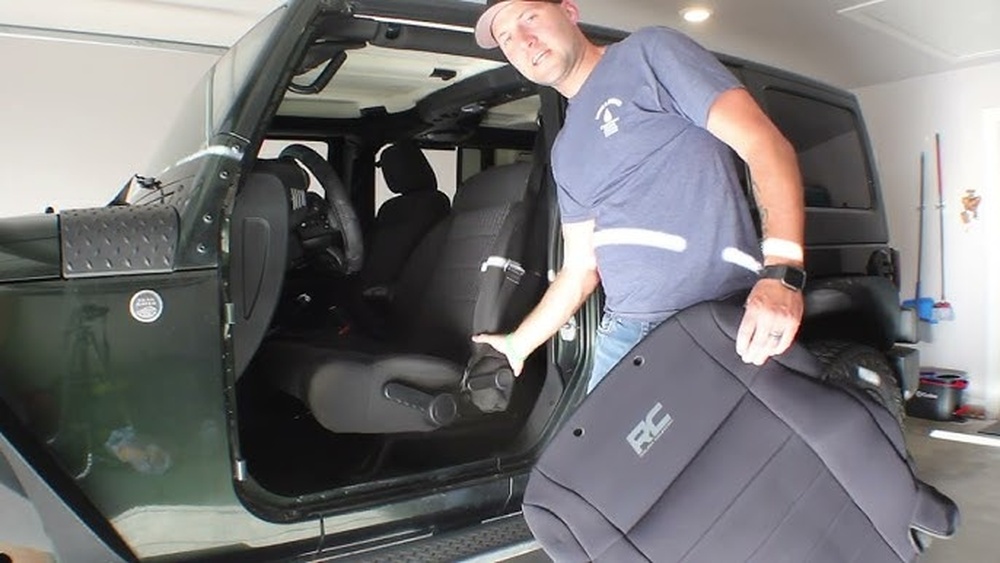
Choosing The Right Jeep Seat Covers
Before you begin installation, it’s crucial to select the best seat covers for your needs. Not all covers fit the same, and material matters.
| Material | Durability | Comfort | Price Range |
|---|---|---|---|
| Neoprene | High | Soft | $100-$300 |
| Leather | Medium-High | Luxurious | $250-$600 |
| Canvas | Very High | Firm | $80-$250 |
| Polyester | Medium | Average | $50-$150 |
Neoprene is popular for Jeep owners due to its water resistance and snug fit. Canvas is ideal for heavy-duty use, while leather adds elegance but requires more care. Be sure to select covers made specifically for your Jeep model. Universal covers often lead to loose fits and bunching.
Preparing For Installation
Correct preparation saves time and prevents mistakes. Start by gathering the tools you need:
- Seat covers (matched to your Jeep model)
- Scissors (for trimming straps)
- Vacuum cleaner (for cleaning seats)
- Flathead screwdriver (optional, for tucking covers)
- Microfiber cloth (to wipe seats)
Clean your seats thoroughly. Dirt trapped under covers can cause abrasion or odor.
Take out any floor mats and shift your seats forward and backward to reach hidden areas. If your Jeep has removable headrests or armrests, detach them first.

Step-by-step Installation Guide
Follow these clear steps for a secure fit:
1. Unpack And Inspect
Lay out all pieces to make sure nothing is missing. Check for defects or incorrect sizes.
2. Position The Cover
Start with the seat back. Slide the cover over, aligning seams and holes with the seat’s contours.
For bucket seats, ensure the cover hugs each curve.
3. Secure The Straps
Most covers use elastic bands or hooks. Fasten them tightly underneath the seat.
Avoid twisting straps, as this can cause discomfort and uneven wear.
4. Install The Seat Bottom Cover
Pull the cover over the seat cushion. Tuck excess fabric into creases using a flathead screwdriver if needed. Attach hooks or Velcro under the seat.
5. Reattach Headrests And Armrests
Fit covers on headrests and armrests separately, then reattach them. Double-check that all components move freely.
6. Smooth Out Wrinkles
Run your hands over the seat covers to flatten wrinkles. Adjust straps or seams for a snug, professional finish.
7. Final Inspection
Sit in the seat to check comfort and fit. Adjust as necessary.
If you notice loose areas, retighten straps or tuck fabric deeper.
| Step | Common Mistake | How to Avoid |
|---|---|---|
| Positioning | Misaligned seams | Double-check before fastening |
| Securing straps | Straps too loose | Pull firmly, avoid twisting |
| Headrest covers | Cover blocks movement | Fit before reattaching |
Many Jeep owners rush through installation, leading to poor results. Here’s what most beginners miss:
- Heat helps: If your covers are wrinkled from packaging, use a hair dryer on low heat or leave them in the sun for 15 minutes. This softens fabric and makes fitting easier.
- Test with seat adjustments: Move your seat back and forth, recline, and adjust height after installing covers. This checks for hidden tight spots or snags.
- Avoid universal covers: Even if they’re cheaper, universal covers rarely fit Jeeps well. Custom-fit covers save time and look much better.
If you own a Jeep Wrangler with removable seats, consider taking the seats out for easier installation. This is not required, but it improves access and makes the process faster.

Maintenance And Longevity
Proper care extends the life of your Jeep seat covers. Here are basic maintenance steps:
- Vacuum regularly: Remove dust and debris to prevent abrasion.
- Spot clean stains: Use mild soap and water. Avoid harsh chemicals.
- Check straps monthly: Tighten if needed to maintain fit.
Quality covers last up to 5 years with routine care. Waterproof materials like neoprene and canvas resist spills and mud, making them ideal for off-road conditions.
| Material | Average Lifespan | Maintenance Needed |
|---|---|---|
| Neoprene | 4-5 years | Low |
| Leather | 3-4 years | High |
| Canvas | 5+ years | Low |
| Polyester | 2-3 years | Medium |
If you’re unsure about cleaning products, check your cover manufacturer’s instructions or visit reliable sources like Consumer Reports.
Frequently Asked Questions
What Is The Easiest Material To Install For Jeep Seat Covers?
Neoprene is the easiest to work with. It stretches easily and fits snugly without much effort. Canvas is tougher but offers excellent protection.
Can I Install Seat Covers Without Removing Seats?
Yes. Most covers can be installed with seats in place.
However, removing seats makes installation easier for tight-fitting covers or when access is limited.
How Long Does Installation Take?
For most Jeep models, installation takes 30–60 minutes. If you’re new to the process, allow extra time for adjustments and cleaning.
Do Seat Covers Affect Airbags Or Seat Sensors?
Always choose covers designed for your Jeep model. Custom-fit covers leave space for side airbags and sensors. Universal covers may block these features, which can be dangerous.
Are Jeep Seat Covers Waterproof?
Most neoprene and canvas covers are waterproof. Polyester and leather may resist spills, but check the manufacturer’s specs for full protection.
Installing Jeep seat covers is a smart investment for both comfort and protection. Careful selection and precise installation make your Jeep’s interior look new and keep your seats safe from mud, spills, and daily wear.
With these steps, you can confidently upgrade your vehicle, knowing you’ve avoided common mistakes and achieved a professional result.