Getting your Jeep stuck in mud is more common than you might think, especially for off-road enthusiasts. While Jeeps are built for tough terrain, mud can turn even the best adventure into a struggle.
The real challenge is getting your vehicle out safely and avoiding damage. If you know what to do, you can often free your Jeep without needing a tow truck.
This guide breaks down practical steps, offers specific advice, and shares some expert tips that most beginners overlook.
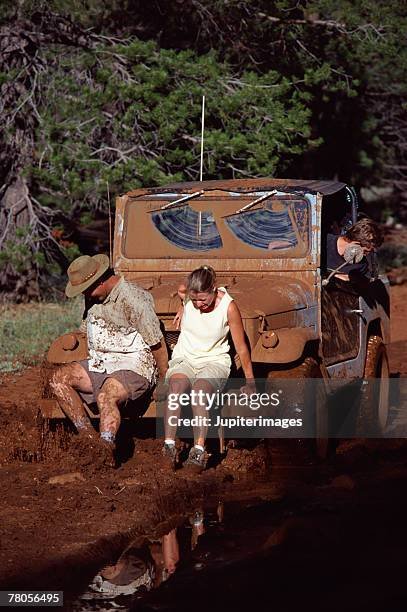
Assess The Situation First
Before you try to get your Jeep out, take a moment to check the area.
- Look at the depth and type of mud.
- Check if the tires are spinning or if the Jeep is bottomed out.
- See if there’s nearby solid ground.
- Notice if the wheels are buried or if the chassis is touching the mud.
If the mud is thick and deep, you might need extra equipment or help. For shallow mud, you can often get out with careful driving.
Safety First
Always think about safety. Don’t spin the tires aggressively, as it may dig your Jeep deeper and damage the drivetrain. Keep others at a safe distance if you plan to use recovery tools.
Use Simple Recovery Techniques
Most Jeeps have four-wheel drive, but even that can fail in sticky mud. Here are basic techniques:
- Rocking the Vehicle
- Shift between drive and reverse.
- Move gently back and forth to build momentum.
- Avoid aggressive acceleration.
- Lower Tire Pressure
- Reduce tire pressure to around 15–20 psi.
- This increases the tire’s surface area for better grip.
- Reinflate tires once you’re out.
- Clear Around Tires
- Remove mud from around the wheels with a shovel or stick.
- Pack sand, gravel, or sticks in front of tires for traction.
- Use Floor Mats or Traction Boards
- Place floor mats or dedicated traction boards under the tires.
- Drive slowly onto the mats to escape the mud.
Common Mistake
One thing beginners often miss: spinning tires too much makes the situation worse. Instead, use gentle throttle and steady movement.
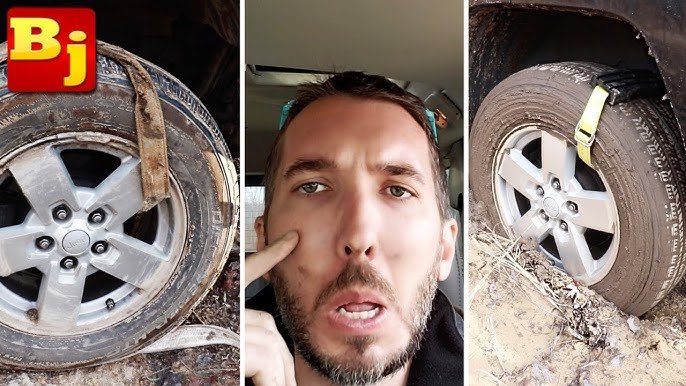
Advanced Recovery Methods
If basic methods fail, try these advanced solutions.
Winching
A winch can pull your Jeep out when nothing else works.
- Attach the winch cable to a strong anchor (tree, rock, or another vehicle).
- Use a tree strap to avoid damaging the anchor.
- Pull slowly and steadily, keeping tension on the cable.
Snatch Strap Or Tow Rope
If you have another vehicle nearby:
- Connect the snatch strap or tow rope to recovery points (not bumpers).
- The assisting vehicle should pull gently, not jerk.
- Use communication signals for safety.
Using A Hi-lift Jack
A hi-lift jack can lift your Jeep and help you place materials under the tires.
- Place the jack under a solid point.
- Raise the Jeep enough to slip rocks, boards, or sand under the wheels.
- Lower the Jeep and drive out.
Comparison Table: Recovery Tools
Here’s a quick comparison of common recovery tools:
| Tool | Best Use | Price Range | Skill Needed |
|---|---|---|---|
| Winch | Deep mud, solo recovery | $300–$800 | Medium–High |
| Snatch Strap | With another vehicle | $40–$120 | Low |
| Traction Boards | Shallow mud, sand | $70–$200 | Low |
| Hi-Lift Jack | Raise vehicle for materials | $80–$150 | Medium |
Preventing Jeep Stuck In Mud
The best way to deal with mud is to avoid getting stuck in the first place.
- Study the terrain before driving.
- Use all-terrain tires with strong tread.
- Drive slowly and steadily.
- Avoid sudden stops or sharp turns in muddy areas.
- Carry recovery tools like a shovel, traction boards, and straps.
Data Table: Jeep Tire Types For Mud
Here’s how different tire types perform in mud:
| Tire Type | Mud Traction | Durability | Price |
|---|---|---|---|
| All-Terrain | Good | High | $150–$250 |
| Mud-Terrain | Excellent | Medium | $180–$300 |
| Street Tires | Poor | Very High | $120–$220 |
Extra Tips Most Drivers Miss
- Check tire pressure before hitting mud—lowering it after you’re stuck often helps, but starting with the right pressure is even better.
- Bring a recovery kit with gloves, straps, and shackles. Many drivers forget gloves, but muddy hands make handling equipment dangerous.
- Stay calm. Panic leads to poor decisions, like spinning tires or overusing the winch.
When To Ask For Professional Help
If your Jeep is deeply sunk or you don’t have the right tools, call for help. Trying too hard can break parts or lead to injury.
Professional tow trucks or recovery teams have the gear and experience needed.
According to the National Automobile Association, nearly 60% of off-road recoveries require professional help when the vehicle is buried above the axle or stuck in clay-heavy mud.
Frequently Asked Questions
What Should I Do First If My Jeep Gets Stuck In Mud?
Stop and assess the situation. Look at how deep the mud is, check tire placement, and decide if you need help or can handle it yourself. Avoid spinning the tires.
Can I Use My Jeep’s Built-in Winch Alone?
Yes, you can use a winch solo if you have a solid anchor point. Always use a tree strap and keep tension steady. Read your manual for safety tips.
How Low Should I Set My Tire Pressure In Mud?
Lower your tire pressure to 15 20 psi. This increases the tire’s footprint and traction.
Don’t forget to reinflate once you’re back on solid ground.
Is It Safe To Use Floor Mats For Traction?
It’s safe if done carefully. Place the mat under the drive wheels and accelerate gently.
Mats are a quick fix but can be damaged or lost in deep mud.
What If My Jeep Is Stuck In Deep Mud And Nothing Works?
If all recovery methods fail, call a professional. Deep mud can damage your vehicle if you force it.
Professionals have tools and experience for tough situations.
Getting a Jeep out of mud is a test of patience and preparation. With the right steps, you can handle most situations yourself. Remember: assess the scene, use gentle recovery techniques, and don’t hesitate to call for help if needed. Keeping a recovery kit and knowing your Jeep’s limits can save you time, money, and stress. For more detailed off-road recovery techniques, check out this guide from the Jeep Official Site.



















