Getting your Jeep into 4 wheel drive can be simple, but it depends on your model and what type of system it uses. Many Jeep owners want better traction for driving in snow, mud, or off-road. However, not everyone knows the exact steps or the differences between the systems. Using 4WD correctly is important for safety and performance. If you miss a step, you may damage your Jeep or lose control in tough conditions. In this guide, you’ll learn how to engage 4WD on your Jeep, understand the four main systems, and discover practical tips that most beginners overlook.
Understanding Jeep 4 Wheel Drive Systems
Jeep vehicles come with different 4WD systems. The four main types are:
- Part-Time 4WD
- Full-Time 4WD
- Selec-Trac
- Quadra-Trac
Each system works differently, and the process to activate 4WD can change. Knowing your Jeep’s system is the first step to using 4WD safely.
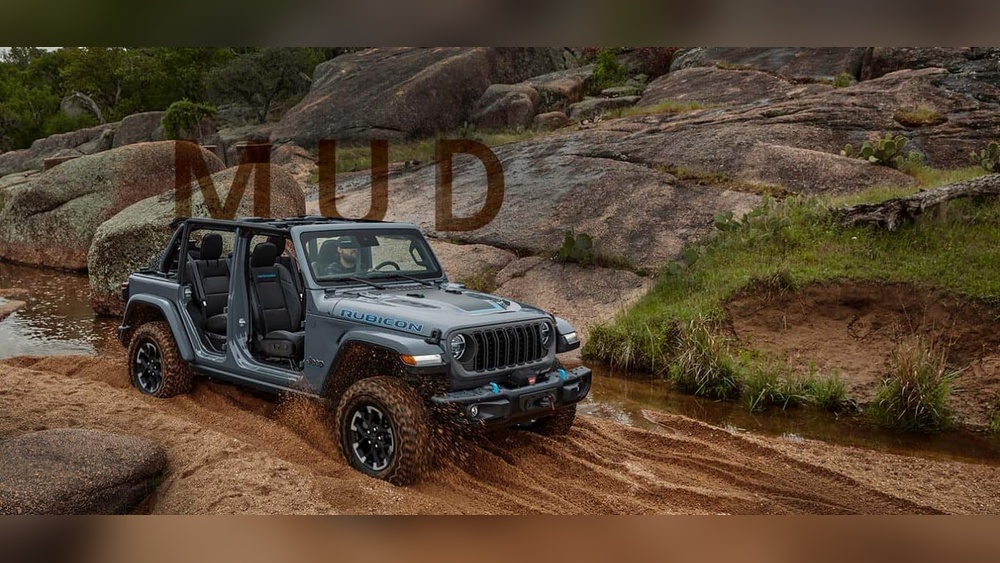
Jeep 4wd System Comparison
Here’s a quick comparison of the four systems:
| System | How It Works | Best For |
|---|---|---|
| Part-Time 4WD | Manual switch between 2WD and 4WD | Off-road, slippery roads |
| Full-Time 4WD | Always powers all wheels | All weather, paved roads |
| Selec-Trac | Switch between modes for different terrains | Mixed driving |
| Quadra-Trac | Automatic, adapts to traction needs | Luxury, daily driving |
How To Get Jeep In 4 Wheel Drive: Step-by-step
Below, you’ll find clear steps for each of the four main Jeep 4WD systems. Make sure to check your owner’s manual for details, as some steps may vary slightly.
1. Part-time 4wd
Most Jeep Wranglers and Gladiators use this system. It’s common in models built for off-road.
- Stop or slow down: Always engage 4WD when your Jeep is stopped or moving slowly (under 3 mph).
- Shift lever: Locate the transfer case lever. Move it from 2H (two-wheel high) to 4H (four-wheel high).
- For tough terrain: To enter 4L (four-wheel low), stop, shift the transmission into neutral, then move the lever to 4L.
- Indicator light: A light on your dashboard shows when 4WD is active.
Tip: Never use part-time 4WD on dry pavement. It can damage your drivetrain.
2. Full-time 4wd
This system is found in many Jeep Grand Cherokees and some newer models.
- Simple switch: You don’t need to shift manually. The system automatically powers all wheels.
- Drive normally: Just drive as usual. 4WD is always on.
- Low range: If you want 4L for extra torque, stop, shift transmission to neutral, and select 4L using the transfer case knob or switch.
Tip: This system is safe for all surfaces, including dry roads.
3. Selec-trac
Selec-Trac lets you choose between 2WD, 4WD Auto, 4WD High, and 4WD Low.
- Find the knob or lever: Look for the Selec-Trac selector near your gear shifter.
- Choose mode: For regular driving, select 2WD. For slippery roads, turn to 4WD Auto or 4H.
- Engage low range: Stop your Jeep, shift to neutral, then select 4L.
- Indicator: The dashboard shows which mode you’re in.
Tip: 4WD Auto is best for changing conditions, like rain or snow.
4. Quadra-trac
Quadra-Trac is Jeep’s high-end automatic 4WD system, used in premium models.
- Automatic action: Quadra-Trac senses wheel slip and activates 4WD instantly.
- No manual steps: Just drive—system handles everything.
- Low range: For serious off-road, stop, shift to neutral, and use the transfer case control to select 4L.
Tip: Quadra-Trac is ideal for drivers who don’t want to worry about switching modes.
Comparison: Manual Vs Automatic Engagement
Some Jeep owners want to know how manual and automatic systems compare for ease of use and performance.
| Type | Engagement | Driver Control | Risk of Mistakes |
|---|---|---|---|
| Manual (Part-Time, Selec-Trac) | Driver shifts lever/knob | High | Possible if wrong surface |
| Automatic (Full-Time, Quadra-Trac) | System engages itself | Low | Very low |

Practical Tips For Using Jeep 4wd
Many new Jeep owners miss these important points:
- Tire pressure: Check tire pressure before using 4WD. Uneven tires can reduce traction.
- Speed limits: Don’t drive fast in 4WD Low. It’s made for slow, tough conditions (under 25 mph).
- Regular checks: Test 4WD before winter or off-road trips to ensure it works.
- Maintenance: Change transfer case fluid every 30,000 miles for best performance.
- Listen and feel: If you hear grinding or feel resistance, stop and check your system.
Fact: According to Jeep’s official data, 4WD Low increases torque by up to 2.72 times, helping you climb steep hills or pull out of deep mud.
Common Mistakes To Avoid
Some mistakes can damage your Jeep or make 4WD less effective:
- Using 4WD on dry pavement (with part-time systems)
- Shifting to 4L at high speed
- Ignoring warning lights
- Not reading the owner’s manual
Non-obvious insight: Many drivers forget to shift transmission to neutral before engaging 4L, which can cause grinding and prevent proper activation.
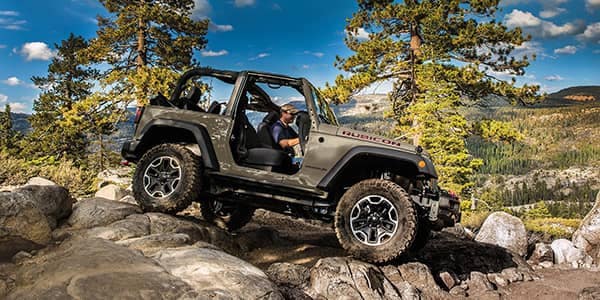
When Should You Use 4 Wheel Drive?
Jeep 4WD is best for:
- Snowy roads
- Mud or sand
- Steep hills
- Loose gravel
- Rocky trails
However, using it at the wrong time can cause extra wear. Only use 4WD when you need extra traction.
Frequently Asked Questions
How Do I Know If My Jeep Is In 4 Wheel Drive?
Check your dashboard for a 4WD indicator light. You can also feel improved traction and sometimes a change in steering.
Can I Switch To 4wd While Driving?
Yes, for most systems you can shift to 4H at low speeds (under 55 mph). For 4L, always stop and shift to neutral first.
What Happens If I Use 4wd On Dry Roads?
Using part-time 4WD on dry pavement can cause drivetrain binding, which may damage your Jeep over time.
Do All Jeeps Have 4 Wheel Drive?
Most modern Jeeps offer 4WD, but some models (like Jeep Compass or Renegade) have 2WD versions. Always check your model specs.
How Often Should I Use 4wd?
Use 4WD only when necessary. Regular use on tough surfaces keeps the system healthy, but avoid using it on dry, smooth roads.
For more details on Jeep 4WD systems, check the official Jeep guide at Jeep 4×4 Systems.
Getting your Jeep into 4 wheel drive is easy when you know your system and follow the right steps. With these tips and clear steps for each system, you’ll drive confidently, avoid common mistakes, and get the most from your Jeep in any condition.