A healthy cooling system keeps your Jeep Wrangler running smoothly, especially when driving off-road or in hot weather. Over time, dirt, rust, and old coolant build up inside the radiator.
This can cause overheating, reduce performance, or even damage the engine. Flushing your radiator is a simple but important task.
With basic tools and a bit of patience, you can do it at home and save money.
Why Flushing Your Jeep Wrangler Radiator Matters
Coolant does more than just keep your engine cool. It also protects against corrosion and lubricates parts. But coolant breaks down, and debris collects in the system. If you don’t flush the radiator every 30,000 miles or so, you risk:
- Overheating: Clogged passages stop coolant from flowing.
- Corrosion: Rust can eat away at metal parts.
- Costly repairs: Ignoring maintenance leads to bigger problems.
A simple radiator flush removes old coolant and debris. This helps your Jeep’s cooling system work efficiently and extends its life.
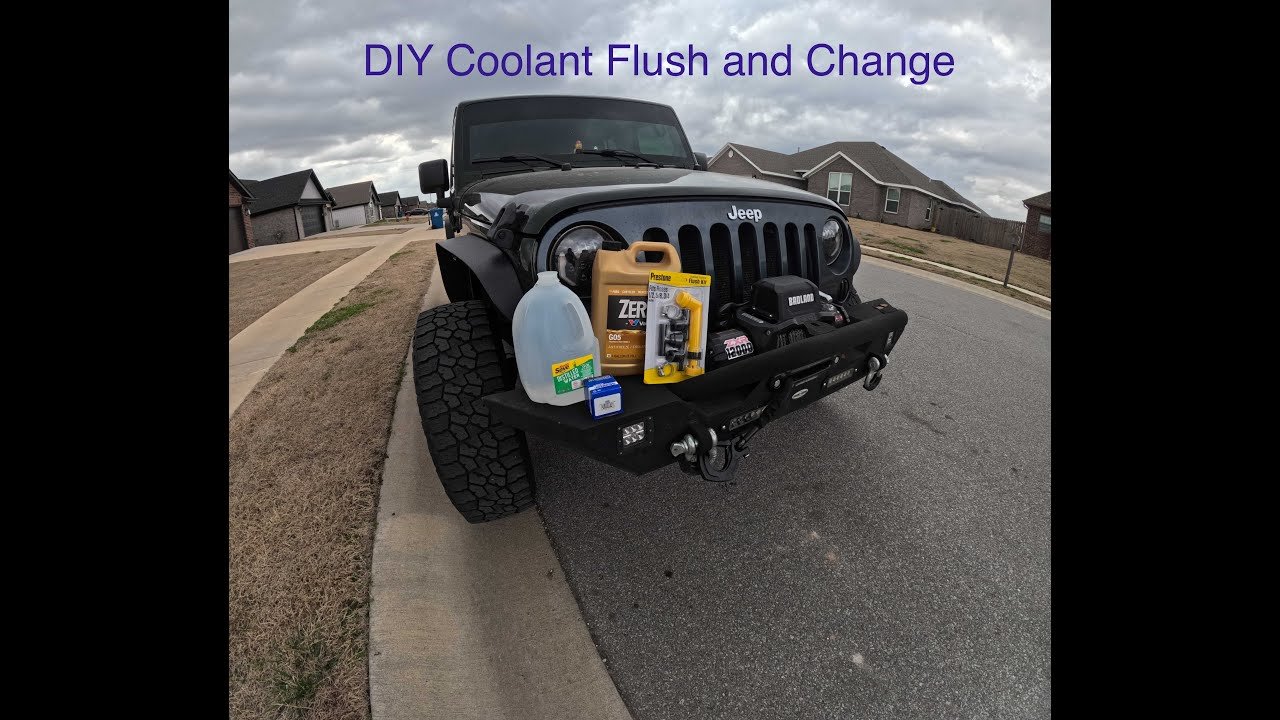
Tools And Materials Needed
You don’t need fancy equipment. Here’s what you should gather before starting:
- New coolant (about 2 gallons, check your Jeep’s manual for the right type)
- Distilled water (not tap water, which contains minerals)
- Drain pan (to catch old coolant)
- Socket wrench or screwdriver (for the drain plug)
- Gloves and safety glasses
- Funnel
- Radiator flush solution (optional but helps clean stubborn deposits)
- Garden hose (for rinsing if you want a deeper clean)
Most Jeep Wranglers use a 50/50 mix of coolant and distilled water. Using the wrong type can cause leaks or damage.
Step-by-step Guide: Flushing The Radiator
Follow these steps for a safe and effective radiator flush:
1. Let Your Jeep Cool Down
Never open the radiator cap on a hot engine. Wait at least 30 minutes after driving.
Hot coolant can spray out and cause burns.
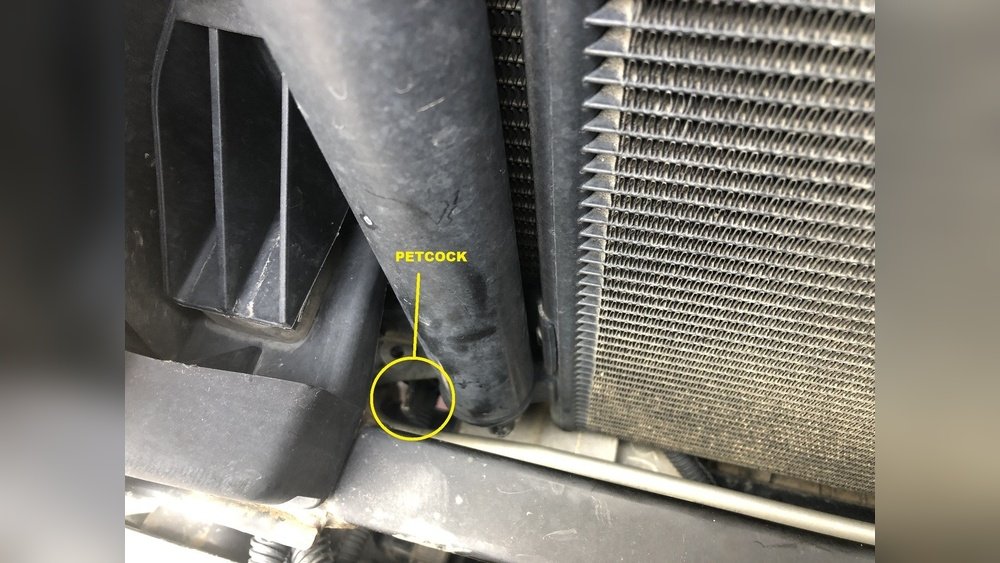
2. Locate The Radiator Drain Plug
Open the hood and find the radiator at the front. Look for the drain plug at the bottom corner. Place your drain pan underneath.
3. Drain The Old Coolant
Carefully loosen the drain plug. Let the old coolant flow into the pan.
Remove the radiator cap to speed up draining. Once empty, tighten the plug.
4. Flush With Water
Pour distilled water into the radiator. Start the engine and let it run for 5 10 minutes with the heater on high.
This circulates water and loosens deposits. Turn off the engine and let it cool.
5. Drain Again
Open the drain plug and empty the water into your pan. Repeat the water flush once more for a cleaner system.
6. Use Radiator Flush Solution (optional)
If you see lots of rust or sludge, add a radiator flush solution. Follow the instructions on the bottle.
Run the engine as directed, then drain and rinse with water.
7. Add New Coolant
Using a funnel, pour the correct mix of coolant and distilled water into the radiator. Fill until the level is just below the cap.
8. Check For Air Pockets
Start the engine and let it run. Watch for bubbles in the radiator or overflow reservoir. Add more coolant as needed. Some Jeeps have a bleeder valve to help remove trapped air.
9. Dispose Of Old Coolant Safely
Coolant is toxic. Never pour it down the drain or on the ground.
Take it to a recycling center or auto shop.
Jeep Wrangler Radiator Types: Comparison
Different Jeep Wrangler models may have slightly different radiators. Here’s a quick comparison:
| Model Year | Radiator Material | Coolant Capacity (qt) | Drain Plug Location |
|---|---|---|---|
| 1997–2006 (TJ) | Aluminum/Plastic | 9.5 | Driver’s Side Bottom |
| 2007–2018 (JK) | Aluminum/Plastic | 10.5 | Passenger’s Side Bottom |
| 2018–Present (JL) | Aluminum/Plastic | 11 | Center Bottom |
Knowing your Jeep’s model helps you find the drain plug and buy the right amount of coolant.
Signs Your Radiator Needs Flushing
Don’t wait for trouble. Watch for these warning signs:
- Coolant looks dirty or rusty
- Engine temperature rises quickly
- Heater isn’t working well
- Low coolant levels with no visible leaks
- Sweet smell inside the cabin
If you notice these, flushing your radiator can prevent more serious issues.
Common Mistakes And How To Avoid Them
Many beginners make simple errors. Here’s what to watch out for:
- Using tap water: This leaves mineral deposits.
- Mixing coolant types: Always use what the manufacturer recommends.
- Forgetting the heater: Running the heater helps flush coolant from the heater core.
- Skipping air removal: Trapped air causes overheating.
- Improper disposal: Coolant is hazardous—never dump it.
Most people also miss checking the overflow reservoir. Make sure it’s topped up after the flush.
Estimated Cost And Time
Flushing your Jeep Wrangler radiator is affordable and doesn’t take long.
| Task | DIY Cost (USD) | Time (Minutes) |
|---|---|---|
| Coolant Purchase | $20–$40 | — |
| Radiator Flush Solution | $10–$15 | — |
| Tools (one-time) | $10–$20 | — |
| Labor (DIY) | $0 | 60–90 |
| Labor (Shop) | $75–$150 | — |
Most Jeep owners finish the job in less than 90 minutes.
Practical Tips For A Smooth Flush
- Always use distilled water.
- Wear gloves—coolant can irritate skin.
- Keep pets away from old coolant (it’s toxic).
- Check hoses for cracks while the system is empty.
- Tighten the radiator cap firmly after filling.
A slow fill prevents trapped air. Many people rush this step and end up with overheating later.
Frequently Asked Questions
How Often Should I Flush My Jeep Wrangler Radiator?
Every 30,000 miles or every 2 3 years. If you drive in harsh conditions, flush more often.
Can I Use Universal Coolant?
No. Always use the coolant recommended in your Jeep’s manual. Mixing types can cause leaks and damage.
What Happens If I Don’t Flush The Radiator?
Coolant breaks down, causing overheating, corrosion, and expensive repairs. Your engine may fail if ignored.
Is Radiator Flush Solution Necessary?
It’s optional. If your coolant is clean and you flush regularly, distilled water is enough.
Use flush solution if you see rust or sludge.
Where Can I Safely Dispose Of Old Coolant?
Take it to a recycling center, auto shop, or hazardous waste facility. For more info, visit EPA’s Household Hazardous Waste Guide.
A regular radiator flush keeps your Jeep Wrangler reliable and ready for adventure. With the right tools and careful steps, you’ll protect your engine and avoid costly repairs.