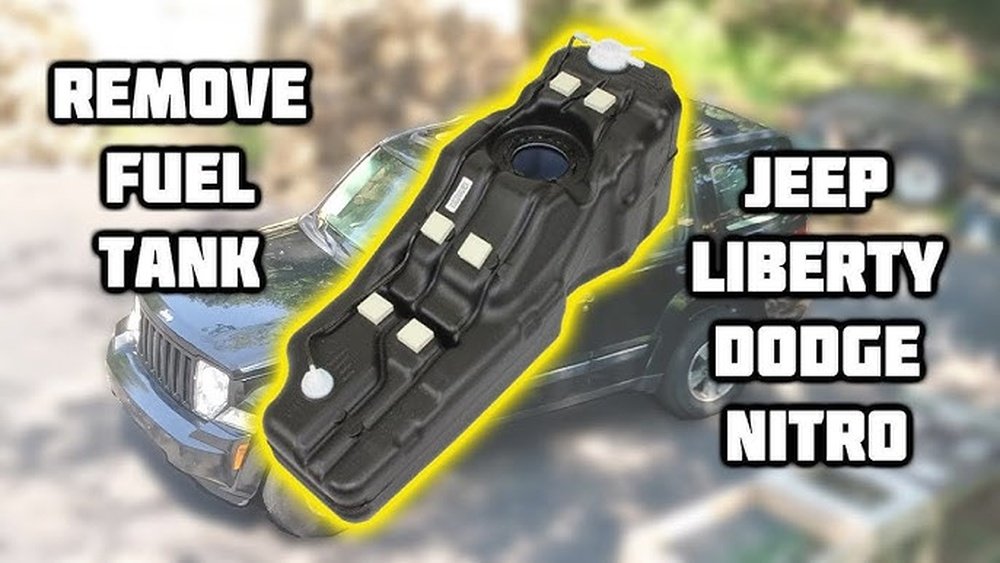
Removing the fuel tank from a Jeep Liberty is a task many owners face, especially when replacing a faulty fuel pump or fixing a leak. While this job can save money compared to a mechanic, it requires careful planning and proper tools. If you want to handle this yourself, knowing each step, the challenges, and some safety advice is essential. This guide will walk you through the process, highlight what tools you need, and share practical tips to make the job smoother.
Understanding The Jeep Liberty Fuel Tank
The Jeep Liberty (produced between 2002 and 2012) uses a steel fuel tank mounted beneath the rear of the vehicle. It holds about 19.5 gallons (74 liters) of gasoline. The tank is attached to the frame with metal straps and is connected to the fuel system by hoses and wires. Knowing its position and size helps you prepare for the removal process.
| Model Year | Tank Capacity (Gallons) | Material |
|---|---|---|
| 2002-2007 | 19.5 | Steel |
| 2008-2012 | 19.5 | Steel |
Tools And Preparation
Before starting, gather these tools:
- Jack and jack stands (or ramps)
- Socket set (metric and SAE)
- Screwdrivers
- Pliers
- Fuel line disconnect tool
- Safety glasses and gloves
- Drain pan (for fuel)
- Fire extinguisher
Make sure your fuel tank is nearly empty. A full tank is heavy and dangerous to remove. You can drive until low fuel or use a siphon pump to remove excess gasoline.

Step-by-step Guide To Dropping The Fuel Tank
1. Park And Secure The Jeep
Park your Jeep Liberty on a level surface. Set the parking brake and block the wheels. Safety is critical; never work under a vehicle supported only by a jack.
2. Disconnect The Battery
Remove the negative cable from the battery. This stops any accidental sparks when you disconnect electrical connectors.
3. Relieve Fuel Pressure
Open the gas cap. Locate the fuel pump relay in the fuse box and remove it.
Start the engine; it will run until the remaining fuel is used up. This prevents fuel spray when lines are removed.
4. Lift The Vehicle
Use a jack to raise the rear of your Jeep. Place jack stands under the frame.
Ensure the vehicle is stable before working underneath.
5. Remove The Shield And Straps
The fuel tank is often protected by a metal shield. Use a socket wrench to remove bolts holding the shield. Next, locate the two tank straps. Support the tank with a second jack or a strong piece of wood before loosening the straps.
6. Disconnect Fuel Lines And Electrical Connectors
Several hoses and wires attach to the tank. Use the fuel line disconnect tool and pliers to gently remove:
- Fuel filler hose
- Vent hose
- Electrical connectors for the fuel pump and sensor
Make note of the connections for reassembly. Many beginners forget this and struggle later.
7. Drop The Tank
Slowly lower the tank with your jack. Watch for any lines or wires still attached.
Once the tank is free, pull it out from under the vehicle.
8. Drain Remaining Fuel
If there’s fuel left, use a drain pan to empty it safely. Dispose of gasoline according to local regulations.
Common Challenges And Solutions
Removing a fuel tank can be tricky. Here’s what often causes problems:
| Problem | Solution |
|---|---|
| Rusty bolts | Spray with penetrating oil; wait 10 minutes before removal. |
| Stuck fuel lines | Use a proper disconnect tool. Twist gently to loosen. |
| Tank too heavy | Always drain fuel first. Use a helper if needed. |
Two things beginners often miss: First, the importance of labeling all hoses and connectors before removing them—this saves time during installation. Second, always keep a fire extinguisher nearby. Gasoline fumes are flammable, and accidents can happen even to careful people.

Reinstallation Tips
If you plan to reinstall the tank, reverse the steps above. Ensure all connections are tight, and check for leaks.
Fill with a small amount of fuel first to test for any issues.
| Step | Time (Minutes) |
|---|---|
| Removal | 60-90 |
| Installation | 90-120 |
Safety Advice
Gasoline is dangerous. Work in a well-ventilated area. Wear safety glasses and gloves. Keep all sources of ignition far from your workspace. If you feel unsure, consider reading more on proper safety procedures from OSHA.

Frequently Asked Questions
How Long Does It Take To Drop The Fuel Tank?
Usually, it takes 1-2 hours for removal if you have the right tools and some experience. Installation may take longer due to careful reconnecting.
Do I Need To Replace The Fuel Tank Straps?
If straps are rusty or damaged, replace them. They keep the tank secure. Using old, weak straps is unsafe.
Can I Drop The Tank With Fuel Inside?
It’s risky. A full tank is very heavy and can spill fuel. Always drain as much gasoline as possible before removal.
Is It Possible To Do This Alone?
Yes, but having help makes the job easier, especially when lowering or lifting the tank. The tank is awkward and heavy.
What Signs Show My Fuel Tank Needs Removal?
Common signs include fuel leaks, a noisy fuel pump, or trouble starting. Also, if you need to replace the fuel pump or sender, dropping the tank is necessary.
Removing the fuel tank from your Jeep Liberty is a manageable task with patience and proper tools. Paying attention to safety, labeling connections, and preparing your workspace can make the process efficient and safe. If you’re unsure at any step, don’t hesitate to seek help or consult a professional. This project can save money and give you confidence in maintaining your vehicle.



















