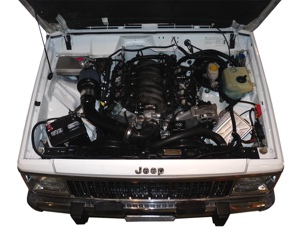
Swapping an LS engine into a Jeep XJ is a dream for many off-road fans. The LS motor is known for its power, reliability, and easy upgrades.
But the swap process is not simple—there are technical steps, choices, and details you need to get right. If you plan well and follow a proven approach, you can turn your XJ into a powerful, modern machine.
Let’s break down the LS swap process, from planning to finishing, with clear advice and practical examples.
Planning Your Jeep Xj Ls Swap
Before picking up any tools, make a solid plan. The swap is a big job, so understanding the costs, time, and skills needed will save you headaches later.
- Budget: Most LS swaps cost between $4,000 and $8,000. This includes the engine, transmission, wiring, mounts, and labor (if you pay a shop). It’s smart to set aside extra funds for unexpected parts or fixes.
- Time: With experience, you can finish in 2–3 weeks. For beginners, expect 4–6 weeks. If you have only weekends free, the project can stretch out longer.
- Tools: You’ll need sockets, wrenches, a hoist, and electrical tools. Special tools include engine stand and wiring crimpers. Some tasks, like cutting or welding mounts, need extra equipment.
Non-obvious insight: Many people forget to budget for small parts, like hoses, bolts, and adapters. These can add $500–$1,000. You may also need new fluids (oil, coolant, transmission fluid) and fasteners, which are often overlooked until the last minute.
If you don’t have a garage or safe work space, plan for storage and security. Moving parts and tools in and out slows progress and increases the risk of mistakes.
| Swap Element | Estimated Cost | Difficulty |
|---|---|---|
| LS Engine (used) | $1,500–$2,500 | Medium |
| Transmission | $800–$1,600 | Medium |
| Wiring Harness | $400–$800 | Hard |
| Mounts & Adapters | $300–$700 | Easy |
| Misc. Parts | $500–$1,000 | Easy |
Choosing The Right Ls Engine
The LS family has many options. For a Jeep XJ, choose based on your goals and budget.
- LS1: Classic 5.7L V8, 350–400 hp. Good for all-around builds, and parts are easy to find.
- LS3: 6.2L V8, 400–450 hp. More expensive, but higher power. This is ideal if you want a fast XJ or plan heavy upgrades.
- LQ4/LQ9: Truck versions, 6.0L, reliable and cheaper. These engines are built for durability and handle towing or rough trails well.
Tip: The LQ4/LQ9 are great for off-road because they handle rough driving and have good torque. Truck engines also have iron blocks, making them stronger for heavy use, but they are heavier than aluminum versions.
Another detail: LS3 engines often need more custom parts, like tuning and cooling upgrades, which increase costs. LS1 and LQ4 swaps are easier for most DIY builders.
| Engine | Horsepower | Torque | Price Range |
|---|---|---|---|
| LS1 | 350–400 hp | 350–370 lb-ft | $1,500–$2,500 |
| LS3 | 400–450 hp | 415–440 lb-ft | $2,500–$3,800 |
| LQ4/LQ9 | 325–345 hp | 360–380 lb-ft | $1,200–$2,000 |
Main Steps To Complete The Swap
Removing The Old Engine
- Disconnect battery, drain fluids, and label wires. Take photos of each step for reference.
- Remove the radiator, exhaust, and driveshaft. Keep hardware organized in labeled bags.
- Use an engine hoist to pull the old motor. Work slowly to avoid damaging wires or mounts.
Common mistake: Forgetting to label wires. This makes re-installing much harder. If you lose track, you may need to trace circuits later, which can take hours.
Installing The Ls Engine
- Buy swap mounts made for XJ-LS swaps. They fit the new engine and keep alignment correct. Double-check mount holes before bolting in.
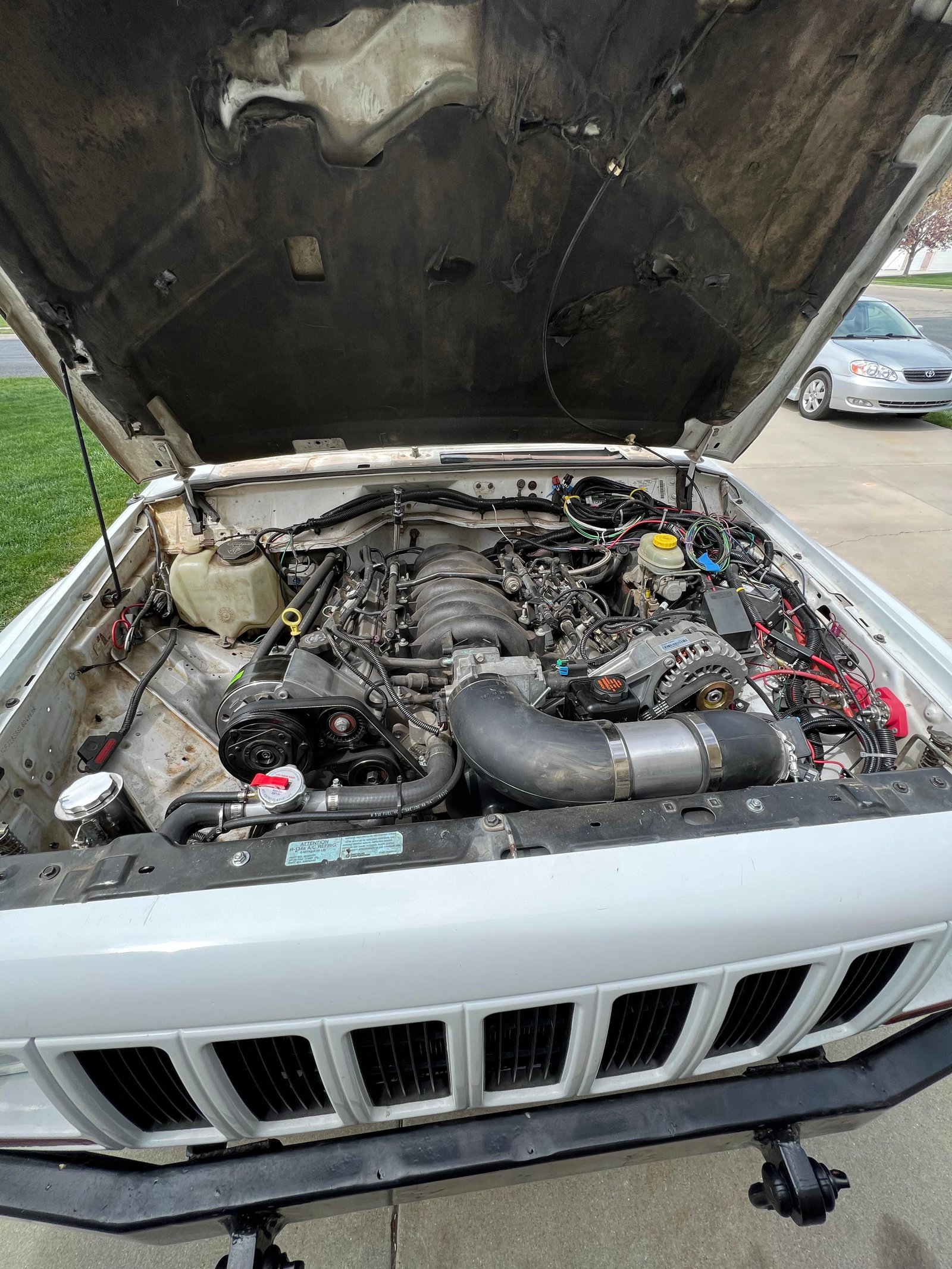
- Lower the LS motor into place. Check for clearance with the firewall and hood. Sometimes, you need to trim brackets or move wires for extra space.
Insight: Some LS engines need oil pan swaps to clear the XJ front axle. If you reuse the LS truck oil pan, it may hit the axle on bumps. Aftermarket pans are made for swaps and prevent this problem.
Transmission And Driveshaft
- Most choose a 4L60E or 4L80E automatic transmission. Manual swaps are possible, but more complex. Autos are easier to wire and fit.
- The driveshaft may need shortening or lengthening. Measure carefully before ordering. A shop can build a custom shaft for a few hundred dollars.
If you want strong off-road gearing, look for a transmission with a low first gear and match it to your transfer case.
Wiring And Electronics
- Get a standalone wiring harness for the LS engine. This helps avoid electrical problems. Many companies sell plug-and-play harnesses for swaps.
- Connect sensors, fuel pump, and ECU. Test before full assembly. Use a multimeter to check voltage and signal at each wire.
Non-obvious insight: The LS ECU needs the correct security settings. Some swaps fail due to mismatched ECUs. You may need to “flash” or reprogram the ECU to remove security codes or match to your XJ.
Cooling System
- Use a high-flow radiator. LS engines run hotter than the XJ’s stock motor. Aluminum radiators are popular for swaps.
- Upgrade hoses and clamps. Double-check for leaks. Silicone hoses last longer and resist heat.
Check fan clearance and wiring. Electric fans are often easier to fit and control with the LS ECU.
Exhaust
- Custom headers may be needed. The XJ’s engine bay is tight, so stock LS manifolds may not fit. Local shops can build custom exhausts for $400–$800.
Plan for oxygen sensors and emissions equipment if your area requires testing.
Final Checks And Test Drive
- Fill fluids, reconnect battery, and check all bolts. Use thread locker on critical bolts.
- Test start the engine. Listen for odd noises. Watch for leaks or smoke.
- Drive slowly at first. Watch gauges for temperature and oil pressure. Test brakes and steering before going off-road.
After the first drive, re-check bolts and fluid levels. Early issues often show up in the first 100 miles.
Pros And Cons Of The Ls Swap
The LS swap is popular, but it’s not perfect. Here’s a quick comparison.
| Pros | Cons |
|---|---|
| More power and torque | High cost |
| Modern reliability | Complex wiring |
| Wide parts support | Custom exhaust needed |
| Better aftermarket tuning | Possible registration issues |
One extra challenge: Insurance companies may need proof of the swap and parts. Keep receipts and take photos for your records.
Tips For A Successful Swap
- Double-check your measurements before ordering parts. Mistakes here can waste time and money.
- Take photos as you disassemble. They help during reassembly and show wiring routes.
- Read swap forums and watch videos from people who finished the swap. You’ll learn about tricky steps and solutions.
- Test all electrical connections before the final install. Use a continuity tester for wires.
Also, talk to local shops or swap experts. They can help with tuning, emissions, and custom parts.
If you want deep technical details, the GM LS Engine Wikipedia page is a helpful resource.
Frequently Asked Questions
How Much Does A Jeep Xj Ls Swap Cost?
Most swaps cost $4,000 $8,000, depending on parts, labor, and engine choice. Doing the work yourself saves money but takes more time.
If you pay a shop, expect to pay more for labor and custom parts.
Can I Keep My Jeep Xj’s Original Transmission?
Usually, no. The LS engine works best with GM transmissions like the 4L60E or 4L80E.
Adapters exist, but they add complexity and cost. The original XJ transmission may not handle the power or fit the new engine.
Is A Manual Transmission Possible With An Ls Swap?
Yes, but it’s harder. You need special adapters and clutch setups.
Automatic swaps are easier and more common. Manuals can be fun, but plan for extra work and cost.
Do I Need To Upgrade My Cooling System?
Yes. The LS engine creates more heat than the XJ’s stock inline-six.
A bigger radiator and better hoses are required. Overheating is a risk if you skip this step.
Will The Swap Affect My Jeep’s Registration Or Emissions?
Sometimes. Check your local laws before starting.
Some states require emissions testing or proof of engine origin. You may need a professional inspection to keep your Jeep street legal.
Swapping an LS engine into your Jeep XJ is a big project, but it’s doable with the right planning. You’ll get more power, better reliability, and a unique ride.
Take your time, use proven parts, and double-check each step. When done well, an LS-powered XJ can handle trails, highways, and anything in between.
With careful work and attention to detail, your Jeep will be ready for adventure and will stand out wherever you drive.



















