Is your Jeep Grand Cherokee’s check engine light glowing on the dashboard? It can be stressful not knowing what’s wrong or how to fix it.
But don’t worry you can take control and clear that light yourself. Knowing how to reset the check engine light not only saves you time and money but also gives you peace of mind on the road.
In this guide, you’ll learn simple, step-by-step methods to clear the check engine light safely and effectively.
Keep reading, and soon you’ll have your Jeep running smoothly with that annoying light turned off.
Common Causes For Check Engine Light
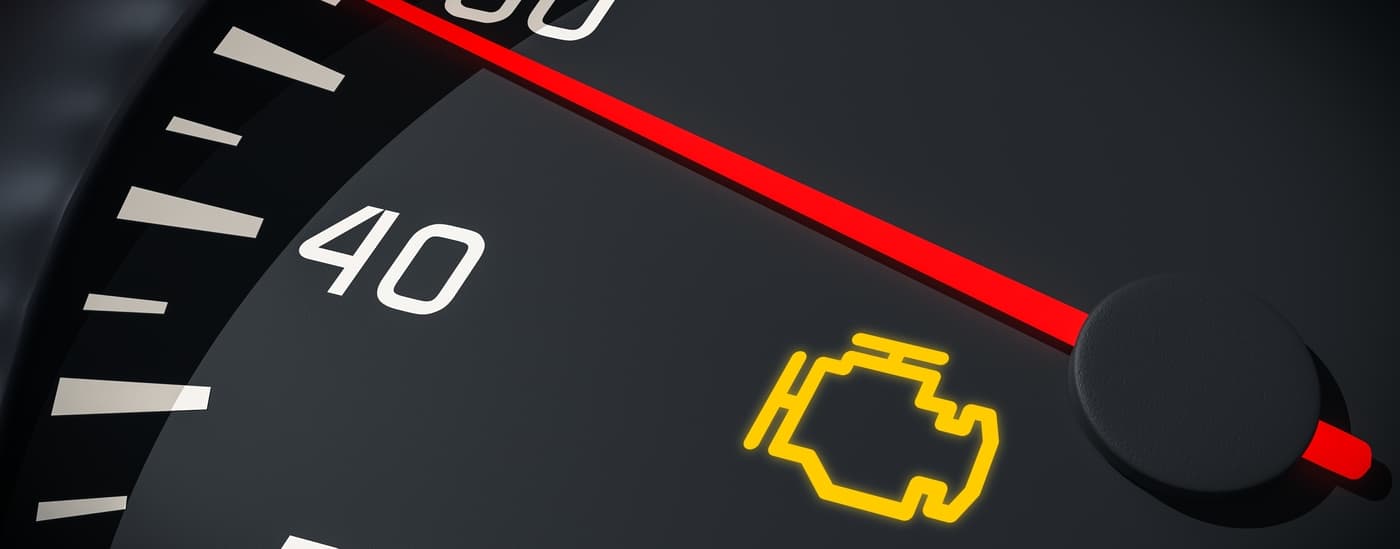
The check engine light in your Jeep Grand Cherokee signals a problem. Understanding common causes helps you diagnose quickly. This light warns about issues that affect engine performance and emissions. Ignoring it can lead to costly repairs. Knowing the usual suspects aids in quick fixes.
Engine And Emission Issues
Engine problems often trigger the check engine light. Faulty spark plugs or ignition coils cause misfires.
A clogged catalytic converter reduces engine efficiency. Exhaust leaks can also set off the warning.
Emission control failures impact your Jeep’s environmental performance. These issues affect fuel economy and engine power.
Sensor Malfunctions
Sensors monitor your Jeep’s engine and emissions systems. A bad oxygen sensor is a common cause of the light.
The mass airflow sensor may fail or get dirty. Faulty sensors send incorrect data to the engine computer.
This triggers error codes and the check engine light. Sensor problems often cause rough idling or poor fuel economy.
Fuel System Problems
Fuel system issues often cause the check engine light to appear. A loose or damaged gas cap can trigger the warning.
Problems with fuel injectors affect engine performance. A failing fuel pump leads to low fuel pressure.
These problems disrupt fuel delivery and combustion. Regular checks help prevent fuel system faults.
Using An Obd-ii Scanner
Using an OBD-II scanner is a simple and effective way to clear the check engine light on your Jeep Grand Cherokee. This tool reads the car’s diagnostic codes and helps you identify issues. It also allows you to erase the codes once the problem is fixed. This method saves time and avoids unnecessary trips to the mechanic.
Locating The Obd-ii Port
The OBD-II port is usually under the dashboard on the driver’s side. Look near the steering column or below the dashboard panel.
It is a small, rectangular connector with 16 pins. You might need to crouch or use a flashlight to see it clearly.
This port connects the scanner to your vehicle’s computer system.
Connecting The Scanner
Take your OBD-II scanner and plug it into the port firmly. Make sure the car’s ignition is in the “ON” position, but do not start the engine.
The scanner will power on automatically in most cases. Wait a few seconds for the scanner to communicate with the car’s system.
Follow any prompts shown on the scanner’s screen.
Reading And Clearing Codes
Use the scanner’s menu to select the option to read trouble codes. The scanner will display codes that explain what triggered the check engine light.
Write down these codes for your records. After you understand the problem or fix it, choose the option to clear or erase the codes.
This action will reset the check engine light. Turn off the ignition, then start the engine to check if the light stays off.
Battery Terminal Disconnection Method
The Battery Terminal Disconnection Method is a simple way to clear the check engine light on your Jeep Grand Cherokee. This method resets the vehicle’s computer by cutting off the power supply briefly.
It does not require special tools or equipment. Just basic care and safety are needed to avoid damage or injury.
This method works because the vehicle’s Engine Control Unit (ECU) loses its stored error codes when the battery is disconnected. The check engine light then turns off after the system resets.
Follow the steps below to perform this method safely and effectively.
Finding The Negative Terminal
Open the Jeep’s hood and locate the battery. The battery usually sits near the front of the engine bay.
Look for the two terminals on top of the battery.
The negative terminal is marked with a minus sign (-) or a black cover. It connects to the vehicle’s ground wire.
Identifying the correct terminal is important to avoid short circuits or damage.
Disconnecting Safely
Use a wrench or socket to loosen the nut on the negative terminal clamp. Do not remove the positive terminal, marked with a plus sign (+) or red cover.
Once the nut is loose, carefully lift the negative cable off the battery post. Avoid touching both terminals or metal parts at the same time.
Leave the cable disconnected for about 15 minutes. This pause allows the ECU to reset and clear stored codes.
Reconnecting And Resetting
After waiting, place the negative cable back onto the battery terminal. Tighten the nut securely but do not overtighten.
Close the hood and start the Jeep. The check engine light should be off.
If it stays on, the problem may still exist or need further diagnosis.
Manual Reset Techniques
Manual reset techniques offer simple ways to turn off the check engine light on your Jeep Grand Cherokee. These methods do not require any special tools or devices.
They work by resetting the vehicle’s computer system. This helps clear minor issues that triggered the light.
Use these techniques after fixing the cause of the engine warning.
Ignition Key Cycle Method
This technique involves turning the ignition key on and off several times. Start by inserting the key into the ignition.
Turn it to the “ON” position without starting the engine. Leave it there for about 10 seconds.
Then, turn the key back to the “OFF” position. Repeat this cycle three to five times.
After the last cycle, start the engine. If the problem is fixed, the check engine light should turn off.
This method helps reset the car’s computer. It can clear minor glitches causing the warning light.
It is quick and easy to try before seeking professional help.
Drive Cycle Reset
The drive cycle reset requires driving the Jeep under specific conditions. First, start the engine and drive at a steady speed between 40 and 60 mph.
Keep this speed for about 10 to 15 minutes. Avoid sudden acceleration or braking during this time.
Let the engine warm up fully. After the drive, turn off the engine and then restart it.
The vehicle’s computer runs self-tests during this drive. If no problems appear, the check engine light may turn off.
This method works best after small repairs or fixing loose gas caps. It helps the system confirm the issue is resolved.
Precautions Before Resetting
Knowing when to seek professional help for a check engine light on your Jeep Grand Cherokee is crucial. Some issues can be fixed at home, but others need expert attention.
Ignoring serious problems can lead to costly repairs. This section explains key signs that show it’s time to visit a mechanic.
Persistent Check Engine Light
If the check engine light stays on after attempts to reset it, professional help is needed. A persistent light often means the problem is ongoing.
Simple fixes may not solve it. A mechanic can identify the root cause and prevent further damage.
Complex Engine Problems
Some engine issues are too complex for basic troubleshooting. Problems like misfires, sensor failures, or fuel system faults require advanced skills.
These problems affect vehicle safety and performance. Skilled technicians have the training to handle these challenges safely.
Diagnostic Tools At Service Centers
Service centers use advanced diagnostic tools that read detailed error codes. These tools provide precise information about your Jeep’s engine health.
Mechanics can pinpoint hidden problems quickly. Using these tools ensures accurate repairs and clears the check engine light properly.
When To Seek Professional Help
Preventing the check engine light from coming on again saves time and money. It helps keep your Jeep Grand Cherokee running smoothly.
Simple steps make a big difference. Regular care and attention avoid many common problems.
Regular Maintenance Tips
Change your oil on time. Use the type recommended for your Jeep.
Replace air filters regularly to keep the engine clean. Check spark plugs and wires to ensure proper firing.
Inspect belts and hoses for cracks or wear. Keep your tires properly inflated for better fuel efficiency. Schedule regular tune-ups with a trusted mechanic.
Using Quality Fuel And Parts
Use fuel from trusted gas stations. Low-quality fuel can cause deposits and sensor issues.
Choose parts that meet or exceed OEM standards. Cheap parts may fail sooner or cause errors.
Always use recommended engine oil and fluids. Avoid additives that are not approved by Jeep.
High-quality products protect your engine and reduce faults.
Monitoring Engine Performance
Listen for unusual noises from the engine. Watch for changes in fuel economy or power.
Check the dashboard for warning lights regularly. Use a diagnostic scanner to read trouble codes early.
Fix small problems before they become serious. Keep an eye on exhaust smoke color and smell.
Early detection keeps your Jeep healthy and avoids check engine lights.
Frequently Asked Questions
How Do I Reset The Engine Light On A Jeep Grand Cherokee?
To reset the engine light on a Jeep Grand Cherokee, use an OBD-II scanner to clear trouble codes. Alternatively, disconnect the negative battery terminal for about 15 minutes, then reconnect it.
Turn the ignition on without starting the engine to check if the light resets.
Can I Clear The Check Engine Light Myself?
Yes, you can clear the check engine light yourself using an OBD-II scanner. Connect it to the port under the dashboard, read codes, and erase them.
Disconnecting the negative battery terminal can also reset the light but may not fix underlying issues.
Always diagnose the problem first.
Can I Drive $1000 Miles With The Check Engine Light On?
Driving 1000 miles with the check engine light on risks severe engine damage. Get a diagnostic test immediately to identify the issue.
Address problems before long trips to ensure safety and prevent costly repairs.
How To Clear A Jeep Check Engine Light?
Use an OBD-II scanner to read and clear fault codes via the port under the driver's dashboard. Alternatively, disconnect the negative battery terminal for a few minutes to reset the light.
Always fix the underlying issue before clearing the check engine light.
Conclusion
Clearing the check engine light on your Jeep Grand Cherokee is simple with the right steps. Use an OBD-II scanner to read and erase trouble codes safely.
Disconnecting the negative battery terminal can also reset the light but may erase other settings.
Always check the cause of the light before clearing it. Ignoring the problem can lead to bigger issues.
Regular maintenance helps keep your Jeep running smoothly. Stay safe and take your time with each step.
Your Jeep will thank you for the care.