Choosing the right off road tires can transform your driving experience. Whether you’re tackling muddy trails, rocky paths, or sandy dunes, the right tires offer better grip, safety, and confidence.
But with dozens of options and technical terms, it’s easy to feel lost.
This guide will help you understand what matters most, avoid common mistakes, and select tires that match your needs without wasting money.
Know Your Off Road Terrain
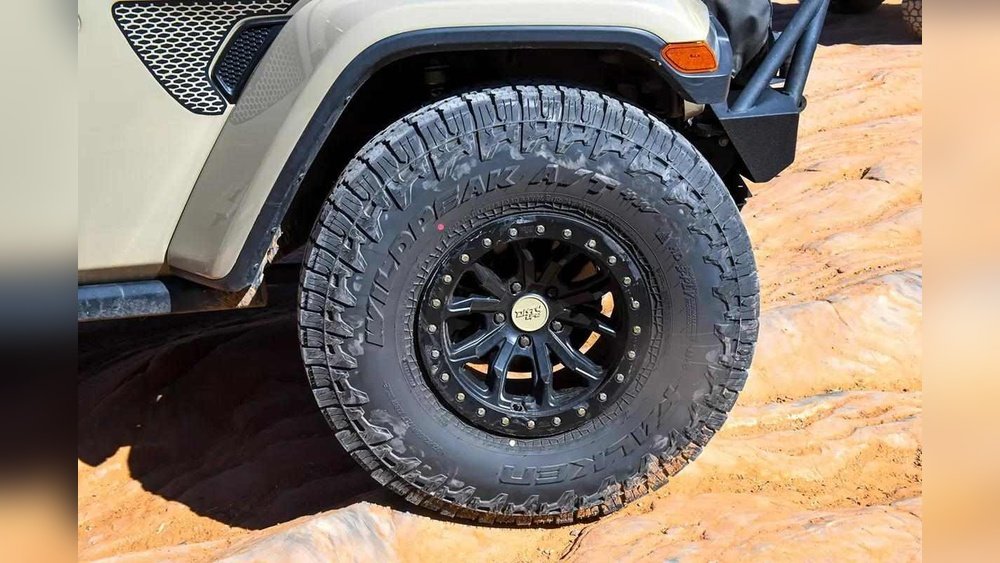
The first step is identifying the terrain you’ll drive on most often. Off road tires are designed for specific conditions. Using the wrong type can reduce performance or even damage your vehicle.
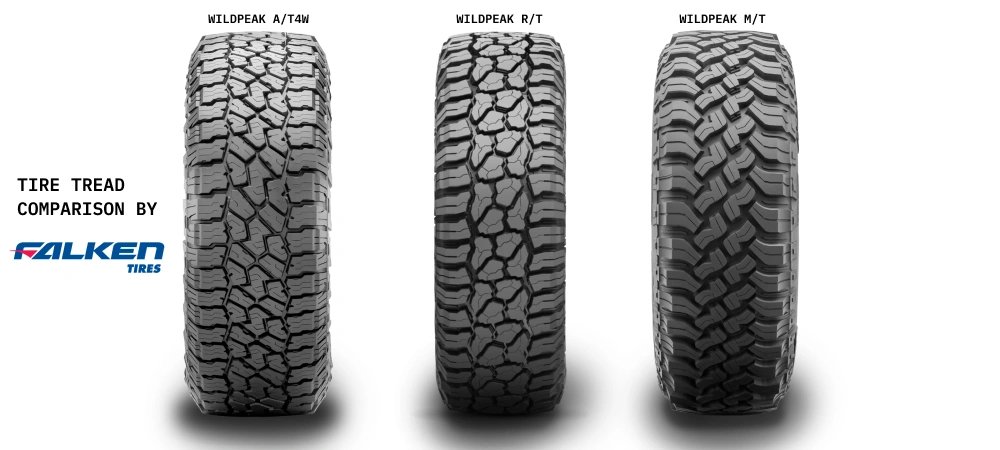
- Mud Terrain (MT): Best for deep mud, wet grass, and loose soil. These tires have large, aggressive tread blocks and wide gaps to clear mud quickly.
- All Terrain (AT): Good for mixed surfaces—gravel, light mud, and paved roads. Tread is less aggressive but offers balance between off road and highway use.
- Rock Terrain: Designed for rocky, uneven surfaces. They feature strong sidewalls and deep lugs for grip and puncture resistance.
- Sand Tires: Wide, paddle-like tread helps float over sand without digging in.
Here’s a quick comparison:
| Type | Main Use | Tread Pattern | Performance |
|---|---|---|---|
| Mud Terrain | Deep mud, loose soil | Aggressive, wide gaps | Excellent off road, noisy on road |
| All Terrain | Mixed surfaces | Moderate blocks | Good balance, quieter on road |
| Rock Terrain | Rocky paths | Deep lugs, reinforced sidewalls | Superior grip, high durability |
| Sand Tires | Sand dunes, beaches | Paddle tread | Best in sand, poor on rocks |
Tire Size And Fitment
Choosing the correct tire size is critical. Tires too large or small can affect handling, fuel economy, and even damage your suspension. Check your vehicle’s manual for recommended sizes.
Key numbers to look for:
- Width (example: 265 mm)
- Aspect Ratio (example: 70)
- Wheel Diameter (example: 17 inches)
For example, a tire marked “265/70R17” means:
- Width: 265 mm
- Height: 70% of width
- Fits 17-inch wheels
Here’s how different sizes affect performance:
| Size | Ground Clearance | Fuel Efficiency | Handling |
|---|---|---|---|
| Smaller Tires | Lower | Better | Sharp, stable |
| Larger Tires | Higher | Reduced | Slower response |
Non-obvious insight: Fitting oversized tires may require suspension modifications. If you ignore this, tires can rub against the wheel well, causing damage.
Tread Design And Durability
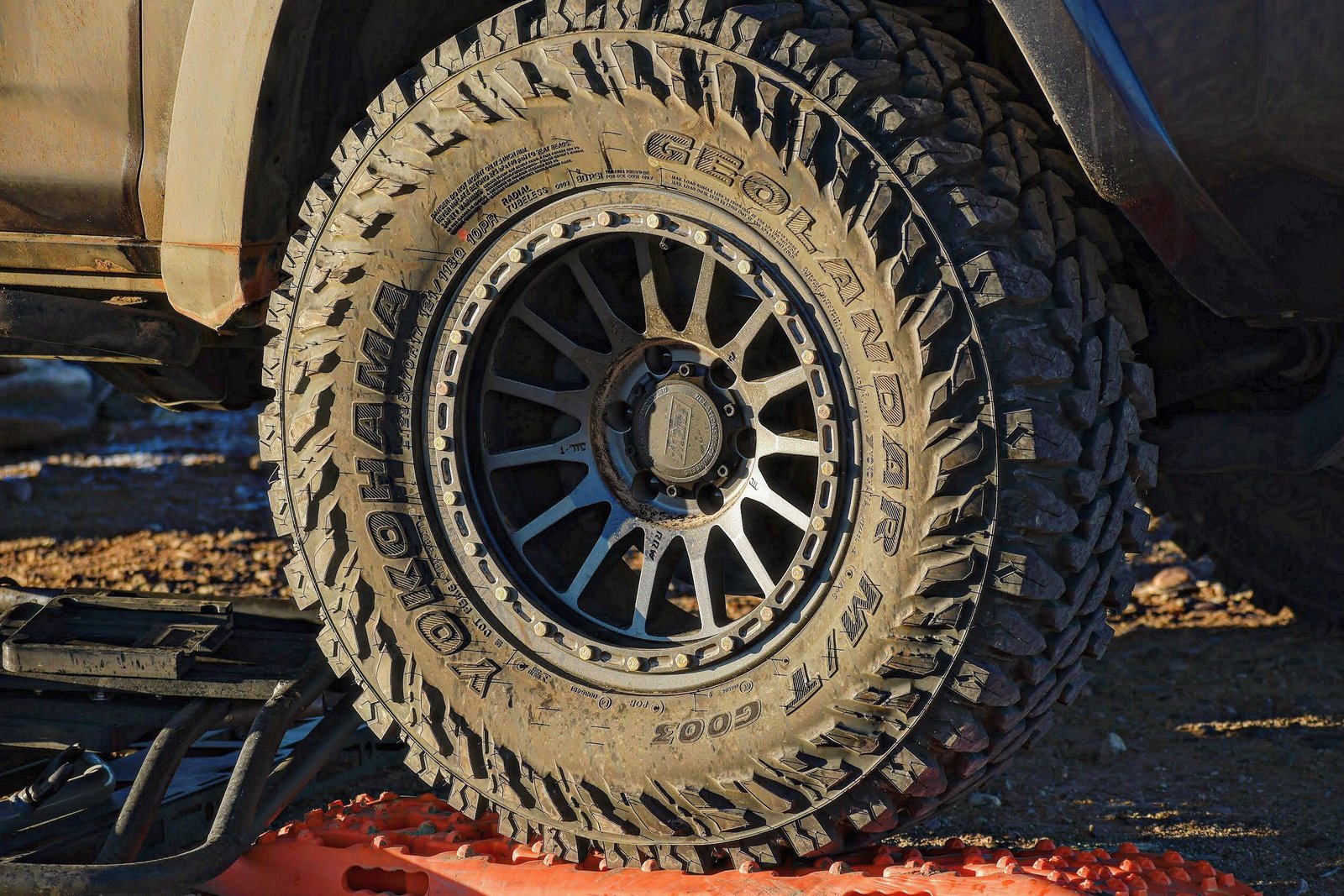
Tread design affects how your tires handle off road conditions. Deeper, wider tread blocks clear mud and rocks but may wear out faster on paved roads.
- Mud Tires: Large gaps, deep lugs. They wear quickly on pavement.
- All Terrain Tires: Smaller gaps, varied patterns. Last longer, less noisy.
- Rock Tires: Reinforced sidewalls, strong tread. Resist cuts and punctures.
Look for puncture resistance and sidewall strength if you drive over sharp rocks.
A study by Tire Review Magazine found that mud-terrain tires last about 25,000 miles on average, while all-terrain tires can reach 50,000 miles with regular rotation.
Load Rating And Speed Rating
Every tire comes with a load rating (how much weight it can carry) and speed rating (maximum safe speed).
- Load Rating: Pick tires that match or exceed your vehicle’s maximum weight, including cargo and passengers.
- Speed Rating: Most off road tires are rated “Q” (up to 99 mph) or “R” (up to 106 mph). Higher speed ratings often mean less off road grip.
Here’s a quick breakdown:
| Rating | Max Load (lbs) | Max Speed (mph) |
|---|---|---|
| Q | 2,500 | 99 |
| R | 2,900 | 106 |
| S | 3,200 | 112 |
Expert tip: Overloading your tires reduces lifespan and can cause sudden failure. Always check the load rating before buying.
Price, Brand, And Warranty
Off road tires vary widely in price. Premium brands like BF Goodrich or Goodyear offer advanced technology and longer warranties, but you pay more.
- Budget tires: $150–$200 each. Good for occasional use.
- Premium tires: $250–$400 each. Best for frequent, harsh off road driving.
Check the warranty. Some brands offer 40,000–50,000 mile guarantees, while others offer only 20,000. A longer warranty suggests better durability.
Non-obvious insight: Cheap tires can cost more in the long run. Lower tread life means you replace them sooner, and poor grip can risk safety.
For more tire comparisons and reviews, visit Tire Rack.
Common Mistakes To Avoid
- Ignoring terrain type: Using mud tires on pavement leads to noise and fast wear.
- Oversizing tires: Without suspension changes, oversized tires may cause damage.
- Skipping load rating: Overloaded tires are unsafe.
- Focusing only on price: Cheap tires often lack durability or grip.
- Not checking warranty: No warranty can mean poor quality.
Frequently Asked Questions
What’s The Difference Between All Terrain And Mud Terrain Tires?
All terrain tires are designed for mixed surfaces, including highways and light off road. They’re quieter and last longer. Mud terrain tires are made for deep mud and soft soil, with aggressive tread for maximum grip but are noisy and wear faster on pavement.
How Do I Know What Tire Size Fits My Vehicle?
Check your owner’s manual or the sticker inside your driver’s door. It lists recommended tire sizes for your model. Never go more than 1–2 inches bigger without checking for suspension compatibility.
Can I Use Off Road Tires For Daily Driving?
Yes, but it depends on the type. All terrain tires work well for daily use. Mud terrain tires are noisy and less comfortable on highways. Using rock or sand tires daily is not recommended.
How Often Should I Rotate Off Road Tires?
Rotate off road tires every 5,000–7,000 miles. This helps distribute wear evenly and extends their lifespan. Follow your manufacturer’s recommendations for best results.
Are Expensive Brands Worth The Price?
Often yes. Premium brands offer better durability, grip, and warranty. They perform well under tough conditions and last longer. If you go off road often, investing in a top brand pays off.
Choosing off road tires doesn’t have to be confusing. Focus on your terrain, size, tread, and rating.
Avoid common mistakes, and you’ll enjoy safe, confident adventures wherever you go.