Checking the transmission fluid in a 2014 Jeep Cherokee is a simple task, but it’s often overlooked. Many drivers think about oil changes and tire rotations, but forget how important transmission fluid is.
If the fluid level is too low, your Jeep may shift poorly or even suffer costly damage. The right steps will help you catch problems early and keep your vehicle running smoothly.
This guide will show you exactly how to check transmission fluid for your 2014 Jeep Cherokee, explain what to look for, and share some expert tips that most people miss.
Why Transmission Fluid Matters
Transmission fluid does more than just lubricate. It cools moving parts, ensures smooth gear shifting, and protects the transmission from wear. If your Jeep Cherokee’s fluid drops below the recommended level, you could notice rough shifting, strange noises, or even a warning light. Over time, low fluid can cause expensive repairs.
A 2014 Jeep Cherokee uses automatic transmission fluid, usually ATF+4. Jeep recommends checking the fluid every 30,000 miles, but it’s smart to look sooner if you notice issues.
What You Need Before Checking
Before you begin, gather these items:
- Clean rag or paper towel
- Gloves (optional, but recommended)
- Flashlight (if light is poor)
- Owner’s manual for your Jeep
Some Cherokees have a sealed transmission with no dipstick. If your model has a dipstick, you can check fluid easily.
If not, checking requires a special tool, and you may need a mechanic. Always check your owner’s manual to confirm.

Step-by-step: How To Check Transmission Fluid
1. Warm Up The Engine
Start your Jeep and let it run for about 10 minutes. Transmission fluid expands when hot, so checking cold can give wrong readings.
2. Park On A Level Surface
Make sure your Jeep is on flat ground. Slopes can cause inaccurate fluid levels.
3. Open The Hood
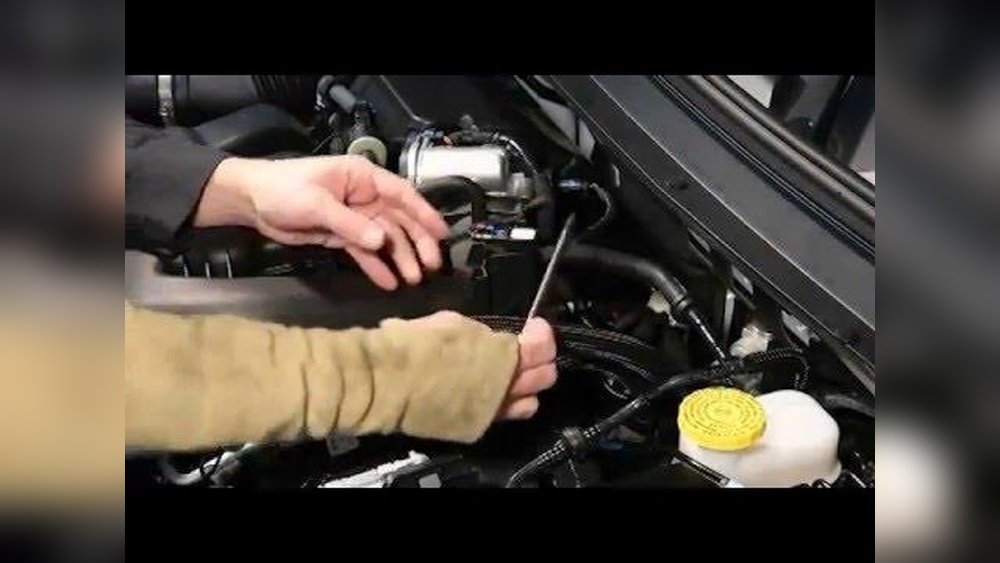
Locate the transmission dipstick. It’s usually near the engine, marked with a colored handle (often yellow or red).
4. Pull Out The Dipstick
Remove the dipstick and wipe it clean with your rag. This removes old fluid and dirt.
5. Reinsert And Remove The Dipstick
Put the dipstick back fully, then pull it out again. Check the fluid level against the markings: “Full,” “Low,” or “Add.”
6. Check Fluid Color And Smell
The fluid should be bright red and smell clean. If it’s dark, brown, or smells burnt, it may be time to change it.
7. Top Up If Needed
If the fluid is low, add the recommended ATF+4 fluid carefully. Do not overfill. Always add in small amounts and recheck.
8. Close Everything Up
Replace the dipstick and close the hood. Dispose of any used rags safely.
Common Mistakes To Avoid
- Checking fluid when the engine is cold
- Using the wrong fluid type
- Overfilling (can cause leaks or shifting problems)
- Ignoring dirty or burnt fluid
Many beginners forget to check fluid color and smell, not just the level. Dirty fluid can cause issues even if the level is correct.
Comparison: Dipstick Vs. Sealed Transmission
Some 2014 Jeep Cherokees have a sealed transmission. Here’s how they compare:
| Type | Ease of Check | Tools Needed | Maintenance |
|---|---|---|---|
| Dipstick | Easy | Rag, flashlight | DIY possible |
| Sealed | Difficult | Special tool | Mechanic recommended |
Always check your manual. If you have a sealed transmission, you may need professional help.

Signs Your Transmission Fluid Needs Attention
Here are some warning signs that point to transmission fluid problems:
- Gear slipping – The Jeep feels like it’s changing gears on its own.
- Delayed shifting – Takes longer to shift between gears.
- Grinding noises – Unusual sounds when driving or shifting.
- Fluid leaks – Red fluid under your Jeep.
- Warning lights – Dashboard alerts for transmission issues.
If you notice any of these, check the fluid right away or visit a mechanic.
How Often Should You Check?
Jeep suggests checking transmission fluid every 30,000 miles, but if you drive in tough conditions (mountain roads, towing, stop-and-go traffic), check more often. High heat and heavy loads stress the transmission, so fluid can degrade faster.
Data: Transmission Fluid Change Interval
| Condition | Check Interval | Change Interval |
|---|---|---|
| Normal driving | 30,000 miles | 60,000 miles |
| Heavy use | 15,000 miles | 30,000 miles |
Expert Tips Most People Miss
- Always use ATF+4 fluid. Other fluids can damage your Jeep’s transmission.
- Keep a record of checks and changes. It helps spot patterns if problems start.
- If the fluid looks milky, water may have entered the system. This is serious—visit a mechanic soon.
- When adding fluid, use a funnel to avoid spills.
Quick Reference: Fluid Levels
Here’s a summary of what each fluid level means:
| Level | Action | Risk |
|---|---|---|
| Full | No action | Safe |
| Low | Add fluid | Possible shifting issues |
| Add | Top up ASAP | High risk of damage |
When To See A Mechanic
If you’re not comfortable checking the fluid or notice any warning signs, it’s safer to visit a professional. Sealed transmissions require special tools and experience.
Mechanics can also check for leaks, contamination, and other problems.
For more technical details, you can check the official Jeep owner’s manuals.
Frequently Asked Questions
How Do I Know If My Jeep Cherokee Has A Dipstick Or Sealed Transmission?
Check your owner’s manual or look under the hood. If you don’t see a dipstick, your transmission may be sealed.
What Type Of Transmission Fluid Does A 2014 Jeep Cherokee Use?
Use ATF+4 fluid. Other types can cause damage and void your warranty.
Can I Check Transmission Fluid Myself If It’s Sealed?
No, sealed transmissions need special tools and skills. It’s best to visit a mechanic.
What Happens If I Overfill The Transmission Fluid?
Too much fluid can cause leaks, foaming, or shifting problems. Always add fluid in small amounts and recheck.
How Can I Tell If The Transmission Fluid Is Bad?
Look for dark color, burnt smell, or milky appearance. If you see any of these, change the fluid or visit a mechanic.
Keeping your 2014 Jeep Cherokee’s transmission fluid at the right level is simple but essential. With these steps and tips, you can protect your vehicle and avoid costly repairs.
If you’re unsure or notice problems, don’t hesitate to seek expert help.