Your Jeep’s check engine light just came on—now what? Instead of stressing or heading straight to the mechanic, you can take control and find out what’s going on yourself.
Knowing how to check the check engine light on your Jeep can save you time, money, and unnecessary worry.
Whether you have a scanner or not, this guide will walk you through simple steps to read the codes and understand what your Jeep is trying to tell you.
Ready to become your own Jeep expert? Let’s dive in and get your ride back on the road with confidence.
Locate The Check Engine Light
Finding the check engine light on your Jeep is the first step to diagnosing any issues. This light alerts you when the engine or emissions system needs attention.
Knowing its exact location helps you respond quickly.
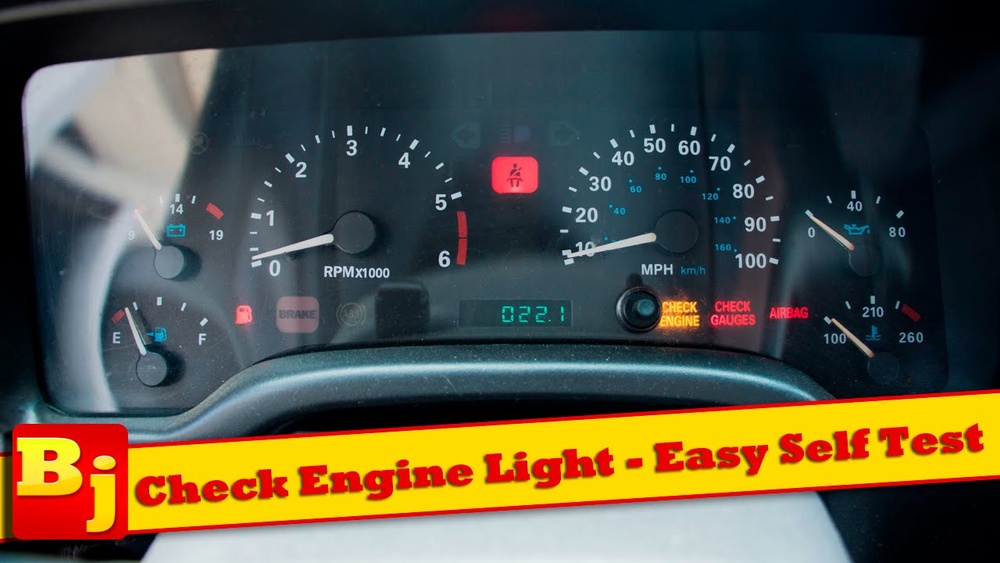
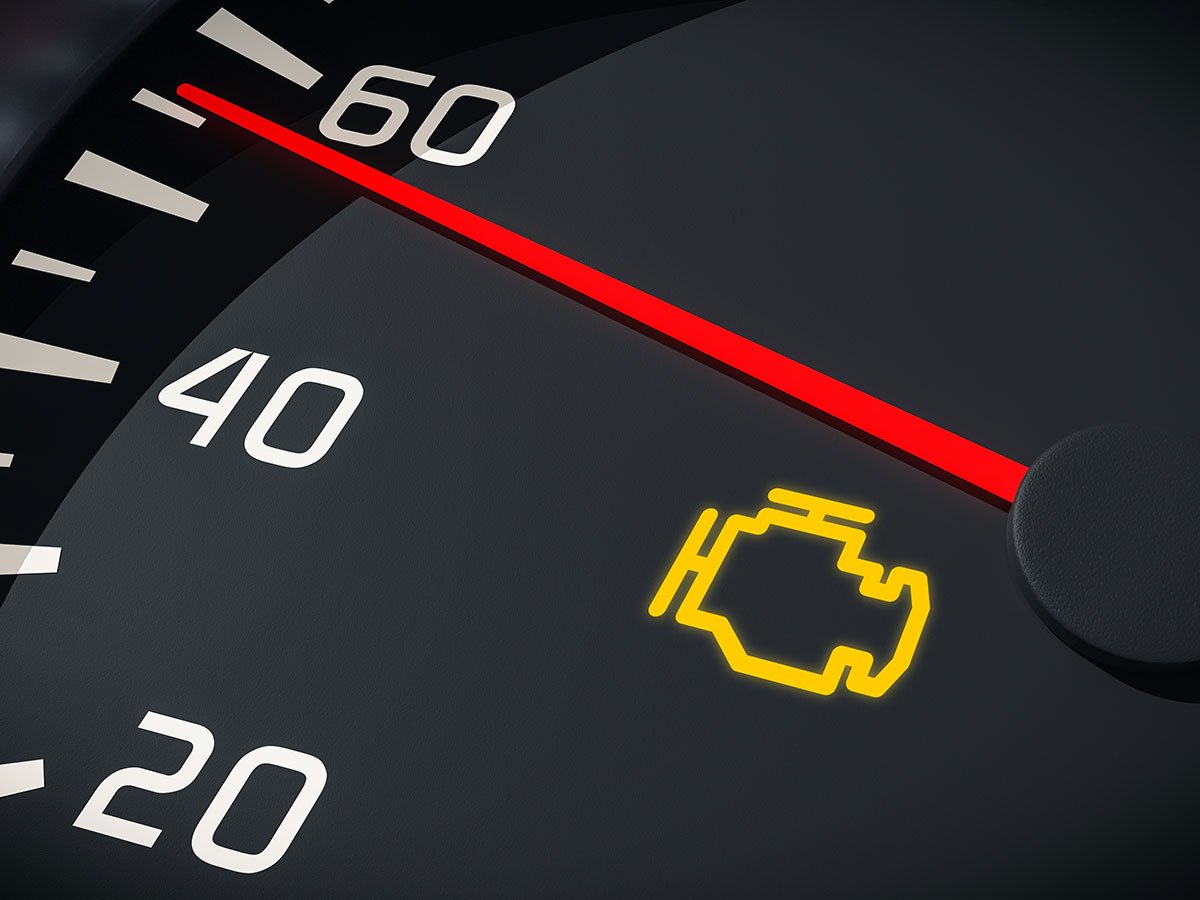
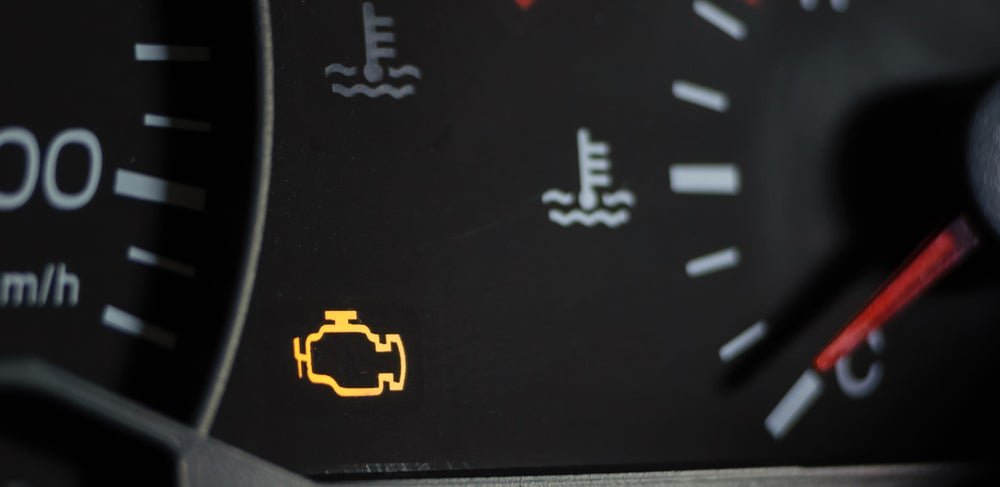
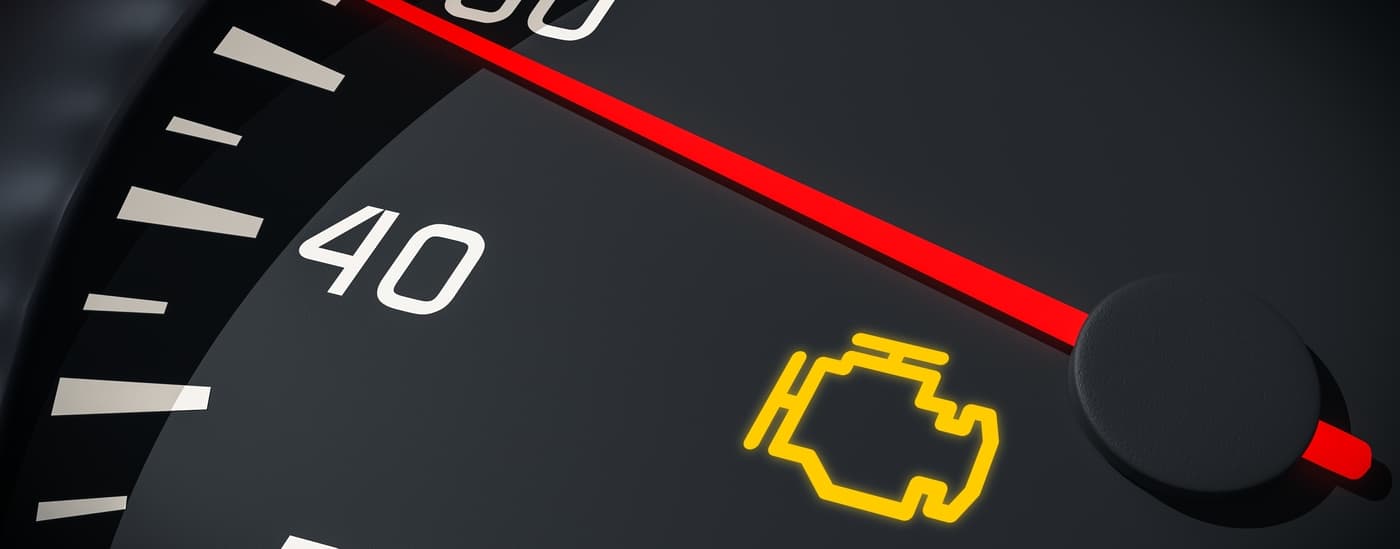
The check engine light is usually on the dashboard. It appears as a small engine icon or the words “Check Engine.”
Look On The Instrument Cluster
The instrument cluster sits behind the steering wheel. It shows important information like speed and fuel level.
The check engine light is part of this panel. It lights up when you turn the key to the on position.
Check Near The Speedometer Or Tachometer
This light often appears near the speedometer or tachometer. It is usually amber or yellow.
The color helps it stand out among other dashboard indicators.
Consult Your Jeep’s Owner Manual
The owner manual shows the exact location of the check engine light. It also explains what the light means.
Keep the manual in your glove box for easy access.
Read Codes Without A Scanner
Using an OBD-II scanner is the most reliable way to check the check engine light on your Jeep. This tool reads the car’s computer and finds error codes.
These codes tell you what might be wrong with your vehicle. It saves time and helps avoid unnecessary repairs.
Choose The Right Scanner
Select a scanner that works with Jeep models. Basic scanners read and clear codes.
Advanced ones show live data and detailed info. Pick one with clear instructions and good reviews.
A wireless scanner can connect to your phone for convenience.
Connect The Scanner To Your Jeep
Locate the OBD-II port under the dashboard. It is usually near the steering column.
Plug the scanner into the port firmly. Turn the ignition key to the ON position, but do not start the engine.
The scanner will power on and begin communication.
Interpret The Diagnostic Trouble Codes
The scanner displays codes like P0420 or P0301. Each code points to a specific issue.
Use the scanner’s manual or an online database to understand the meaning. Some scanners offer explanations directly.
Write down the codes for reference or to share with a mechanic.
Use An Obd-ii Scanner
The check engine light on your Jeep signals a problem in the vehicle’s system. It can turn on for many reasons.
Knowing common causes helps you decide what to do next. Some issues are simple and easy to fix.
Others may need a mechanic’s help. Check these common reasons to understand why the light might be on.
Loose Or Damaged Gas Cap
A loose or damaged gas cap can cause the check engine light to come on. It affects the fuel system’s pressure.
This makes the engine run inefficiently. Tighten the gas cap until it clicks.
Replace it if it looks cracked or broken. This simple step often turns the light off.
Faulty Oxygen Sensor
The oxygen sensor measures the air and fuel mix in the engine. A faulty sensor sends wrong data to the engine control unit.
This can cause poor fuel economy and higher emissions. Replacing a bad oxygen sensor can improve performance and turn off the light.
Bad Catalytic Converter
The catalytic converter reduces harmful gases from the exhaust. A bad converter can cause the engine to run poorly.
It may also increase emissions and hurt fuel efficiency. This problem usually needs a mechanic to fix or replace the converter.
Worn Spark Plugs
Worn spark plugs can cause misfires and rough engine running. They affect the engine’s power and fuel use.
Replacing old spark plugs can improve performance. It often clears the check engine light as well.
Common Reasons For The Light
The check engine light on your Jeep signals that the vehicle’s computer has detected a problem. Resetting this light can help you clear minor issues after repairs or maintenance.
It also allows you to see if the problem returns, indicating a deeper issue.
Resetting the check engine light does not fix the underlying problem. It only turns off the warning temporarily.
Understanding how to reset the light can save time and help you monitor your Jeep’s condition.
Manual Reset Methods
You can reset the check engine light manually without special tools. One common method is to disconnect the Jeep’s battery.
Remove the negative terminal cable for about 15 minutes. This action clears the car’s memory and resets the light.
Another way is to use the ignition key. Turn the key to the “On” position without starting the engine.
Then, turn it off and repeat this cycle three times. On the last turn, leave the key in the “On” position.
This can reset the light on some Jeep models.
When The Light Resets Automatically
The check engine light can reset itself after the issue is fixed. Your Jeep’s computer runs tests on the system during driving.
If the problem no longer exists, the light will turn off automatically.
This process may take several driving cycles or a few days to complete. If the light stays on, the issue might still be present.
In this case, further diagnosis is necessary to avoid damage or poor performance.
Resetting The Check Engine Light
The check engine light on your Jeep can cause concern. It signals the vehicle’s computer has detected a problem.
Knowing whether you can keep driving is important. Some issues are urgent, while others may wait for a repair.
Understanding the urgency helps avoid further damage or safety risks.
Assessing Urgency
First, look at the check engine light color and behavior. A steady light usually means a minor problem.
You can drive carefully to a mechanic. A flashing light signals a serious issue.
Stop driving immediately to prevent damage. Listen for strange noises or loss of power.
These signs mean urgent attention is needed. Check if other warning lights appear. They often show critical faults.
Safety Tips While Driving
Drive slowly and avoid heavy acceleration. Keep your distance from other cars.
Turn off extra electrical devices to reduce engine load. Watch the temperature gauge for overheating.
If the engine feels rough or stalls, pull over safely. Use hazard lights if you stop on the road.
Call for roadside assistance if unsure about driving. Always prioritize safety for yourself and others.
Frequently Asked Questions
How Do I Check My Jeep Code Without A Scanner?
Turn the ignition key on and off three times, ending in the on position. Watch the odometer for flashing codes.
Can I Drive My Jeep With The Engine Light On?
You can drive your Jeep with the engine light on, but avoid long trips. Check the code quickly to prevent damage.
Visit a mechanic if the light stays on or flashes.
Will The Jeep Check Engine Light Reset Itself?
The Jeep check engine light may reset itself after the issue clears. Often, it stays on until you fix the problem or manually reset it.
Can I Check My Check Engine Light Myself?
Yes, you can check your check engine light yourself using an OBD-II scanner. Connect it to your vehicle’s port to read error codes.
Some models let you retrieve codes by turning the ignition key in a specific sequence. Always refer to your vehicle’s manual for exact instructions.
Conclusion
Checking the check engine light on your Jeep is simple and important. You can read the codes yourself or use an affordable scanner.
Knowing the code helps you understand what needs fixing. Don’t ignore the light; it protects your engine and saves money.
Regular checks keep your Jeep running smoothly and safely. Stay informed and act quickly when the light appears.
Your Jeep will thank you for the care.



















