Charging your Jeep hybrid is simple once you understand the basics. Many owners worry about making mistakes or damaging the battery, but with the right knowledge, you can keep your vehicle ready for any adventure.
If you’re new to hybrids or just bought a Jeep 4xe, this guide will walk you through everything, charging options, step-by-step instructions, common issues, and smart tips to get the most out of your plug-in hybrid.
Understanding Jeep Hybrid Charging
Jeep’s plug-in hybrid models, like the Jeep Wrangler 4xe and Grand Cherokee 4xe, use both a gasoline engine and an electric motor.
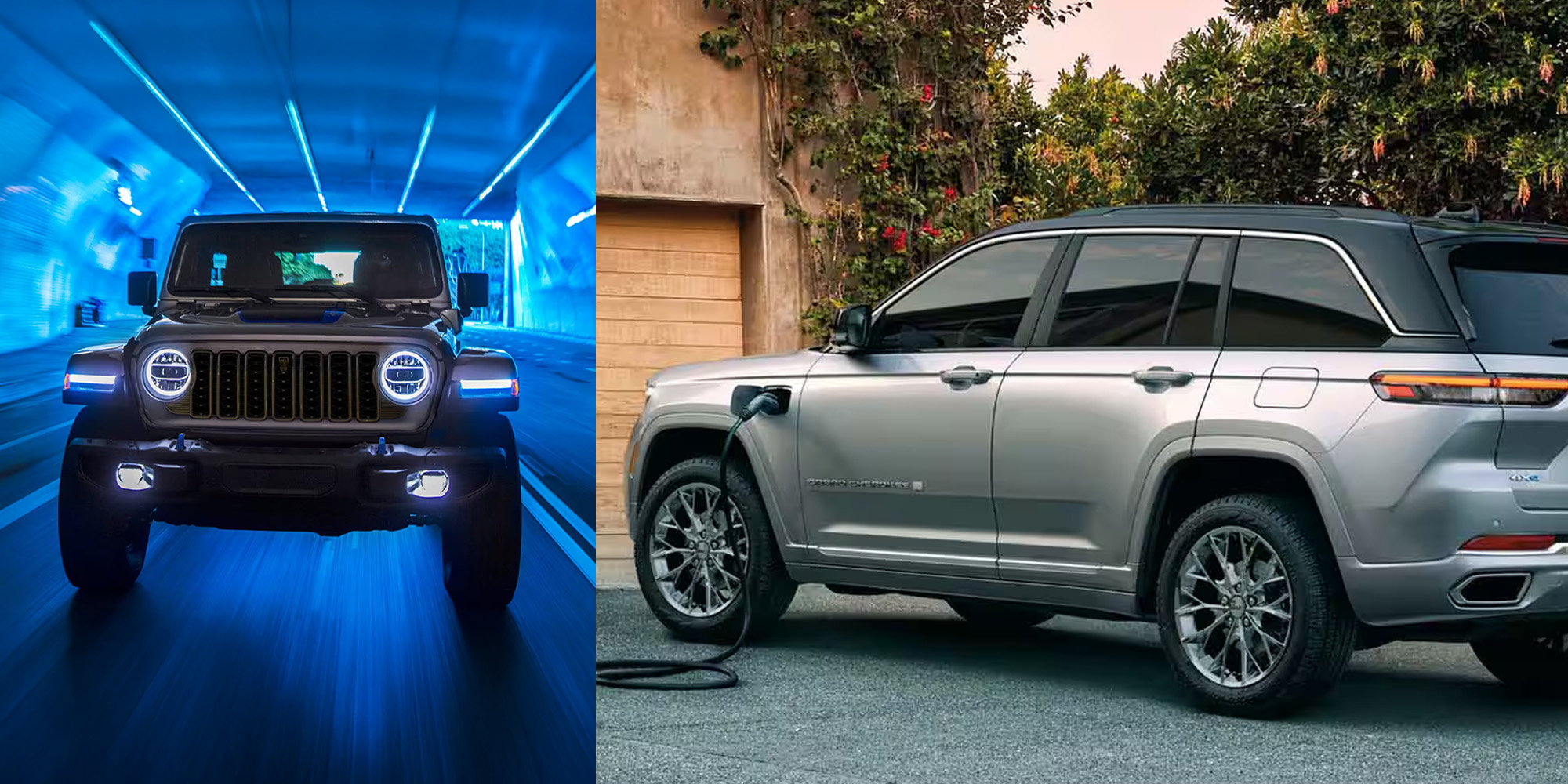
The electric motor is powered by a battery that you must charge from an external source.
Charging is what makes the “plug-in” part possible, allowing for electric-only driving for short distances and improved fuel efficiency.
Types Of Charging
Jeep hybrids support two main types of charging:
- Level 1 Charging (120V): Uses a standard home outlet. It’s slow but convenient, especially overnight.
- Level 2 Charging (240V): Uses a special charging station, much faster than Level 1.
Here’s a simple comparison:
| Charging Type | Source | Time (0–100%) | Best Use |
|---|---|---|---|
| Level 1 | Standard outlet (120V) | 12–14 hours | Overnight/home charging |
| Level 2 | 240V charging station | 2–3 hours | Quick charging, daily use |
Level 3 charging (DC Fast Charging) is not available for Jeep plug-in hybrids, so Level 2 is the fastest option.
Step-by-step: Charging Your Jeep Hybrid
Charging your Jeep hybrid is almost as easy as charging a smartphone. Here’s what you need to do:
1. Park And Turn Off
Make sure your vehicle is parked and turned off. Set the parking brake for safety.
2. Open The Charging Port
The charging port is usually on the driver’s side, near the front. Press the cover to open.
3. Connect The Charger
Plug the charger into the port until you hear a click. The charging light on the dashboard should turn on.
4. Check Charging Status
Your Jeep’s instrument panel will show the charging status. A blue or green light means charging is in progress.
5. Wait For Full Charge
For Level 1, leave it overnight. For Level 2, charging will finish in a few hours.
Charging stops automatically when the battery is full.
6. Disconnect Safely
Unplug the charger from the vehicle, close the charging port, and store the cable.
Charging At Home Vs. Public Stations
You can charge at home or use public charging stations. Home charging is more convenient and cheaper. Public stations are great for quick top-ups.
Here’s how costs can compare:
| Location | Cost per kWh | Estimated Full Charge Cost |
|---|---|---|
| Home | $0.13 | $1.50–$2.00 |
| Public Station | $0.25–$0.50 | $3.00–$7.00 |
Choosing The Right Charging Equipment
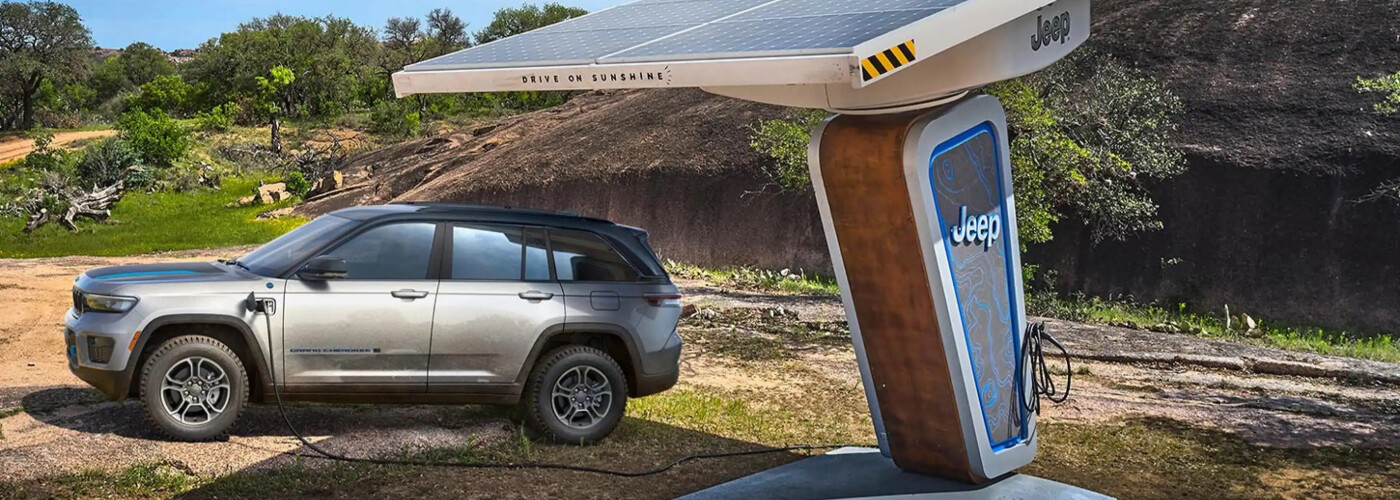
To maximize convenience, consider installing a Level 2 home charging station. This requires a 240V power source. Many Jeep owners choose brands like ChargePoint or JuiceBox. Installation costs vary, but often pay off with faster charging and increased home value.
What To Look For
- Power output: 32A or higher for fastest charging
- Cable length: At least 20 feet for flexibility
- Smart features: WiFi control, timers, usage tracking
Some utilities offer rebates or tax credits for installing a charger at home. Check with your local provider before buying.
Maximizing Battery Life And Efficiency
A common concern is battery health. Here are two insights many beginners miss:
- Avoid frequent deep discharges. Try to keep your battery above 20% most of the time.
- Charge during off-peak hours. Electricity is cheaper late at night, and some utilities offer special rates.
Also, cold or hot weather can affect charging speed and battery range. Pre-conditioning your Jeep (warming or cooling it while plugged in) helps save battery power for driving.
Common Charging Mistakes To Avoid
Many new owners make small mistakes that can shorten battery life or waste energy. Here’s what to watch out for:
- Using extension cords: These can cause overheating. Always use the cable supplied with your Jeep.
- Not plugging in regularly: Even if you don’t drive far, keeping the battery topped up helps it last longer.
- Ignoring software updates: Jeep sometimes releases updates that improve charging or battery management. Check for these during service visits.
Troubleshooting Charging Problems
Sometimes charging doesn’t start or stops unexpectedly. Here are a few things to check:
- Is the outlet working? Try plugging in another device.
- Is the charging cable damaged? Inspect for cuts or kinks.
- Are dashboard lights showing errors? The owner’s manual or Jeep app can explain warning lights.
- Is the weather extreme? Very hot or cold temperatures can limit charging speed.
If problems persist, contact a dealer or use Jeep’s customer support.
Frequently Asked Questions
How Long Does It Take To Charge A Jeep Hybrid?
With a Level 1 charger, it takes about 12 14 hours for a full charge. Level 2 charging takes around 2 3 hours.
Can I Use A Public Charging Station?
Yes. Most public stations use the same J1772 connector as Jeep hybrids. Always check for fees or membership requirements.
Is It Safe To Charge In The Rain?
Charging your Jeep hybrid is safe in rain or snow. Both the vehicle and the charging cable are designed for outdoor use.
How Much Does Home Charging Increase My Electric Bill?
Charging a Jeep hybrid usually adds $10 $20 per month, depending on how often you drive electric. Home charging is much cheaper than gasoline.
Where Can I Find More Information About Plug-in Hybrids?
You can learn more from the official Jeep website or reliable sources like US Department of Energy.
Charging your Jeep hybrid is simple with the right steps and equipment. By understanding your options and avoiding common mistakes, you’ll enjoy a cleaner, more efficient drive every day.