Jeep vehicles are known for off-road adventures, but many models, like the Wrangler JL or Grand Cherokee, use a dual battery system, a main battery and an auxiliary battery. The auxiliary battery supports features like start-stop, security, and electronics.
Sometimes, you may see warning lights or trouble starting your Jeep, which can signal the auxiliary battery is low or dead. Charging it is different from a regular car battery.
If you’re new to this, don’t worry. This guide explains step-by-step how to charge auxiliary battery Jeep, covers tools you need, safety tips, and common mistakes to avoid.
Understanding The Auxiliary Battery In Your Jeep
Before charging, it’s important to know why your Jeep has an auxiliary battery. Modern Jeeps use an auxiliary battery to power accessories, run stop-start systems, and protect the main battery. When the auxiliary battery fails, you might notice:
- Start-stop system not working
- Warning messages like “Stop/Start Unavailable”
- Headlights or radio not working right
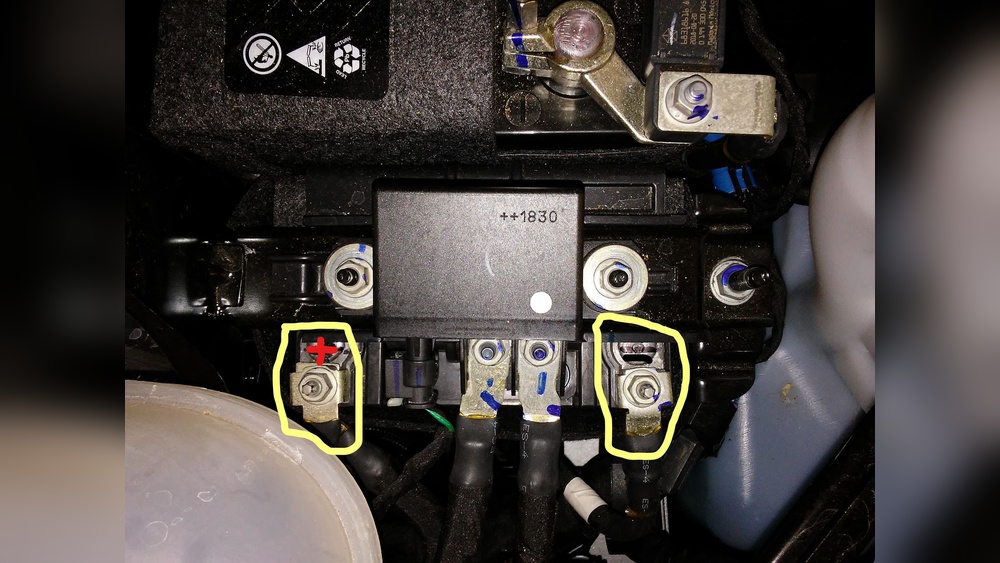
The auxiliary battery is usually 12 volts, but it’s smaller than the main battery. Its location depends on your Jeep model, often under the passenger seat, near the main battery, or in a special compartment. Always check your owner’s manual for the exact spot.
Signs Your Jeep’s Auxiliary Battery Needs Charging
Not sure if the auxiliary battery is the problem? clear signs:
- Stop/Start Warning Light: This is the most common indicator.
- Electrical Problems: Dim lights, slow power windows, or infotainment glitches.
- Battery Voltage: If you check with a multimeter, anything below 12.4 volts is considered low.
- DTC Codes: Mechanics can scan for codes like B14C2 or B14D1, which show auxiliary battery issues.
If you see these, it’s time to check and charge your auxiliary battery.
Tools And Materials Needed
You don’t need expensive tools to charge the auxiliary battery, but having the right equipment makes the job easier and safer:
- Smart battery charger (with 12V setting, 1-10 amps)
- Basic hand tools (for battery access, usually 10mm socket)
- Multimeter (to check voltage)
- Safety gloves and goggles
- Wiring diagram or owner’s manual
- Battery terminal cleaner (optional)
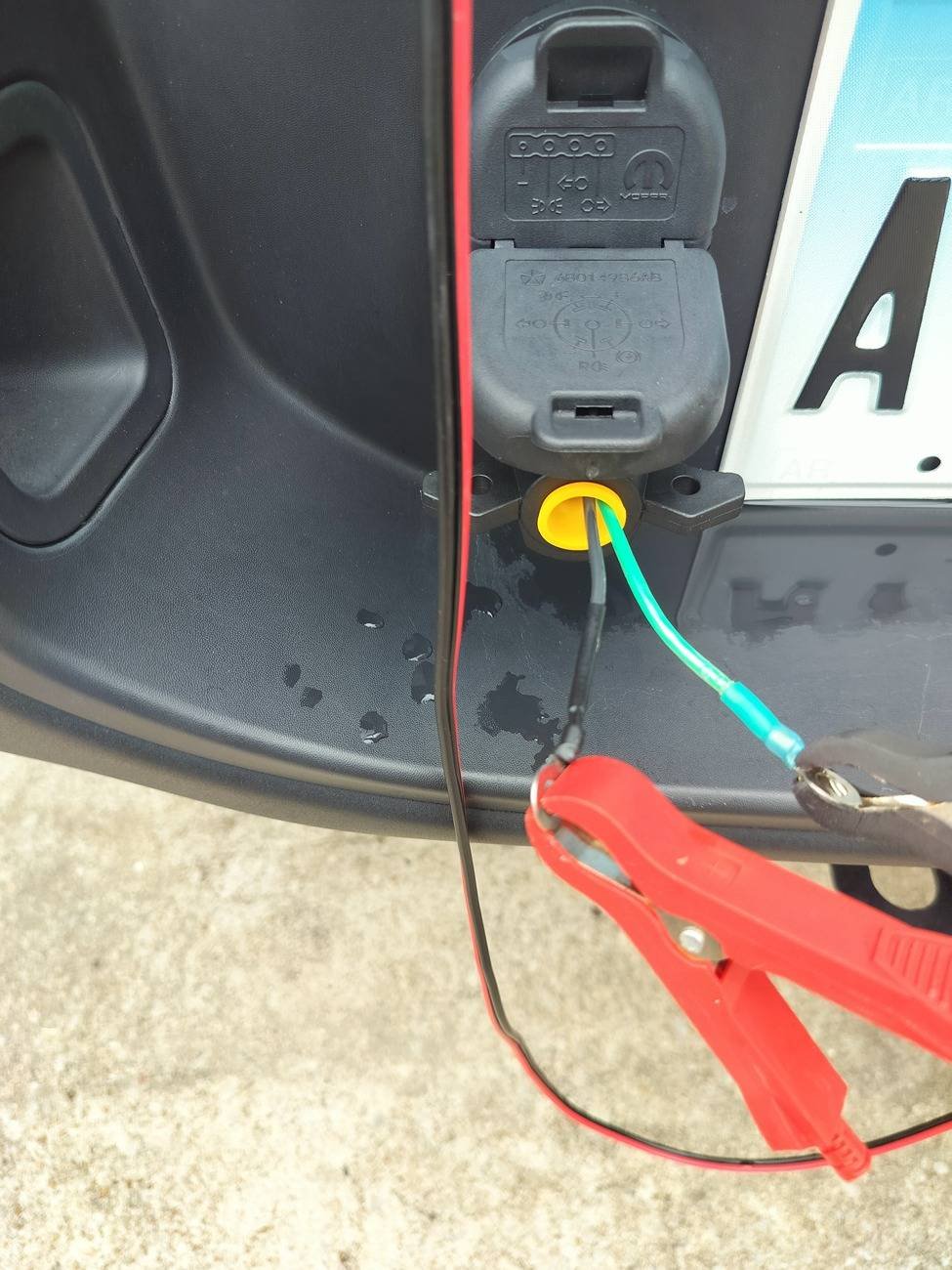
Avoid using jump-start cables directly on the auxiliary battery; it can damage the system. Always follow Jeep’s safety instructions.
How To Charge Auxiliary Battery Jeep: Step-by-step
Here’s a clear process to safely charge your Jeep’s auxiliary battery. Let’s break it down.
1. Locate The Auxiliary Battery
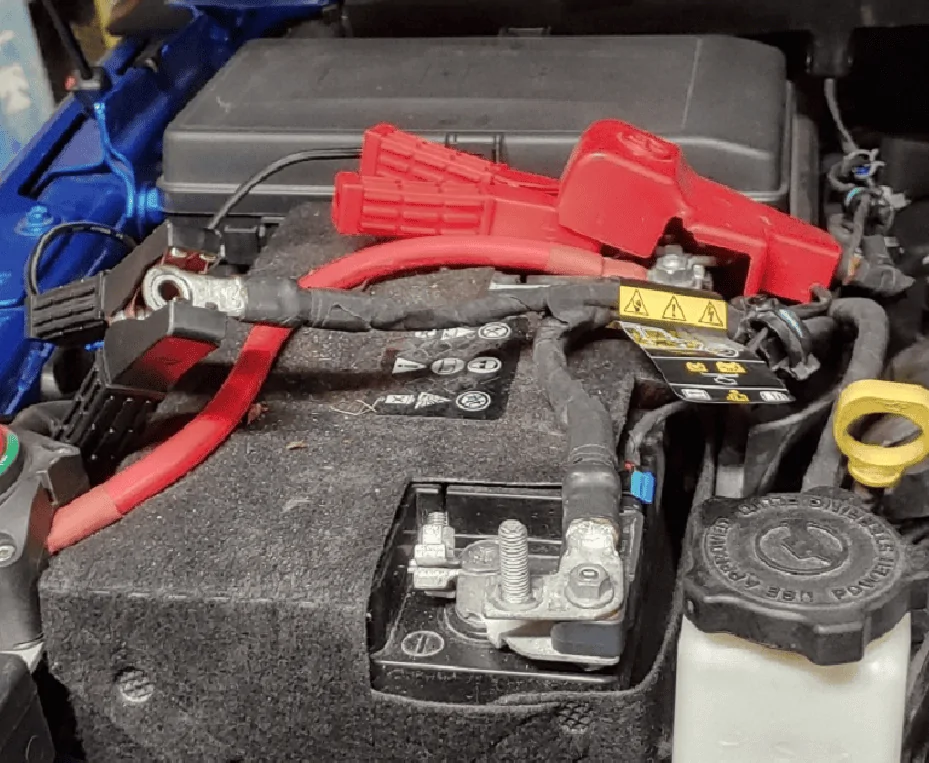
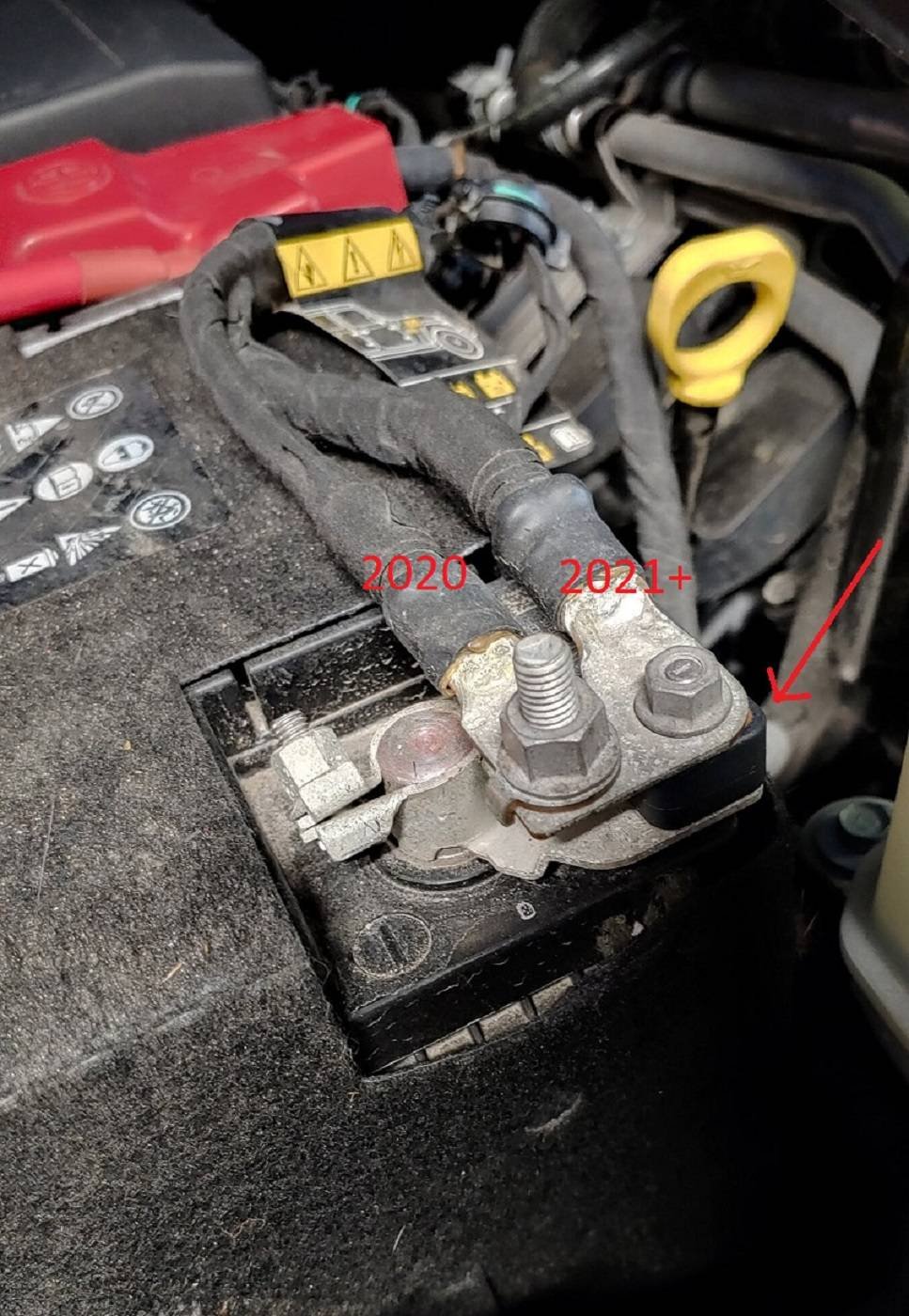
First, find the auxiliary battery. In most Jeep Wranglers (JL, JT), it sits next to or under the main battery under the hood.
In Grand Cherokees, it can be in the trunk or under a seat.
- Open the hood or the battery compartment.
- You may need to remove a plastic cover or bracket.
Always disconnect the main battery’s negative terminal first to avoid short circuits.
2. Check Battery Voltage
Use a multimeter to check the auxiliary battery’s voltage:
- Set the multimeter to DC volts.
- Place the red lead on the positive terminal, black on negative.
- A healthy battery shows around 12.6V-12.8V. Below 12.4V means it needs charging.
3. Disconnect The Auxiliary Battery (if Needed)
Some Jeeps have the auxiliary battery wired in parallel with the main battery. To avoid electrical issues:
- Disconnect the negative terminal of the main battery first.
- Remove connections to the auxiliary battery.
- Take out the auxiliary battery if charging outside the vehicle.
Note: Some chargers allow you to charge “in-vehicle.” Check your charger’s instructions.
4. Connect The Battery Charger
- Attach the positive charger clamp (red) to the auxiliary battery’s positive terminal.
- Attach the negative charger clamp (black) to the negative terminal.
- Set the charger to 12V and a slow charge rate (1-4 amps is best for small batteries).
Always double-check connections before turning on the charger.
5. Start Charging
- Plug in and turn on the charger.
- Let it charge until the charger indicates “full” or the voltage reaches 12.6 to 12.8V.
- This can take 2 to 6 hours, depending on battery size and charger speed.
Do not rush the process with a high-amp setting it can damage small auxiliary batteries.
6. Reconnect And Test
- Disconnect the charger clamps (negative first, then positive).
- Reinstall the auxiliary battery if you removed it.
- Reconnect battery terminals (positive first, then negative).
- Start your Jeep and check for warning lights.
- Test stop/start and electronics to confirm proper operation.
If issues remain, the battery may be failing and need replacement.
Charging Methods Compared
Different methods exist to charge a Jeep auxiliary battery. Here’s how they compare:
| Method | Pros | Cons | Cost |
|---|---|---|---|
| Smart Battery Charger | Safe, automatic shutoff, protects battery | Needs access to battery, 2 to 6 hours charging | $40, $100 |
| Trickle Charger | Good for long-term maintenance | Very slow, not for fast charging | $20, $60 |
| Jump Starting | Quickest way to start engine | Can damage electronics, not for charging | Free (if you have cables) |
| Professional Garage | All work done for you, diagnostic check | More expensive, need to schedule | $50, $150 |
Smart chargers are usually the best option for beginners.
Common Mistakes To Avoid
Even experienced Jeep owners make errors when charging auxiliary batteries. Here are mistakes to watch out for:
- Charging too fast: High-amp settings can overheat and damage the small auxiliary battery.
- Wrong charger type: Using a charger without automatic shutoff can overcharge and shorten battery life.
- Skipping battery disconnect: Not disconnecting the main battery can cause electrical shorts or confuse the Jeep’s electronics.
- Ignoring safety: Always wear gloves and goggles; batteries can leak acid or spark.
- Jump starting repeatedly: This does not charge the auxiliary battery and can hurt electrical parts over time.
A good charger with auto shutoff and proper steps will avoid most problems.
How Much Does It Cost To Charge Or Replace?
Charging the auxiliary battery at home is usually cheap, just the cost of electricity and a charger (about $0.10, $1 in electricity per charge). Buying a smart charger costs $40, $100, but you can use it for years.
If you need a new auxiliary battery, prices are:
| Battery Type | Estimated Cost (USD) | Average Lifespan |
|---|---|---|
| OEM Jeep Auxiliary | $80, $150 | 2 to 4 years |
| Aftermarket AGM | $60, $120 | 2 to 3 years |
| Professional Replacement (labor included) | $150, $250 | , |
Auxiliary batteries wear out faster than the main battery, especially with heavy accessory use or lots of stop/start driving.
Practical Tips For Longer Battery Life
Want to avoid charging too often? These tips help your auxiliary battery last longer:
- Drive regularly: Short trips drain batteries. Drive at least 20 minutes weekly.
- Turn off accessories: Don’t leave lights or electronics running with the engine off.
- Check battery terminals: Clean corrosion and tighten loose connections.
- Use a maintainer: For Jeeps parked long-term, use a trickle charger to keep batteries full.
- Test twice a year: Use a multimeter every spring and fall to catch problems early.
Many Jeep owners skip these simple habits and end up replacing batteries more often.
What If Charging Doesn’t Work?
If the auxiliary battery still won’t hold a charge or your Jeep keeps showing warning lights, consider these next steps:
- Test the battery: If voltage drops below 12V after charging, it’s likely dead.
- Check fuses and wiring: A blown fuse or loose cable can stop charging.
- Visit a mechanic: Sometimes, the issue is with the start-stop system or alternator.
Most dealerships or auto shops can test and replace the battery if needed. For more in-depth technical data, you can refer to the Wikipedia page on lead-acid batteries.
Troubleshooting Guide
Here’s a quick troubleshooting table for common Jeep auxiliary battery issues:
| Symptom | Possible Cause | Solution |
|---|---|---|
| Stop/Start not working | Low auxiliary battery voltage | Charge or replace auxiliary battery |
| Repeated warning messages | Battery near end of life | Test and consider replacement |
| Battery drains overnight | Parasitic drain, bad wiring | Check for lights/electronics left on, inspect wiring |
| Slow engine start | Main battery also weak | Test and charge both batteries |
<!– wp:rank-math/faq-block {"questions":[{"id":"faq-question-b36cd0614bbf","title":"What Is The Purpose Of The Auxiliary Battery In My Jeep?","content":"
The auxiliary battery helps run the start-stop system and powers extra electronics. It prevents the main battery from draining when the engine stops at lights or in traffic.
“,”visible”:true},{“id”:”faq-question-c7a9f4bc35eb”,”title”:”Can I Use A Regular Battery Charger On My Jeep’s Auxiliary Battery?”,”content”:”Yes, you can use a 12V smart charger with a low amp setting. Avoid high-amp or fast chargers, as they can damage the smaller auxiliary battery.
“,”visible”:true},{“id”:”faq-question-85a6b339fd31″,”title”:”How Long Does It Take To Charge The Auxiliary Battery?”,”content”:”Charging usually takes 2 to 6 hours with a smart charger, depending on battery size and how low it is. Always monitor the charger for automatic shutoff.
“,”visible”:true},{“id”:”faq-question-0b40121c62be”,”title”:”What Happens If I Ignore A Dead Auxiliary Battery?”,”content”:”Your Jeep’s stop/start system will stop working, and you may see warning lights. Over time, other electronics may work poorly, and the main battery will wear out faster.
“,”visible”:true},{“id”:”faq-question-2eff341957a0″,”title”:”How Often Should I Check My Auxiliary Battery?”,”content”:”Check the auxiliary battery every 6 months or if you see warning lights. Regular voltage checks help catch problems early.
“,”visible”:true}]} –>What Is The Purpose Of The Auxiliary Battery In My Jeep?
The auxiliary battery helps run the start-stop system and powers extra electronics. It prevents the main battery from draining when the engine stops at lights or in traffic.
Can I Use A Regular Battery Charger On My Jeep's Auxiliary Battery?
Yes, you can use a 12V smart charger with a low amp setting. Avoid high-amp or fast chargers, as they can damage the smaller auxiliary battery.
How Long Does It Take To Charge The Auxiliary Battery?
Charging usually takes 2 to 6 hours with a smart charger, depending on battery size and how low it is. Always monitor the charger for automatic shutoff.
What Happens If I Ignore A Dead Auxiliary Battery?
Your Jeep’s stop/start system will stop working, and you may see warning lights. Over time, other electronics may work poorly, and the main battery will wear out faster.
How Often Should I Check My Auxiliary Battery?
Check the auxiliary battery every 6 months or if you see warning lights. Regular voltage checks help catch problems early.
Jeep Auxiliary Battery Charging: Final Thoughts
Charging the auxiliary battery in your Jeep isn’t difficult, but it does require the right tools and steps. Regular checks and using a smart charger can save you from bigger problems.
If you spot warning lights or stop/start issues, don’t ignore them test and charge the auxiliary battery soon.
With these tips, your Jeep will be ready for every adventure, and you’ll avoid the hassle of getting stranded with a dead battery.
Meta Title: How to Charge Auxiliary Battery Jeep: Step-by-Step Guide for Beginners
Meta Description: Learn how to charge auxiliary battery Jeep safely. Step-by-step instructions, tools needed, costs, troubleshooting tips, and FAQs for beginners. Keep your Jeep running strong.