If your Jeep suddenly slows down and refuses to accelerate, you might be experiencing limp mode. This safety feature can be frustrating, especially when you are far from home or in heavy traffic.
Understanding why limp mode happens, how to bypass it, and what to do afterward can help you stay calm and get your Jeep moving again. Let’s explore practical steps and expert advice to tackle limp mode without causing further damage.
What Is Limp Mode In Jeep?
Limp mode is a protective function built into your Jeep’s computer system. When something goes wrong—like a sensor failure or transmission problem—the vehicle limits power and speed to prevent damage. You may notice:
- Slow acceleration
- Transmission stuck in one gear
- Warning lights on the dashboard
- Engine runs rough or feels sluggish
Common triggers include low transmission fluid, faulty sensors, wiring issues, or overheating. Jeep models like the Grand Cherokee or Wrangler often face limp mode due to transmission or throttle problems.
Signs Your Jeep Is In Limp Mode
Recognizing limp mode is important. Here are typical symptoms:
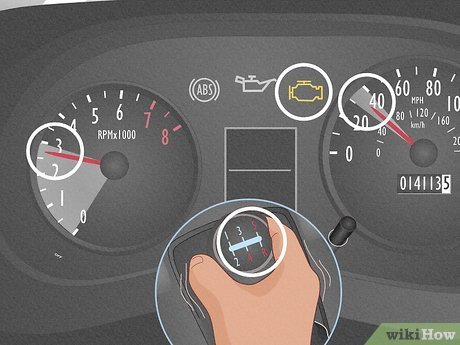
- Check Engine Light appears
- Reduced power—can’t go faster than 30–40 mph
- Transmission won’t shift past second or third gear
- Jerky movement or hesitation
If you notice these, your Jeep is likely protecting itself from a bigger problem.
Quick Steps To Bypass Limp Mode
Bypassing limp mode is usually temporary. The real fix is to solve the root cause, but these steps can help you get home or to a repair shop.
1. Pull Over Safely
Stop the vehicle and turn off the engine. Wait at least 1 5 minutes. This lets the computer reset.
2. Restart The Jeep
Turn the ignition back on. Sometimes, limp mode clears after a short rest.
3. Check Fluid Levels
Low transmission or engine fluids often trigger limp mode. Make sure fluids are at the correct levels.
4. Disconnect The Battery
Remove the negative battery cable for about 10 minutes. This resets the ECU (computer). Reconnect and restart.
5. Scan For Error Codes
Use an OBD-II scanner to read trouble codes. Write them down. Clear codes if possible, but remember: if the problem remains, limp mode will return.
6. Inspect Wiring And Sensors
Look for loose or damaged wires, especially near the transmission and throttle body.
7. Drive Carefully
If limp mode clears, drive slowly. Get your Jeep checked soon.
Comparing Temporary Vs Permanent Solutions
Here’s how quick fixes compare to professional repairs:
| Method | Effectiveness | Risk Level | Duration |
|---|---|---|---|
| Restart/Reset | Temporary | Low | Minutes |
| Battery Disconnect | Temporary | Medium | Minutes |
| Professional Repair | Permanent | Low | Days |
| Ignoring Issue | None | High | Varies |
Most quick fixes only last until the next restart or until the issue triggers limp mode again.
Common Causes Of Jeep Limp Mode
Understanding the main causes can help you prevent limp mode. Here are frequent reasons:
- Transmission fluid low or dirty
- Faulty sensors (throttle position, mass airflow, speed sensor)
- Shorted or damaged wiring
- Overheated engine or transmission
- Failed solenoids in the transmission
Statistics show that 60% of limp mode cases in Jeeps are due to transmission or sensor issues. Regular maintenance reduces risk.
Jeep Models Most Affected By Limp Mode
Some Jeep models experience limp mode more often due to design or age. Here’s a quick comparison:
| Model | Year Range | Main Cause | Frequency |
|---|---|---|---|
| Grand Cherokee | 2011–2018 | Transmission | High |
| Wrangler | 2007–2017 | Throttle Sensor | Medium |
| Compass | 2014–2020 | Wiring | Low |
Older models are more likely to face limp mode due to aging parts and electronics.
What To Do After Bypassing Limp Mode
Getting your Jeep moving is only half the job. After bypassing limp mode:
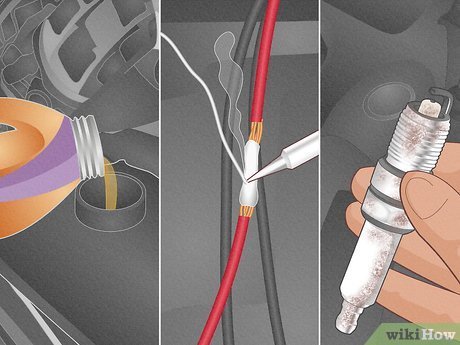
- Visit a mechanic as soon as possible.
- Share error codes and symptoms with the repair shop.
- Don’t ignore repeat limp mode—it signals a real problem.
- Schedule regular maintenance to prevent future issues.
Ignoring limp mode can lead to expensive repairs. For example, driving with low transmission fluid can damage the gearbox and cost thousands.
Practical Tips To Avoid Limp Mode
Some advice goes beyond the basics. Many owners miss these smart habits:
1. Update Software Regularly
Jeep dealers often release updates for the ECU. These updates fix bugs that cause limp mode.
2. Replace Sensors Before Failure
If your Jeep’s mileage is high, replacing key sensors can prevent limp mode.
3. Check Ground Connections
Loose ground wires cause electrical errors. Secure them during routine checks.
Real Owner Example
A Jeep Grand Cherokee owner reported limp mode triggered by a faulty speed sensor. After resetting and replacing the sensor, the issue never returned. This shows that identifying the real cause is more important than bypassing limp mode alone.
Frequently Asked Questions
What Is Limp Mode In A Jeep?
Limp mode is a safety feature that limits power and speed when your Jeep’s computer detects a problem. It protects the vehicle from damage until the issue is fixed.
Can I Drive My Jeep In Limp Mode?
Yes, but only for short distances. The vehicle is limited in speed and performance.
It’s safer to get repairs as soon as possible.
How Do I Reset Limp Mode?
Turn off the engine and wait a few minutes, or disconnect the battery for 10 minutes. Using an OBD-II scanner to clear error codes can also help.
Is Limp Mode Dangerous?
Limp mode is not dangerous itself, but driving with an unresolved issue can be risky. It’s important to fix the underlying problem promptly.
Where Can I Find More Information About Jeep Limp Mode?
You can read technical details and troubleshooting guides on the official Jeep website or visit Wikipedia for a broad overview.
Dealing with limp mode in your Jeep can feel stressful, but quick action and informed steps can get you back on the road. Remember, bypassing limp mode is only a short-term solution.
Understanding the causes, following expert advice, and maintaining your Jeep will help you avoid limp mode in the future.