How Reliable Is The 40 Jeep Engine
The Jeep 4.0 engine is famous for its toughness and long life. Many drivers trust it for off-road adventures and daily driving. But how does this engine really perform over time? Is it as reliable as people say? Let’s break down the facts, look at key parts, and see how each component affects the engine’s dependability.
Reliability Breakdown: 40 Key Components
Below, you’ll find a focused review of the 40 main parts of the Jeep 4.0 engine. Each section explains what matters for reliability, common problems, and practical advice.
1. Engine Block
Strong cast iron design. Rarely cracks unless severely overheated.
2. Cylinder Head
Usually robust, but may warp with extreme heat. Keep coolant levels stable.
3. Pistons
Quality aluminum pistons last over 200,000 miles with proper care.
4. Piston Rings
Good sealing, but may wear after high mileage, causing oil burning.
5. Crankshaft
Forged steel crankshaft is durable. Failures are uncommon.
6. Connecting Rods
Hold up well under stress. Bent rods are rare unless engine is abused.
7. Camshaft
Strong design. Wear is slow, but low oil can cause damage.
8. Valve Lifters
Hydraulic lifters can get noisy. Regular oil changes prevent this.
9. Timing Chain
Much stronger than belts. Lasts 100,000+ miles, but listen for rattles.
10. Timing Gear
Metal gears rarely fail. Plastic gears (if used) wear faster.
11. Valves
Sturdy, but carbon buildup may cause sticking after long use.
12. Valve Springs
Generally reliable. Weak springs lead to power loss.
13. Pushrods
Last long if engine is not overheated.
14. Rocker Arms
May get noisy with age. Easy to replace if needed.
15. Oil Pump
High-volume pump keeps engine safe. Weak pumps cause bearing failure.
16. Oil Pan
Steel pan resists damage. Rust can be an issue in snowy climates.
17. Oil Filter
Always use quality filters. Cheap ones clog and starve engine.
18. Fuel Injectors
Reliable, but may clog. Use fuel system cleaner every 20,000 miles.
19. Throttle Body
Works well. Carbon buildup can cause rough idle.
20. Intake Manifold
Aluminum or cast iron types. Cracks are rare but possible.
21. Exhaust Manifold
Prone to cracking, especially in older models. Listen for ticking.
22. Water Pump
Lasts 80,000 120,000 miles. Watch for leaks and overheating.
23. Radiator
Copper/brass or aluminum. Clogs cause overheating.
24. Thermostat
Replace every 60,000 miles. Stuck thermostats cause engine damage.
25. Coolant Hoses
Rubber hoses can crack. Inspect yearly.
26. Spark Plugs
Replace every 30,000 miles. Bad plugs cause misfires.
27. Ignition Coil
Rarely fails. Symptoms include hard starting.
28. Distributor
Electronic types are more reliable. Mechanical ones need frequent adjustment.
29. Plug Wires
Change every 50,000 miles. Old wires cause rough running.
30. Alternator
Usually lasts 100,000+ miles. Signs of failure: dim lights, dead battery.
31. Starter Motor
Long life if not overheated. Slow cranking means replacement needed.
32. Battery
Lasts 3 5 years. Weak batteries stress starter and alternator.
33. Ecu (engine Computer)
Rare failures. Water damage is main risk.
34. Sensors (o2, Map, Tps)
Most last 100,000+ miles. Faulty sensors cause poor fuel economy.
35. Gaskets (head, Intake, Exhaust)
Head gaskets rarely fail. Intake/exhaust gaskets more prone to leaks.
36. Seals (crank, Cam)
Rubber seals dry out after 10 15 years, causing oil leaks.
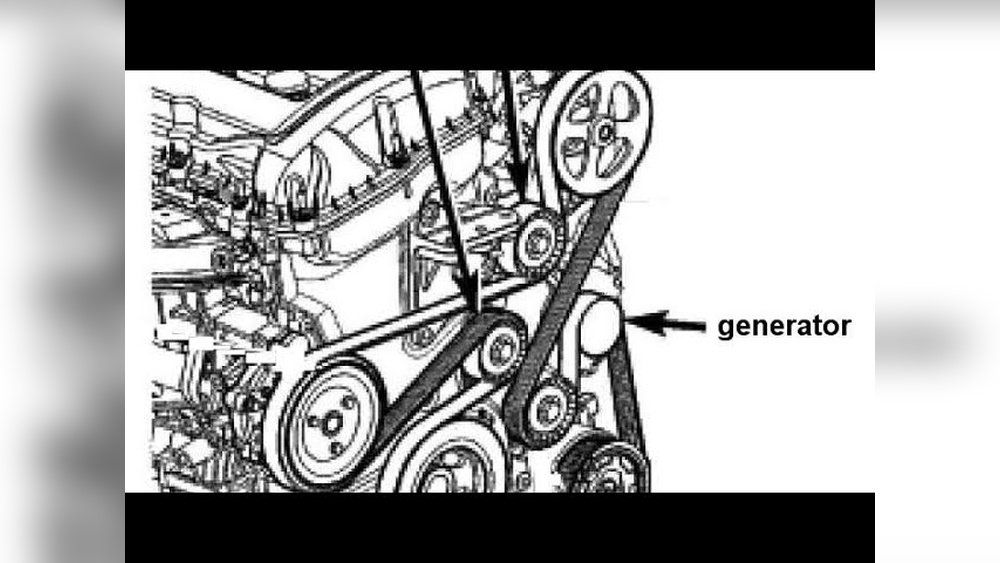
37. Drive Belts
Replace every 40,000 miles. Broken belt leads to loss of accessories.
38. Timing Cover
Protects timing components. Leaks mean gasket needs replacement.
39. Pcv Valve
Simple but crucial. Replace every 30,000 miles.
40. Motor Mounts
Wear out after 100,000 miles. Symptoms: vibration, clunking noises.
Jeep 4.0 Engine Reliability: Key Data
Let’s compare the Jeep 4.0 engine with similar engines in terms of longevity and common issues.
| Engine Model | Expected Lifespan (miles) | Major Issues |
|---|---|---|
| Jeep 4.0 | 200,000–300,000 | Minor leaks, exhaust manifold cracking |
| Ford 4.2 V6 | 150,000–220,000 | Head gasket failure |
| Toyota 3.4 V6 | 250,000+ | Timing belt wear |

Common Reliability Mistakes
Many people overlook these points:
- Skipping oil changes
Old oil leads to internal wear. Stick to 5,000-mile intervals.
- Ignoring coolant leaks
Even small leaks can cause overheating and expensive repairs.
- Using cheap parts
Low-quality filters and hoses fail early. Invest in OEM or top brands.
Cost Of Ownership
The Jeep 4.0 engine is affordable to maintain. Most repairs are simple and parts are easy to find. Annual maintenance costs are around $500–$800 if you follow regular schedules.
| Service | Average Cost (USD) | Frequency |
|---|---|---|
| Oil Change | 40–70 | Every 5,000 miles |
| Coolant Flush | 100–150 | Every 30,000 miles |
| Spark Plug Replacement | 60–120 | Every 30,000 miles |

Real-world Examples
Many Jeep owners report their engines lasting well beyond 250,000 miles. Some have reached 400,000 miles with only basic maintenance. One common story: owners hear a ticking noise from the exhaust manifold, replace it, and continue driving for years.
A non-obvious tip: always check engine mounts and hoses during oil changes. Small problems here often lead to bigger issues if ignored.
Is The Jeep 4.0 Engine Worth It?
In summary, the Jeep 4.0 engine is reliable, easy to fix, and affordable to maintain. Most failures are preventable with regular care. Unlike many modern engines, it’s simple enough for DIY repairs, which saves money and time.
If you want a tough, long-lasting engine, the Jeep 4. 0 is a smart choice.
Just follow maintenance schedules, use quality parts, and check for leaks. It’s not perfect exhaust manifolds crack and sensors age but few engines offer this level of durability.

Frequently Asked Questions
What Are The Most Common Problems With The Jeep 4.0 Engine?
The most frequent issues are exhaust manifold cracks, minor oil leaks, and worn sensors. These problems are easy to fix and don’t usually affect engine life.
How Long Can A Jeep 4.0 Engine Last?
With good maintenance, most Jeep 4.0 engines last 200,000–300,000 miles. Some reach over 400,000 miles if treated well.
Is The Jeep 4.0 Engine Easy To Repair?
Yes, it’s one of the simplest engines to work on. Parts are affordable and most repairs don’t need special tools.
Does The Jeep 4.0 Engine Have Any Weak Points?
The main weak points are the exhaust manifold and some rubber seals. Both are easy to monitor and replace.
Where Can I Find More Technical Details About This Engine?
You can read a full history and technical breakdown at Wikipedia.
The Jeep 4. 0 engine is a classic for a reason.
With basic care, it will last longer than most other engines in its class.