Thinking about buying a Jeep Grand Cherokee but worried about how reliable it really is? You’re not alone.
Whether you need a rugged SUV for daily driving or weekend adventures, knowing what to expect from this popular model can save you time, money, and stress.
You’ll discover the truth behind common Jeep Grand Cherokee issues, which model years to trust and which to avoid plus practical tips to keep your SUV running smoothly.
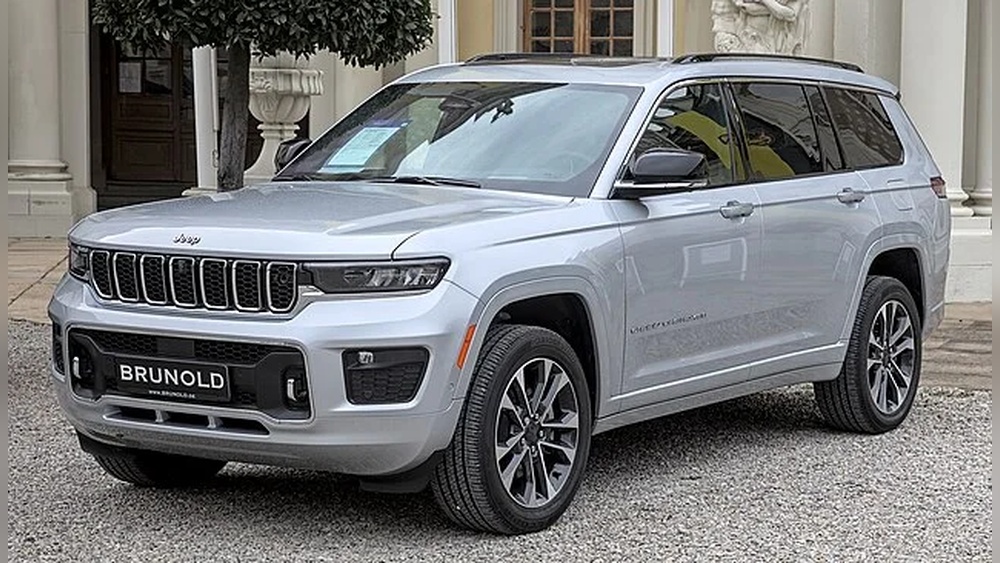
If you want to make a smart purchase or just understand your current ride better, keep reading. Your next Jeep Grand Cherokee could be a dependable companion with the right knowledge.

Jeep Grand Cherokee Reliability Overview
The Jeep Grand Cherokee ranks as an average midsize SUV in reliability. It combines daily comfort with strong off-road skills. Owners must keep up with regular maintenance. Some models face electrical and suspension issues as they age. Understanding these factors helps in making an informed choice.
Reliability Breakdown
The Grand Cherokee scores mid-range in reliability ratings. It performs well in routine driving and rugged terrain. Certain model years show more problems than others. Checking specific years helps avoid costly repairs.
Most Common Issues To Watch For
Electrical system troubles often appear, such as battery drains. The digital gauge cluster may fail over time. Air suspension problems are frequent in models with Quadra-Lift. Repairs on this suspension type can be costly. Brake wear and oil leaks appear on older models. Knowing these issues helps in maintenance planning.
Owner Insights And Recommendations
Owner reviews reveal mixed experiences with reliability. Some report long-lasting performance, others face frequent repairs. Online communities share real-world advice. Checking vehicle history and market value before purchase is wise. This ensures a fair deal and fewer surprises.
Yearly Reliability Differences
Jeep Grand Cherokee reliability varies significantly by year. Some model years have earned a reputation for durability and fewer repairs. Others show more frequent issues and higher maintenance costs. Understanding these yearly differences helps you choose a dependable vehicle. It also reduces the chance of unexpected breakdowns and costly fixes.
Most Reliable Model Years
Several Jeep Grand Cherokee years stand out for their reliability. Models from 2014 to 2016 generally receive positive reviews. These years feature improved engines and fewer electrical problems. The 2018 and 2019 models also show better build quality. Owners report fewer breakdowns and smoother rides in these versions.
These reliable years often include basic trims without complex features. Avoiding air suspension models can also boost reliability. Regular maintenance and timely repairs keep these vehicles running well for many miles.
Model Years To Avoid
Some Jeep Grand Cherokee years have more reported problems. The 2011 and 2012 models are known for transmission issues. Electrical faults and warning light failures are common in these years. The 2005 to 2007 models also face engine and suspension troubles.
Air suspension systems in older models tend to fail more often. Repair costs can be high and parts harder to find. Buying these model years may lead to more frequent visits to the mechanic. Checking vehicle history and service records is important before purchase.
Common Mechanical Issues
The Jeep Grand Cherokee is known for its strong performance and rugged design. Still, like many vehicles, it has common mechanical issues that owners report. Understanding these problems helps in making a smart purchase or preparing for maintenance.
These issues often appear after several years of use or high mileage. Regular care can reduce their impact, but some repairs might be costly. Knowing what to expect keeps you ready and confident on the road.
Transmission Problems
The transmission system in the Jeep Grand Cherokee can show signs of trouble over time. Some owners notice rough shifting or slipping gears. These problems affect driving smoothness and can lead to more serious damage if ignored.
Common causes include worn clutch plates and low transmission fluid. Early repairs often involve fluid changes or software updates. In some cases, a full transmission rebuild or replacement is needed.
Suspension Wear And Repairs
The suspension system supports the vehicle and ensures a smooth ride. The Jeep Grand Cherokee’s suspension can wear out, especially in off-road or rough road conditions. Symptoms include uneven tire wear and poor handling.
Air suspension models are more prone to leaks and compressor failures. Repair costs can be high, but replacing worn shocks and springs improves safety and comfort. Regular checks help catch issues early.
Brake System Concerns
Brakes are important for safety, and some Jeep Grand Cherokees experience faster brake pad and rotor wear. Drivers may hear squealing or feel vibrations when braking. These signs mean the brake system needs inspection.
Brake fluid leaks or worn calipers can also cause braking problems. Timely brake pad replacement and fluid flushes keep the system working well. Ignoring brake issues increases stopping distance and risk of accidents.
Electrical System Challenges
The Jeep Grand Cherokee faces some electrical system challenges that affect reliability. These issues can cause inconvenience and unexpected repairs. Understanding common electrical problems helps owners prepare better.
Electrical faults often start with small symptoms but may worsen over time. Two main problems stand out: battery drain and digital gauge cluster failures. Both can impact daily use and vehicle safety.
Battery Drain Issues
Battery drain is a frequent complaint among Jeep Grand Cherokee owners. The vehicle’s electrical components sometimes remain active even after the engine is off. This parasitic drain slowly kills the battery overnight or after a few days of inactivity.
Common causes include faulty wiring, malfunctioning modules, or aftermarket accessories. A dead battery can leave drivers stranded and require frequent jump-starts or battery replacements.
Regular battery testing and timely repairs reduce the risk of battery drain. Disconnecting unused electronic devices also helps preserve battery life.
Digital Gauge Cluster Failures
The digital gauge cluster displays important information like speed, fuel level, and warnings. Failures in this system have been reported in several Jeep Grand Cherokee models.
Symptoms include flickering screens, frozen displays, or complete shutdowns. This makes reading critical data difficult or impossible while driving. Repair costs for the cluster can be high due to complex electronics.
Some owners have fixed the problem by updating the vehicle’s software or replacing faulty components. Early detection and professional diagnosis are key to avoiding further damage.
Engine And Performance Concerns
The engine and performance of the Jeep Grand Cherokee play a vital role in its reliability. Many owners praise its power and smooth ride. Yet, some engines have shown issues that affect long-term satisfaction. Understanding these concerns helps buyers choose the right model and avoid costly repairs.
Performance depends heavily on engine type and maintenance. Some engines offer great power but may have reliability problems. Others tend to last longer but deliver less performance. Knowing which engines to avoid can save money and stress down the road.
Engines To Avoid
Certain engines in the Jeep Grand Cherokee lineup have earned a poor reputation. The 3.6L Pentastar V6 is generally reliable, but some early versions suffered from intake manifold leaks. The 3.0L EcoDiesel engine faced issues with the turbocharger and emissions system, leading to expensive repairs.
The 5.7L HEMI V8 is powerful but may experience carbon buildup on valves, causing rough idling or misfires. The 6.4L HEMI V8, found in the SRT model, can have issues with overheating if not properly maintained. Buyers should research specific model years for these engines.
Typical Engine Lifespan
On average, Jeep Grand Cherokee engines last between 150,000 and 200,000 miles. Regular oil changes and timely repairs can extend engine life. Neglecting maintenance often leads to early failure and costly fixes.
The V6 engines usually offer longer service life compared to the high-performance V8s. Diesel engines can last a long time but require special care, including fuel and air filter changes. Monitoring engine performance and addressing minor problems early helps keep the Jeep running smoothly.
Air Suspension System
The Jeep Grand Cherokee features an advanced air suspension system known as Quadra-Lift. This system adjusts the vehicle’s height for better comfort and off-road ability. It uses air springs instead of traditional coil springs to provide a smoother ride. Drivers can raise or lower the vehicle depending on road conditions. This flexibility enhances driving comfort and improves handling on rough terrain.
Quadra-lift Suspension Benefits
The Quadra-Lift suspension system offers multiple ride height settings. It can lower the vehicle for easier entry and exit or raise it for better ground clearance. This helps avoid damage on rocky or uneven surfaces. The system improves stability and reduces body roll during turns. It also enhances fuel efficiency by lowering the vehicle at highway speeds. Quadra-Lift adds comfort and versatility to the Grand Cherokee.
Repair And Replacement Costs
Air suspension components are more expensive than traditional systems. Repairs can be costly, especially as the vehicle ages. Air springs, compressors, and sensors may fail and need replacement. Repair costs often range from several hundred to over a thousand dollars. Regular maintenance helps prolong system life but cannot eliminate wear. Buyers should consider these costs when choosing a Grand Cherokee with air suspension.
Owner Experiences And Reviews
Owner experiences and reviews reveal valuable insights about the Jeep Grand Cherokee’s reliability. These firsthand accounts highlight strengths and common problems. They help potential buyers understand what to expect from ownership.
Many owners praise the Grand Cherokee’s comfortable ride and strong off-road ability. Others report issues like electrical glitches and suspension repairs. Listening to real users offers a balanced view beyond official ratings.
Community Insights From Reddit
Reddit hosts an active Jeep Grand Cherokee community. Owners share detailed stories about repairs, maintenance, and daily use. They discuss problems with transmissions, electrical systems, and air suspension.
This platform provides up-to-date feedback on specific model years. Users often suggest tips to avoid costly repairs. The open discussions give a sense of reliability trends over time.
Consumer Reports Ratings
Consumer Reports rates the Jeep Grand Cherokee as average in reliability. It ranks mid-pack among midsize SUVs. The scores reflect frequent issues with electronics and suspension parts.
Despite some drawbacks, the Grand Cherokee scores well on comfort and performance. The ratings encourage regular maintenance to reduce risk of breakdowns. These professional reviews complement owner feedback perfectly.

Maintenance Tips For Longevity
Maintaining a Jeep Grand Cherokee properly extends its life and keeps it reliable. Regular care prevents costly repairs and improves performance. Simple maintenance habits protect your investment and ensure safe driving. Follow these key tips to help your Jeep last longer and run smoothly.
Routine Maintenance Musts
Change the oil every 5,000 miles or as the manual suggests. Check tire pressure monthly and rotate tires every 6,000 miles. Inspect brakes regularly for wear and replace pads when needed. Keep an eye on fluid levels, including coolant, brake fluid, and transmission fluid. Replace air filters to maintain engine efficiency. Schedule regular tune-ups to catch small problems early. Pay attention to warning lights and address issues quickly.
Pre-purchase Checks And Vehicle History
Review the vehicle history report before buying a used Jeep Grand Cherokee. Look for accidents, service records, and title issues. Test all electronics, including gauges and infotainment systems. Check the suspension carefully, especially on models with air suspension. Verify that no warning lights appear during a test drive. Confirm the odometer reading matches the service records. Use trusted sources like Kelley Blue Book for pricing guidance.
Warranty And Repair Considerations
Understanding the warranty and repair aspects of a Jeep Grand Cherokee is key to assessing its reliability. Warranty coverage can ease concerns about unexpected repair costs. Repair history highlights common issues and potential expenses. Both factors help set realistic expectations for ownership costs and peace of mind.
Extended Warranty Benefits
An extended warranty adds coverage beyond the factory period. It can reduce out-of-pocket expenses for major repairs. Many owners find it valuable given the complexity of Jeep Grand Cherokee systems. Extended warranties often cover drivetrain, electronics, and suspension parts. This coverage helps protect your investment over the long term. Choosing a reputable provider ensures better claim support and service.
Costly Repairs To Prepare For
Some repairs on a Jeep Grand Cherokee can be expensive. Air suspension failures rank among the highest repair costs. Replacing components in the Quadra-Lift system can strain your budget. Transmission repairs or replacements also tend to be costly. Electrical system malfunctions may require specialized diagnostics and parts. Being aware of these potential expenses helps owners budget wisely. Regular maintenance can reduce the likelihood of major repairs.
Comparing Jeep Grand Cherokee To Competitors
The Jeep Grand Cherokee stands as a strong player in the midsize SUV segment. Comparing it to competitors reveals both strengths and areas needing attention. Understanding how it measures up can guide buyers toward a confident choice.
Reliability In The Midsize Suv Class
The Grand Cherokee offers average reliability compared to rivals. Some competitors show fewer electrical issues and simpler suspension systems. Jeep’s complex features may require more maintenance. Regular check-ups help avoid costly repairs. Reliability scores often place it in the middle of the pack. Buyers should weigh these factors against their needs and budget.
Comfort And Off-road Capabilities
Jeep excels in off-road performance and rugged terrain handling. Competitors may offer smoother rides on paved roads but lack the same off-road prowess. The Grand Cherokee’s interior comfort matches many rivals, with spacious seating and quality materials. Air suspension options improve ride comfort but add repair costs later. This blend makes the Grand Cherokee a solid choice for adventure seekers who want daily comfort too.

<!– wp:rank-math/faq-block {"questions":[{"id":"faq-question-cbca955e53fd","title":"What Are Common Jeep Grand Cherokee Problems?","content":"
Common Jeep Grand Cherokee problems include transmission failures, electrical issues, suspension wear, oil leaks, and brake problems, especially in older models.
“,”visible”:true},{“id”:”faq-question-5f76a72c343c”,”title”:”What Years To Avoid For A Jeep Grand Cherokee?”,”content”:”Avoid Jeep Grand Cherokee models from 2011 to 2013 due to transmission and electrical issues. Also, 2014 and 2015 models face suspension problems.
nnnnThese years often require costly repairs and show below-average reliability. Choose newer or well-maintained models for better performance and fewer issues.
“,”visible”:true},{“id”:”faq-question-e49580d65032″,”title”:”How Long Do Jeep Grand Cherokees Normally Last?”,”content”:”Jeep Grand Cherokees typically last 150,000 to 200,000 miles with proper maintenance. Regular care extends their lifespan and reliability.
“,”visible”:true},{“id”:”faq-question-e186576f3e4d”,”title”:”Which Jeep Engine To Stay Away From?”,”content”:”Avoid the 3. 0L EcoDiesel engine in Jeep Grand Cherokees due to frequent oil dilution and turbocharger issues.
“,”visible”:true}]} –>What Are Common Jeep Grand Cherokee Problems?
Common Jeep Grand Cherokee problems include transmission failures, electrical issues, suspension wear, oil leaks, and brake problems, especially in older models.
What Years To Avoid For A Jeep Grand Cherokee?
Avoid Jeep Grand Cherokee models from 2011 to 2013 due to transmission and electrical issues. Also, 2014 and 2015 models face suspension problems.
These years often require costly repairs and show below-average reliability. Choose newer or well-maintained models for better performance and fewer issues.
How Long Do Jeep Grand Cherokees Normally Last?
Jeep Grand Cherokees typically last 150,000 to 200,000 miles with proper maintenance. Regular care extends their lifespan and reliability.
Which Jeep Engine To Stay Away From?
Avoid the 3. 0L EcoDiesel engine in Jeep Grand Cherokees due to frequent oil dilution and turbocharger issues.
Conclusion
The Jeep Grand Cherokee offers decent reliability for everyday use. Some model years show more problems than others.
Regular maintenance helps avoid costly repairs. Watch for electrical and suspension issues, especially on older models.
Research specific years before buying to make a smart choice.
it balances comfort and off-road ability fairly well. It may not top reliability charts, but many owners find it dependable.
Consider your needs and budget carefully when choosing this SUV.