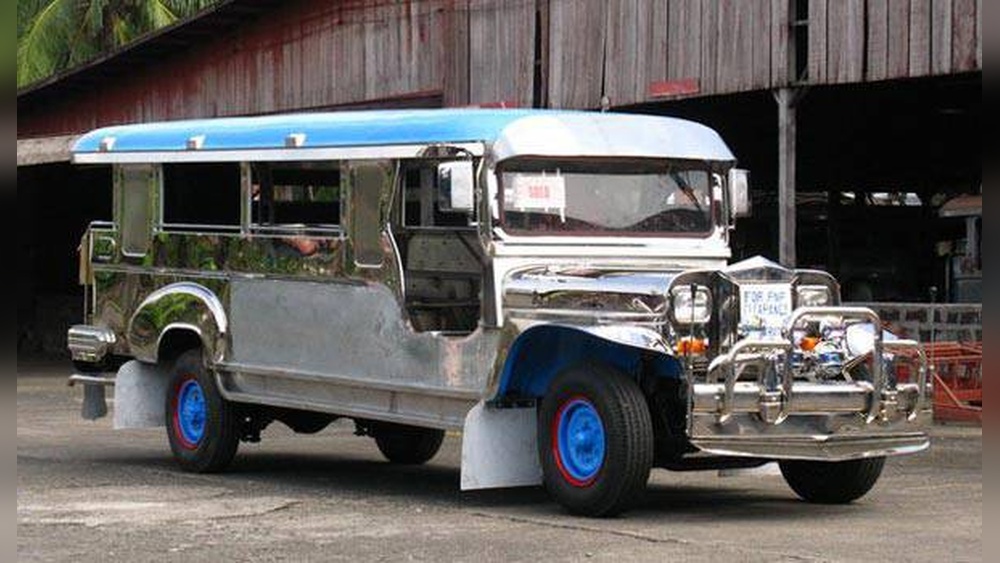
Are you curious about how much a jeepney actually costs? Whether you’re thinking of buying one, starting a small transport business, or just fascinated by these iconic vehicles, knowing the price is the first step.
Jeepneys are more than just a ride they’re a symbol of Filipino culture and a practical way to get around. But the cost can vary widely depending on the type, condition, and features.
You’ll discover everything you need to know about jeepney prices, so you can make smart decisions and get the best value.
Keep reading, and you’ll find answers that will clear up any confusion and help you understand the real cost behind owning or riding a jeepney.
Jeepney Price Range
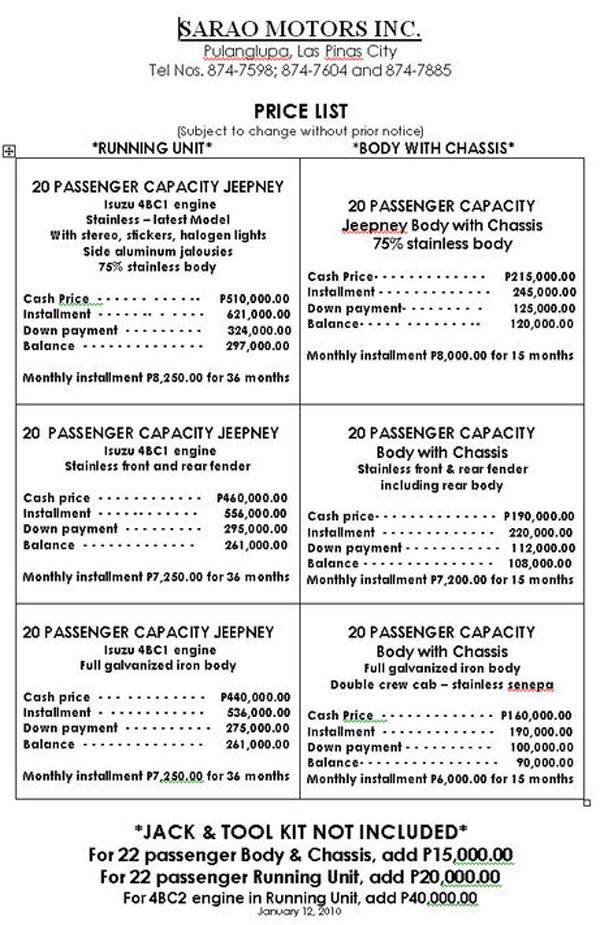
The price of a jeepney varies widely depending on several factors. Understanding the jeepney price range helps buyers prepare their budget. Jeepneys can be purchased new or used, each with its own price points. Costs also depend on the vehicle’s condition, features, and modifications. This section breaks down the typical costs of new and used jeepneys and explains what influences their prices.
New Jeepney Costs
New jeepneys usually cost between $6,000 and $12,000. Prices vary based on the brand, engine type, and size. Modern jeepneys with fuel-efficient engines and safety features cost more. Custom designs or electric jeepneys also raise the price. Buying new ensures better quality and warranties but requires a bigger upfront investment.
Used Jeepney Prices
Used jeepneys generally cost between $2,000 and $7,000. Age, mileage, and condition mainly affect these prices. Older jeepneys with high mileage sell for less. Well-maintained vehicles with upgrades can be more expensive. Buyers should inspect used jeepneys carefully to avoid costly repairs.
Factors Influencing Price
Several factors impact jeepney prices. Engine type and fuel efficiency play a big role. Vehicles with modern engines or electric power cost more. The jeepney’s size and seating capacity also affect the price. Custom paint jobs and accessories add to the cost. Location and market demand influence prices too. Lastly, government regulations can impact vehicle costs and availability.

Building A Jeepney
Building a jeepney involves several cost factors. Each part and process adds up to the total price. Understanding these costs helps explain why jeepneys vary in price.
Materials And Parts
Materials include metal, wood, and paint. The frame is usually made of steel for strength. Seats use wood or metal, sometimes cushioned for comfort. Lights, tires, and mirrors are essential parts. Engines can be new or secondhand, affecting cost. Quality materials increase durability but also raise expenses.
Labor And Manufacturing Costs
Skilled workers assemble the jeepney frame and body. Labor involves welding, painting, and installing parts. Time spent on craftsmanship impacts the final price. Workshops differ in rates depending on location and skill level. Efficient processes reduce labor costs but must maintain quality standards.
Customization Expenses
Jeepneys often feature unique designs and decorations. Custom paint jobs and artwork add to expenses. Additional accessories like sound systems or lighting require extra budget. Some owners choose personalized interiors or special features. Customization can double the base price but creates a unique jeepney.
Jeepney Operating Costs
Operating a jeepney involves several ongoing costs beyond the initial purchase price. These expenses affect the profitability and daily management of the vehicle. Understanding these costs helps drivers and operators plan their budget effectively.
Fuel Consumption
Fuel is the largest expense for jeepney operators. Jeepneys use diesel or gasoline engines. On average, a jeepney consumes about 8 to 10 kilometers per liter of fuel. High traffic and frequent stops reduce fuel efficiency. Fuel prices fluctuate, impacting daily operating costs. Efficient driving can help lower fuel consumption.
Maintenance And Repairs
Regular maintenance keeps jeepneys running smoothly. Operators spend on oil changes, tire replacements, and brake repairs. Engine tune-ups are necessary to prevent breakdowns. Older jeepneys require more frequent repairs. Costs vary depending on the condition and usage of the vehicle. Proper upkeep extends the jeepney’s lifespan and reduces costly repairs.
Driver And Conductor Fees
Jeepney operators pay wages to drivers and conductors. Drivers usually earn a fixed daily rate or a share of the fare collection. Conductors assist passengers and collect fares. Their fees depend on the route and passenger volume. Paying fair wages ensures good service and reliability. These labor costs form a significant part of daily expenses.
Jeepney Fare Rates
The cost to ride a jeepney depends mainly on the fare rates set for different routes. Jeepney fare rates are the fees passengers pay for their trips. These rates change based on distance, route, and government rules.
Understanding jeepney fare rates helps commuters budget their daily expenses. It also shows how the government tries to keep fares affordable for the public.
Current Fare Pricing
The current fare price for jeepneys usually starts at around 12 pesos. Short rides within cities often cost this base fare. Longer trips can increase the fare by a few pesos.
Some routes have fixed fares, while others use a meter system. The fare must be paid in cash before or after boarding the jeepney. Exact change is preferred to avoid delays.
Fare Variations By Route
Fare rates vary depending on the route’s length and location. Urban areas tend to have lower fares compared to rural or distant routes. Some routes crossing city boundaries charge higher fares.
Special routes like airport shuttles or tourist destinations may have premium rates. Passengers should check the fare chart posted inside the jeepney before boarding.
Government Regulations
The Philippine government regulates jeepney fares through transport authorities. These agencies approve fare adjustments based on fuel prices and operating costs. Fare hikes require official announcements and public consultations.
Regulations aim to balance drivers’ income and passengers’ affordability. The government also promotes modern jeepneys to improve safety and reduce pollution.
Where To Buy A Jeepney
Finding the right place to buy a jeepney depends on your location and needs. Jeepneys are widely available in the Philippines, where they are a common mode of transport. Buyers can choose from various sources, each offering different options and prices. Understanding where to buy a jeepney helps you make a smart purchase. Below are some popular places to find jeepneys.
Dealerships And Manufacturers
Dealerships in the Philippines sell new and used jeepneys. Many manufacturers offer modern, eco-friendly jeepneys with updated features. These dealers provide warranties and after-sales services. Buying from a dealership ensures quality and legal compliance. Some well-known manufacturers include Francisco Motors and Sarao Motors. Visiting a dealership allows you to inspect the jeepney before buying.
Online Marketplaces
Online marketplaces offer a wide range of jeepneys for sale. Websites like OLX Philippines and Facebook Marketplace list many options. Buyers can compare prices and contact sellers directly. Online shopping provides convenience and access to more choices. Always check seller ratings and ask for detailed photos. Online purchases may require more careful inspection and communication.
Importing To Other Countries
Jeepneys are popular for import in some countries outside the Philippines. Importing involves shipping and customs processes. Buyers must check local laws about vehicle import and use. Some companies specialize in exporting jeepneys worldwide. Importing can be costly but allows access to unique vehicles. Proper paperwork and compliance are essential for a smooth import experience.
Jeepney Usage Tips
Using a jeepney can be a fun and affordable way to travel. Knowing some helpful tips makes your ride smooth and safe. These tips cover basic riding manners, planning your route, and staying safe during your trip.
Riding Etiquette
Always wait for the jeepney to stop before boarding. Pay the exact fare quickly to keep the jeep moving. Offer your seat to elderly, pregnant, or disabled passengers. Avoid loud talking or playing music without headphones. Keep your belongings close to you at all times.
Route Planning
Learn the jeepney routes before you travel. Ask locals or check maps to know the stops. Decide your destination and the best jeepney line to take. Have small bills ready for payment. Confirm with the driver or conductor if the jeepney passes your stop.
Safety Precautions
Hold on tightly while the jeepney is moving. Avoid standing near the open door while the vehicle is in motion. Keep valuables hidden and secure. Stay alert and watch your surroundings. Use well-lit routes if traveling at night.
Modern Jeepneys
Modern jeepneys are changing the face of public transportation in the Philippines. They offer better comfort, safety, and style. These new models blend tradition with modern technology.
Jeepney makers are adopting new designs and cleaner engines. They aim to reduce pollution and improve the travel experience. The shift to modern jeepneys also affects their cost and maintenance.
Electric And Hybrid Models
Electric and hybrid jeepneys are gaining popularity. They run on batteries or a mix of fuel and electricity. These models lower fuel costs and reduce harmful emissions. Riders enjoy smoother and quieter trips. The initial price is higher but saves money over time.
Design Innovations
Modern jeepneys have sleek and spacious designs. They include comfortable seats and wide windows. Some have air conditioning and digital fare systems. Safety features like seat belts and better brakes are common. The colorful decorations remain but with a modern twist.
Environmental Impact
New jeepneys help cut down pollution in cities. Electric models produce zero tailpipe emissions. Hybrid engines reduce fuel consumption and harmful gases. This shift supports cleaner air and healthier communities. Modern jeepneys play a key role in sustainable transport.

Jeepney Culture And History
The jeepney is more than just a vehicle in the Philippines. It is a symbol of Filipino creativity and resilience. Its vibrant design and unique style tell stories of a rich culture and history. Understanding jeepney culture helps us appreciate its true value beyond the price tag.
Origins And Evolution
Jeepneys began after World War II. Filipinos transformed leftover U.S. military jeeps into public transport. They extended the bodies to fit more passengers. Bright colors and decorations made each jeepney unique. Over decades, jeepneys evolved with modern engines and designs. Yet, they kept their classic, colorful look.
Role In Filipino Society
Jeepneys serve millions daily across the Philippines. They connect neighborhoods, markets, and cities. For many, jeepneys are the cheapest way to travel. Drivers and operators depend on them for their livelihood. The jeepney is a symbol of Filipino community and daily life. It represents hard work and social interaction.
Global Recognition
The jeepney’s design attracts attention worldwide. Art lovers admire its bright, hand-painted decorations. Tourists often seek jeepney rides to experience local culture. Some jeepneys have been showcased in museums abroad. This recognition shows the jeepney’s cultural importance beyond the Philippines.
<!– wp:rank-math/faq-block {"questions":[{"id":"faq-question-6237028df3ed","title":"How Much Does A Jeepney Cost?","content":"A new jeepney typically costs between $4,000 and $7,000 USD, depending on model and customization. Used jeepneys may cost less.
“,”visible”:true},{“id”:”faq-question-366a63b80e57″,”title”:”What Is The Average Cost Of A Jeep?”,”content”:”The average cost of a new Jeep ranges from $30,000 to $50,000 depending on the model and features.
“,”visible”:true},{“id”:”faq-question-8f10f339586d”,”title”:”How Much Does It Cost To Make A Jeepney?”,”content”:”The cost to make a jeepney ranges from $4,000 to $70,000, depending on design and materials used.
“,”visible”:true},{“id”:”faq-question-07daecc9268c”,”title”:”How Much Is The Jeepney In The Philippines 2026?”,”content”:”The price of a new jeepney in the Philippines in 2026 ranges from ₱1. 2 million to ₱3. 5 million. Costs vary by model and features.
“,”visible”:true}]} –>How Much Does A Jeepney Cost?
A new jeepney typically costs between $4,000 and $7,000 USD, depending on model and customization. Used jeepneys may cost less.
What Is The Average Cost Of A Jeep?
The average cost of a new Jeep ranges from $30,000 to $50,000 depending on the model and features.
How Much Does It Cost To Make A Jeepney?
The cost to make a jeepney ranges from $4,000 to $70,000, depending on design and materials used.
How Much Is The Jeepney In The Philippines 2026?
The price of a new jeepney in the Philippines in 2026 ranges from ₱1. 2 million to ₱3. 5 million. Costs vary by model and features.
Conclusion
Jeepneys remain a symbol of Filipino culture and daily life. Prices vary widely depending on condition and type.
New models cost more, while used ones are cheaper. Knowing the price helps buyers make smart choices.
Whether for business or travel, jeepneys offer affordable transport.
Understanding costs ensures better budgeting for potential owners. Jeepneys blend tradition with practicality on Philippine roads.
They serve millions daily, proving their lasting value.