How Many Miles Are Jeeps Good For?
If you’re thinking about buying a Jeep or already own one, you might wonder: how many miles are Jeeps good for? This question matters for both new buyers and people looking to keep their Jeep for years.
Jeeps have a strong reputation for adventure and off-road ability, but what about their long-term reliability? how far a Jeep can really go, what affects its lifespan, and how to get the most miles from your vehicle.
What Is The Typical Lifespan Of A Jeep?
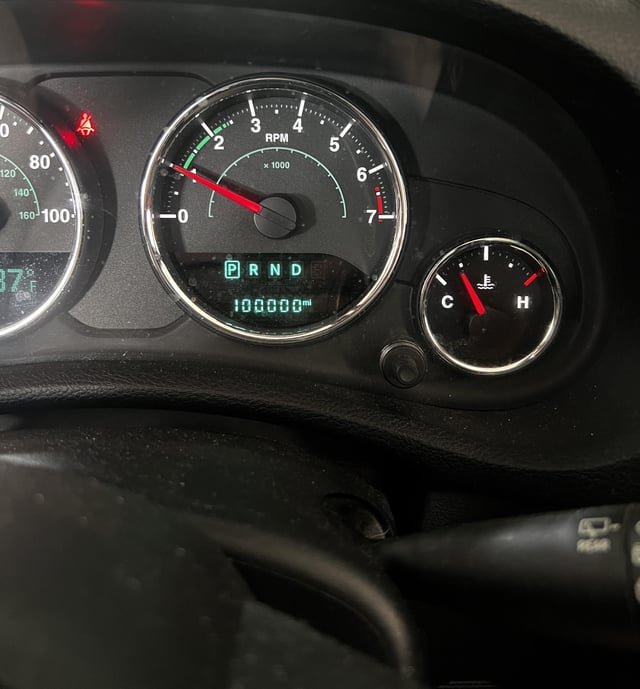
Most drivers want their vehicle to last a long time. For Jeeps, the answer depends on the model, year, care, and how you drive. Generally, a well-maintained Jeep can last 150,000 to 300,000 miles or even more. Some owners report over 400,000 miles on the odometer.
Jeep Lifespan By Model
Different Jeep models have different strengths. Here’s a quick look at popular models and their average lifespan when properly maintained:
| Jeep Model | Average Lifespan (Miles) | Notes |
|---|---|---|
| Wrangler | 200,000 – 400,000+ | Very durable, loved for off-roading |
| Grand Cherokee | 150,000 – 300,000 | Popular family SUV, reliable with care |
| Cherokee | 150,000 – 250,000 | Compact, good for daily use |
| Compass | 120,000 – 200,000 | Smaller, less rugged |
| Renegade | 100,000 – 180,000 | Subcompact, best for city driving |
Factors That Affect How Many Miles Jeeps Last
Many things can change how many miles your Jeep will go before big repairs are needed.
1. Maintenance Habits
Regular maintenance is the biggest factor. Oil changes, fluid checks, and fixing small problems early help your Jeep last longer.
Skipping maintenance can cut the life of your Jeep by tens of thousands of miles.
2. Driving Style
Aggressive driving, heavy off-roading, or towing heavy loads put more stress on parts. If you drive gently and avoid constant rough terrain, your Jeep will likely last longer.
3. Model Year And Engine Type
Newer Jeeps often have better engines and improved technology. Older models, especially with the 4.
0L straight-six engine, are famous for lasting a long time. Some newer engines may have more electronics, which can mean more repairs if not maintained.
4. Climate And Environment
Jeeps in salty, snowy areas may rust faster. Hot, dry areas can cause rubber parts to crack.
If you live where roads are salted, wash your Jeep's underside often to prevent rust.
5. Previous Owner Care
If you buy a used Jeep, the care from the last owner matters. Always check service records.
A Jeep with high miles but good maintenance is often a better buy than a low-mile Jeep with poor care.
Real-world Jeep Mileage Examples
To show what’s possible, real owner stories:
- 2004 Jeep Wrangler: Owner reached 410,000 miles with regular oil changes and basic repairs.
- 2012 Grand Cherokee: Over 230,000 miles, mainly highway driving, with routine service.
- 1999 Cherokee XJ: Reached 350,000 miles; the original engine was still running strong.
These examples prove that high mileage is possible, but only with the right care.
Jeep Longevity Vs Other Suvs
How do Jeeps compare to other popular SUVs in terms of lifespan? Here’s a quick look:
| Vehicle | Average Lifespan (Miles) | Known For |
|---|---|---|
| Jeep Wrangler | 200,000 – 400,000+ | Durability, off-road ability |
| Toyota 4Runner | 250,000 – 400,000+ | Reliability, resale value |
| Ford Explorer | 150,000 – 250,000 | Comfort, family use |
| Honda CR-V | 200,000 – 300,000 | Low maintenance costs |
| Chevrolet Tahoe | 200,000 – 300,000 | Strong V8 engines |
Insight: Jeeps, especially Wranglers, hold their own against the best. However, they sometimes need more frequent small repairs than Toyota or Honda.

Common High-mileage Jeep Problems
No vehicle is perfect, especially as it ages. issues that often appear in Jeeps with high miles:
- Rust: Frames and underbodies can rust, especially in snowy areas.
- Oil Leaks: Older engines may leak oil from gaskets or seals.
- Transmission Issues: Some automatic transmissions wear out after 150,000+ miles.
- Suspension Wear: Ball joints, bushings, and shocks often need replacing.
- Electrical Problems: Older models may develop issues with power windows, locks, or sensors.
Avoiding Costly Repairs
- Fix small leaks and noises early before they become big problems.
- Use quality replacement parts, especially for suspension and drivetrain.
- Watch for warning lights and check engine codes quickly.
How To Make Your Jeep Last Longer
Want your Jeep to reach 300,000 miles or more? Follow these proven tips:
- Stick to the maintenance schedule in your owner’s manual.
- Change fluids (oil, coolant, transmission, differential) on time.
- Inspect for rust regularly and treat small spots right away.
- Replace worn suspension parts before they cause bigger issues.
- Keep tires balanced and rotated for even wear.
- Drive smoothly and avoid unnecessary hard braking or quick starts.
- Wash the undercarriage if you drive in mud, salt, or sand.
Non-obvious tip: Many Jeep owners ignore the transfer case and differentials. Changing their fluids can prevent expensive repairs and help your Jeep last much longer.
Another insight: Upgrading weak factory parts (like track bars or control arms) with stronger aftermarket options can improve durability, especially if you go off-road.
Should You Buy A High-mileage Jeep?
Many people ask if buying a Jeep with over 100,000 miles is a good idea. The answer depends on a few things:
- Service history: Look for proof of regular oil changes and repairs.
- Test drive: Listen for clunks, squeaks, or warning lights.
- Inspection: Have a trusted mechanic check the frame for rust, and the engine for leaks.
- Price: High-mileage Jeeps are cheaper, but budget for repairs.
Pros Of Buying A High-mileage Jeep
- Lower price than new or low-mileage models.
- Jeeps hold value well, so you can resell easily if maintained.
- Many high-mileage Jeeps have already had big repairs done (like new transmissions).
Cons To Consider
- More likely to need repairs soon.
- May have hidden rust or off-road damage.
- Older electronics and features may not work well.
Cost Of Keeping A Jeep Running
Jeeps are known for reliability, but they are not always the cheapest to maintain. Average yearly maintenance costs for Jeeps are about $650, $800 according to RepairPal. Parts like brakes, suspension, and sensors can add up over time.
If you plan for repairs and do some work yourself, owning a Jeep for the long term can still be affordable. Many Jeep owners join online forums for DIY tips and support.
What To Check When Buying A Used Jeep
If you’re shopping for a used Jeep, check these important things:
- Undercarriage: Look for rust, especially on the frame and suspension parts.
- Engine: Listen for knocking or tapping sounds.
- Transmission: Make sure it shifts smoothly without slipping.
- 4WD system: Test the transfer case and all drive modes.
- Leaks: Check under the Jeep for oil, coolant, or transmission fluid.
- Suspension: Bounce each corner; it should feel firm, not loose.
Tip: Ask for service records. A Jeep with proof of care is worth more than one without.
Jeep Models With The Best Reputation For Longevity
Some Jeeps are simply famous for going the distance. Here’s a quick comparison:
| Model | Best Engine Option | Why It Lasts |
|---|---|---|
| Wrangler TJ (1997-2006) | 4.0L I6 | Simple design, strong engine |
| Cherokee XJ (1984-2001) | 4.0L I6 | Solid axles, few electronics |
| Grand Cherokee WJ (1999-2004) | 4.0L I6, 4.7L V8 | Reliable engines, easy to repair |
If you want a Jeep that can reach very high mileage, these models are a smart choice. Simpler engines and fewer electronics mean fewer things can go wrong.
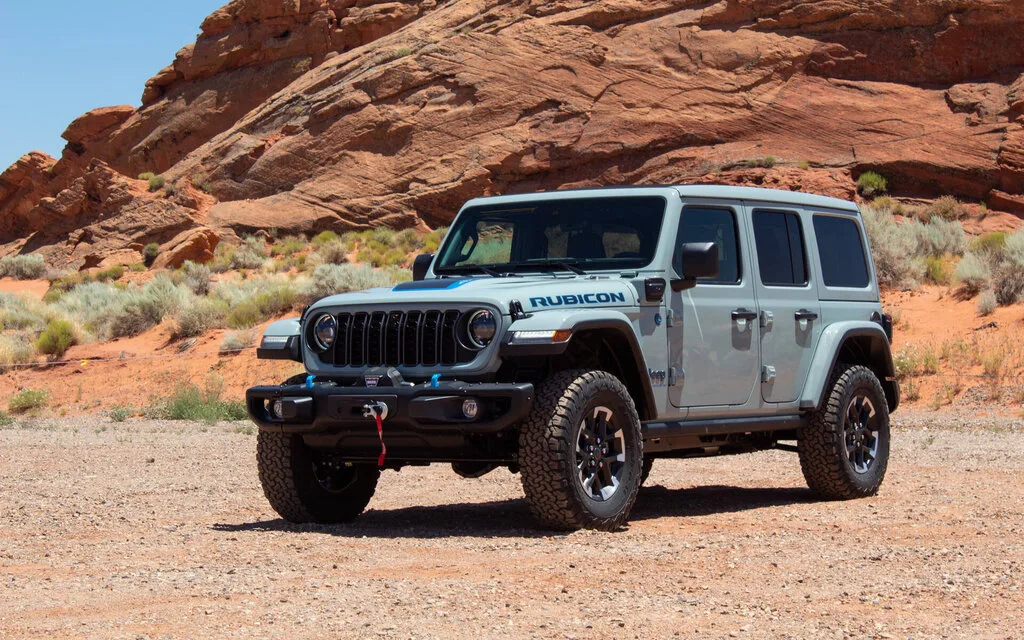
Are Jeeps Expensive To Fix?
Compared to other SUVs, Jeep repairs are usually average in cost. Parts are common and not too expensive.
However, labor costs can be high for complex issues like engine or transmission work.
Example repair costs:
- Oil change: $50, $90
- Brake job: $250, $450
- Suspension repair: $500, $1,200
- Transmission rebuild: $2,500, $3,500
Doing basic repairs yourself can save a lot of money. Many Jeep owners enjoy learning DIY maintenance.
Note: Prices can vary by location and model. Always get a quote before big repairs.
The Jeep Community Advantage
One reason Jeeps last so long is the strong Jeep owner community. There are thousands of guides, forums, and YouTube videos for every repair. If you get stuck, help is easy to find.
Some popular resources include the JeepForum, where owners share stories and tips.
Key Takeaways: How Many Miles Are Jeeps Good For?
- Most Jeeps last 150,000 to 300,000 miles or more with good care.
- Wranglers are famous for extreme mileage.
- Regular maintenance and rust prevention are critical.
- High-mileage Jeeps can be a good buy if well maintained.
- Jeep repairs are usually affordable, but major work can add up.
- Simple, older Jeep models often last the longest.
If you love adventure and are willing to care for your vehicle, a Jeep can go the distance. With a bit of attention, your Jeep could easily pass the 200,000-mile mark and beyond.
<!– wp:rank-math/faq-block {"questions":[{"id":"faq-question-af3cbbcedfb4","title":"How Many Miles Is Too Many For A Used Jeep?","content":"There is no strict cutoff, but over 200,000 miles means you should check the vehicle carefully. Look for good service records and signs of recent repairs. A Jeep with 150,000 to 200,000 well-maintained miles can still have lots of life left.
“,”visible”:true},{“id”:”faq-question-401c10706195″,”title”:”What Is The Longest-lasting Jeep Model?”,”content”:”The Jeep Wrangler, especially with the 4.0L straight-six engine, has the best reputation for high mileage. Some Wranglers and Cherokee XJs have reached 400,000+ miles with proper care.
“,”visible”:true},{“id”:”faq-question-b60e81e49121″,”title”:”Are Jeeps Reliable After 100,000 Miles?”,”content”:”Yes, if they have had regular maintenance. Many Jeeps go far beyond 100,000 miles.
However, expect to replace parts like suspension, brakes, and possibly the transmission after this point.
“,”visible”:true},{“id”:”faq-question-ffe6d74dc625″,”title”:”Do Jeeps Hold Their Value?”,”content”:”Jeeps, especially Wranglers, have high resale value compared to other SUVs. Their strong brand and off-road ability keep demand high, even for older models.
“,”visible”:true},{“id”:”faq-question-a58fdd786631″,”title”:”Is It Expensive To Keep An Old Jeep Running?”,”content”:”Older Jeeps may need more repairs, but parts are widely available and not too costly. Doing basic work yourself can keep costs down. Plan for about $650, $800 per year in maintenance for a high-mileage Jeep.
With the right care, a Jeep can be your partner on the road for many years and adventures.
“,”visible”:true}]} –>How Many Miles Is Too Many For A Used Jeep?
There is no strict cutoff, but over 200,000 miles means you should check the vehicle carefully. Look for good service records and signs of recent repairs. A Jeep with 150,000 to 200,000 well-maintained miles can still have lots of life left.
What Is The Longest-lasting Jeep Model?
The Jeep Wrangler, especially with the 4.0L straight-six engine, has the best reputation for high mileage. Some Wranglers and Cherokee XJs have reached 400,000+ miles with proper care.
Are Jeeps Reliable After 100,000 Miles?
Yes, if they have had regular maintenance. Many Jeeps go far beyond 100,000 miles.
However, expect to replace parts like suspension, brakes, and possibly the transmission after this point.
Do Jeeps Hold Their Value?
Jeeps, especially Wranglers, have high resale value compared to other SUVs. Their strong brand and off-road ability keep demand high, even for older models.
Is It Expensive To Keep An Old Jeep Running?
Older Jeeps may need more repairs, but parts are widely available and not too costly. Doing basic work yourself can keep costs down. Plan for about $650, $800 per year in maintenance for a high-mileage Jeep.
With the right care, a Jeep can be your partner on the road for many years and adventures.