If you’re considering buying a Jeep Wrangler or already own one, you might wonder, “How many gallons in Jeep Wrangler?” This is a common question for drivers who want to plan their trips, understand fuel costs, or compare SUVs.
The fuel tank size affects how far you can drive before refueling, your budget, and even your adventure plans. In this guide, you’ll find clear answers about Jeep Wrangler fuel capacity, differences between models, and practical tips for maximizing your mileage.
We’ll break down the numbers, explain what matters, and help you make smart choices, without complex jargon.
Jeep Wrangler Fuel Capacity: Basic Facts
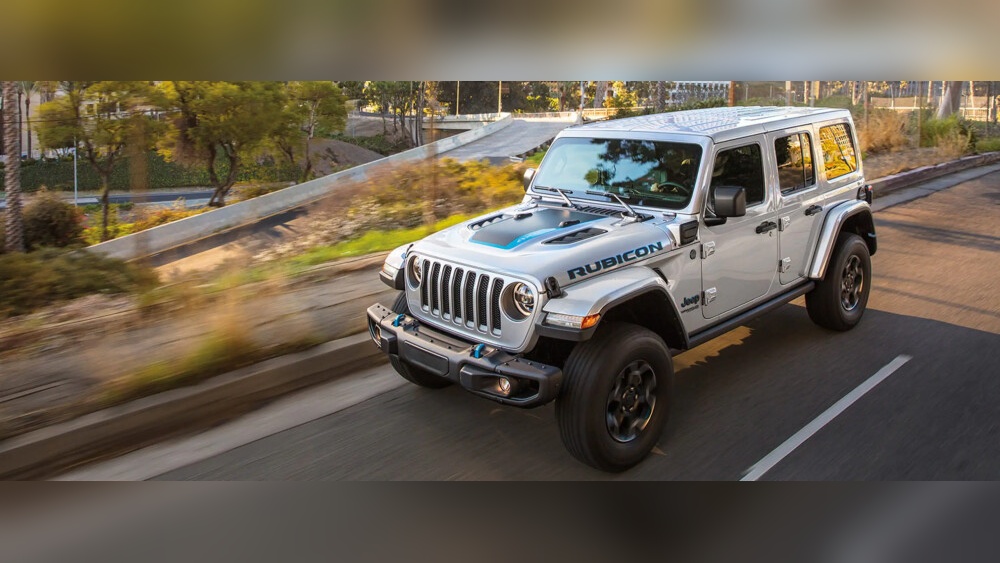
The fuel tank size in a Jeep Wrangler is an important feature. It determines how many gallons of gas you can carry. Most Jeep Wranglers have a fuel tank between 17 to 22.5 gallons. The exact number depends on the year, model, and engine type.
Let’s look at some typical Jeep Wrangler models and their fuel tank sizes:
- Jeep Wrangler JL (2018, present): Most 2-door models have a 17.5-gallon tank. Four-door (Unlimited) models usually have a 21.5-gallon tank.
- Jeep Wrangler JK (2007 to 2018): 2-door models carry 18.6 gallons, Unlimited (4-door) models have 22.5 gallons.
- Jeep Wrangler TJ (1997 to 2006): About 19 gallons, both 2-door and Unlimited.
- Jeep Wrangler YJ (1987 to 1995): Around 15 gallons.
So, when someone asks, “How many gallons in Jeep Wrangler?” the answer is: between 15 and 22.5 gallons, depending on the model.
Why Fuel Capacity Matters
The fuel tank size affects your driving range. If you have a larger tank, you can drive longer without stopping for gas. This is useful for road trips, off-road adventures, or long commutes. It also matters if you travel in places with few gas stations.
More gallons means:
- Longer trips between fill-ups
- More flexibility for off-road driving
- Easier planning for remote areas
But a bigger tank adds weight. Heavier vehicles may use more fuel, so it's not always better.
You need to balance size, efficiency, and how you use your Jeep.
Jeep Wrangler Models And Fuel Tank Sizes
Different Jeep Wrangler models have different fuel tank sizes. Here’s a clear comparison:
| Model Year | Body Style | Fuel Tank Size (Gallons) |
|---|---|---|
| 2024 JL | 2-door | 17.5 |
| 2024 JL | 4-door (Unlimited) | 21.5 |
| 2018 JK | 2-door | 18.6 |
| 2018 JK | 4-door (Unlimited) | 22.5 |
| 2006 TJ | 2-door | 19 |
| 1995 YJ | 2-door | 15 |
As you can see, the Jeep Wrangler Unlimited (the 4-door) usually has a larger tank than the 2-door version. This means you can drive farther between fill-ups with the Unlimited.
How Far Can You Go On One Tank?
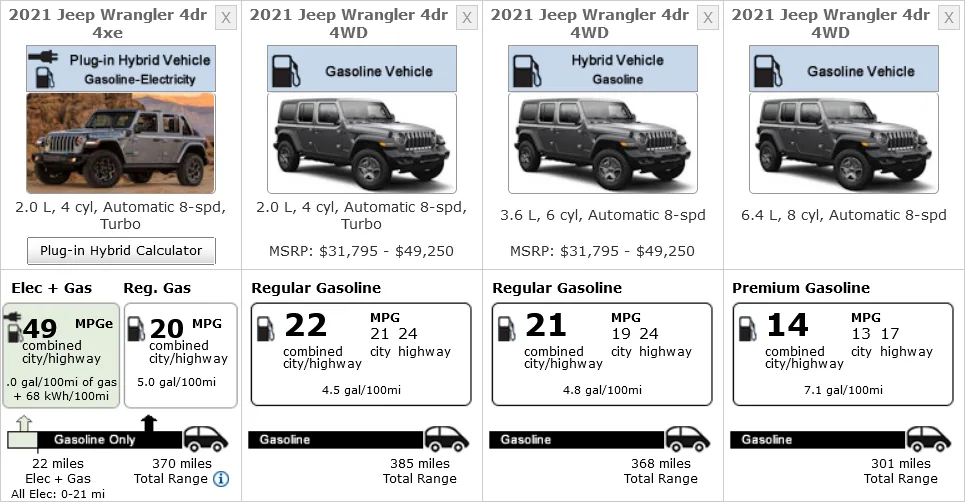
Knowing the fuel tank size is only half the story. You also need to know your Jeep Wrangler’s miles per gallon (MPG). Most Wranglers get between 17 to 25 MPG, depending on the engine, tires, and driving style.
Here’s a simple way to estimate your driving range:
Driving Range = Fuel Tank Size (gallons) x MPG
For example:
- A 2024 Jeep Wrangler Unlimited (21.5 gallons, 20 MPG) can go about 430 miles on a full tank.
- A 2-door Wrangler JL (17.5 gallons, 22 MPG) can drive about 385 miles.
Remember, these numbers are estimates. Real-world MPG varies.
Off-road driving, big tires, or heavy cargo can lower your mileage.
Pros And Cons Of Different Tank Sizes
Benefits Of Larger Tanks
- Longer range: Good for road trips, camping, and off-roading
- Less frequent stops: Save time on long journeys
- Peace of mind: Useful in remote areas
Downsides Of Larger Tanks
- Added weight: Bigger tanks make your Jeep heavier
- Slightly lower MPG: More weight can reduce fuel efficiency
- Higher fill-up cost: More gallons mean more money at the pump
Benefits Of Smaller Tanks
- Lighter vehicle: Better handling, slightly better MPG
- Lower fill-up cost: Less expensive to fill up
- Less space used: More room for other upgrades
Downsides Of Smaller Tanks
- Shorter range: More stops for fuel
- Less flexibility: Not ideal for remote or off-road travel
When choosing a Jeep Wrangler, think about how you use your vehicle. If you mostly drive in the city, a smaller tank may be fine.
If you love adventures far from gas stations, a bigger tank is better.
Fuel Efficiency And Real-world Costs
Jeep Wranglers are known for their off-road ability, not high fuel efficiency. Most models get between 17 to 25 MPG. The newer engines (like the 2.0L turbo) are a bit more efficient. Diesel options can get more miles per gallon, especially on highways.
Let’s compare some real-world costs:
| Model | MPG (Combined) | Fuel Tank Size (Gallons) | Estimated Range (Miles) | Cost to Fill (at $4/gallon) |
|---|---|---|---|---|
| 2024 Wrangler JL 2-door | 22 | 17.5 | 385 | $70 |
| 2024 Wrangler JL Unlimited | 20 | 21.5 | 430 | $86 |
| 2018 Wrangler JK Unlimited | 18 | 22.5 | 405 | $90 |
If you drive a lot, a larger tank can save you time, but you’ll pay more each time you fill up. If you drive mostly in town, a smaller tank may be enough.
Practical Tips For Jeep Wrangler Owners
To get the most out of your Jeep Wrangler’s fuel capacity, try these tips:
- Check your owner’s manual: Find the exact fuel tank size for your model.
- Monitor MPG: Track your real-world fuel economy.
- Avoid carrying extra weight: Remove roof racks or heavy cargo when not needed.
- Use quality fuel: Helps engine efficiency.
- Plan refueling stops: Especially for road trips or off-road adventures.
- Upgrade tires wisely: Bigger tires look cool but can reduce MPG and range.
Some beginners forget about tire pressure. Low tires can reduce MPG and shorten your driving range.
Also, many don't realize that off-roading uses more fuel than highway driving.
How To Find Your Jeep Wrangler’s Fuel Tank Size
If you want to know how many gallons in Jeep Wrangler for your specific model, here are easy ways:
- Check the owner’s manual: Most manuals list the fuel tank size under “Specifications.”
- Look for a sticker: Some Jeeps have a sticker near the fuel cap or in the door jamb.
- Visit the official website: Jeep lists specs for each model year.
- Ask your dealer: Dealers know exact specs for each trim.
Knowing your tank size helps with planning and budgeting.
Comparing Jeep Wrangler To Other Suvs
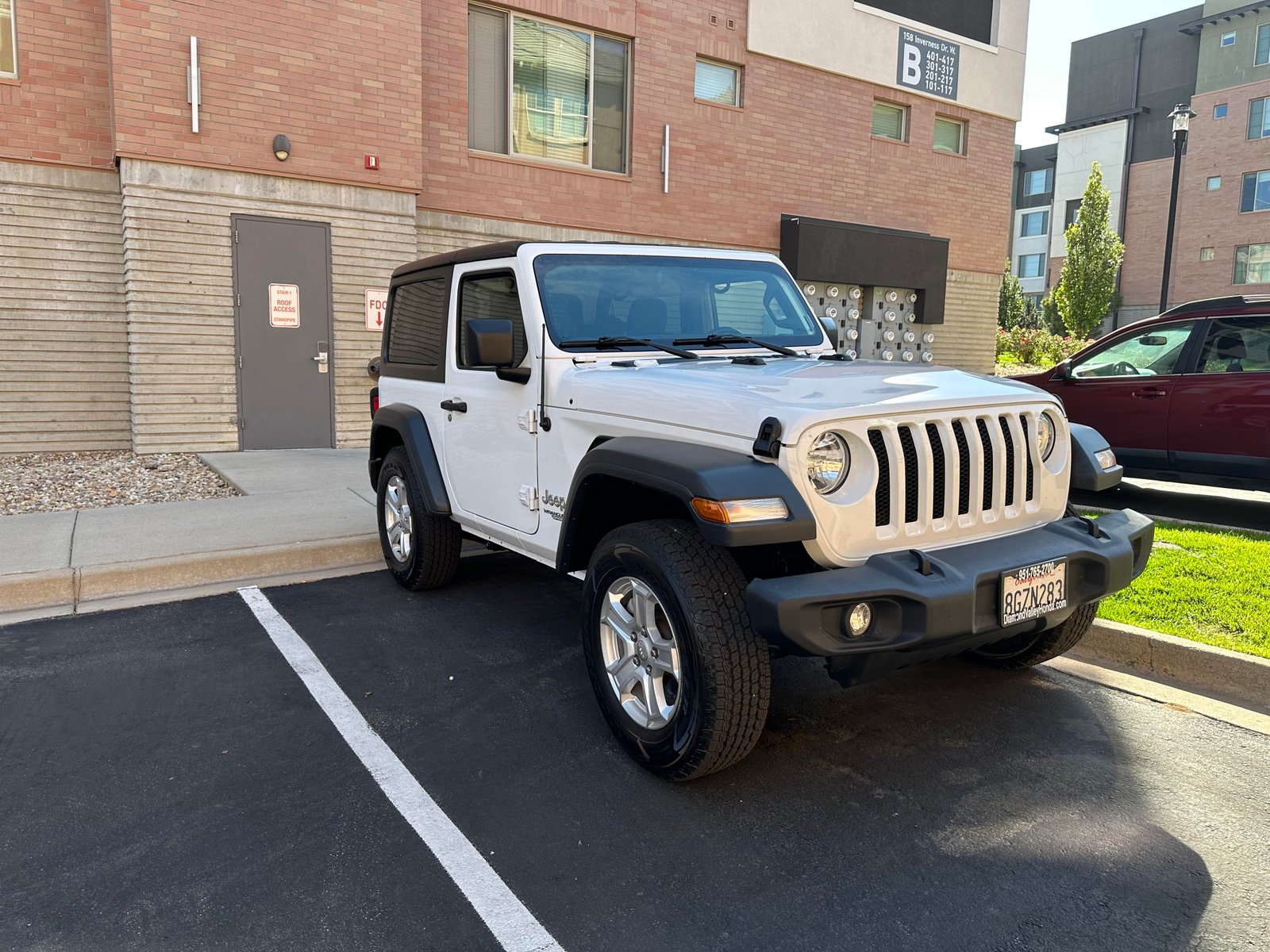
Some drivers wonder how the Jeep Wrangler’s fuel tank size compares to other popular SUVs. Here’s a quick comparison:
| Vehicle | Fuel Tank Size (Gallons) | Estimated Range (Miles) |
|---|---|---|
| Jeep Wrangler Unlimited | 21.5 | 430 |
| Toyota 4Runner | 23 | 437 |
| Ford Bronco | 20.8 | 436 |
| Honda CR-V | 14 | 392 |
| Subaru Outback | 16.6 | 450 |
The Jeep Wrangler Unlimited is close to its rivals in tank size and range. But remember, the Wrangler is mainly built for off-road use, which affects real-world MPG.
Non-obvious Insights: What Beginners Usually Miss
Many beginners focus on the fuel tank size but forget these points:
- Altitude and weather: Driving in mountains or cold weather can lower MPG, so your range drops.
- Aftermarket upgrades: Adding steel bumpers, roof racks, or winches increases weight, reducing MPG and range.
- Driving style: Quick acceleration and stop-and-go driving use more fuel than steady highway speeds.
If you’re planning a long trip or adventure, consider carrying a small fuel can for emergencies, especially in remote areas.
Cost Of Refueling And Budget Planning
The cost to fill up a Jeep Wrangler depends on your tank size and local gas prices. For example:
- Small tanks (15 to 17.5 gallons): $60, $70 at $4/gallon
- Large tanks (21.5 to 22.5 gallons): $86, $90 at $4/gallon
If gas prices rise, your fill-up cost goes up too. Plan your budget based on how often you drive, your MPG, and the places you visit.
Is It Worth Upgrading Your Fuel Tank?
Some owners ask about upgrading to a larger fuel tank. This is possible with aftermarket parts, but it’s not always needed. Upgrading:
Pros:
- More range for remote trips
- Fewer stops
Cons:
- Added weight
- Higher cost (tank + installation)
- Possible warranty issues
For most drivers, the stock tank is enough. Only upgrade if you travel far from gas stations often.
Jeep Wrangler: Adventure And Everyday Use
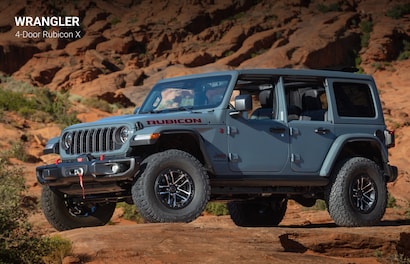
The Jeep Wrangler is famous for its adventure-ready design. Whether you use it for daily commuting or weekend trips, knowing your fuel tank size helps you plan. Most people don’t need the largest tank, but for off-road fans, it’s useful.
If you want more details or official specs, visit the Jeep Official Website.
<!– wp:rank-math/faq-block {"questions":[{"id":"faq-question-4841ca684e2d","title":"How Many Gallons In Jeep Wrangler Unlimited?","content":"The Jeep Wrangler Unlimited (4-door) has a fuel tank size of about 21.5 gallons in newer models (JL), and 22.5 gallons in JK models.
“,”visible”:true},{“id”:”faq-question-d6819c3caac9″,”title”:”How Many Gallons In Jeep Wrangler 2-door?”,”content”:”The 2-door Jeep Wrangler usually has a fuel tank size of 17.5 to 19 gallons, depending on the year and engine.
“,”visible”:true},{“id”:”faq-question-dc850c08f468″,”title”:”Can I Upgrade My Jeep Wrangler’s Fuel Tank?”,”content”:”Yes, some aftermarket companies offer larger tanks. However, it can add weight, cost more, and may affect your warranty. For most owners, the original tank is enough.
“,”visible”:true},{“id”:”faq-question-47b68bada2dd”,”title”:”How Do I Check My Jeep Wrangler’s Fuel Tank Size?”,”content”:”You can check your owner’s manual, look for a sticker near the fuel cap, visit the official Jeep website, or ask your dealer.
“,”visible”:true},{“id”:”faq-question-65c81d6b4056″,”title”:”Does Tire Size Affect My Driving Range?”,”content”:”Yes, larger tires can lower your miles per gallon (MPG), which reduces your driving range, even if the tank size stays the same.
“,”visible”:true}]} –>How Many Gallons In Jeep Wrangler Unlimited?
The Jeep Wrangler Unlimited (4-door) has a fuel tank size of about 21.5 gallons in newer models (JL), and 22.5 gallons in JK models.
How Many Gallons In Jeep Wrangler 2-door?
The 2-door Jeep Wrangler usually has a fuel tank size of 17.5 to 19 gallons, depending on the year and engine.
Can I Upgrade My Jeep Wrangler's Fuel Tank?
Yes, some aftermarket companies offer larger tanks. However, it can add weight, cost more, and may affect your warranty. For most owners, the original tank is enough.
How Do I Check My Jeep Wrangler's Fuel Tank Size?
You can check your owner’s manual, look for a sticker near the fuel cap, visit the official Jeep website, or ask your dealer.
Does Tire Size Affect My Driving Range?
Yes, larger tires can lower your miles per gallon (MPG), which reduces your driving range, even if the tank size stays the same.
Jeep Wrangler Fuel Tank: Final Thoughts
Understanding how many gallons in Jeep Wrangler helps you make smarter choices for trips, budget, and adventures. Most Wranglers have tanks between 15 and 22.5 gallons. Your driving range depends on tank size and MPG. If you plan trips or drive off-road, a larger tank is useful. For city driving, smaller tanks may be enough. Always check your model’s specs and track your MPG to get the best value.
Meta Title
How Many Gallons in Jeep Wrangler: Complete Guide for Models and Fuel Tanks
Meta Description
Wondering how many gallons in Jeep Wrangler? Discover fuel tank sizes for every model, driving range, tips for maximizing mileage, and practical advice for beginners.