How Long Do Jeeps Usually Last? Lifespan, Reliability, And Key Factors
Thinking about buying a Jeep, or already own one? A common question is: how long do Jeeps usually last?
You may have heard stories of Jeeps going for hundreds of thousands of miles, while others talk about problems after just a few years. The truth is, Jeeps have a unique reputation.
Some models are known for toughness, but others face reliability issues.
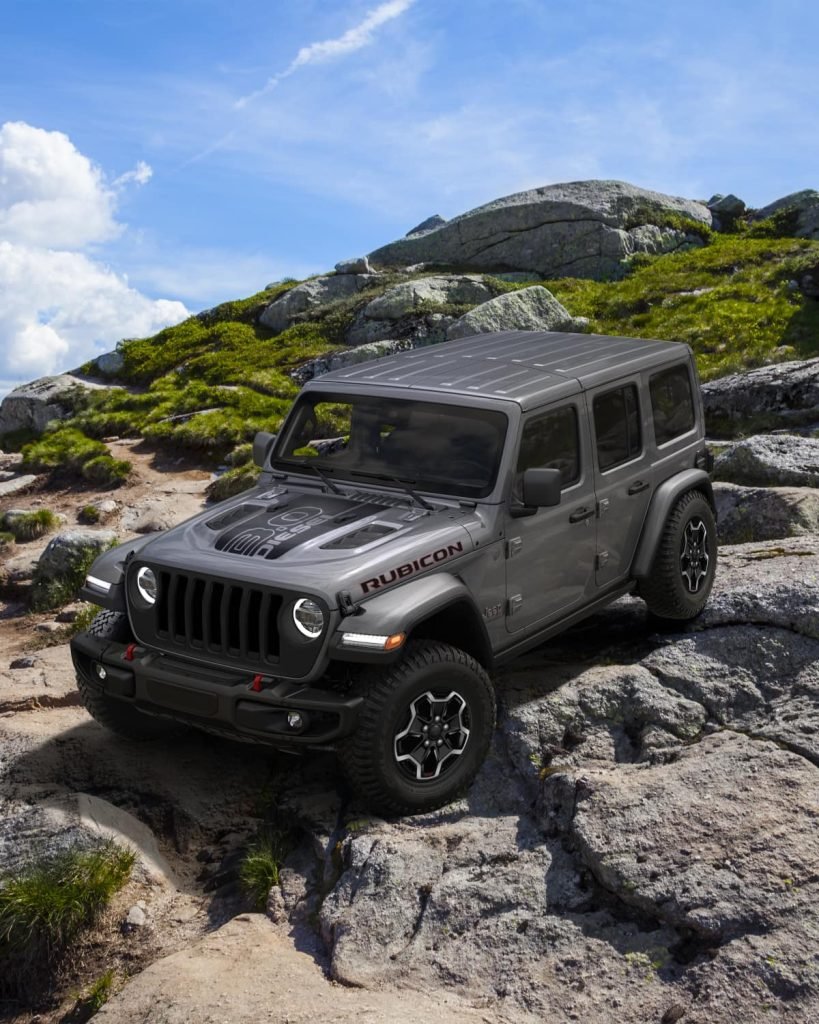
This guide covers how many miles and years you can expect from a Jeep, what helps or hurts their lifespan, real-world examples, and practical tips to keep your Jeep running strong.
Whether you want a family SUV or a rugged off-roader, you’ll find the answers you need.
Average Lifespan Of Jeeps
Most Jeep models can last a long time with proper care. On average, a well-maintained Jeep can reach 150,000 to 300,000 miles. In years, that’s about 10 to 20 years of use, depending on how much you drive each year and how you maintain it.
Some owners report their Jeeps lasting over 20 years, especially with basic models like the Jeep Wrangler and Jeep Cherokee. These vehicles are built for tough roads and off-road use, but regular maintenance is key.
Mileage Comparison With Other Brands
How do Jeeps compare to other popular SUVs? Here’s a quick look at average lifespans:
| Brand | Typical Lifespan (Miles) | Typical Lifespan (Years) |
|---|---|---|
| Jeep | 150,000 to 300,000 | 10 to 20 |
| Toyota | 200,000 to 300,000 | 12 to 20 |
| Honda | 200,000 to 300,000 | 12 to 20 |
| Ford | 150,000 to 250,000 | 10 to 17 |
| Chevrolet | 150,000 to 250,000 | 10 to 17 |
Jeeps can last as long as top brands, but they may need more attention, especially if used off-road.
Key Factors That Affect How Long Jeeps Last
Not all Jeeps are the same. Several factors play a big role in their lifespan:
1. Maintenance Habits
Regular oil changes, tire rotations, and timely repairs are critical. If you ignore maintenance, even the toughest Jeep will develop problems early.
Use the manufacturer's maintenance schedule as your guide.
2. Model And Year
Some Jeep models are more durable than others. For example:
- The Jeep Wrangler and Jeep Cherokee are famous for long life and simple mechanics.
- The Jeep Grand Cherokee offers comfort, but some years had reliability issues.
- Newer Jeeps have more electronics, which can increase repair costs.
3. Driving Conditions
- Off-roading or driving in harsh weather puts more stress on parts.
- City driving with many stops and starts can wear brakes and engines faster.
- Highway driving is easier on vehicles, so Jeeps used mostly for commuting often last longer.
4. Accident And Repair History
A Jeep that’s been in a major accident or had poor repairs may not last as long. Always check the vehicle history report before buying a used Jeep.
5. Quality Of Parts
Using high-quality or genuine Jeep parts for repairs can extend the vehicle’s life. Cheap replacement parts may cause problems or fail early.
Common Jeep Models And Their Lifespan
Let’s look at how long popular Jeep models typically last:
| Model | Average Lifespan (Miles) | Notable Points |
|---|---|---|
| Wrangler | 200,000 to 400,000 | Excellent off-road, simple design, holds value |
| Grand Cherokee | 150,000 to 250,000 | Comfortable, more features, some years less reliable |
| Cherokee | 175,000 to 250,000 | Good for families, reliable engine in older models |
| Compass | 150,000 to 200,000 | Smaller SUV, best for light use |
| Renegade | 100,000 to 150,000 | Smallest model, some reports of early issues |
The Wrangler stands out for long-term durability, especially when well cared for. The Renegade and Compass may not last as long, especially if used hard.
Real-world Jeep Mileage Examples
You can find many stories of Jeeps with impressive mileage. Here are a few real examples:
- A 1997 Jeep Wrangler with 370,000 miles, still running with original engine and transmission.
- A 2005 Grand Cherokee at 260,000 miles, used for daily commuting and family trips.
- Some Jeep Cherokees from the 1990s still on the road with over 300,000 miles.
These numbers are possible with regular maintenance and smart driving. But not every Jeep will reach these numbers luck, model year, and care matter.

Pros And Cons Of Jeep Longevity
Every car has its strengths and weaknesses. Here’s what you should know about Jeep lifespan:
Pros
- Strong frames and simple designs on models like the Wrangler last for decades.
- Parts availability is high, so repairs are easier.
- Off-road capability means Jeeps can handle rough roads better than many SUVs.
- Community support: Many Jeep forums and clubs help owners keep vehicles running longer.
Cons
- Higher repair costs: Some models, especially newer ones, can be expensive to fix.
- Electronics issues: Modern Jeeps have complex electronics that may fail before the engine does.
- Rust: Older Jeeps, especially in cold climates, may rust if not protected.
- Fuel economy: Jeeps are not known for great gas mileage, which can add up over years.
How To Make Your Jeep Last Longer
Want your Jeep to be one of those high-mileage legends? Here’s how:
- Follow the maintenance schedule: Never skip oil changes, fluid checks, and routine inspections.
- Use quality parts and fluids: Spend a little more on genuine or high-quality replacement parts.
- Rust-proof your Jeep: Especially important in areas with salty roads.
- Drive gently: Avoid aggressive driving, sudden stops, and hard off-roading unless your Jeep is built for it.
- Check for common issues: Watch for oil leaks, overheating, and unusual noises. Fix small problems before they grow.
- Store it properly: If possible, keep your Jeep in a garage or covered area to protect from weather.
Non-obvious Tips Most Beginners Miss
- Check the undercarriage often: Mud, salt, and rocks can damage parts you don’t see. Cleaning the bottom regularly can prevent rust and wear.
- Update software on new Jeeps: For newer models, software updates can fix transmission or electronic bugs that may cause early failures.
How Much Does It Cost To Keep A Jeep Running?
Owning a Jeep is not always cheap, but careful planning helps. Here’s a basic breakdown:
| Expense | Estimated Cost (Per Year) | Notes |
|---|---|---|
| Oil Changes | $80, $200 | 3 to 4 times per year |
| Tires | $400, $1,000 | Every 3 to 5 years, off-road tires cost more |
| Brake Service | $150, $400 | Every 2 to 3 years |
| Repairs | $300, $700 | Varies by model and use |
| Insurance | $1,000, $1,800 | Depends on driver, model, location |
Some repairs, like transmission or engine replacement, can cost $2,000, $5,000. Regular care can prevent many expensive problems.
Should You Buy A High-mileage Jeep?
Many people wonder if it’s safe to buy a Jeep with high miles. Here are key things to consider:
- Service records: Ask for proof of maintenance.
- Check for rust, especially on the frame and undercarriage.
- Test all electronics: Windows, locks, and 4×4 systems.
- Get a mechanic’s inspection: A trusted mechanic can spot hidden problems.
- Know the model’s track record: Some Jeep years had more issues than others. Research before you buy.
A high-mileage Jeep that’s been cared for can be a good deal. But a neglected one may cost more in repairs than it’s worth.
Jeep Reliability: What Do Experts Say?
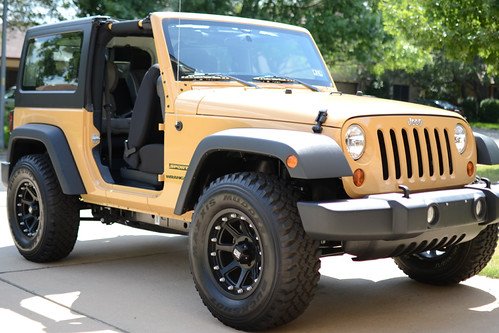
Jeeps have a mixed reputation for reliability. Older models like the Wrangler and Cherokee are seen as tough and easy to fix. Some newer models, especially those with advanced features, have more reported problems. According to a recent report by Consumer Reports, some Jeep models score below average for reliability, mainly due to electronics and transmission issues.
Still, the lifespan is strong if you keep up with maintenance and repairs. Many Jeep owners are loyal and keep their vehicles for years.
What Is The Highest Mileage Recorded On A Jeep?
Some Jeep owners have reached over 400,000 miles. The Jeep Wrangler is especially famous for long-lasting engines and simple parts. However, hitting such high numbers is rare and usually requires regular maintenance, gentle driving, and some luck.
<!– wp:rank-math/faq-block {"questions":[{"id":"faq-question-99604036b68a","title":"Are Jeeps Expensive To Maintain?","content":"Jeeps are not the cheapest vehicles to maintain, especially if you use them off-road. Parts and repairs can cost more than average.
nnnnHowever, common parts are widely available, and older Jeeps are easier to fix. Using quality parts and staying on top of service helps control costs.
“,”visible”:true}]} –>Are Jeeps Expensive To Maintain?
Jeeps are not the cheapest vehicles to maintain, especially if you use them off-road. Parts and repairs can cost more than average.
nnnnHowever, common parts are widely available, and older Jeeps are easier to fix. Using quality parts and staying on top of service helps control costs.
The Jeep Wrangler is known for the longest lifespan. Its simple design, strong frame, and easy-to-fix parts make it a favorite for high mileage. Older Jeep Cherokees are also well-known for lasting a long time.
“,”visible”:true}]} –>Which Jeep Model Lasts The Longest?
The Jeep Wrangler is known for the longest lifespan. Its simple design, strong frame, and easy-to-fix parts make it a favorite for high mileage. Older Jeep Cherokees are also well-known for lasting a long time.
Older Jeeps, especially those in snowy or salty areas, can rust if not protected. The undercarriage and frame are most at risk. Regular cleaning and rust-proofing treatments can help prevent serious rust problems.
“,”visible”:true}]} –>Do Jeeps Rust Easily?
Older Jeeps, especially those in snowy or salty areas, can rust if not protected. The undercarriage and frame are most at risk. Regular cleaning and rust-proofing treatments can help prevent serious rust problems.
How Do I Know If A Used Jeep Will Last?
Check maintenance records, look for signs of rust or damage, test all features, and have a mechanic inspect the vehicle. Also, research the year and model some have better reliability than others.
Buying from a trusted source helps reduce risk.
Jeep vehicles can be a smart long-term choice if you value adventure, off-road ability, and classic style. With good care, many Jeeps last far longer than people expect.
It's all about how you drive and maintain them.