If you’re thinking about buying a Jeep or already own one, you probably wonder, how long do Jeeps last miles? Jeeps are famous for their rugged build and off-road abilities, but how many miles can you really expect from them?
help you understand Jeep longevity, what affects their lifespan, and how to keep your Jeep running for years. You’ll also learn common problems, maintenance tips, and see comparisons with other vehicles.
Whether you’re a beginner or just curious, this article gives clear answers with real data and practical advice.
How Many Miles Do Jeeps Last?
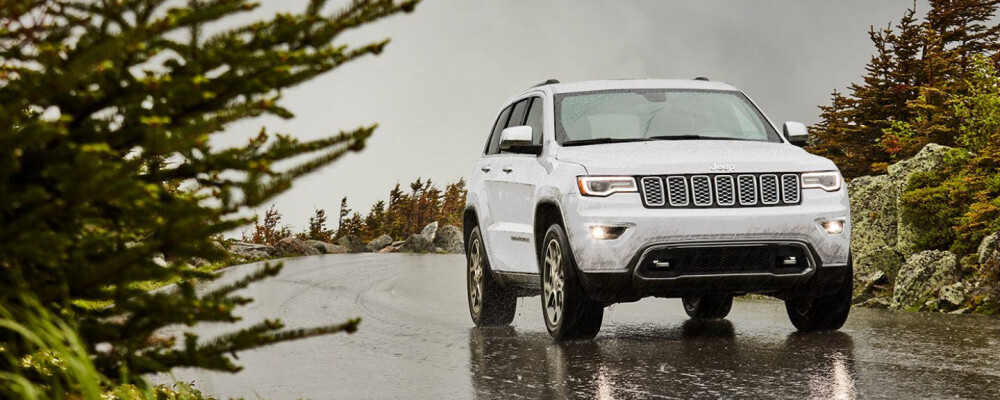
The main keyword, how long do Jeeps last miles, is about Jeep durability. Most Jeeps, especially the Jeep Wrangler, can last between 200,000 and 300,000 miles if properly cared for. Some owners report their Jeeps going well over 300,000 miles. Other models, like the Jeep Grand Cherokee, usually last between 150,000 and 250,000 miles.
Several factors affect Jeep mileage:
- Maintenance habits
- Driving style
- Type of terrain
- Year and model
- Climate conditions
Here’s a quick overview of average Jeep mileage based on real-world owner reports:
| Jeep Model | Average Lifespan (Miles) | High Mileage Reported |
|---|---|---|
| Wrangler | 200,000 to 300,000 | 400,000+ |
| Grand Cherokee | 150,000 to 250,000 | 350,000 |
| Compass | 150,000 to 200,000 | 220,000 |
| Renegade | 120,000 to 180,000 | 200,000 |
| Patriot | 120,000 to 200,000 | 210,000 |
What Makes Jeeps Last Long?
Jeep vehicles are built for tough conditions. Their body-on-frame construction (especially in Wranglers) is stronger than many modern cars. This helps Jeeps survive rough roads, mud, snow, and even rock climbing. But the way you use and care for your Jeep matters a lot.
Key Factors For Jeep Longevity
1. Regular Maintenance
Oil changes, fluid checks, and tire rotations are critical. Skipping maintenance can lead to engine damage or transmission issues.
2. Driving Habits
Aggressive driving, hard braking, and speeding on rough terrain can shorten your Jeep’s life. Gentle driving extends it.
3. Terrain And Use
Off-road adventures are fun but can wear out parts faster. If you mostly drive on highways, your Jeep will likely last longer.
4. Climate
Salt from winter roads can cause rust. Hot climates may lead to faster wear on rubber parts.
5. Model Year And Build Quality
Newer Jeeps often have improved engines and parts. Older models may be simpler but sometimes more reliable.
Common Jeep Problems That Limit Mileage
Even durable Jeeps have some weak points:
- Rust (especially underbody and frame)
- Transmission issues
- Electrical problems
- Suspension wear
Some problems are more common in certain models. For example, the Grand Cherokee has more electrical issues, while the Wrangler is prone to rust if not maintained.
Comparing Jeep Longevity To Other Suvs
Is Jeep really better than other SUVs for lasting miles? Here’s a comparison with popular brands:
| Brand/Model | Typical Lifespan (Miles) | Notes |
|---|---|---|
| Jeep Wrangler | 200,000 to 300,000 | Strong off-road, durable frame |
| Toyota 4Runner | 250,000 to 350,000 | Excellent reliability, simple mechanics |
| Ford Explorer | 150,000 to 250,000 | Good comfort, some transmission issues |
| Honda CR-V | 200,000 to 300,000 | Reliable, lower off-road ability |
| Chevrolet Tahoe | 200,000 to 300,000 | Strong V8 engine, good for towing |
Non-obvious insight: Jeeps last longer when used for their intended purpose. If you keep your Jeep mostly on paved roads and do regular maintenance, you can often beat the typical mileage and reach 300,000 miles or more.
How To Make Your Jeep Last Longer
If you want your Jeep to last for high miles, follow these practical steps:
1. Follow Factory Maintenance Schedule
Look in your owner’s manual for oil changes, brake checks, and fluid replacements. Don’t skip these.
2. Wash And Protect Against Rust
Clean your Jeep regularly, especially the underbody. Use rust protection sprays if you live in snowy areas.
3. Use Quality Parts And Fluids
Cheap parts may save money now but can cause expensive repairs later. Always choose OEM parts or trusted brands.
4. Drive Carefully Off-road
Avoid deep water, big rocks, and mud if you aren’t prepared. Off-road driving can stress parts faster.
5. Listen For Unusual Noises
Strange sounds may signal a problem. Fix issues early before they become expensive.
6. Store Your Jeep Properly
If possible, keep your Jeep in a garage to avoid weather damage.
7. Check Recalls And Updates
Manufacturers sometimes fix problems for free. Check for recalls by entering your VIN on official sites.
Second non-obvious insight: Many Jeep owners miss the importance of regular differential fluid changes. This is a hidden but important maintenance step, especially for Wranglers and Cherokees used off-road.
Pros And Cons Of Owning A High-mileage Jeep
Buying or keeping a high-mileage Jeep has advantages and disadvantages. Here are the main points:
Pros
- Lower purchase price for used Jeeps
- Proven reliability if maintained well
- Strong resale value for popular models
- Easy to find parts and repairs
Cons
- Higher risk of repairs as mileage increases
- Possible rust and cosmetic issues
- Older technology and fewer features
- Insurance may cost more for older vehicles
Jeep Ownership Costs: Maintenance And Repairs
How much does it cost to keep a Jeep running for 200,000+ miles? Here are typical expenses:
- Oil changes: $40, $80 (every 5,000 miles)
- Brake pads: $150, $300 (every 40,000 miles)
- Tire replacement: $500, $1,000 (every 40,000 to 60,000 miles)
- Suspension repairs: $500, $2,000 (after 100,000 miles)
- Transmission service: $150, $300 (every 60,000 miles)
Most Jeep owners spend $500, $1,000 per year on regular maintenance. Unexpected repairs can cost more, especially after 150,000 miles.
Used Jeep Buying Tips For High Mileage
If you’re shopping for a used Jeep, especially with high miles, follow these tips:
- Ask for maintenance records
A well-kept Jeep is worth more than a neglected one.
- Check for rust
Look under the vehicle, inside wheel wells, and near the doors.
- Test drive for noises
Listen for clunks, squeaks, or grinding sounds.
- Inspect tires and suspension
Uneven tire wear can signal alignment or suspension issues.
- Look for leaks
Oil, coolant, or transmission leaks are red flags.
- Research common issues
Each model has known problems. For example, Wranglers often have exhaust leaks, while Cherokees may have electrical faults.
Real Jeep Owner Stories
Some Jeep owners have shared their experiences online and in forums. For example:
- Tom from Colorado: His 2002 Jeep Wrangler reached 320,000 miles with regular oil changes and careful off-roading. He replaced the clutch and brakes but never needed major engine work.
- Linda from Texas: Her 2014 Grand Cherokee hit 210,000 miles. She drives mostly on highways and follows the dealer’s maintenance schedule. Only minor repairs so far.
- Mike from Michigan: Owns a Jeep Patriot with 190,000 miles. He had to replace the transmission at 140,000 miles but says the engine is still strong.
These stories show that Jeeps can last a long time with the right care, but major repairs may be needed as mileage increases.
Is A Jeep Right For You?
If you want a vehicle for adventure, off-road fun, or just reliable daily driving, a Jeep can be a great choice. They last long miles, especially with good care. However, expect higher maintenance costs and the possibility of repairs as your Jeep ages. If you prefer low-cost ownership, a Honda or Toyota might last as long with fewer issues. But for durability and fun, Jeeps stand out.
<!– wp:rank-math/faq-block {"questions":[{"id":"faq-question-834f920022ae","title":"How Many Miles Can A Jeep Wrangler Last?","content":"A well-maintained Jeep Wrangler often lasts 200,000 to 300,000 miles. Some owners report even higher mileage, especially with regular care and gentle driving.
“,”visible”:true},{“id”:”faq-question-0c5afdf80380″,”title”:”Is It Worth Buying A Jeep With Over 100,000 Miles?”,”content”:”Yes, if the Jeep has a full maintenance history and no major rust or damage. Jeeps are built to last, but check for common issues before buying.
“,”visible”:true},{“id”:”faq-question-a5ce3a971cd5″,”title”:”What Is The Most Reliable Jeep Model For High Mileage?”,”content”:”The Jeep Wrangler is considered the most reliable for high-mileage use. Its simple design and strong frame make it a favorite for long-term owners.
“,”visible”:true},{“id”:”faq-question-3136030e63c6″,”title”:”Do Jeeps Cost More To Repair As They Age?”,”content”:”Yes, repair costs usually increase after 100,000 miles. Expect higher expenses for suspension, transmission, and rust prevention.
“,”visible”:true},{“id”:”faq-question-4f5cb0dc58fb”,”title”:”How Can I Check If A Jeep Has Been Well Maintained?”,”content”:”Ask for service records, check for rust and leaks, and look up the VIN for recalls or accident history. A mechanic’s inspection before purchase is also recommended.
“,”visible”:true}]} –>How Many Miles Can A Jeep Wrangler Last?
A well-maintained Jeep Wrangler often lasts 200,000 to 300,000 miles. Some owners report even higher mileage, especially with regular care and gentle driving.
Is It Worth Buying A Jeep With Over 100,000 Miles?
Yes, if the Jeep has a full maintenance history and no major rust or damage. Jeeps are built to last, but check for common issues before buying.
What Is The Most Reliable Jeep Model For High Mileage?
The Jeep Wrangler is considered the most reliable for high-mileage use. Its simple design and strong frame make it a favorite for long-term owners.
Do Jeeps Cost More To Repair As They Age?
Yes, repair costs usually increase after 100,000 miles. Expect higher expenses for suspension, transmission, and rust prevention.
How Can I Check If A Jeep Has Been Well Maintained?
Ask for service records, check for rust and leaks, and look up the VIN for recalls or accident history. A mechanic’s inspection before purchase is also recommended.
Meta Title
How Long Do Jeeps Last Miles: Jeep Lifespan, Maintenance & Tips
Meta Description
Wondering how long Jeeps last miles? Discover Jeep lifespan, maintenance tips, owner stories, and mileage comparisons.
Learn how to keep your Jeep running for years and what affects durability.
If you want more details about Jeep reliability, visit Wikipedia for official Jeep history and specs.
Jeeps are tough vehicles that can last for hundreds of thousands of miles with the right care. By following maintenance tips and understanding common issues, you can enjoy your Jeep for many years and adventures.
If you’re looking for a reliable, fun, and durable vehicle, Jeeps are a strong option.