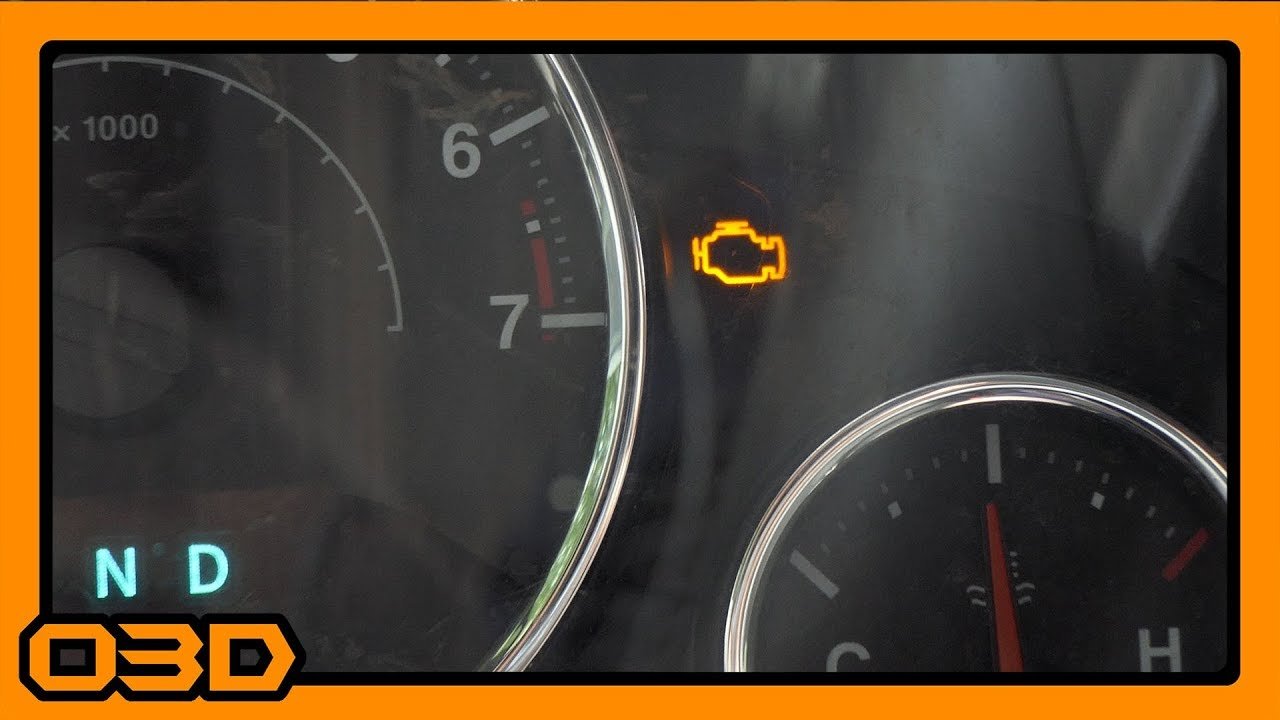
Your Jeep Wrangler’s engine light just came on, and now you’re wondering what it means and what you should do next. That little warning light can be confusing and even a bit scary, but don’t panic.
It’s your vehicle’s way of telling you something needs attention sometimes it’s a quick fix, other times it could signal a bigger issue.
You’ll learn how to understand why your Jeep’s engine light is on, how to check for error codes without special tools, and what simple steps you can take before rushing to the mechanic.
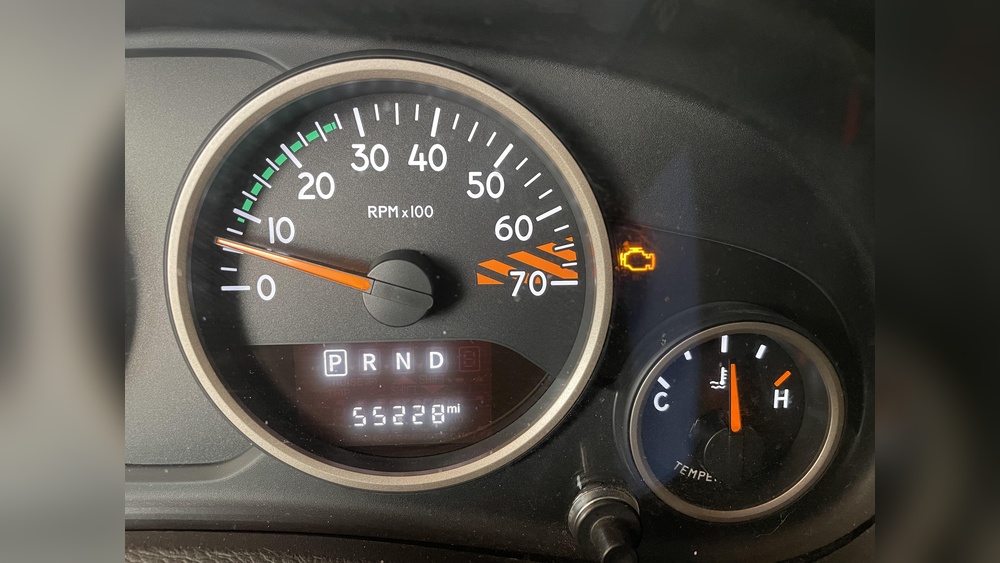
Stick around, because knowing what that light means could save you time, money, and a whole lot of stress on the road.
Common Causes
The check engine light in your Jeep Wrangler warns you of serious problems that need immediate attention. Ignoring these issues can cause costly repairs and unsafe driving conditions. Understanding the common causes helps you act quickly and protect your vehicle’s performance and safety.
Catalytic Converter Problems
The catalytic converter reduces harmful emissions from your Jeep. A failing converter causes poor engine performance and increased pollution.
Symptoms include a strong smell of rotten eggs and reduced fuel efficiency. Fixing this issue early prevents damage to other engine parts.
Engine Misfires
Engine misfires occur when the fuel-air mixture in the cylinders does not ignite properly. This causes rough idling, loss of power, and increased emissions.
Misfires can damage the catalytic converter and reduce fuel economy. Immediate diagnosis and repair are essential to avoid further engine damage.
Sensor Failures
Your Jeep relies on sensors to monitor engine health and emissions. Faulty sensors can trigger the check engine light and cause the engine to run poorly.
Common sensor failures include oxygen sensors and mass airflow sensors. Replacing bad sensors restores proper engine function and fuel efficiency.
Transmission Faults
Transmission issues can also turn on the check engine light. Problems like slipping gears or delayed shifting affect driving safety and vehicle control.
Ignoring transmission faults leads to costly repairs and breakdowns. Early diagnosis helps maintain smooth shifting and prolongs transmission life.

Conclusion
The Jeep Wrangler’s engine light is a helpful alert for your vehicle’s health. Small issues like a loose gas cap can cause the light to come on.
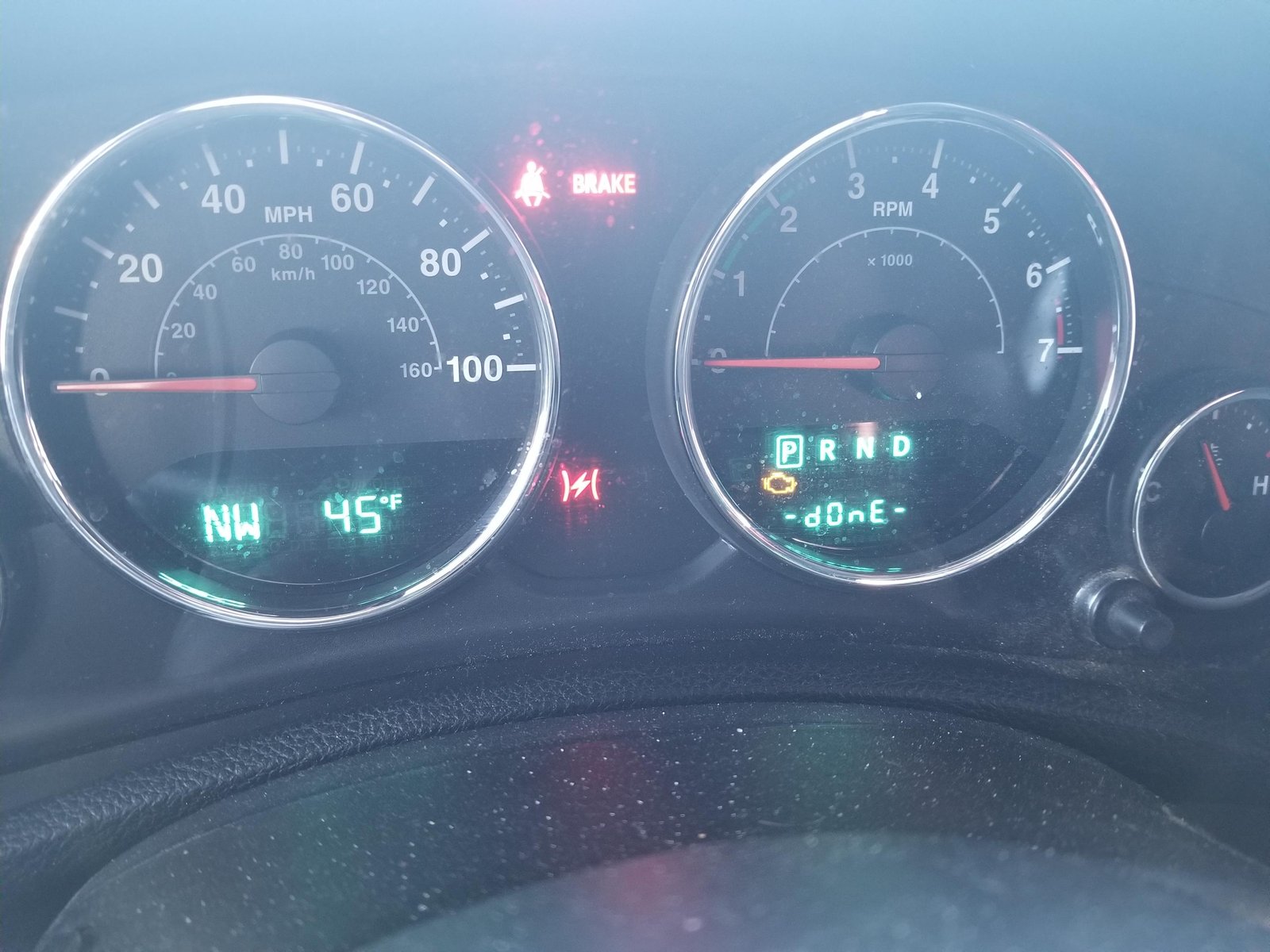
Sometimes, it points to more serious engine or emissions problems. You can check error codes yourself without special tools on many Wrangler models.
Start by checking simple things like oil levels before seeking repairs. Knowing what the light means helps you keep your Jeep running smoothly and safely.
Always address the warning soon to avoid bigger problems down the road.