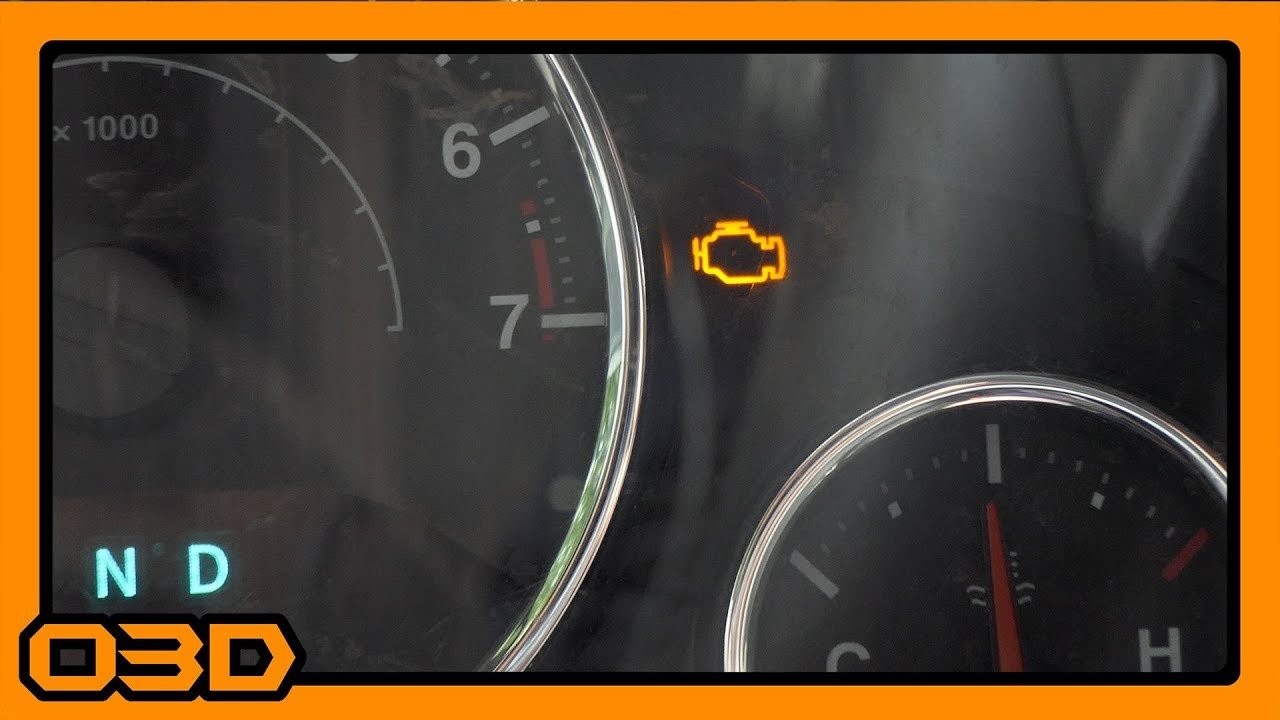
If your 2016 Jeep Wrangler’s check engine light just came on, you’re probably wondering what’s going on and what you should do next. That little warning light isn’t just a random glow—it’s your Jeep’s way of telling you something needs attention.
Ignoring it could lead to bigger problems, but don’t worry. You don’t have to be a mechanic to figure out the cause or fix it.
You’ll learn simple steps to diagnose the issue, common reasons why the light turns on, and what actions you can take right away.

Keep reading to get your Jeep back on the road safely and smoothly.
Check Engine Light Basics
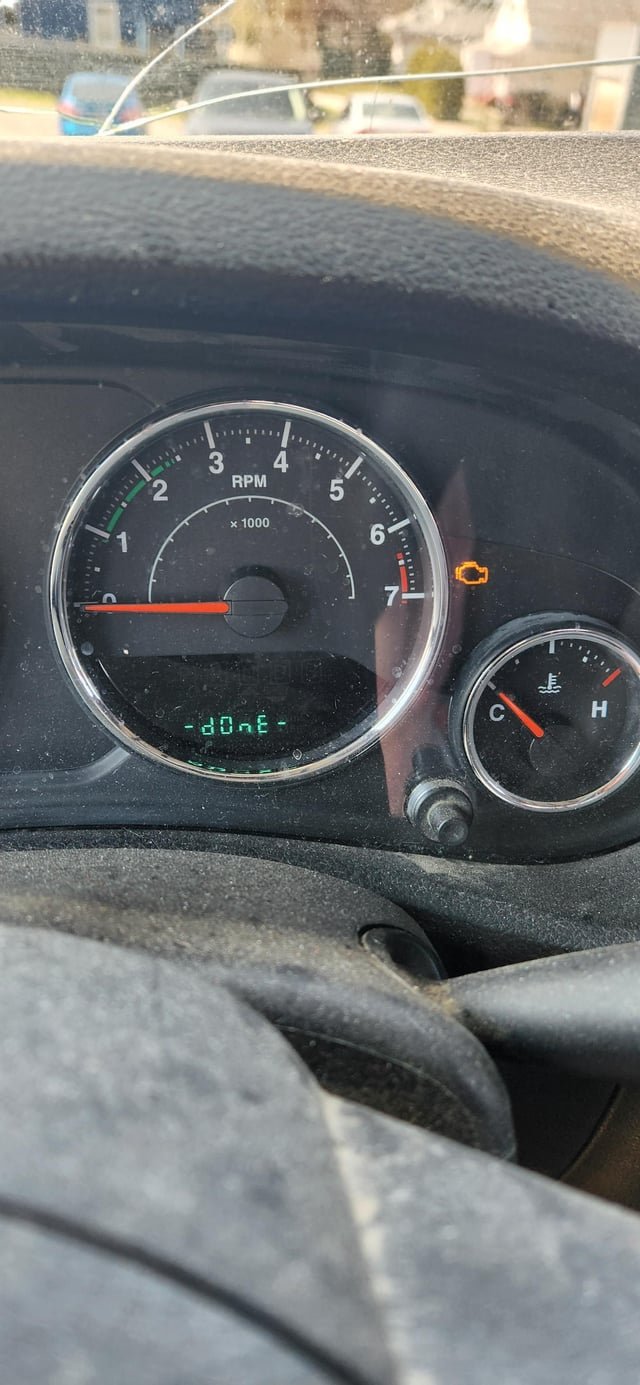
The check engine light on your 2016 Jeep Wrangler is a key alert system. It signals that the vehicle’s computer has detected an issue.
Understanding this light helps you act quickly and avoid bigger problems.
This warning light is part of your Jeep’s onboard diagnostics. It monitors many systems like the engine, transmission, and emissions.
The light turns on when something is wrong, but not all problems are urgent.
What The Light Means
The check engine light means your Jeep’s computer found a fault. It could be a minor issue or a serious problem.
Common triggers include a loose gas cap, faulty sensors, or engine troubles.
The light may stay steady or flash. A steady light usually means a less urgent problem.
A flashing light warns of a severe issue that needs immediate attention.
When To Worry
A steady check engine light calls for a quick check. You can keep driving but should get the vehicle inspected soon.
Ignoring the light may lead to poor fuel economy or more damage.
A flashing check engine light signals a critical problem. Stop driving and seek help immediately.
Continuing to drive can cause major engine damage and high repair costs.
Pay attention to how your Jeep feels. Strange noises, poor performance, or stalling are signs to worry.
These symptoms with a check engine light need prompt service.
Retrieving Error Codes
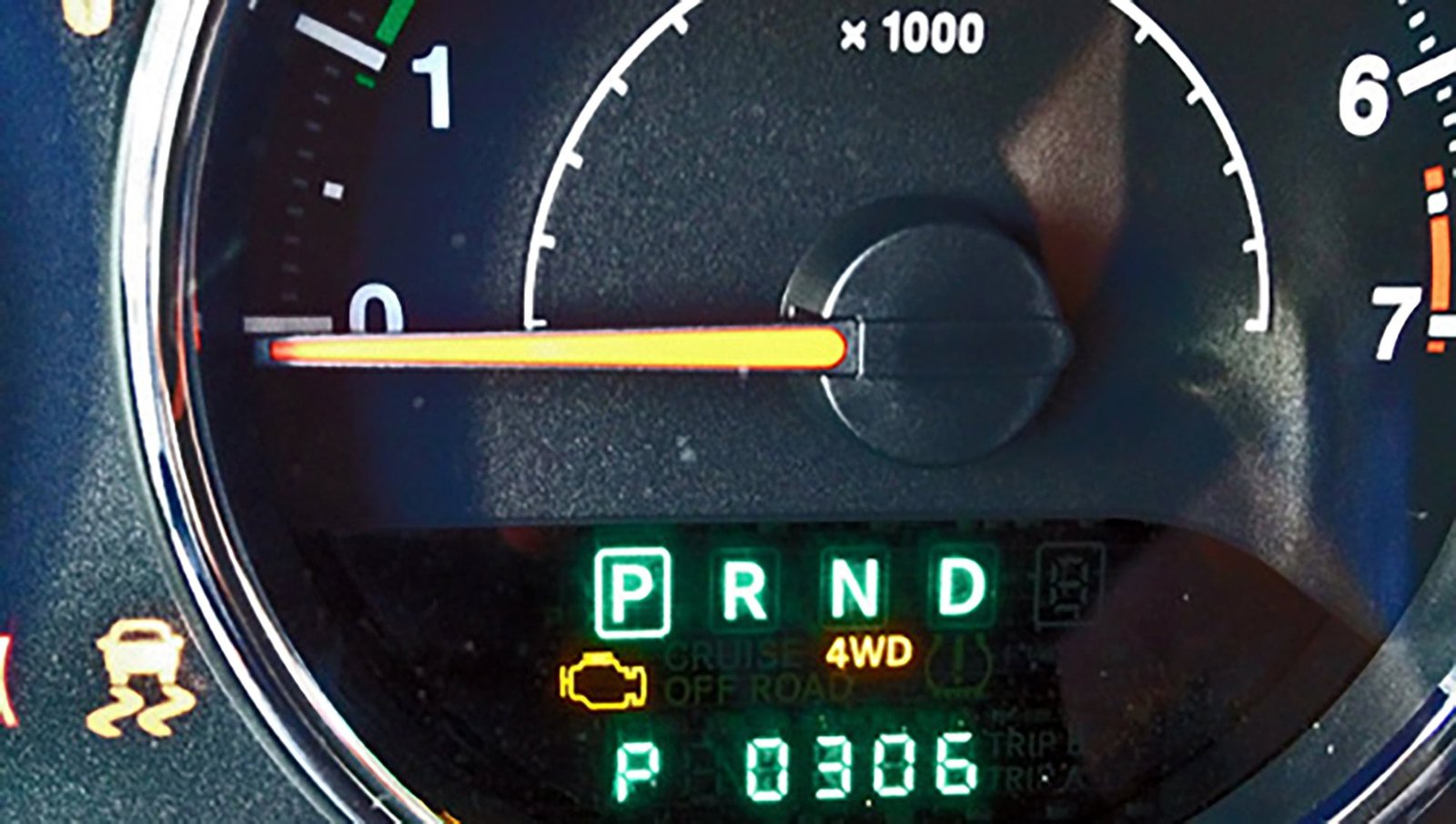
The check engine light on your 2016 Jeep Wrangler signals a detected problem. Retrieving error codes helps identify the specific issue.
These codes guide you or a mechanic to the needed repairs.
Two common ways exist to get these error codes. One uses the key cycle method.
The other involves an OBD-II scanner. Both methods are simple and do not require special skills.
Key Cycle Method
This method uses the ignition key to read the error codes without tools. First, close all doors to ensure the system is ready. Insert the key into the ignition.
Turn the key quickly from OFF to ON three times. Do not start the engine.
End on the ON position. The check engine light will flash a series of codes.
Count the flashes to note the code numbers. Each code consists of two digits.
Write these codes down for reference when diagnosing the problem.
Using An Obd-ii Scanner
An OBD-II scanner plugs into your Jeep’s diagnostic port. This port is usually under the dashboard near the steering wheel.
Turn the ignition to ON but do not start the engine.
Connect the scanner to the port. The device will communicate with your Jeep’s computer and retrieve stored error codes.
The scanner screen will display the codes clearly.
Some scanners offer descriptions of the codes. This helps you understand the possible issues.
Use this information to decide on repairs or to share with a mechanic.
Common Causes
The check engine light on a 2016 Jeep Wrangler signals a problem within the vehicle’s system. Several common issues can trigger this warning.
Understanding these helps to identify and fix the problem quickly. Here are some frequent causes behind the check engine light.
Loose Gas Cap
A loose gas cap is the simplest cause of the check engine light. It allows fuel vapors to escape, triggering the warning.
Tightening the gas cap until it clicks often solves the issue. After tightening, drive the Jeep for a few days. The light usually turns off by itself.
Failing Oxygen Sensors
Oxygen sensors measure exhaust gases and help control fuel efficiency. A failing sensor sends wrong data to the engine computer.
This causes poor performance and higher fuel consumption. Replacing a bad oxygen sensor restores proper function and saves fuel.
Dirty Mass Airflow Sensor
The mass airflow sensor measures air entering the engine. Dirt or debris can block the sensor, giving false readings.
This affects the air-fuel mix and engine power. Cleaning or replacing the sensor fixes this common problem.
Fuel Injection Issues
Fuel injectors deliver fuel to the engine cylinders. Clogged or damaged injectors cause uneven fuel flow.
This leads to rough idling and poor acceleration. Repairing or cleaning the injectors clears the check engine light.
Damaged Hoses
Hoses carry air and fluids to different engine parts. Cracks or leaks in hoses cause vacuum leaks or fluid loss.
This disrupts engine function and triggers the warning light. Inspecting and replacing damaged hoses restores normal operation.
Easy Fixes
Fixing the check engine light on a 2016 Jeep Wrangler can be simple. Basic checks and replacements often clear the warning.
These fixes save time and money. They also keep your Jeep running smoothly.
Tightening The Gas Cap
The gas cap often causes the check engine light to turn on. It can become loose or damaged, letting fuel vapors escape.
Turn off the engine and twist the gas cap until you hear a click. This seals the tank tightly.
Drive for a few miles to see if the light goes off. A tight gas cap is an easy fix and often solves the problem.
Replacing Oxygen Sensors
Oxygen sensors measure the amount of oxygen in the exhaust. They help the engine run efficiently.
Faulty sensors send wrong signals to the engine control unit. This triggers the check engine light.
Buy the correct sensor for a 2016 Jeep Wrangler. Unplug the old one and install the new sensor.
This can improve fuel economy and reduce emissions.
Cleaning The Airflow Sensor
The airflow sensor checks how much air enters the engine. Dirt and dust can block it, causing poor engine performance.
Remove the sensor carefully and clean it with a special cleaner. Let it dry before putting it back.
Cleaning the sensor often clears the check engine light and restores smooth running.
Inspecting And Replacing Hoses
Hoses carry air, fuel, and vacuum around the engine. Cracks or leaks can cause the check engine light to come on.
Look for damaged or loose hoses under the hood. Replace any that are cracked or worn out.
Secure all connections tightly. This simple step can fix the problem and prevent engine issues.
When To Seek Professional Help
Knowing when to seek professional help for your 2016 Jeep Wrangler’s check engine light is crucial. Some issues require expert attention to prevent costly damage.
Early detection and repair keep your Jeep running smoothly.
Watch for signs that go beyond a simple warning light. Your safety and vehicle’s health depend on timely action.
Understanding these signs can help you decide when to visit a mechanic.
Persistent Warning Lights
If the check engine light stays on for days, it signals a persistent problem. Ignoring it can lead to bigger issues.
A professional mechanic can diagnose the exact cause using special tools. Persistent lights mean the problem is not fixing itself.
Flashing Check Engine Light
A flashing check engine light means a serious problem. It often points to engine misfires or severe issues.
Driving with a flashing light can damage your engine. Stop driving and get your Jeep checked immediately. This warning needs urgent professional attention.
Performance Problems
Notice if your Jeep loses power or runs roughly. Strange noises or poor fuel economy are also red flags.
These symptoms often accompany check engine light warnings. A mechanic can find the root cause and fix it properly. Don’t wait until the problem worsens.
Preventive Maintenance Tips
Preventive maintenance is key to keeping your 2016 Jeep Wrangler running smoothly. It helps avoid sudden check engine light alerts and costly repairs.
Regular care ensures your engine stays healthy and efficient.
Simple steps taken regularly can extend your vehicle’s life. A well-maintained Jeep delivers better performance and saves money on fuel.
Pay close attention to parts that often cause issues.
Regular Inspections
Check your Jeep often for signs of wear or damage. Look under the hood for loose wires or cracked hoses.
Inspect belts for cracks and replace if worn out.
Keep an eye on fluid levels like oil, coolant, and brake fluid. Low fluids can trigger the check engine light.
Schedule a professional inspection at least twice a year.
Scheduled Sensor Replacements
Sensors monitor your Jeep’s engine and exhaust systems. Faulty sensors often cause the check engine light to turn on.
Replace oxygen and mass airflow sensors as recommended in your owner’s manual.
Keeping sensors fresh helps your Jeep run cleaner and use fuel better. Ignoring sensor issues can lead to poor performance and higher emissions.
Fuel System Care
Fuel system problems can cause the check engine light to activate. Use high-quality fuel to avoid deposits and clogs.
Replace the fuel filter regularly to keep fuel flowing smoothly.
Clean fuel injectors if you notice rough idling or poor acceleration. Proper fuel system care improves engine efficiency and reduces the risk of breakdowns.
Resources For Jeep Owners
Jeep Wrangler owners often need reliable resources to manage the check engine light issues. Having the right tools and support helps solve problems quickly.
Several resources can guide you through understanding and fixing your 2016 Jeep Wrangler’s check engine light.
These resources include online groups, helpful videos, and professional service centers. Each offers unique support tailored to Jeep owners’ needs.
Helpful Online Communities
Online forums and groups connect Jeep owners worldwide. Members share tips, experiences, and solutions for check engine light problems.
Platforms like Reddit’s r/Wrangler have active discussions on this topic. You can ask questions and get advice from experienced Jeep owners.
These communities provide quick answers and practical advice.
Video Tutorials
Video tutorials show step-by-step guides to diagnose and fix issues. YouTube channels offer clear, easy-to-follow instructions for Jeep Wrangler owners.
Some videos explain how to read error codes without expensive tools. Others demonstrate common repairs like tightening the gas cap or replacing sensors.
Videos help visualize the process, making repairs simpler.
Authorized Jeep service centers have trained technicians and genuine parts. They offer professional diagnosis and repair for check engine light problems.
These centers follow Jeep’s guidelines to ensure quality service. Visiting an authorized center can prevent further damage and keep your warranty intact.
They also provide official updates and recalls information.
Frequently Asked Questions
What Is The Most Common Check Engine Light On A Jeep Wrangler?
The most common check engine light cause on a Jeep Wrangler is a loose or damaged gas cap. Tighten it until it clicks to reset the light.
Can I Drive $1000 Miles With The Check Engine Light On?
Driving 1000 miles with the check engine light on risks severe engine damage. Get a diagnostic test immediately.
How To Reset Check Engine Light On A 2016 Jeep Wrangler?
To reset the check engine light on a 2016 Jeep Wrangler, tighten the gas cap securely. Then, drive for a few days.
Use an OBD-II scanner to clear codes if needed. Alternatively, cycle the key OFF and ON three times without starting to retrieve codes.
Can I Still Drive My Car If The Check Engine Light Just Came On?
You can drive briefly if the check engine light just came on. Avoid heavy use and get your car checked soon.
A flashing light means stop immediately and seek service.
Conclusion
The check engine light in a 2016 Jeep Wrangler should never be ignored. It signals your vehicle needs attention to stay safe and efficient.
Simple issues like a loose gas cap can cause the light to turn on. More serious problems require professional diagnosis and repair.
Regular checks and timely fixes help avoid costly damage. Pay attention to your Jeep and act quickly when the light appears.
This keeps your Wrangler running smoothly and your drives worry-free.