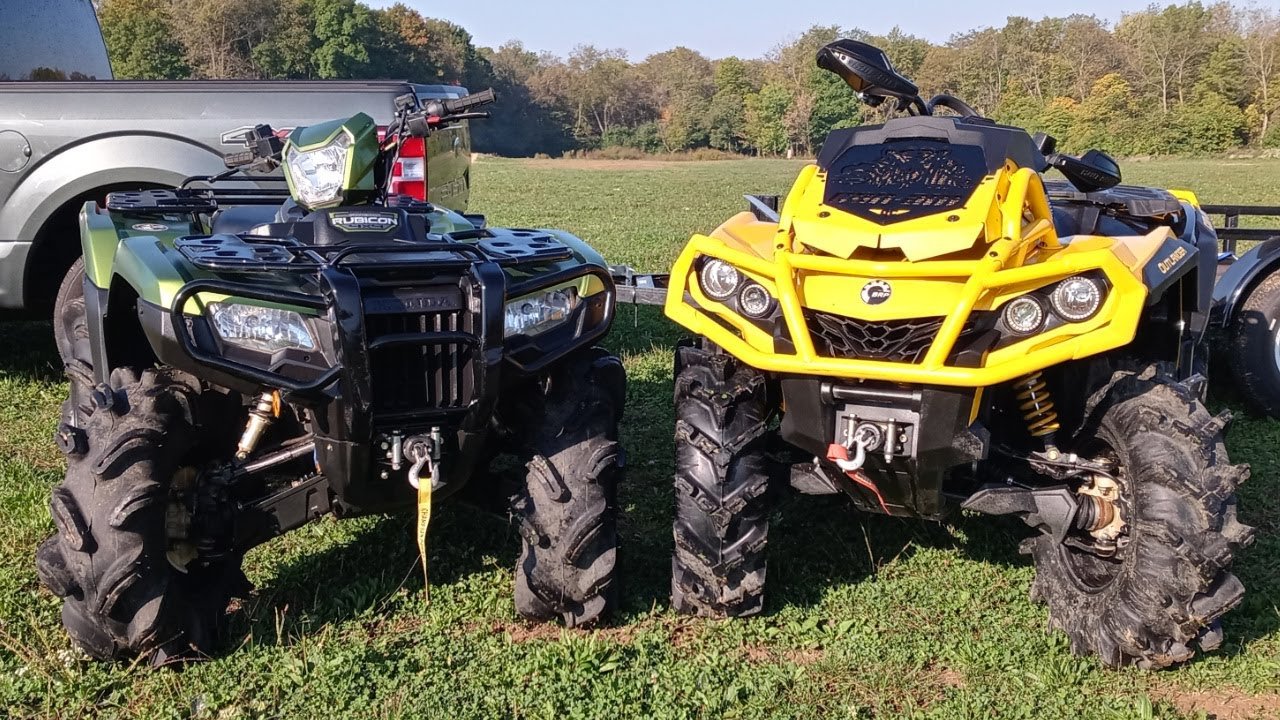
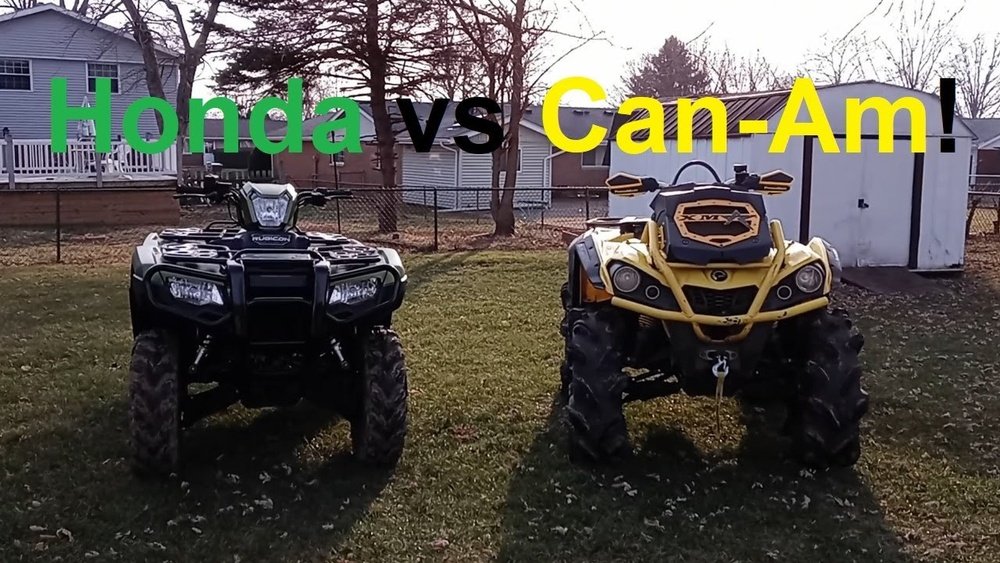
The Can-Am Outlander and Honda Rubicon are two of the most respected names in the ATV world. Both machines have earned loyal followings, but they offer different experiences depending on your riding style and needs. Whether you want a workhorse for the farm, a trail companion for weekend adventures, or a reliable all-rounder, understanding what sets these ATVs apart can help you make a smarter choice.
Engine Performance And Power
Engine power is a big deal for ATV buyers. The Can-Am Outlander shines with a range of engines from a sporty 450cc single cylinder up to a muscular 1000cc V-twin. The most popular Outlander models, like the Outlander 650, deliver 62 horsepower, giving you plenty of punch for steep hills, mud, and towing.
The Honda Rubicon focuses on reliability and smooth power delivery. It comes mainly with a 518cc single-cylinder engine, producing about 28 horsepower. While this is less than the Outlander’s top models, the Rubicon’s power is delivered in a controlled, steady way. This is perfect for technical trails or hauling heavy loads where torque matters more than top speed.
| Model | Engine Size | Horsepower |
|---|---|---|
| Can-Am Outlander 650 | 649.6cc | 62 hp |
| Honda Rubicon 520 | 518cc | 28 hp |
If you want raw speed, the Outlander wins. If you value engine reliability and smooth control, the Rubicon stands out.
Transmission And Handling
The Can-Am Outlander uses a continuously variable transmission (CVT). This means you get seamless acceleration with no gear shifting. For new riders or those who like simple operation, CVT is a plus. The Outlander also offers selectable 2WD/4WD and, on some models, a locking front differential for tough terrain.
The Honda Rubicon is famous for its Dual Clutch Transmission (DCT) system. You can ride it in fully automatic mode or shift manually with handlebar buttons. This gives a more connected feel for experienced riders. The DCT is also proven to be extremely durable, with less belt maintenance compared to CVT.
Both ATVs use independent suspension for better comfort over rough ground. However, the Outlander’s suspension is generally plusher, making it a favorite for high-speed riding and long days on the trail.
Comfort And Ergonomics
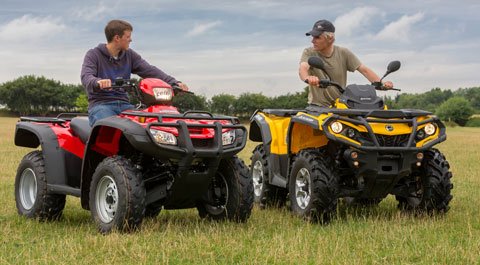
Comfort matters, especially on long rides. The Can-Am Outlander offers a wide seat, generous footwells, and vibration-damping handlebars. This makes it comfortable for both smaller and larger riders. On premium trims, you’ll find handguards and heated grips for cold weather riding.
The Honda Rubicon is a bit narrower, which helps when threading through tight woods. Its seat is firm but supportive.
One thing many riders notice is the Rubicon’s lower center of gravity it feels stable and confidence-inspiring, especially on off-camber trails.
A key insight: Many beginners overlook how handlebar vibration and seat shape affect fatigue. Try to sit on both models before buying, as comfort is subjective.
Utility And Work Capability
For farm or work use, both machines have strengths. The Can-Am Outlander is built for power.
Its towing capacity is up to 1,650 lbs (on larger models), and the racks can carry up to 300 lbs combined. Quick-attach accessories make switching from hauling hay to trail riding fast and easy.
The Honda Rubicon tows up to 1,322 lbs and has steel racks front and back. Honda’s racks are more basic, but they’re strong and simple.
The Rubicon’s low-range gearing is a real advantage for slow-speed work, like plowing snow or pulling heavy trailers.
| Model | Towing Capacity | Rack Capacity (Front/Rear) |
|---|---|---|
| Can-Am Outlander | 1,650 lbs | 120 lbs / 180 lbs |
| Honda Rubicon | 1,322 lbs | 99 lbs / 187 lbs |
For the hardest jobs, the Outlander’s power and rack design give it an edge. But the Rubicon’s simple, rugged racks and smart gearing suit steady work.
Reliability And Maintenance
Honda is legendary for reliability. The Rubicon’s engine is almost impossible to kill if you keep up with oil changes and air filter cleaning.
The DCT transmission doesn’t use belts, so there’s less risk of breakdowns in wet or muddy conditions.
Many Rubicons run for years with little trouble.
Can-Am’s Outlander is also reliable, but it has more electronics and features that need attention. The CVT belt can wear out if you ride hard or pull heavy loads often.
Regular checks and using genuine parts are key to long life.
One thing new buyers often miss: maintenance costs can be higher for the Outlander due to its complexity. If you want simple, low-cost upkeep, Honda is the safer bet.
Price And Value
The Can-Am Outlander has a wide price range. The base Outlander 450 starts around $7,000, while a loaded Outlander 1000 can reach $13,000 or more.
You get more features as you go up like power steering, premium shocks, and winches.
The Honda Rubicon sits in the mid-range, usually between $9,000 and $10,500 depending on features (like power steering or DCT). It’s not the cheapest ATV, but its resale value is excellent.
Used Rubicons often cost more than similar used Outlanders due to Honda’s reputation.
Which Should You Choose?
Pick the Can-Am Outlander if:
- You want maximum power and speed
- You need to tow heavy loads often
- You like lots of features and customization
Pick the Honda Rubicon if:
- You value long-term reliability
- You prefer simple, low-cost maintenance
- You want a machine for technical trails or steady work
Notable Features And Technology
The Outlander’s top trims offer extras like a digital gauge cluster, LED lights, and dynamic power steering that adapts to your speed. Can-Am’s LinQ accessory system makes it easy to add cargo boxes, gun racks, or coolers.
The Rubicon’s DCT is a highlight. You can switch between automatic and manual shifting instantly.
The Rubicon also offers TraxLok 2WD/4WD with a locking rear differential a rare feature at this price. Its simple controls and rugged frame appeal to riders who want fewer electronics.
| Feature | Can-Am Outlander | Honda Rubicon |
|---|---|---|
| Transmission Type | CVT Automatic | DCT Auto/Manual |
| Power Steering | Available | Available |
| Locking Differential | Front (on some models) | Rear (standard) |
Final Thoughts
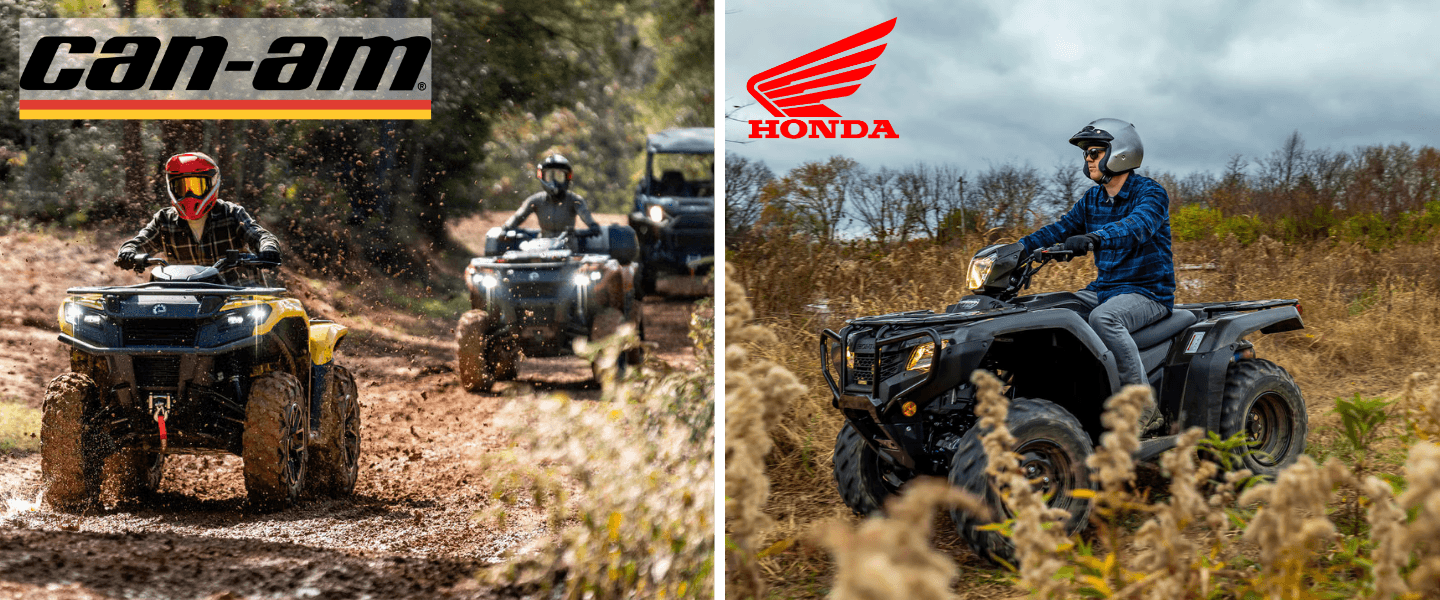
Choosing between the Can-Am Outlander and Honda Rubicon comes down to your main use. If you want speed, comfort, and high-tech features, the Outlander is hard to beat. If you want a tough, reliable ATV that keeps running for years, the Rubicon is a classic choice. For deeper specs and owner reviews, see the All-terrain vehicle Wikipedia page.
Frequently Asked Questions
How Do The Can-am Outlander And Honda Rubicon Compare For Beginners?
The Honda Rubicon is more beginner-friendly due to its simple controls and smooth power. The Outlander’s stronger engine can feel fast for new riders.
Which Atv Is Better For Mud Riding?
The Can-Am Outlander excels in mud thanks to its higher power and aggressive tires. Some Outlander models even have snorkels for deep water.
Which Model Is Cheaper To Maintain?
The Honda Rubicon is usually cheaper to maintain. Its engine and transmission are simpler, and parts are widely available.
Can Both Atvs Carry A Passenger?
Yes, but only certain Outlander models (like the Outlander MAX) are designed for two people. The Rubicon is mainly a single-rider ATV.
What’s The Main Reason People Pick The Rubicon Over The Outlander?
Most choose the Rubicon for its legendary reliability and easy maintenance. It’s a long-term investment for work and trail use.