If you’ve recently upgraded your 2019 Jeep JL with new wheels, you might be wondering about the Tire Pressure Monitoring System (TPMS). Does your Jeep automatically recognize the new sensors?
Do you need to replace or reprogram your TPMS? These questions are common among Jeep owners who want to keep their vehicle safe and running smoothly.
Understanding how your TPMS works with new wheels is crucial not just for your peace of mind but for your safety on the road.

You’ll discover everything you need to know about TPMS sensors for your 2019 Jeep JL, including whether you need new sensors, how to install them, and simple tricks to get your Jeep to recognize them without hassle.
Keep reading to ensure your ride stays safe and worry-free.
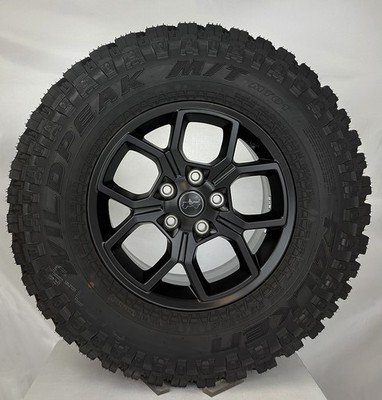
Jeep Jl Tpms Basics
The 2019 Jeep JL comes with a Tire Pressure Monitoring System (TPMS) designed to keep drivers safe. This system helps track the air pressure in each tire.
Understanding the basics of Jeep JL TPMS can improve your driving experience and safety.
Knowing how TPMS works and its parts will help you maintain your Jeep better. This section covers what TPMS does, its components, and why it matters for your vehicle.
What Tpms Does
TPMS monitors tire pressure in real-time. It alerts the driver if any tire pressure drops below the safe level.
This helps prevent accidents caused by underinflated tires. The system improves fuel efficiency and tire life.
It also ensures the Jeep performs well on and off-road.
Tpms Components In Jeep Jl
The Jeep JL TPMS includes sensors inside each tire. These sensors measure the air pressure constantly.
A central control module receives data from the sensors. The module sends alerts to the dashboard display.
Valve stems with sensors are part of the system. These parts work together to keep you informed about tire health.
Why Tpms Matters
Proper tire pressure keeps the Jeep safe and stable. Low tire pressure can cause poor handling and increase crash risk.
TPMS helps you avoid tire damage and blowouts. It saves money by improving fuel economy.
The system also complies with safety laws in the United States. TPMS is a key feature for all Jeep JL owners.
Tpms And New Wheels
The Tire Pressure Monitoring System (TPMS) is essential for your 2019 Jeep JL, especially when installing new wheels. It keeps track of the tire pressure and alerts you if it drops too low.
Changing wheels may affect the TPMS sensors. Understanding how these sensors work with new wheels is important to keep your Jeep safe and efficient.
Let’s explore key points about TPMS and new wheels for your Jeep JL.
Do You Need New Tpms Sensors?
Not every new wheel requires new TPMS sensors. Many times, you can reuse the sensors from your old wheels.
Sensors have a lifespan, usually around 5 to 10 years. If your sensors are old or damaged, replacement is necessary.
New sensors ensure accurate pressure readings and avoid warning light issues.
Swapping Sensors Vs Buying New
Swapping sensors from old wheels to new ones can save money. It involves carefully removing and reinstalling sensors on new rims.
This method works if sensors are in good condition. Buying new sensors guarantees compatibility and fresh batteries.
It may cost more but reduces potential problems later.
Compatibility Considerations
TPMS sensors must match your Jeep JL’s system. Different models use different sensor types and frequencies.
Check if the new wheels allow sensor installation. Some wheels may not have enough space or proper valve stems.
Always verify sensor compatibility with your vehicle and wheels before purchasing.
Choosing Tpms Sensors
Choosing the right TPMS sensors for your 2019 Jeep JL new wheels matters a lot. These sensors keep track of tire pressure.
They help you avoid flat tires and improve safety on the road. Not all TPMS sensors are the same.
Picking the right type can save money and give better performance. Here is a guide to help you decide.
Oem Vs Aftermarket Sensors
OEM sensors come from Jeep or the original maker. They fit perfectly and work well with your vehicle.
Aftermarket sensors come from other companies. They cost less and offer more options.
Some aftermarket sensors may need extra programming. OEM sensors usually give more reliable readings.
Aftermarket sensors can be a good choice for budget buyers.
Popular Tpms Brands And Models
Many brands make TPMS sensors for the Jeep JL. Schrader is a top brand with models that fit many vehicles.
Dorman offers affordable sensors that work well. VDO and Huf also provide quality sensors.
Look for sensors that match your Jeep’s year and wheel size. Check customer reviews for real user feedback. Choose sensors known for accuracy and durability.
Price Ranges And Value
TPMS sensor prices vary from $20 to $100 each. OEM sensors tend to be at the higher end of this range.
Aftermarket sensors can be found for under $30. Consider how long sensors last and how well they work.
Cheaper sensors may need replacing sooner. Investing in mid-range sensors often brings better value.
Balance cost with quality for the best results.
Installation Process
The installation process for new TPMS (Tire Pressure Monitoring System) sensors on 2019 Jeep JL wheels involves careful steps. Proper installation ensures accurate tire pressure readings and maintains vehicle safety.
This guide breaks down the key stages for a smooth sensor setup.
Removing Old Sensors
Start by deflating the tire completely. Remove the tire from the wheel carefully.
Locate the old TPMS sensor inside the rim. Unscrew the valve stem nut holding the sensor in place.
Gently pull out the sensor without damaging it. Keep the sensor if you plan to reuse it.
Inspect the sensor for any damage or corrosion. Clean the valve hole before installing new sensors.
Installing Sensors On New Wheels
Insert the new TPMS sensor into the valve hole of the new wheel. Align the sensor so it fits snugly against the rim.
Secure the sensor by tightening the valve stem nut. Avoid over-tightening to prevent damage.
Make sure the sensor is seated properly. Reinstall the tire onto the wheel carefully.
Inflate the tire to the recommended pressure. Check the sensor’s signal with a TPMS tool or vehicle display.
Valve Stem Considerations
Use valve stems compatible with Jeep JL wheels and TPMS sensors. Metal valve stems offer durability and better sealing.
Rubber valve stems are flexible but may wear faster. Replace valve stems if they show cracks or leaks.
Apply a small amount of lubricant to ease sensor installation. Ensure the valve stem length suits the wheel thickness.
Tighten valve stem nuts to the manufacturer’s torque specs. Check for air leaks after installation.
Programming Tpms Sensors
Programming TPMS sensors on the 2019 Jeep JL is essential after installing new wheels. This process ensures the vehicle correctly reads tire pressure data.
Proper programming helps maintain safety and prevents warning light errors. The Jeep JL offers multiple methods to program these sensors.
Each method suits different tools and user skills. Understanding these methods makes sensor setup easier and faster.
Using Jeep’s Built-in Relearn Method
The Jeep JL has a built-in TPMS relearn feature. It uses the vehicle’s computer to recognize new sensors.
Start by turning the ignition to the ON position without starting the engine. Press the TPMS reset button until the tire pressure light blinks three times.
Next, drive the Jeep at 15 mph or higher for about 10 minutes. This lets the system detect and register all new sensor IDs.
This method works well for most sensor types and avoids extra tools.
Tpms Relearn Tools And Devices
Special TPMS relearn tools can speed up programming. These devices communicate directly with each sensor.
Hold the tool near a tire’s valve stem and activate it. The tool sends a signal to register that sensor’s ID with the Jeep.
Repeat this for all four tires. Some tools connect to a smartphone app for easy use.
Relearn tools are helpful when the built-in method fails or for quick setup in garages.
Troubleshooting Programming Issues
Sometimes, TPMS sensors do not program correctly. Check the sensor battery if the system won’t detect it.
Make sure sensors are compatible with the 2019 Jeep JL. Also, verify the tire pressure reset button works properly.
Clear any error codes using an OBD-II scanner if needed. Repeating the relearn process or using a different tool can help.
Persistent problems may require professional assistance or sensor replacement.
Maintaining Your Tpms
Maintaining your 2019 Jeep JL’s Tire Pressure Monitoring System (TPMS) ensures safety and optimal tire performance. The system alerts you to low tire pressure, helping prevent accidents and tire damage.
Proper care of your TPMS sensors keeps them reliable and extends their lifespan.
Battery Life And Sensor Replacement
TPMS sensors have built-in batteries that last about 5 to 10 years. When the battery dies, the sensor stops working.
Replacing the sensor is necessary since the battery cannot be changed. Regularly check sensor age to avoid unexpected failures.
Regular Tpms Checks
Inspect your TPMS sensors during tire rotations or wheel changes. Use a TPMS tool or visit a professional to verify sensor signals.
Keep sensors clean and free from dirt or corrosion. This helps maintain accurate pressure readings.
Common Problems And Fixes
Sensor issues often include false warnings or no alerts. Causes include dead batteries, damaged sensors, or poor sensor mounting.
Resetting the TPMS system or reprogramming sensors can fix some problems. Replace faulty sensors to restore system function.
Upgrading Tpms Features
Upgrading the TPMS (Tire Pressure Monitoring System) on your 2019 Jeep JL can enhance your driving experience. New wheels often require updated TPMS sensors for accurate readings.
Modern TPMS upgrades offer more than just basic pressure alerts. They provide advanced features that improve safety and convenience.
Explore how these upgrades can benefit your Jeep JL.
Advanced Monitoring Options
Upgraded TPMS sensors offer real-time pressure and temperature data. They alert you instantly about slow leaks or rapid pressure drops.
Some systems also monitor tire balance and tread wear. These features help prevent tire damage and improve fuel efficiency.
Advanced TPMS can detect problems before they become serious.
Integration With Mobile Apps
Many modern TPMS systems connect directly to mobile apps. These apps display detailed tire information on your smartphone.
You can track pressure trends and receive alerts on the go. App integration makes it easier to maintain your tires regularly.
It also provides helpful tips for tire care and maintenance.
Benefits Of Upgraded Systems
Upgraded TPMS systems increase your safety on the road. They reduce the risk of tire blowouts by providing early warnings.
Better monitoring helps extend tire life and saves money on replacements. These systems also improve your Jeep’s overall performance.
Upgrading TPMS is a smart step for any Jeep JL owner.
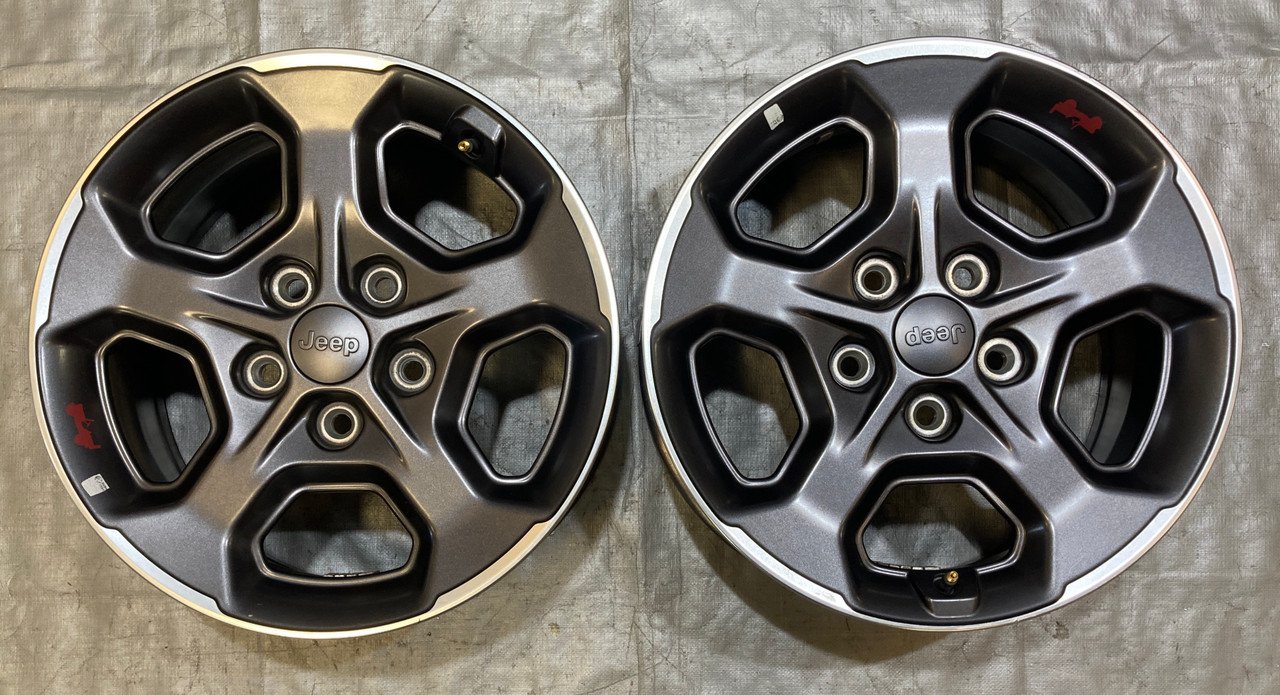
Where To Buy Tpms For Jeep Jl
Finding the right Tire Pressure Monitoring System (TPMS) for your 2019 Jeep JL is important. TPMS helps keep your tires at the correct pressure.
This keeps you safe and improves fuel efficiency. You can buy TPMS sensors from many places.
Some offer new sensors, while others sell OEM or aftermarket options. Choose where to buy carefully to get the best price and quality.
Consider your needs and budget. Some sellers provide installation help or programming tools.
Others offer fast shipping or local support. Knowing where to buy TPMS sensors helps you avoid delays and extra costs.
Top Online Retailers
Online stores have a wide range of TPMS sensors for Jeep JL. Websites like Amazon, eBay, and Quadratec carry many options.
Prices vary but often online shops offer discounts. You can read customer reviews to check product quality.
Some sites provide free shipping and easy returns. Online buying saves time and lets you compare brands quickly.
Local Shops And Dealers
Local auto parts stores and Jeep dealers sell TPMS sensors too. Visiting them helps you get advice from experts.
Dealers sell original Jeep parts that fit perfectly. Local shops may offer installation and programming services.
You can see the product before buying. Local support is useful if you have questions or problems later.
Price Comparison Tips
Prices for TPMS sensors can differ widely. Check several sellers before buying.
Compare total costs including shipping and taxes. Watch out for very low prices; they may mean poor quality.
Look for deals and discounts but focus on sensor reliability. Buying a sensor that works well saves money on repairs.
Use price comparison tools online to find the best offer.
Frequently Asked Questions
Do You Have To Replace Tpms Sensors With New Wheels?
You don’t always need to replace TPMS sensors with new wheels. Transfer existing sensors if compatible. Replace only if damaged or incompatible.
How To Program New Tpms Sensors On Jeep Wrangler?
Program new TPMS sensors on Jeep Wrangler by installing sensors, then driving 5-10 miles for automatic relearn. Use a TPMS tool if needed.
How To Install Tpms Sensor On New Wheels?
Remove the tire and old sensor from the wheel. Install the new TPMS sensor on the valve stem.
Mount the tire back on the wheel. Inflate to the correct pressure.
Use a TPMS tool to program or reset sensors for vehicle recognition.
How Do You Reset The Tire Pressure Sensor On A 2019 Jeep Wrangler?
To reset the tire pressure sensor on a 2019 Jeep Wrangler, drive the vehicle above 50 mph for 10 minutes. This triggers automatic sensor recalibration.
If the light remains, use a TPMS reset tool or consult a dealer for manual reset.
Conclusion
Upgrading your 2019 Jeep JL wheels with TPMS sensors keeps your ride safe. Proper sensor installation helps monitor tire pressure accurately.
Driving a few miles lets the Jeep recognize new sensors. Swapping old sensors or buying new ones works well.
Always choose quality sensors for reliable tire pressure alerts. This simple step protects your vehicle and boosts driving confidence.
Stay alert and enjoy your Jeep adventures with peace of mind.