If you’re driving your 2005 Jeep Grand Cherokee and notice the check engine light flashing, it’s a warning you shouldn’t ignore.
That blinking light is your vehicle’s way of telling you something serious might be wrong—often pointing to engine misfires that can cause costly damage if left untreated.
You might be wondering what exactly causes this and how you can fix it before it gets worse.
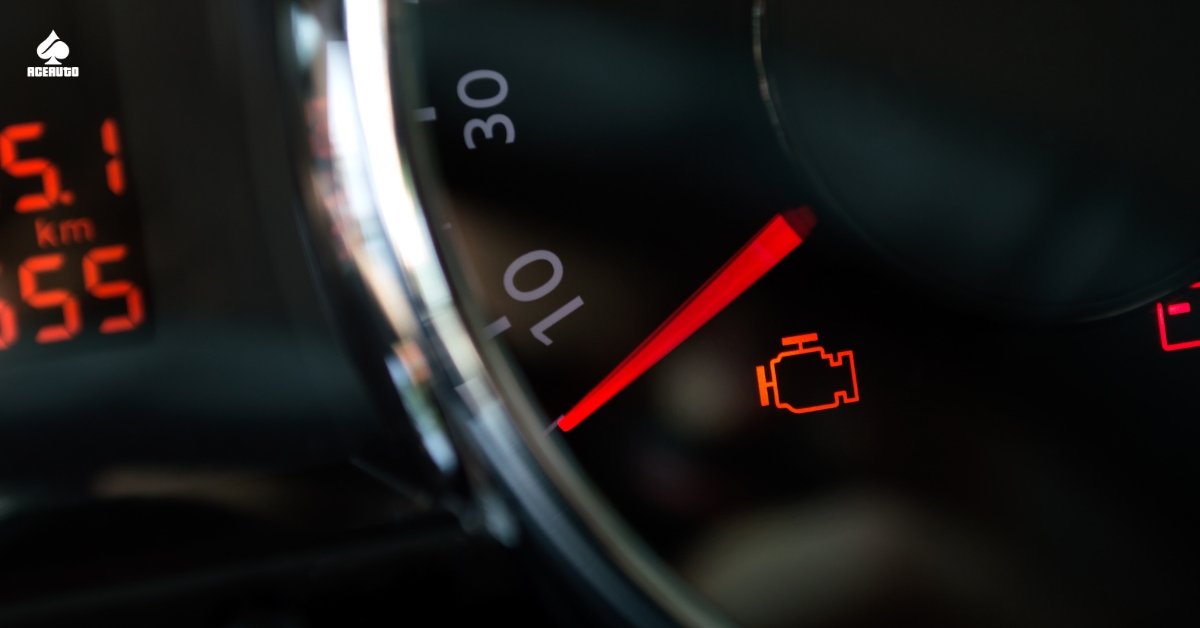
You’ll discover the common reasons behind a flashing check engine light on your Jeep Grand Cherokee and practical steps you can take to protect your engine and keep your ride running smoothly.
Keep reading to find out what that warning light really means and how to handle it right away.

Causes Of Flashing Check Engine Light
The flashing check engine light on a 2005 Jeep Grand Cherokee signals a serious engine problem. It alerts you to stop driving and check the engine immediately. Understanding common causes helps to address the problem quickly.
A flashing light often points to engine misfires or other critical issues. Ignoring it can cause severe damage or costly repairs.
Here are some typical reasons behind the flashing check engine light.
Engine Misfire
An engine misfire happens when one or more cylinders fail to ignite properly. This causes rough running and shaking.
Misfires increase emissions and can harm the catalytic converter.
Faulty Ignition Coils
Ignition coils send electricity to spark plugs. Faulty coils cause weak or no spark, leading to misfires. Replacing bad coils restores smooth engine performance.
Bad Fuel Quality
Low-quality fuel contains impurities that affect combustion. It can clog fuel injectors and cause misfires. Using fresh, high-quality fuel prevents engine problems.
Clogged Catalytic Converter
The catalytic converter reduces harmful emissions. When clogged, exhaust flow blocks, causing poor engine power and overheating.
It may trigger a flashing check engine light.
Defective Oxygen Sensor
Oxygen sensors monitor air-fuel mix. A bad sensor sends wrong data to the engine computer.
This leads to poor fuel economy and engine issues.
Worn Spark Plug Wires
Spark plug wires carry electricity to spark plugs. Worn wires cause weak sparks or misfires.
Checking and replacing old wires helps maintain engine health.
Mass Air Flow Sensor Issues
The mass air flow sensor measures air entering the engine. Faulty sensors cause wrong fuel delivery and poor engine running.
Cleaning or replacing this sensor fixes the problem.
Weak Or Failing Battery
A weak battery may cause electrical glitches and sensor errors. It can trigger the flashing check engine light.
Testing and replacing the battery ensures reliable engine operation.
Signs Of Engine Misfire
The 2005 Jeep Grand Cherokee’s flashing check engine light often signals an engine misfire. Recognizing misfire signs early helps avoid costly repairs. Misfires affect engine performance and safety.
Misfires happen when one or more cylinders fail to ignite properly. This causes rough engine operation and other noticeable symptoms.
Watch for these common signs to detect a misfire quickly.
Shuddering And Rough Idle
The engine may shudder or vibrate unusually. Idling feels rough or uneven.
The Jeep might shake more than usual when stopped. These symptoms show the engine is not running smoothly.
Loss Of Power
Acceleration becomes weak or sluggish. The Jeep struggles to reach normal speeds.
Power loss is clear during hills or heavy loads. This happens because the engine fires inconsistently.
Increased Fuel Consumption
The Jeep uses more fuel than before. You notice filling the tank more often.
Misfires cause incomplete combustion, wasting fuel. This reduces overall fuel efficiency significantly.
Exhaust Smell
A strong, unusual exhaust smell may appear. It often smells like raw gas or fuel.
This happens when fuel doesn’t burn fully inside the engine. The smell signals a potential misfire problem.
Diagnostic Steps
Diagnosing a flashing check engine light on your 2005 Jeep Grand Cherokee requires a clear, step-by-step approach. This alert means the engine is misfiring or running poorly. Ignoring it can cause severe engine damage. Follow these diagnostic steps carefully to identify the root cause and fix the problem effectively.
Using An Obd-ii Scanner
Start by connecting an OBD-II scanner to the Jeep’s diagnostic port. The scanner reads stored trouble codes from the engine control unit. These codes give clues about which part is malfunctioning. Write down the codes and look up their meanings in a reliable database. This step helps pinpoint the exact issue quickly.
Checking Ignition Components
Inspect ignition parts like spark plugs, ignition coils, and wires. Damaged or worn spark plugs cause misfires and trigger the flashing light.
Check for cracks, corrosion, or carbon build-up on the plugs. Test ignition coils for proper function using a multimeter.
Replace any faulty parts to restore smooth engine operation.
Testing Fuel System
Examine the fuel injectors and fuel pump for proper fuel delivery. Clogged or leaking injectors can cause the engine to misfire.
Use a fuel pressure gauge to check the pump’s pressure output. Low fuel pressure means the engine isn’t getting enough fuel, leading to rough running and flashing warnings.
Battery And Electrical System Check
Test the battery voltage and charging system health. A weak battery or faulty alternator can cause electrical issues that affect engine performance.
Use a voltmeter to measure battery voltage with the engine off and running. Check all battery terminals for tightness and corrosion.
Fix any electrical faults to avoid further engine trouble.

Fixes For Flashing Check Engine Light
The flashing check engine light on a 2005 Jeep Grand Cherokee signals a serious engine problem. Ignoring it risks engine damage and costly repairs.
Several common fixes address the root causes behind the flashing light. Timely repairs help restore smooth engine performance and prevent breakdowns.
Replacing Ignition Coils
Faulty ignition coils often cause engine misfires that trigger the flashing light. Replacing bad coils restores proper spark to the engine cylinders.
This fix improves engine power and reduces rough idling. It also stops the check engine light from flashing.
Changing Spark Plugs And Wires
Worn spark plugs and wires fail to ignite fuel correctly. Replacing them ensures strong, consistent sparks.
This repair smooths engine running and lowers emissions. It can clear the flashing check engine warning as well.
Fuel System Cleaning
Dirty fuel injectors and filters restrict fuel flow and cause misfires. A fuel system cleaning removes deposits and improves fuel delivery.
This fix boosts engine efficiency and stops the engine light from flashing.
Oxygen Sensor Replacement
Failing oxygen sensors send wrong data to the engine computer. Replacing bad sensors helps the engine run at the correct fuel-air ratio.
This repair reduces emissions and can stop the flashing check engine light.
Catalytic Converter Repair Or Replacement
A clogged catalytic converter causes poor engine performance and triggers the light. Repairing or replacing it restores exhaust flow and cleans harmful gases.
This fix often resolves the flashing check engine issue.
Battery Maintenance And Replacement
A weak or failing battery can cause erratic engine signals and warning lights. Testing and replacing the battery ensures reliable electrical power.
Good battery health helps keep the check engine light steady and prevents flashing.
Preventive Maintenance Tips
Keeping your 2005 Jeep Grand Cherokee in top shape helps prevent a flashing check engine light. Regular care avoids many common engine problems.
A few simple steps can save time and money.
Regular Tune-ups
Schedule tune-ups based on your Jeep’s manual. Mechanics check spark plugs, ignition, and fuel system.
Fixing small issues stops bigger problems. Tune-ups improve engine performance and fuel efficiency.
Using Quality Fuel
Fill your tank with high-quality fuel only. Poor fuel causes misfires and sensor errors.
Clean fuel keeps the engine running smoothly. Avoid cheap gas that may contain harmful additives.
Routine Battery Testing
Test your battery regularly using a reliable meter. Weak batteries can trigger the check engine light.
Replace batteries showing low charge or corrosion. Good battery health ensures stable engine electronics.
Scheduled Sensor Inspections
Inspect sensors like oxygen and mass airflow regularly. Faulty sensors send wrong data to the engine computer.
This can cause the check engine light to flash. Timely sensor checks help maintain engine balance.
Resetting The Check Engine Light
Resetting the check engine light on your 2005 Jeep Grand Cherokee is often necessary after fixing the issue causing the alert. Clearing the light helps confirm the repair and ensures your vehicle’s system runs smoothly.
There are several methods to reset the light, depending on your tools and preference.
Using An Obd-ii Scanner
An OBD-II scanner is the easiest way to reset the check engine light. Plug the scanner into the Jeep’s diagnostic port, usually located under the dashboard.
Turn on the ignition without starting the engine. Follow the scanner’s prompts to read and clear codes.
This method clears the light instantly and provides trouble codes for repair guidance.
Disconnecting The Battery
Disconnecting the battery resets the vehicle’s computer and clears the check engine light. First, turn off the ignition and remove the key.
Use a wrench to disconnect the negative battery cable. Wait about 15 minutes to allow the system to reset.
Reconnect the cable and start the Jeep. This method may erase radio presets and clock settings.
Drive Cycle Reset Methods
A drive cycle reset uses normal driving to clear the check engine light. After repairing the problem, drive the Jeep through various conditions.
Include city driving, highway speeds, and idling. The vehicle’s computer runs self-tests during this time.
Once all tests pass, the check engine light will turn off automatically. This method takes time but avoids disconnecting the battery or using a scanner.
When To See A Professional Mechanic
The 2005 Jeep Grand Cherokee’s flashing check engine light signals a serious issue. Knowing when to see a professional mechanic can protect your vehicle and safety.
Some problems need urgent attention to prevent costly damage. Pay close attention to the warning signs your Jeep shows.
Persistent Flashing Light
A flashing check engine light that does not stop is a clear sign of trouble. It means the engine is misfiring continuously.
Driving with this warning can cause severe damage to the engine and catalytic converter. Do not ignore a persistent flashing light.
Schedule a mechanic visit immediately to diagnose and fix the problem.
Engine Performance Issues
Noticeable drops in power or rough running accompany some flashing lights. The Jeep may hesitate, stall, or jerk during acceleration.
These symptoms mean the engine is not working properly. A professional mechanic can find the root cause and repair it.
Driving with engine troubles risks breakdowns and unsafe conditions.
Failed Diagnostic Tests
Mechanics use diagnostic tools to scan the Jeep’s computer for trouble codes. If the tests reveal serious faults, repairs must follow.
Codes related to ignition coils, fuel injectors, or sensors often explain the flashing light. A professional will clear codes only after fixing the real issue.
Don’t wait for warning signs to worsen before seeking expert help.
Frequently Asked Questions
What Does A Flashing Check Engine Light Mean On A Jeep Grand Cherokee?
A flashing check engine light on a Jeep Grand Cherokee signals a severe engine misfire. It requires immediate attention to prevent catalytic converter damage.
What Is The Most Common Cause Of Flashing A Check Engine Light?
The most common cause of a flashing check engine light is an engine misfire. Misfires often result from faulty spark plugs or ignition coils.
Address this promptly to avoid catalytic converter damage. Scan the vehicle for trouble codes to identify the exact issue quickly.
Why Is My Check Engine Light Blinking But My Car Runs Fine?
A blinking check engine light signals a serious engine misfire. Though the car runs fine, it risks damaging the catalytic converter.
Diagnose and fix ignition coils, spark plugs, or fuel injectors promptly to avoid costly repairs.
How To Reset Check Engine Light Without Disconnecting Battery Jeep?
Use an OBD-II scanner to read and clear the codes to reset the check engine light on your Jeep.
Conclusion
A flashing check engine light on your 2005 Jeep Grand Cherokee signals a serious issue. It often means the engine misfires, which can damage the catalytic converter.
Ignoring this warning can lead to costly repairs. Start by checking spark plugs, ignition coils, and fuel quality.
Use a diagnostic scanner to find the exact problem. Prompt action helps keep your Jeep safe and running smoothly.
Don’t delay fix the issue as soon as possible for better performance and reliability.