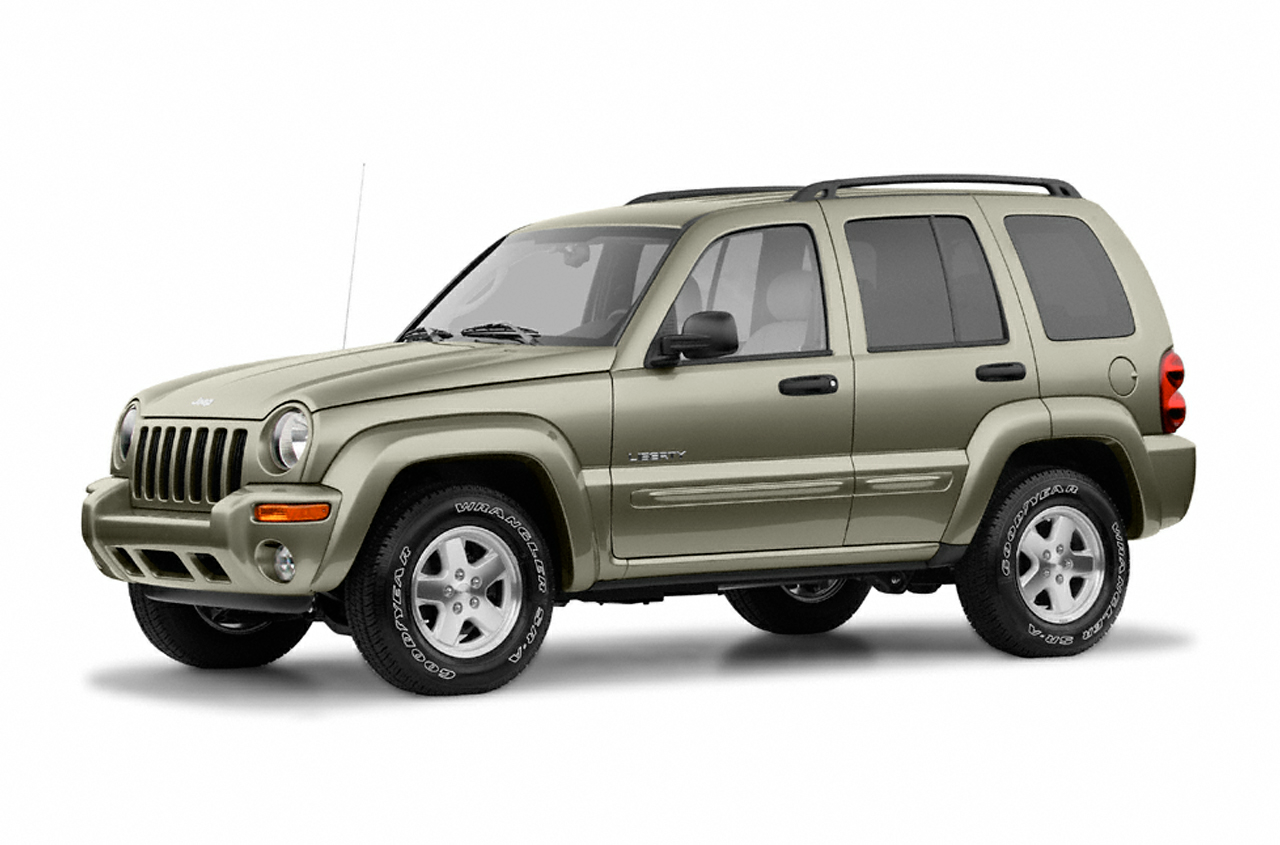
The 2004 Jeep Liberty 4 Wheel Drive (4WD) stands out as a compact SUV that attracted drivers who wanted rugged capability in a manageable size. When it hit the market, it promised off-road confidence without sacrificing comfort.
After two decades, many still consider it a practical and reliable choice for adventurous drivers and families.
But what was it really like to own, drive, and maintain? Here’s a close look at the 2004 Jeep Liberty 4WD from several angles, with real-world insights and comparisons to help you decide if it’s right for you.
Driving Performance And Handling
The 2004 Liberty 4WD came with two main engine options: a 2.4L 4-cylinder (150 hp) and a more common 3.7L V6 (210 hp). Most buyers chose the V6 for its extra power, especially if they planned to tow or drive off-road.
On the road, the Liberty feels solid but not sporty. The steering is responsive for a truck-based SUV, and its turning radius is tight, making it easy to park and maneuver in cities. However, the ride can feel stiff on rough pavement due to its rugged suspension. Wind and road noise are noticeable at highway speeds, but most drivers found them acceptable for a vehicle in this class.
Off-road, the Liberty shines. The Command-Trac part-time 4WD system gives good traction on dirt, mud, and snow. The Selec-Trac full-time 4WD system, available on some trims, allows you to drive on dry pavement with all four wheels engaged—useful for unpredictable weather.
Key Performance Numbers
| Specification | 2.4L I4 | 3.7L V6 |
|---|---|---|
| Horsepower | 150 hp | 210 hp |
| Towing Capacity | 2,000 lbs | 5,000 lbs (with towing package) |
| 0-60 mph | ~11 sec | ~9.5 sec |
Interior Comfort And Practicality
Inside, the Liberty’s cabin is simple but functional. Most surfaces are hard plastic, but the controls are well placed and easy to use. The seating position is high, giving you good visibility. Front seats are supportive, but the rear seats can feel tight for tall adults, especially on longer trips.
Cargo space is average for a compact SUV. With the rear seats up, you get about 29 cubic feet of room. Folding the seats flat increases space to 69 cubic feet—enough for a mountain bike or camping gear. Some models came with a split-folding rear seat, which adds flexibility.
Storage pockets and cup holders are basic but helpful. One non-obvious tip: the rear glass opens separately from the tailgate, which makes it easy to load small items without opening the entire back door.
Reliability And Common Issues
The Liberty’s engine and transmission are generally reliable with regular maintenance. Most owners report reaching 150,000 miles or more with few major issues. However, there are a few trouble spots to watch for:
- Window regulators often fail, causing windows to get stuck.
- Suspension bushings wear out, leading to clunks or loose steering.
- Rear differential whine is common after 80,000 miles.
Rust can be a problem in salty climates, especially on the undercarriage. Regular washing helps prevent it.
The 4WD system is robust but needs fluid changes every 30,000 miles to stay in top shape.
A practical insight: many beginners forget to use 4WD only on loose surfaces (unless you have Selec-Trac). Using part-time 4WD on dry pavement can damage the drivetrain.
Fuel Economy And Maintenance Costs
The 2004 Liberty is not the most fuel-efficient compact SUV. The V6 gets about 15 mpg city and 20 mpg highway. The 4-cylinder is only slightly better. This is the price you pay for true 4WD capability.
Annual maintenance costs are reasonable compared to other 4WD SUVs, but higher than front-wheel drive crossovers. Expect to spend more if you off-road often or ignore routine services like oil changes and differential fluid swaps.
Here’s a quick comparison to similar SUVs from the era:
| Model | City MPG | Highway MPG | Annual Maintenance (est.) |
|---|---|---|---|
| Jeep Liberty V6 4WD | 15 | 20 | $600-$900 |
| Honda CR-V AWD | 20 | 25 | $400-$700 |
| Toyota RAV4 AWD | 22 | 27 | $350-$650 |
Safety Ratings And Features
Safety was a mixed bag for the 2004 Liberty. It earned 4 stars in most government crash tests, but side impact scores were lower unless equipped with optional side airbags. Standard features included front airbags, ABS, and traction control on higher trims.
One less obvious detail: the spare tire mounted on the tailgate can block rear visibility, making parking tricky. Some owners install a backup camera as an upgrade.
Ownership Experience And Resale Value
Owners often praise the Liberty’s “go-anywhere” ability and easy handling. Many use it for camping, towing small trailers, or winter driving. Families like the child seat anchors and stable ride.
However, resale value is only average. The Liberty holds its value better than some domestic SUVs, but not as well as the Toyota RAV4 or Honda CR-V.
Condition and service records make a big difference if you plan to sell.
Is The 2004 Jeep Liberty 4wd Right For You?
This SUV is a smart choice if you need real 4WD, good towing power, and don’t mind lower gas mileage. It’s not as refined or quiet as newer crossovers, but it’s dependable and fun for outdoor adventures.
If you mostly drive in the city and want great fuel economy, other options may suit you better.
For more technical details and owner feedback, you can check the official Jeep Liberty page on Wikipedia.
Frequently Asked Questions
How Reliable Is The 2004 Jeep Liberty 4wd?
The 2004 Liberty 4WD is generally reliable if maintained well. Most common problems are minor (like window regulators). Major repairs are less common, especially with regular fluid changes and rust prevention.
What Is The Towing Capacity?
With the 3.7L V6 engine and towing package, it can tow up to 5,000 pounds. The 4-cylinder models are rated for much less—about 2,000 pounds.
Does The Liberty 4wd Handle Snow And Off-road Trails Well?
Yes, the 4WD systems are among the best in this class. Command-Trac and Selec-Trac both provide solid grip on snow, mud, and sand. Many owners use them for winter driving and outdoor trips.
What Are The Main Maintenance Issues?
The most common issues are window regulator failures, suspension bushing wear, and occasional rear differential noise. Regular servicing helps prevent expensive repairs.
Is It A Good Choice For Families?
The Liberty can fit two adults and two children comfortably. It’s safe, practical, and has child seat anchors. However, rear seat space is tighter than in some newer SUVs.
The 2004 Jeep Liberty 4 Wheel Drive is a solid, practical SUV for those who value toughness and versatility. While not perfect, it offers a satisfying mix of capability and comfort for the right driver.