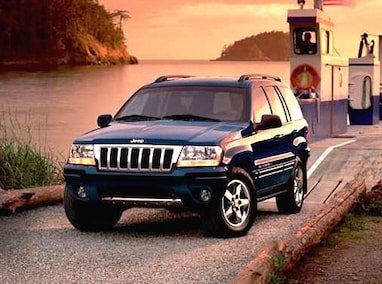
The 2004 Jeep Cherokee stands out as a classic option for drivers who want a rugged, capable SUV. Known for its off-road ability and tough design, this vehicle appeals to many who need more than just a simple commuter car.
But how reliable is the 2004 Jeep Cherokee over the long term? Let’s look at its strengths, common problems, real-world experiences, and how it compares to similar vehicles.
Core Reliability Factors
Jeep is famous for its solid engineering and 4×4 performance. The 2004 Cherokee (often called the Liberty in the US) features two main engines: the 3.7L V6 and the 2.4L inline-4. The V6 is more common and delivers strong power, while the four-cylinder is better for fuel savings. Both engines have proven to be quite sturdy, but the V6 is slightly more prone to higher maintenance costs.

The automatic transmission is generally durable, but some owners have reported problems around 100,000 miles. The manual gearbox is basic and tends to last longer with regular care.
Common Issues And Their Impact
Like many vehicles from this era, the 2004 Cherokee isn’t perfect. Here are some of the most reported issues:
- Window Regulator Failures: Many owners complain about power windows that stop working. The plastic parts inside the regulator can break, making repairs necessary.
- Ball Joint Wear: The front suspension ball joints may wear out early, causing steering problems or noises.
- Engine Sensors: Some drivers experience problems with the crankshaft position sensor or camshaft position sensor, leading to hard starting or stalling.
- Rust: In areas with heavy road salt, the frame and underbody can develop rust, especially near the rear.
- Cooling System Leaks: Radiators or water pumps may leak after 80,000 miles, so watch for coolant on your driveway.
Not all Cherokees have these problems, but they are common enough that buyers should check them before purchasing a used one.
Real-world Longevity
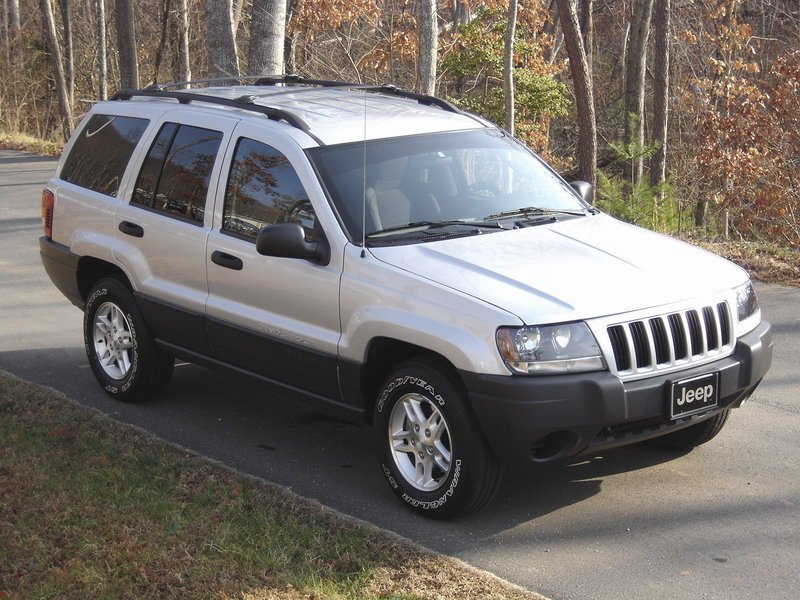
The 2004 Jeep Cherokee can easily last over 200,000 miles with proper care. Many owners report reaching high mileage without major issues as long as they keep up with oil changes, cooling system service, and regular inspections.
A key insight is that off-road use increases wear on suspension and drivetrain parts. If you plan to drive mostly on paved roads, your Cherokee will likely last longer and need fewer repairs.
Maintenance And Ownership Costs
Compared to other midsize SUVs from 2004, the Cherokee is average in repair costs. According to RepairPal, the annual maintenance cost is about $450–$600. Replacement parts are widely available, and most repairs can be handled by independent mechanics.
Here’s how the 2004 Cherokee compares to two competitors:
| Model | Average Annual Repair Cost | Expected Mileage |
|---|---|---|
| 2004 Jeep Cherokee | $525 | 200,000+ |
| 2004 Toyota 4Runner | $450 | 250,000+ |
| 2004 Ford Explorer | $600 | 180,000+ |
One thing beginners often miss: timing chains on the Cherokee’s V6 engine rarely need replacement, which saves money compared to vehicles with timing belts.
Owner Satisfaction And Safety
Most owners praise the Cherokee’s off-road performance and simple controls. The interior is basic but easy to use. Some drivers wish for better fuel economy, as the V6 averages about 16–20 mpg.
In safety tests, the Cherokee earned average ratings. It has basic airbags and stability control but lacks advanced features like side curtain airbags.
Here’s a quick look at key features:
| Feature | 2004 Jeep Cherokee | Comments |
|---|---|---|
| Traction Control | Yes | Helps in slippery conditions |
| ABS | Yes | Standard on most trims |
| Side Airbags | No | Missing on all trims |
What To Check Before Buying
If you’re considering a used 2004 Cherokee, check these areas:
- Inspect for rust under the doors and rear frame
- Test all power windows
- Listen for suspension noises on bumps
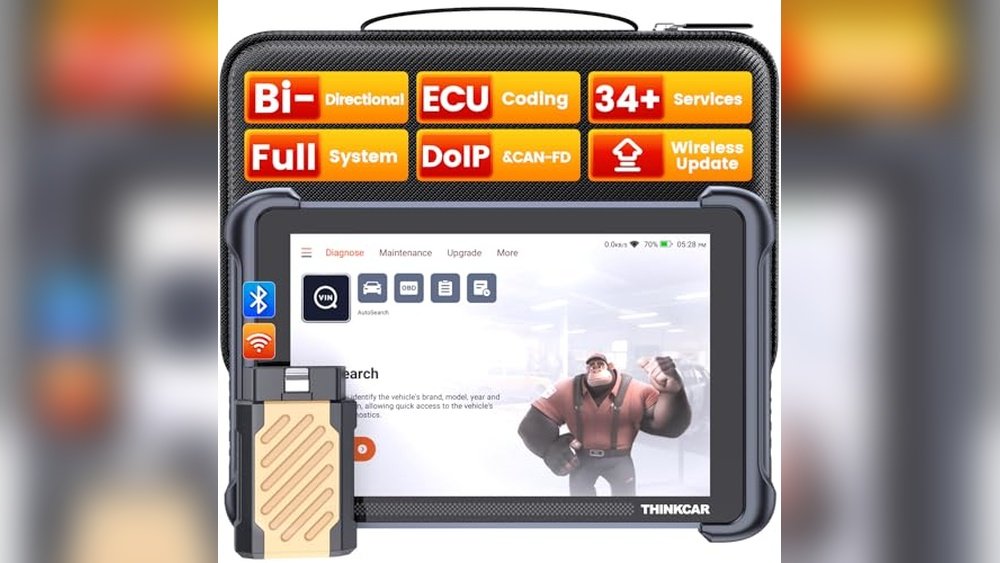
- Scan for error codes (especially for engine sensors)
- Review service records for regular oil changes and coolant flushes
An overlooked tip: Check the condition of the rear differential, as leaks here are common after off-road use.
How The 2004 Cherokee Compares
While the 2004 Cherokee is not as refined as some rivals, it’s more capable off-road than most. The Toyota 4Runner offers better reliability but costs more to buy used.
The Ford Explorer has a roomier interior but is less rugged.
For buyers who want a simple, tough SUV with real 4×4 ability, the Cherokee is hard to beat just be ready for some minor repairs along the way.
For more technical details, see the official Wikipedia page.
Frequently Asked Questions
How Many Miles Will A 2004 Jeep Cherokee Last?
With regular maintenance, most 2004 Cherokees can reach 200,000 miles or more. Off-road driving or skipped oil changes will lower this number.
What Is The Most Common Problem With The 2004 Cherokee?
The most reported issue is power window regulator failure. Suspension wear and engine sensor problems are also common.
Is The 2004 Jeep Cherokee Good For Off-roading?
Yes, it has strong 4×4 systems and good ground clearance. However, frequent off-road use can speed up wear on suspension and drivetrain parts.
How Does It Compare To The Toyota 4runner?
The 4Runner is more reliable and holds value better, but the Cherokee is usually less expensive to buy and has easier repairs.
Are Parts For The 2004 Cherokee Easy To Find?
Yes, most replacement parts are widely available and affordable. Many repairs can be done by regular mechanics, not just specialists.
The 2004 Jeep Cherokee remains a solid choice for drivers who value durability and off-road ability. With careful maintenance and a close inspection before buying, it can deliver years of reliable service.