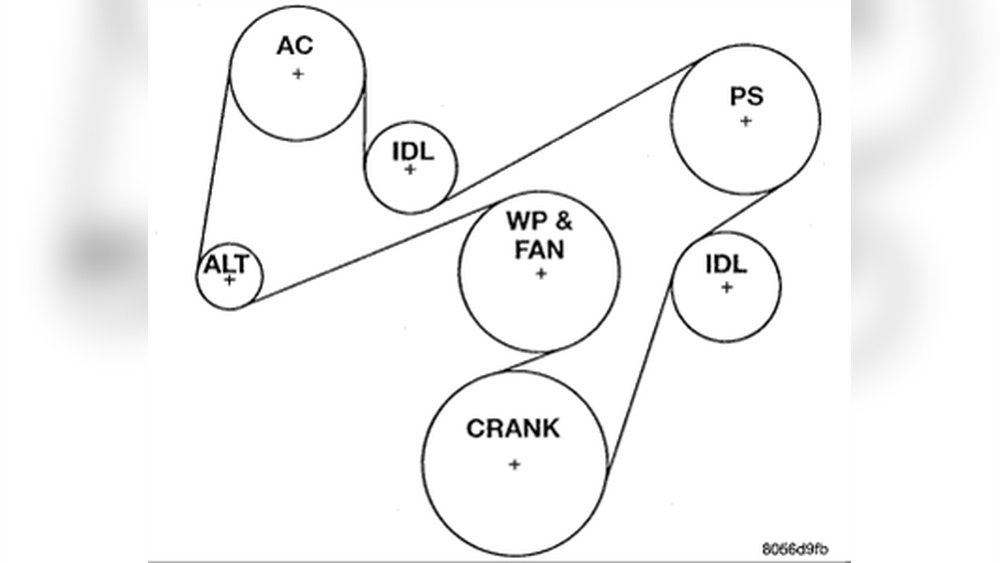
If you own a 1994 Jeep Wrangler or are thinking about getting one, understanding its engine is key to keeping it running strong. The 25 L 4-cylinder engine in this model is known for its reliability and toughness.
But what makes this engine special? And how can you get the best performance out of it?
You’ll discover everything you need to know about the 1994 Jeep Wrangler’s 25 L 4-cylinder engine how it works, common issues, and tips to maintain it.
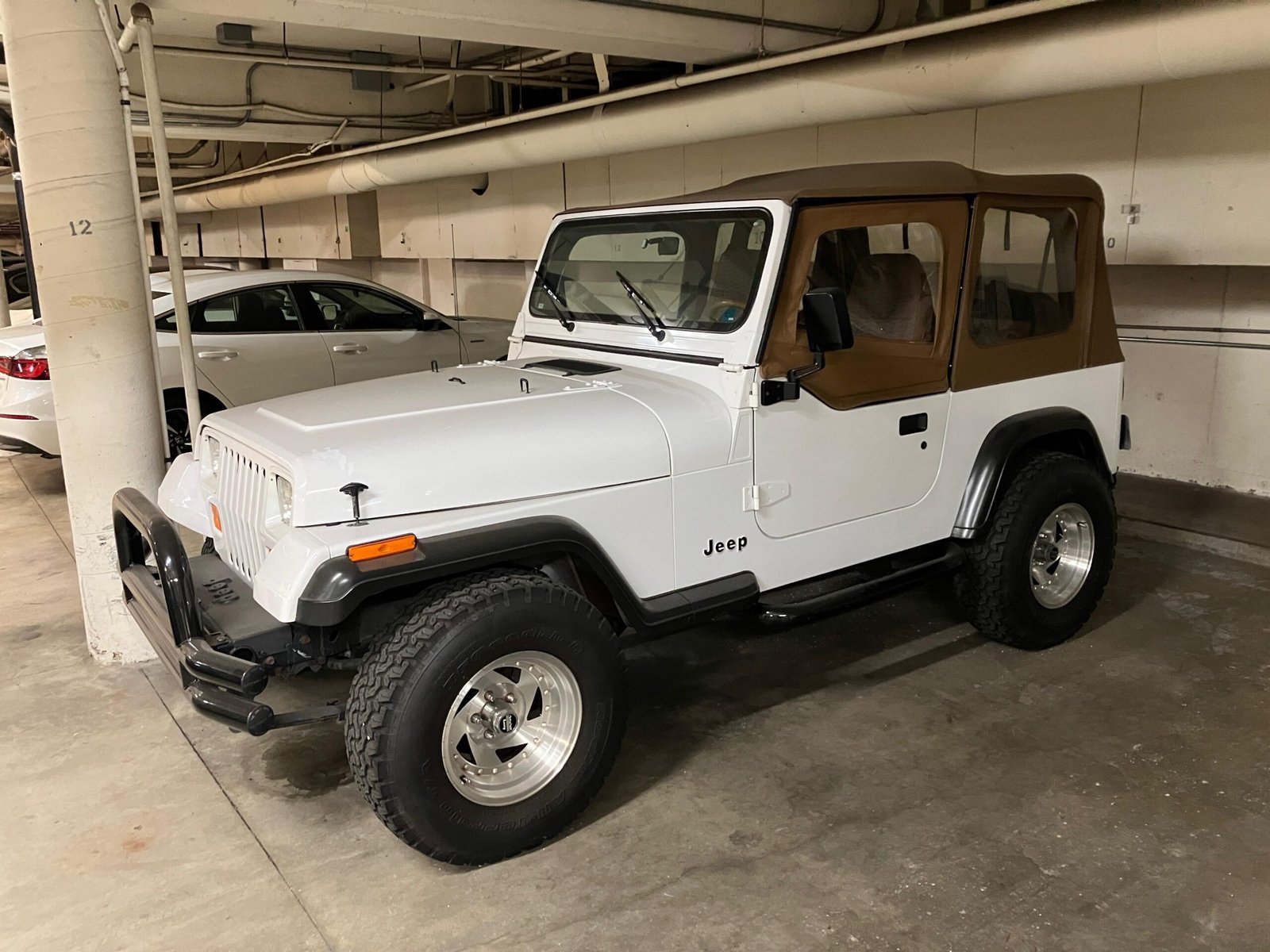
Keep reading to find the full potential of your Jeep and enjoy every drive with confidence.
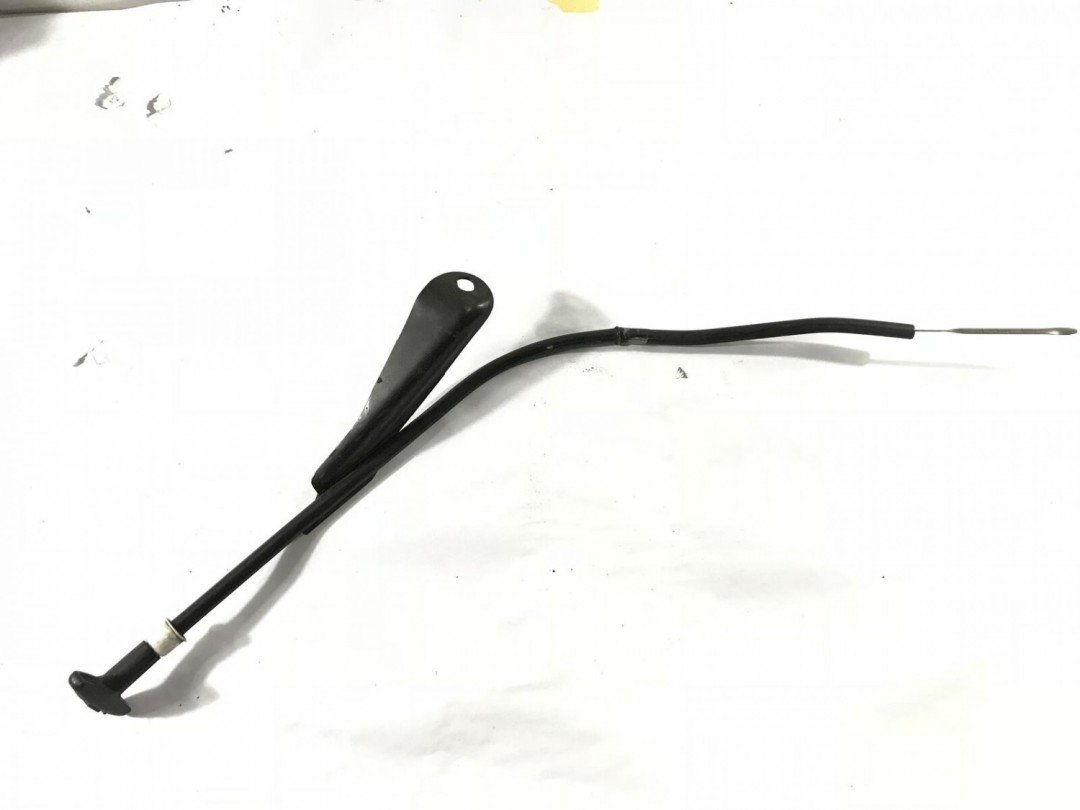
Credit: partsbreakers.com
1994 Jeep Wrangler Engine Specs
The 1994 Jeep Wrangler features a reliable 2.5-liter 4-cylinder engine. This engine balances power and efficiency for everyday driving. It suits both city streets and off-road trails. Understanding its specs helps appreciate what this classic Jeep offers.
Engine Displacement And Configuration
The engine has a displacement of 2.5 liters. It uses a four-cylinder inline layout. This setup keeps the engine compact and lightweight. The design supports good fuel use and easy maintenance. It also helps the Wrangler stay nimble on rough paths.
Horsepower And Torque Ratings
The 2.5L engine produces about 117 horsepower. It delivers 135 lb-ft of torque. This power helps the Jeep climb hills and tow small loads. The torque is available at low speeds, aiding off-road control. This balance of power and torque suits many drivers.
Fuel System And Efficiency
The engine uses a multi-point fuel injection system. This system improves fuel delivery and combustion. It helps the Wrangler run smoother and cleaner. Fuel efficiency is decent for an SUV of its time. Drivers can expect a practical balance between power and fuel use.
Performance Features
The 1994 Jeep Wrangler with its 2.5L 4-cylinder engine offers solid performance features. This engine balances power and efficiency well. It is designed to handle both city roads and off-road trails with ease. Understanding its key performance parts helps appreciate its capability.
Air Intake And Exhaust Setup
The air intake system brings fresh air into the engine. It uses a simple design that improves airflow. This helps the engine breathe better and run smoothly. The exhaust setup pushes out gases efficiently. It reduces backpressure, which supports engine power. Together, these systems enhance fuel use and engine response.
Cooling System
The cooling system keeps the engine from overheating. It uses a radiator and fan to cool the engine parts. Coolant flows through the engine, carrying heat away. This system helps maintain steady engine temperature. It ensures reliable performance on hot or tough drives.
Transmission Compatibility
The 2.5L engine works with both manual and automatic transmissions. This flexibility suits different driving preferences. The manual transmission offers more control on rough terrain. The automatic transmission provides easy driving in traffic. Both options match well with the engine’s power output.
Common Issues And Maintenance
The 1994 Jeep Wrangler with a 2.5 L 4-cylinder engine is known for durability. Still, like all engines, it has common issues and needs regular care. Understanding these problems and maintenance tips helps keep the engine running well.
Regular checks prevent costly repairs. Knowing signs of wear helps catch problems early. This section covers typical engine problems, routine maintenance, and signs to watch for.
Typical Engine Problems
The 2.5 L 4-cylinder engine may face oil leaks from worn seals. Over time, the head gasket can fail, causing overheating. The fuel pump might wear out, leading to poor engine performance. Ignition coils sometimes break, causing rough idling or misfires. Carbon buildup in the intake can reduce power and efficiency.
Routine Maintenance Tips
Change oil every 3,000 to 5,000 miles to protect engine parts. Replace the air filter regularly to keep air clean. Check coolant levels to avoid overheating. Inspect spark plugs and wires for wear and replace as needed. Clean the throttle body and intake to reduce carbon buildup. Test the battery and charging system to ensure strong starts.
Signs Of Wear And Tear
Watch for engine misfires or rough idling. Notice any unusual smoke from the exhaust. Pay attention to overheating or temperature spikes. Listen for knocking or strange engine noises. Look for oil spots under the vehicle. Check for loss of power or poor fuel economy. These signs show the engine may need service soon.
Upgrade Options
The 1994 Jeep Wrangler with its 2.5L 4-cylinder engine offers many ways to boost power and efficiency. Upgrade options help improve performance and driving experience. Simple changes can make the engine run smoother and stronger. These upgrades suit daily driving and off-road adventures.
Aftermarket Performance Parts
Aftermarket parts replace stock components for better results. High-flow air filters let the engine breathe easier. Performance spark plugs improve ignition and fuel burn. Upgraded ignition coils increase spark strength. These parts work together to raise horsepower and torque. They also help the engine respond faster to throttle input.
Tuning And Ecu Remapping
Tuning adjusts the engine control unit (ECU) settings. Remapping changes fuel delivery and ignition timing. This results in better power output and fuel efficiency. A custom tune matches your driving style and conditions. Tuning can reduce engine lag and improve throttle response. Professional tuning ensures safe and reliable upgrades.
Exhaust And Intake Upgrades
Upgrading the exhaust system lowers back pressure. This allows exhaust gases to exit faster. Performance mufflers and headers improve sound and flow. Cold air intakes bring cooler air to the engine. Cooler air is denser and helps create more power. Combined, these parts increase engine efficiency and sound more aggressive.
Fuel Efficiency And Economy
The 1994 Jeep Wrangler with its 2.5L 4-cylinder engine offers decent fuel efficiency for an off-road vehicle. Its design balances power and economy, making it a practical choice for daily driving and adventure trips. Understanding how to improve its fuel economy helps save money and reduces frequent stops at the pump.
Optimizing Mileage
Regular maintenance keeps the engine running smoothly. Change the oil and replace air filters on time. Proper tire pressure also improves fuel mileage. Avoid carrying extra weight inside the Jeep. Remove roof racks when not in use to reduce wind drag. These small steps increase miles per gallon.
Driving Habits Impact
Smooth and steady driving boosts fuel efficiency. Avoid rapid acceleration and hard braking. Use lower speeds on highways to save gas. Idling wastes fuel; turn off the engine if stopped long. Plan routes to avoid heavy traffic and stop-and-go conditions. Good driving habits help stretch every gallon.
Fuel Type Recommendations
The 2.5L engine runs best on regular unleaded gasoline. Using premium fuel does not improve performance or mileage. Keep fuel tank clean by refilling at trusted stations. Avoid using fuel with high ethanol content. Proper fuel choice helps maintain engine health and efficiency.

Credit: www.reddit.com
Off-road Performance
The 1994 Jeep Wrangler with its 2.5 L 4-cylinder engine offers solid off-road performance. Its design matches the rugged terrain and tough trails. This engine delivers enough power to handle uneven surfaces and steep climbs.
Built for durability, it keeps running smoothly in rough conditions. The Wrangler’s light frame and engine work together for better control and balance. This makes it easier to drive on rocks, mud, and sand.
Engine Response In Rough Terrain
The 2.5 L engine reacts quickly to driver commands. It adjusts power output to match the needs of the terrain. This quick response helps maintain momentum on tricky paths.
The engine’s smooth power flow reduces jerks and stalls. This keeps the vehicle stable on loose or uneven ground. Drivers feel more confident pushing through tough spots.
Torque Delivery
The Wrangler’s engine produces steady torque at low speeds. This torque helps climb steep hills and pull through mud. Strong low-end torque is essential for off-road driving.
The torque delivery supports slow, controlled movements. This prevents wheel spin and loss of traction. It also helps in navigating obstacles safely.
Modifications For Off-roading
Many owners upgrade the engine for better off-road use. Common changes include improved air intake and exhaust systems. These upgrades increase power and engine breathing.
Adding a lift kit and bigger tires enhances ground clearance. This helps avoid damage on rocks and rough trails. Off-road lights and skid plates also protect the vehicle.
Engine tuning and stronger clutches improve reliability and performance. These mods make the Wrangler ready for serious off-road adventures.
Comparisons With Other Engines
The 1994 Jeep Wrangler’s 2.5L 4-cylinder engine stands out for its simplicity and reliability. Comparing it with other engines helps understand its strengths and weaknesses. The engine offers basic power but excels in ease of maintenance.
Comparisons reveal why some choose the 2.5L over bigger or newer engines. It suits drivers who want a rugged engine without extra complexity. Let’s see how it stacks up against other Jeep engines.
Vs. 4.0l 6 Cylinder Engine
The 4.0L 6-cylinder delivers more power and torque than the 2.5L 4-cylinder. It has better towing ability and off-road performance. The 2.5L is lighter and easier to fix. Fuel economy favors the 2.5L in city driving. The 4.0L engine feels stronger on hills and rough terrain. The 2.5L suits daily driving and light off-roading.
Vs. Modern Jeep Engines
Modern Jeep engines offer more horsepower and advanced technology. They include fuel injection and computer controls. The 2.5L uses a simpler carburetor system. New engines provide smoother rides and better emissions. The 2.5L keeps things basic and easy to repair. Newer engines require less manual tuning. The 2.5L appeals to those who like working on their Jeep.
Pros And Cons
The 2.5L engine is reliable and easy to maintain. It uses less fuel in city driving. It has fewer parts, so repairs cost less. Power is limited compared to bigger engines. It struggles with heavy loads and steep climbs. The 2.5L is noisy and less smooth on highways. It fits best for simple, everyday use and light off-road fun.
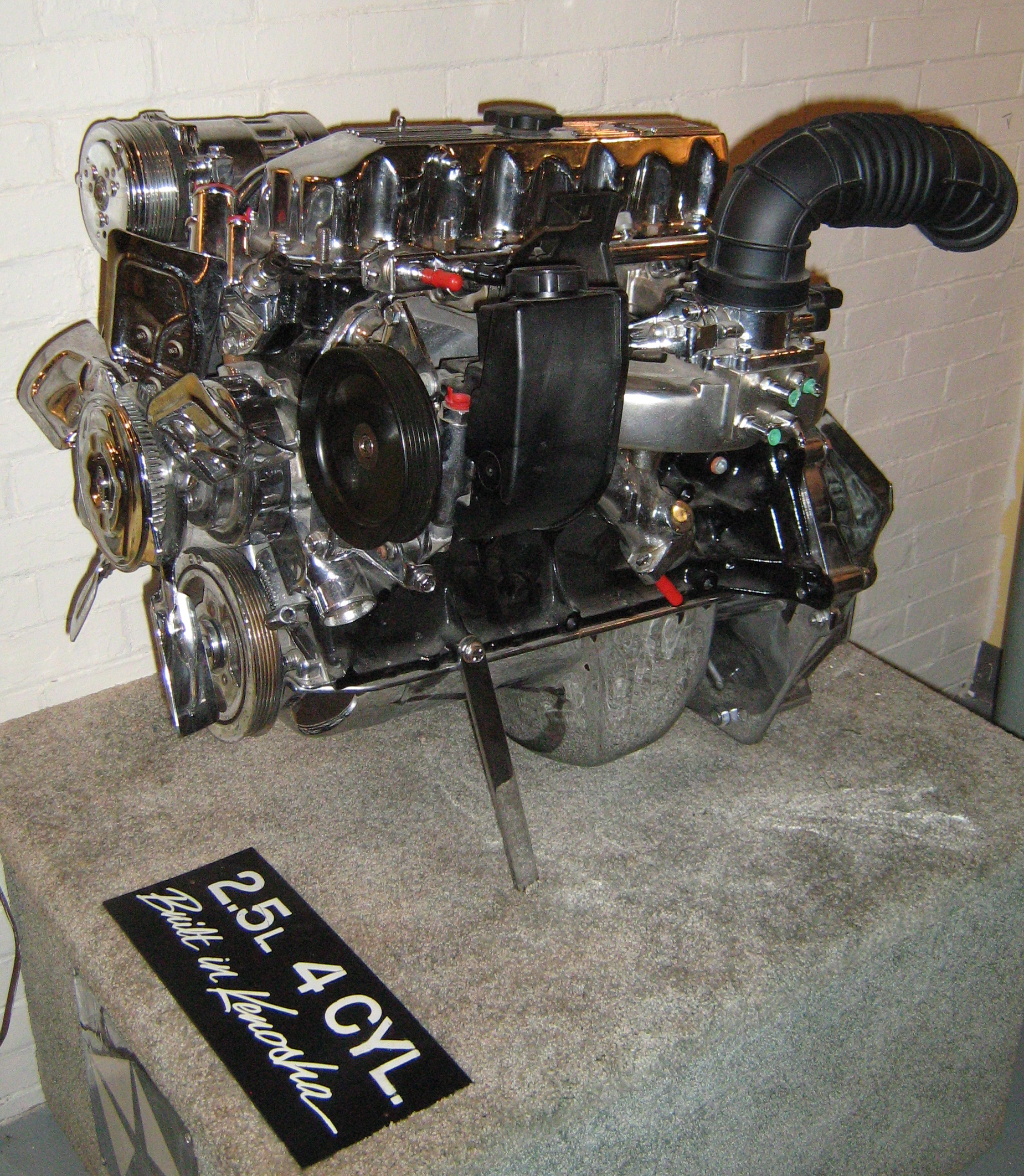
Credit: en.wikipedia.org
<!– wp:rank-math/faq-block {"questions":[{"id":"faq-question-da98610d9cd9","title":"What Engine Does The 1994 Jeep Wrangler Use?","content":"The 1994 Jeep Wrangler comes with a 2. 5 L 4-cylinder engine. It offers reliable performance and fuel efficiency. This engine suits off-road and daily driving needs well. It balances power with economy, making it a popular choice for Wrangler enthusiasts.
“,”visible”:true},{“id”:”faq-question-42f530947a7c”,”title”:”How Powerful Is The 2.5 L 4-cylinder Engine?”,”content”:”The 2. 5 L 4-cylinder engine produces around 120 horsepower. It provides sufficient torque for off-road capability. This power output supports moderate towing and climbing tasks. It is ideal for light to medium-duty driving conditions.
“,”visible”:true},{“id”:”faq-question-9881e41fe21f”,”title”:”Is The 2.5 L Engine Fuel-efficient In The Wrangler?”,”content”:”Yes, the 2. 5 L engine is relatively fuel-efficient. It delivers an average of 19-21 MPG combined. This efficiency helps reduce running costs. It is suitable for drivers prioritizing economy without sacrificing capability.
“,”visible”:true},{“id”:”faq-question-57faf5fc8248″,”title”:”Can The 1994 Jeep Wrangler Engine Be Upgraded?”,”content”:”Yes, the 1994 Wrangler’s 2. 5 L engine can be upgraded. Common upgrades include intake, exhaust, and tuning improvements. These enhancements increase horsepower and torque. Upgrading improves off-road performance and driving experience.
“,”visible”:true}]} –>What Engine Does The 1994 Jeep Wrangler Use?
The 1994 Jeep Wrangler comes with a 2. 5 L 4-cylinder engine. It offers reliable performance and fuel efficiency. This engine suits off-road and daily driving needs well. It balances power with economy, making it a popular choice for Wrangler enthusiasts.
How Powerful Is The 2.5 L 4-cylinder Engine?
The 2. 5 L 4-cylinder engine produces around 120 horsepower. It provides sufficient torque for off-road capability. This power output supports moderate towing and climbing tasks. It is ideal for light to medium-duty driving conditions.
Is The 2.5 L Engine Fuel-efficient In The Wrangler?
Yes, the 2. 5 L engine is relatively fuel-efficient. It delivers an average of 19-21 MPG combined. This efficiency helps reduce running costs. It is suitable for drivers prioritizing economy without sacrificing capability.
Can The 1994 Jeep Wrangler Engine Be Upgraded?
Yes, the 1994 Wrangler’s 2. 5 L engine can be upgraded. Common upgrades include intake, exhaust, and tuning improvements. These enhancements increase horsepower and torque. Upgrading improves off-road performance and driving experience.
Conclusion
The 1994 Jeep Wrangler with the 2. 5L 4-cylinder engine offers solid performance.
It is easy to maintain and reliable for daily drives. This engine suits those who want a simple, sturdy vehicle.
Fuel efficiency and off-road capability make it a good choice.
Parts are available and repairs are not difficult. this Jeep keeps its charm and practical use.
A classic for many Jeep fans and drivers.