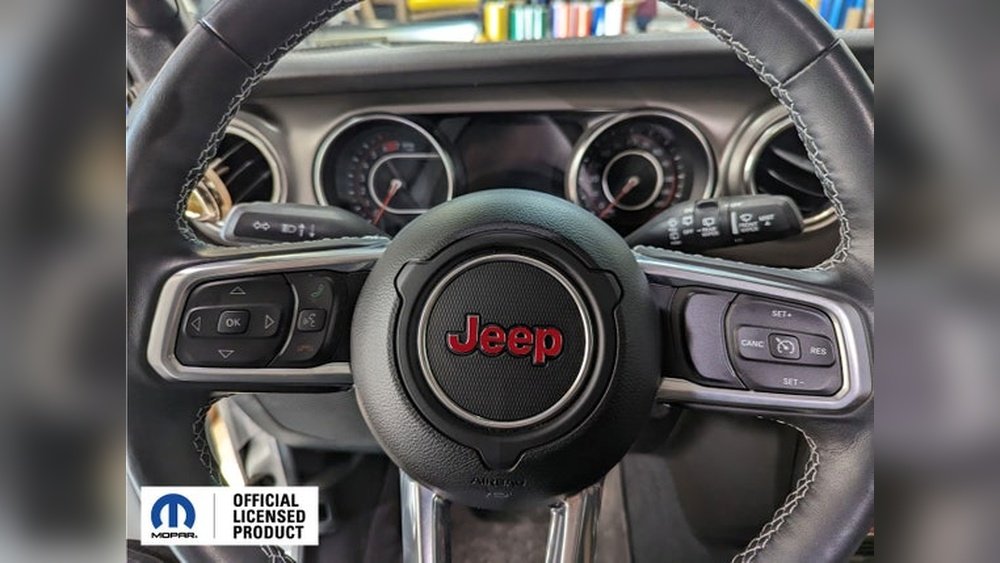
If you’ve just noticed your Jeep Trailhawk’s check engine light flickering on, you might be feeling a mix of confusion and concern. What does it mean?
Is it something urgent? Should you keep driving or pull over immediately?
Understanding why this light turns on is important because it’s your vehicle’s way of telling you that something needs attention.
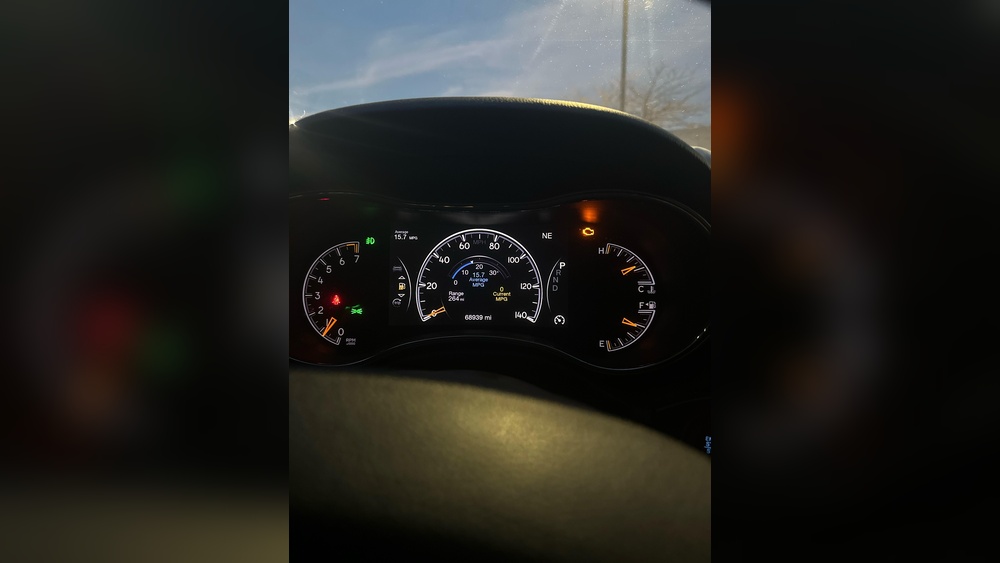
You’ll discover the most common reasons behind that warning, how it can affect your Jeep’s performance, and what steps you should take next.
Don’t ignore it knowing the facts can save you time, money, and stress down the road. Keep reading to find out exactly why your Jeep Trailhawk’s check engine light is on and what you can do about it.

Common Causes
The check engine light on a Jeep Trailhawk can turn on for several common reasons. These issues affect engine performance and emissions.
Understanding these causes helps you know when to seek repairs. Each cause relates to a specific part or system in your vehicle.
Identifying the problem early can save money and prevent further damage.
Loose Or Damaged Gas Cap
A loose or damaged gas cap can trigger the check engine light. It causes fuel vapors to leak, affecting emissions.
Tightening or replacing the cap often fixes the issue quickly. This is one of the easiest problems to check and solve.
Faulty Oxygen Sensor
The oxygen sensor measures oxygen in the exhaust. A faulty sensor sends wrong data to the engine computer.
This can reduce fuel efficiency and increase emissions. Replacing a bad oxygen sensor restores proper engine function.
Bad Catalytic Converter
The catalytic converter reduces harmful gases in exhaust. A bad converter causes poor engine performance and higher emissions.
It often triggers the check engine light. Repair or replacement is necessary to pass emissions tests.
Worn Spark Plugs
Worn or dirty spark plugs cause misfires and rough engine running. This can make the check engine light come on.
Replacing spark plugs improves engine start and smoothness. It also helps fuel economy.
Dirty Mass Airflow Sensor
The mass airflow sensor measures air entering the engine. Dirt or debris can cause it to send incorrect signals.
This leads to poor engine performance and a check engine light. Cleaning or replacing the sensor fixes the problem.
Faulty Head Gasket
A faulty head gasket can cause engine overheating and loss of power. It lets coolant leak into the engine cylinders.
This serious issue often triggers the check engine light. Immediate repair is important to prevent engine damage.
Emissions Control Issues
Problems with emissions control systems can light up the check engine warning. These include issues with the EGR valve or evaporative emissions system.
Fixing these parts helps the vehicle meet emissions standards. It also keeps the engine running efficiently.
Symptoms And Warning Signs
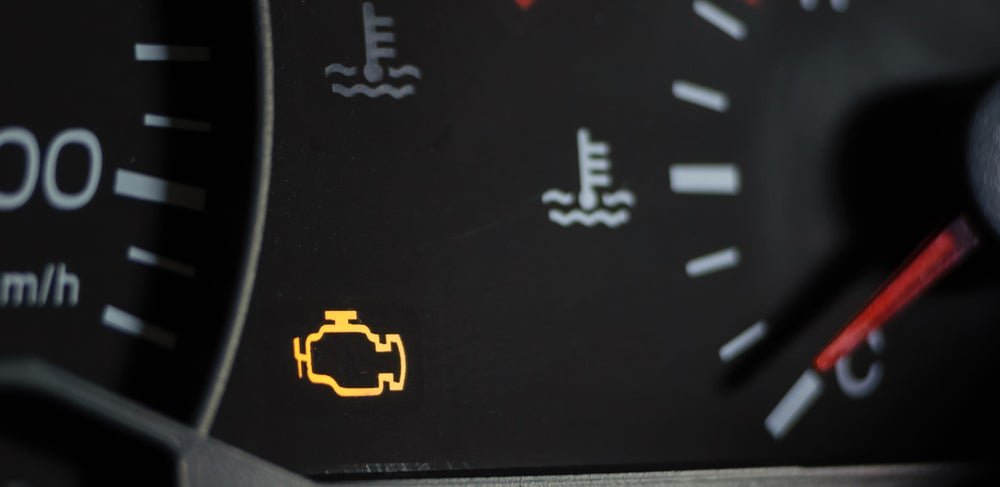
The check engine light on your Jeep Trailhawk signals that something needs attention. Recognizing the symptoms and warning signs helps avoid costly repairs.
Early detection protects your vehicle and keeps it running smoothly.
Different symptoms reveal different problems. Watch for changes in the light’s behavior, engine performance, fuel use, and any unusual noises or smells.
These clues guide you on when to check your Jeep or seek help.
Solid Vs Flashing Check Engine Light
A solid check engine light means a minor issue or a system fault. It requires a timely check but is not an emergency.
A flashing light warns of a severe problem. It signals engine misfire that can cause damage.
Stop driving immediately and have your Jeep inspected.
Performance Issues
Your Jeep may hesitate, jerk, or lose power. It might stall or have trouble starting.
Rough idling or unusual vibrations also indicate engine trouble. These performance issues often coincide with the check engine light.
Fuel Efficiency Drop
A sudden drop in fuel efficiency is a common warning sign. Your Jeep may use more gas than usual.
This waste signals engine or sensor problems. Tracking your miles per gallon helps detect this early.
Unusual Noises Or Smells
Listen for knocking, ticking, or sputtering sounds from the engine. Strange noises suggest mechanical or ignition issues.
Smells like fuel, burning, or sulfur indicate leaks or overheating. Both noises and smells are serious alerts.
Initial Checks
The check engine light on a Jeep Trailhawk can signal many issues. Before taking your vehicle to a mechanic, start with some simple initial checks.
These steps often solve common problems without extra cost or effort.
Performing these basic inspections can help identify obvious faults. This approach saves time and gives a clearer idea about what might be wrong.
Focus on simple parts first, as they are easy to check and fix.
Inspecting The Gas Cap
A loose or damaged gas cap often triggers the check engine light. Remove the cap and check for cracks or wear.
Tighten it firmly until you hear a click. A secure gas cap stops fuel vapors from escaping and can turn off the warning light.
Checking For Loose Connections
Look under the hood for any loose or disconnected wires. Electrical connections may vibrate loose during driving.
Secure loose wires and connectors with care. Faulty connections can cause sensors to send incorrect signals, lighting up the engine warning.
Examining Ground Straps
Ground straps connect the engine to the car’s chassis and complete the electrical circuit. Check these metal straps for rust, breaks, or loose bolts.
Clean or replace damaged ground straps. Poor grounding can disrupt electronic systems and cause warning lights.
Using An Obd-ii Scanner
An OBD-II scanner reads error codes from your Jeep’s computer. Plug the scanner into the port below the dashboard. The codes help identify specific problems quickly. Many auto parts stores offer free scans. This tool guides the next steps for repair or diagnosis.
Quick Fixes
The check engine light on your Jeep Trailhawk can signal many issues. Some problems are simple and easy to fix at home.
Quick fixes often save time and avoid costly repairs. These solutions address common causes and get your Jeep back on the road fast.
Tightening Or Replacing Gas Cap
A loose or damaged gas cap is a frequent cause of the check engine light. It can let fuel vapors escape, triggering the warning.
Tighten the gas cap firmly until it clicks. Replace it if the cap is cracked or worn out.
This simple step can clear the light quickly.
Cleaning Sensors
Dirty sensors can send wrong signals to your Jeep’s computer. The mass airflow sensor or oxygen sensor often gets dirty.
Clean these sensors gently with proper cleaner sprays. Avoid harsh scrubbing to prevent damage.
Clean sensors improve engine performance and can turn off the warning light.
Resetting The Engine Light
Sometimes, the check engine light stays on after a fix. Resetting the light can help.
You can disconnect the battery for a few minutes or use an OBD-II scanner. This clears error codes stored in the computer.
If the problem is solved, the light should turn off.
Replacing Spark Plugs
Worn spark plugs cause misfires and engine issues. They may trigger the check engine light on your Trailhawk.
Replace spark plugs as recommended in your manual. New plugs improve engine efficiency and reduce emissions.
This repair often stops the warning light from coming on.
When To Seek Professional Help
The check engine light on your Jeep Trailhawk signals that the vehicle needs attention. Knowing when to seek professional help can protect your engine and avoid costly repairs.
Some issues require expert diagnosis and repair to keep your Jeep running smoothly and safely.
Persistent Engine Light
A check engine light that stays on for several days means the problem is ongoing. Ignoring it may worsen the issue.
A mechanic can find the root cause and fix it before damage spreads.
Complex Engine Codes
Sometimes the engine light flashes or shows multiple codes. These codes can be hard to understand without special tools.
Professionals use advanced scanners to read and interpret these codes accurately.
Serious Performance Problems
If your Jeep Trailhawk shows poor fuel economy, rough idling, or loss of power, it could be serious. These symptoms often need immediate attention.
A trained technician can diagnose and repair performance issues quickly.
Driving With The Light On
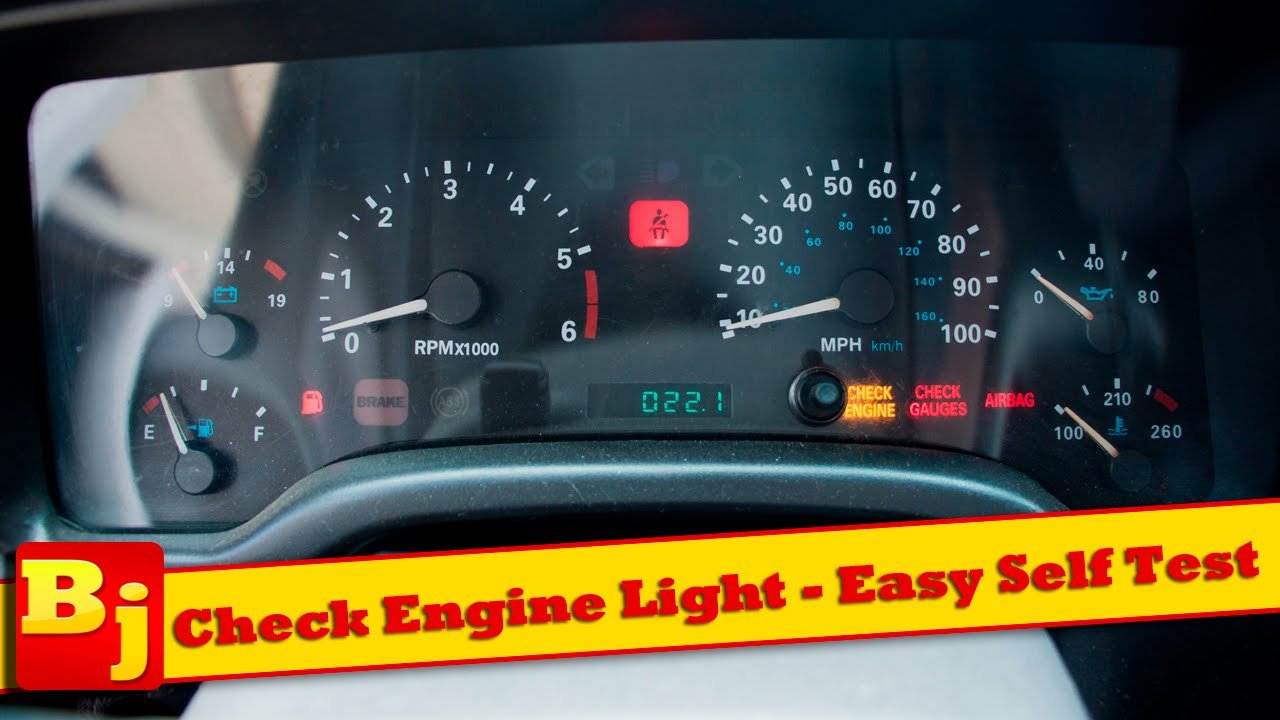
Seeing the check engine light on your Jeep Trailhawk can be unsettling. The light signals a potential issue with your vehicle’s engine or emissions system.
You might wonder if it’s safe to keep driving. The answer depends on the situation and the warning’s severity.
Understanding how to drive with the check engine light on helps protect your Jeep. Taking the right steps can prevent further damage and keep you safe on the road.
Safe Driving Tips
Drive gently and avoid hard acceleration. Reduce your speed and keep a steady pace.
Stop frequently to check the engine temperature. Avoid towing or carrying heavy loads.
If the light flashes, stop immediately. Flashing means a serious problem could cause damage.
Risks Of Ignoring The Warning
Ignoring the check engine light may worsen the problem. Engine damage can become costly to repair.
Fuel efficiency might drop, costing more at the pump. Emission systems could fail, harming the environment.
Safety risks increase if the engine stalls unexpectedly. Early attention prevents these issues and saves money.
How To Monitor Vehicle Condition
Listen for unusual sounds from the engine. Watch for changes in power or acceleration.
Check the dashboard for other warning lights. Use an OBD-II scanner to read error codes.
Many auto parts stores offer free code reading. Keep a log of symptoms and codes for your mechanic.
Can I Drive My Jeep With The Engine Light On?
You can drive your Jeep with a steady engine light, but limit driving and fix the issue soon. A flashing light means stop immediately and seek repair.
What Is The First Thing To Check When The Check Engine Light Comes On?
Check the gas cap first to ensure it is tight and undamaged. A loose or faulty gas cap often triggers the light.
Can I Still Drive My Car If The Check Engine Light Just Came On?
You can drive briefly if the check engine light just came on. Avoid heavy use and get your car checked soon.
Can I Drive $1000 Miles With The Check Engine Light On?
Driving 1,000 miles with the check engine light on risks serious damage. Get a diagnostic check immediately.
Conclusion
The check engine light on your Jeep Trailhawk signals a need for attention. Common causes include a loose gas cap or a faulty sensor.
Addressing the issue early can prevent costly repairs. Always check basic components before driving far.
Use simple tools or visit a mechanic if unsure.
Staying alert keeps your Jeep running smoothly and safely. Don’t ignore the light; it protects your vehicle’s health.