The Jeep YJ steering wheel emblem is a small but significant detail that connects a driver to their vehicle. For many Jeep YJ owners, this emblem isn't just a logo; it's a symbol of adventure, freedom, and the rugged spirit of the Jeep brand.
While it might seem like a minor cosmetic piece, its condition and authenticity can significantly impact the overall look and feel of a YJ's interior.
This article will explore everything you need to know about the Jeep YJ steering wheel emblem, from its history and common issues to replacement options and customization. Whether you're restoring a classic YJ or just looking to refresh its interior, understanding this detail is key.
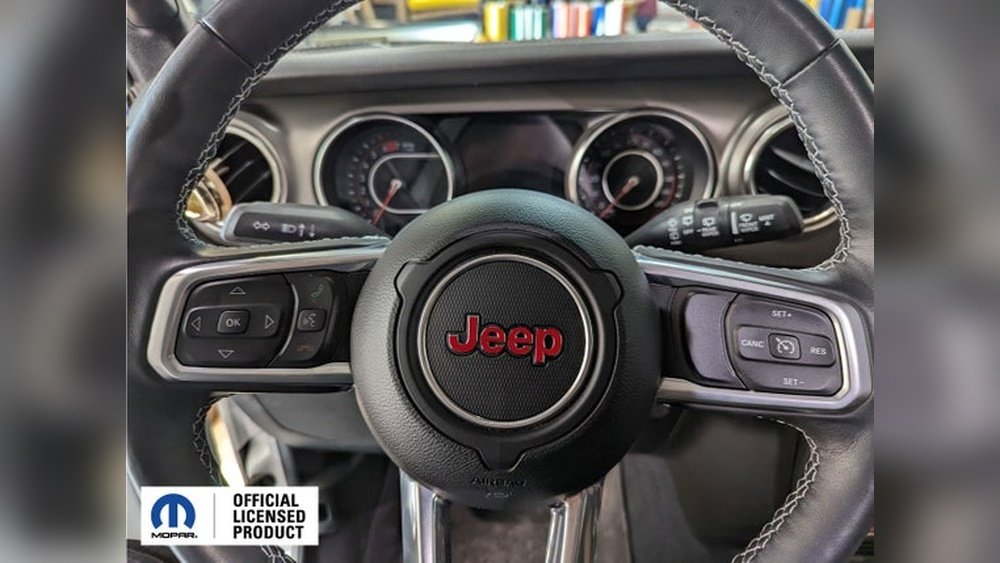
The Iconic Jeep Yj Steering Wheel Emblem: More Than Just A Logo
The Jeep YJ, produced from 1987 to 1995, is easily recognizable by its square headlights, a distinctive feature that sets it apart from earlier and later Jeep models. Inside, the steering wheel is a central point of interaction for any driver. The emblem, typically featuring the iconic Jeep logo, is usually located in the center of the steering wheel. It’s often a circular or shield-shaped piece, sometimes with a chrome or silver finish, and bearing the distinct Jeep lettering or grille design.
Over the years, these emblems can suffer from wear and tear. Exposure to sunlight, heat, and the oils from our hands can cause the finish to fade, crack, or peel.
The plastic or metal can become scratched, and the adhesive might weaken, leading to the emblem becoming loose or even falling off.
For a Jeep enthusiast, a damaged or missing emblem can be a constant reminder of a vehicle that isn’t quite “right. ” Restoring this small piece can bring a renewed sense of pride and authenticity to the interior.
Materials And Construction Of The Emblem
Jeep YJ steering wheel emblems were typically constructed from a combination of materials designed to withstand the interior environment of a vehicle. The base was often a durable plastic, sometimes with a metallic coating applied to give it a chrome or silver appearance.
In some cases, a more robust metal might have been used, especially for models with premium interior packages.
The Jeep logo itself would be embossed or printed onto the surface. The detailing could vary; some emblems featured raised lettering, while others had a painted or decal-style design.
A clear protective coating was usually applied over the logo to prevent fading and abrasion.
However, this coating, like any other automotive finish, is susceptible to degradation over time.
The method of attachment to the steering wheel also varied. Most commonly, the emblem was secured with a strong adhesive backing.
In some instances, it might have been integrated into the steering wheel's design, making replacement a more involved process.
Understanding the original construction helps in determining the best approach for replacement or repair.
Common Issues And Wear Patterns
As mentioned, the Jeep YJ steering wheel emblem is prone to several common issues due to its location and constant use.
- Fading and Discoloration: Prolonged exposure to UV rays from the sun can break down the pigments and coatings on the emblem, leading to faded colors and a dull appearance. The plastic itself can also yellow over time.
- Cracking and Peeling: Heat cycles and the natural aging of plastic materials can cause the emblem’s surface to develop fine cracks. The metallic coating or painted details can then begin to peel away from the base.
- Scratches and Abrasions: The steering wheel is touched frequently, and keys, rings, or other objects can easily scratch the emblem’s surface. These scratches not only look bad but can also compromise the protective coating, accelerating further degradation.
- Adhesive Failure: The adhesive holding the emblem to the steering wheel can weaken over time, especially with exposure to heat and moisture. This can result in the emblem becoming loose, rattling, or eventually detaching completely.
- Corrosion (for metal emblems): If the emblem is made of metal and the protective coating is damaged, it can be susceptible to corrosion, leading to pitting and discoloration.
Addressing these issues often leads owners to seek out replacement emblems to restore the interior’s pristine look.
Replacing Your Jeep Yj Steering Wheel Emblem: A Step-by-step Guide
Replacing a damaged or missing Jeep YJ steering wheel emblem is a relatively straightforward process for most owners. It’s a rewarding DIY project that can significantly enhance the interior’s aesthetics.
The key is to identify the correct replacement part and follow the installation steps carefully.
Identifying The Correct Emblem
Before purchasing a replacement, it’s crucial to know exactly which emblem your YJ uses. While most YJs share a similar design, there might be subtle variations depending on the year and trim level.
- Year of Manufacture: While the YJ generation spans from 1987 to 1995, emblem designs could have minor updates.
- Steering Wheel Type: Some YJs might have different steering wheel designs, especially if aftermarket wheels were installed.
- Original vs. Aftermarket: Original Jeep emblems are often made of higher-quality materials but can be harder to find. Aftermarket options are widely available and can be more affordable, but quality can vary.
When searching online, use terms like “Jeep YJ steering wheel emblem,” “Jeep YJ horn button logo,” or “Jeep YJ center cap emblem. ” Look for sellers who provide clear photos and specifications, and check customer reviews for quality feedback.
Tools And Materials You’ll Need
Most replacements require minimal tools. You’ll likely need:
- New Steering Wheel Emblem: Ensure it’s compatible with your YJ.
- Plastic Trim Removal Tool or Flathead Screwdriver: For carefully prying off the old emblem or steering wheel cover.
- Rubbing Alcohol or Adhesive Remover: To clean the steering wheel surface.
- Clean Cloths or Microfiber Towels: For cleaning and drying.
- Gloves (Optional): To keep the new emblem clean.
- New Adhesive (if not pre-applied): Such as 3M VHB tape, if your new emblem doesn’t come with it.
The Replacement Process
Here’s a general guide to replacing your Jeep YJ steering wheel emblem. Always refer to specific instructions for your chosen replacement part, as methods can vary slightly.
Step 1: Disconnect the Battery
For safety, always disconnect the negative battery terminal before working on any part of the steering wheel, especially near the airbag (if your YJ is equipped with one). This prevents accidental deployment.
Step 2: Access the Emblem
The emblem is usually part of the horn pad or center cap of the steering wheel.
- Older YJs (Pre-Airbag): The horn pad might be a separate piece that can be gently pried off. Look for seams around the edges.
- YJs with Airbags: Removing the airbag module is a more complex procedure and often requires specialized knowledge. If your YJ has an airbag, it’s strongly recommended to have a professional handle the emblem replacement to avoid accidental deployment or damage to the airbag system. If you’re confident and have researched the specific airbag removal process for your YJ, proceed with extreme caution. Usually, the emblem is attached to the airbag cover itself.
Step 3: Remove the Old Emblem
Once you have access to the emblem, you’ll need to carefully remove it.
- Prying: Use a plastic trim tool or a thin, flathead screwdriver to gently pry up the old emblem. Work slowly to avoid damaging the steering wheel material.
- Adhesive: If the emblem is stuck with strong adhesive, you might need to gently heat it with a hairdryer (on a low setting) to soften the glue. Be careful not to overheat the surrounding plastic.
- Cutting: In some cases, you might need to carefully cut around the edges of the emblem with a sharp hobby knife if it’s deeply adhered.
Step 4: Clean the Surface
Thoroughly clean the area where the old emblem was attached. Use rubbing alcohol or an adhesive remover to remove any residue from the old adhesive.
Ensure the surface is clean, dry, and free of dust or grease for the new emblem to adhere properly.
Step 5: Apply the New Emblem
- Pre-applied Adhesive: If your new emblem comes with an adhesive backing, peel off the protective film. Carefully align the new emblem with the mounting area on the steering wheel. Press down firmly and hold for a minute or two to ensure a secure bond.
- No Pre-applied Adhesive: If you need to apply your own adhesive, use a high-quality automotive double-sided tape, like 3M VHB (Very High Bond). Cut the tape to the shape of the emblem, apply it to the steering wheel or the back of the emblem, remove the protective film, and then press the emblem into place.
Step 6: Reassemble and Reconnect
Carefully reassemble any parts of the steering wheel you removed. Once everything is back in place, reconnect the negative battery terminal. Test the horn (if applicable) to ensure it works correctly.
Pro Tip: Take clear photos of the steering wheel and emblem area before you start. This can be very helpful for reassembly and for remembering the original placement of components.
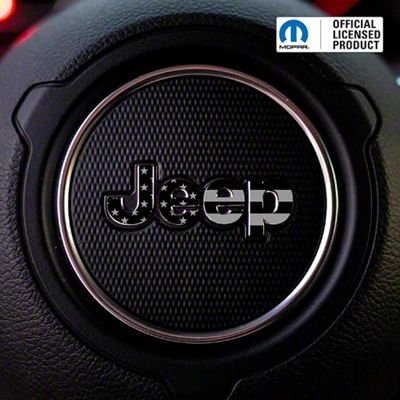
Customizing Your Jeep Yj Steering Wheel Emblem
While originality is important for many Jeep enthusiasts, customization offers a chance to personalize your YJ and make it truly unique. The steering wheel emblem is a prime candidate for this.
Beyond The Standard Jeep Logo
You’re not limited to the factory Jeep logo. Here are some popular customization ideas:
- Custom Colors: Instead of the standard silver or chrome, you can find or create emblems with custom paint jobs. Think matte black, red accents, or even a camouflage pattern.
- Different Logos: Some owners opt for emblems featuring other Jeep-related imagery, such as the iconic Jeep grille, or even logos from specific Jeep models or special editions.
- Personalized Text: For a truly unique touch, you can commission custom emblems that include your name, initials, or a favorite phrase. These are often made from metal or high-quality resins.
- Resin Domed Emblems: These emblems have a clear, protective resin dome over the logo, giving them a glossy, three-dimensional look. They are often more durable than simple printed emblems.
- Carbon Fiber Accents: For a sporty and modern look, consider carbon fiber emblems or overlays.
Where To Find Custom Emblems
Finding custom emblems often involves searching specialized automotive aftermarket retailers or online marketplaces.
- Online Marketplaces: Websites like Etsy, eBay, and Amazon host many small businesses and individuals who create custom automotive parts, including steering wheel emblems.
- Jeep-Specific Forums and Clubs: Members of these communities often share information about custom part suppliers or even create their own custom pieces for sale.
- Specialty Customizers: There are companies that specialize in custom automotive badges and emblems. A quick search for “custom Jeep steering wheel emblem” should yield results.
When ordering custom emblems, always check the seller’s reputation, read reviews, and confirm the compatibility with your Jeep YJ steering wheel. Pay attention to the materials used, as durability is key.
Installation Considerations For Custom Emblems
The installation process for custom emblems is generally the same as for standard replacements. However, there might be specific instructions provided by the customizer.
- Fitment: Ensure the custom emblem is designed to fit the specific contours of your YJ steering wheel. Some custom pieces might be larger or smaller than the original.
- Adhesion: Custom emblems often rely on strong adhesive. Make sure the surface of your steering wheel is impeccably clean and dry before applying.
- Durability: Consider the materials used. Will the custom paint chip? Will the resin dome yellow? Choose a custom option that balances aesthetics with longevity.
The History And Evolution Of Jeep Emblems
The Jeep emblem has a long and storied history, evolving alongside the brand itself. While the YJ emblem is specific, understanding the broader context of Jeep branding provides appreciation for this small detail.
The Jeep name originated during World War II, with the Willys MB military vehicle. The iconic seven-slot grille is perhaps the most recognizable Jeep symbol, a design element that has been present in some form on almost every Jeep model since its inception.
The earliest Jeep vehicles often had simple “Jeep” lettering or the Willys logo.
As Jeep transitioned into civilian use and evolved through various owners (Willys-Overland, Kaiser-Jeep, American Motors Corporation (AMC), Chrysler, and now Stellantis), the branding has remained remarkably consistent, emphasizing ruggedness, capability, and freedom.
The steering wheel emblem, as a focal point inside the vehicle, has mirrored this branding. Early Jeep steering wheels might have had simple stamped metal or plastic logos.
As interiors became more refined, especially with the introduction of models like the YJ, the emblems became more sophisticated, incorporating clearer branding and sometimes more durable finishes.
The transition from the CJ series to the YJ marked a significant shift, including the move to square headlights and a more modern interior. The steering wheel emblem on the YJ reflects this modernization, often featuring a cleaner, more prominent display of the Jeep logo compared to its predecessors.
The Significance Of The Grille In Jeep Branding
While the steering wheel emblem is crucial for the interior, the Jeep grille is arguably the most iconic element of Jeep’s visual identity. The seven-slot grille has been a trademark feature since the early days. The steering wheel emblem often subtly references this grille, either through its shape or by incorporating a miniature representation of it. This consistent visual language across different parts of the vehicle reinforces the Jeep brand identity and connects the interior experience to the unmistakable exterior.
Evolution Of Steering Wheel Technology And Emblems
The evolution of steering wheels themselves has also influenced emblem design. As steering wheels incorporated features like power steering, tilt adjustments, and eventually airbags, the central hub where the emblem resides became more complex.
- Pre-Airbag Era: Steering wheels were simpler. Emblems were often directly applied to the horn button or a central cap. Removal and replacement were generally easier.
- Airbag Era: The introduction of airbags significantly changed steering wheel design. The emblem is typically part of the airbag cover, a more complex and safety-critical component. This means that working on the emblem often involves interacting with the airbag system, necessitating greater caution and sometimes professional intervention. The YJ generation bridges this gap, with early models likely having simpler designs and later models potentially incorporating early airbag systems, though YJs are more commonly found without airbags than later Wranglers.
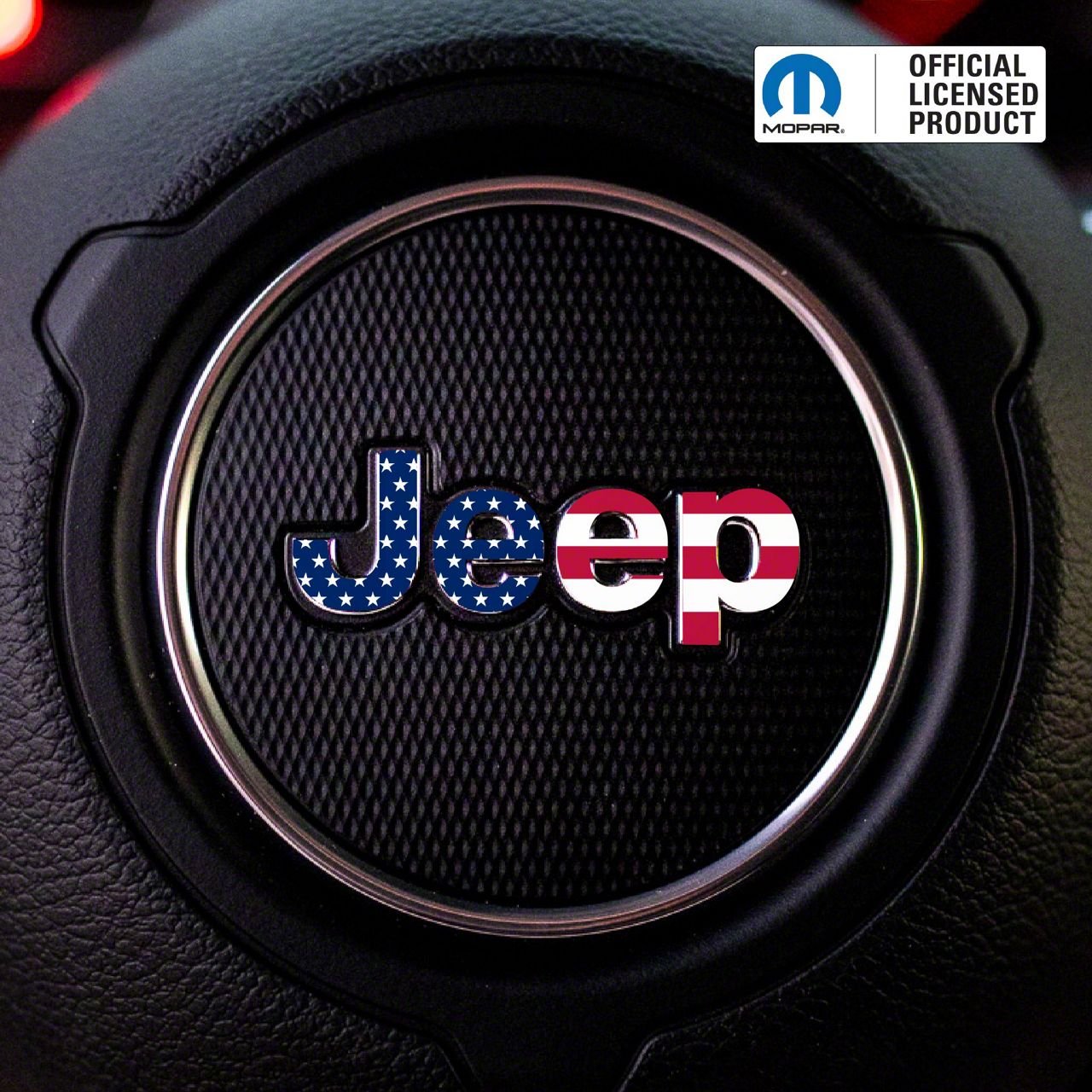
Maintaining And Protecting Your Steering Wheel Emblem
Once you’ve replaced or restored your Jeep YJ steering wheel emblem, proper maintenance can help it last longer and keep your interior looking sharp.
Cleaning Best Practices
Regular cleaning is essential. Use a mild automotive interior cleaner and a soft microfiber cloth. Avoid abrasive cleaners or harsh chemicals, which can damage the finish.
- Gentle Wiping: Wipe the emblem gently to