The Jeep Patriot wheel speed sensor is a small but vital part of your vehicle's anti-lock braking system (ABS) and electronic stability control (ESC).
When this sensor malfunctions, it can cause a range of issues, from the ABS warning light illuminating to more serious problems with your braking and traction control.
If you're experiencing these symptoms and looking for a replacement sensor, searching for a Jeep Patriot wheel speed sensor near me is a common and logical step.

This guide will help you understand what these sensors do, why they fail, how to identify a faulty one, and where to find replacements, ensuring you can get your Patriot back to safe operating condition.
Understanding The Jeep Patriot Wheel Speed Sensor
Your Jeep Patriot, like most modern vehicles, relies on a sophisticated network of sensors to keep you safe. The wheel speed sensor is a key component in this system.
Its primary job is to monitor the rotational speed of each wheel.
This information is then sent to the vehicle’s computer, which uses it for several critical functions.
The Role In Abs And Esc
The Anti-lock Braking System (ABS) prevents your wheels from locking up during hard braking. If a wheel starts to rotate slower than the others, the ABS module detects this via the wheel speed sensor and briefly releases brake pressure on that wheel. This allows the driver to maintain steering control. The ESC system uses similar data to detect if the vehicle is starting to skid or lose traction. If it senses a loss of control, it can automatically apply brakes to individual wheels and reduce engine power to help stabilize the vehicle. Without accurate data from the wheel speed sensors, both ABS and ESC would be unable to function correctly, significantly compromising your safety.
How Wheel Speed Sensors Work
A typical wheel speed sensor on a Jeep Patriot is a magnetic or Hall-effect sensor. It's positioned near a toothed ring, often called a tone ring or reluctor ring, attached to the wheel hub or CV axle.
As the wheel rotates, the teeth on the ring pass by the sensor.
This creates an electrical pulse or a change in voltage. The frequency of these pulses directly corresponds to the speed of the wheel.
The vehicle's ABS control module interprets these signals to determine the speed of each wheel. If the signal from one sensor becomes erratic, weak, or stops altogether, the module flags it as a fault.
Common Causes Of Failure
Several factors can lead to a Jeep Patriot wheel speed sensor failing. One of the most common is physical damage. Road debris, potholes, or even during routine maintenance like tire changes, the sensor or its wiring can be struck, bent, or broken. Corrosion is another major culprit, especially in areas with harsh weather conditions, like those with heavy snow and salt usage on roads. The electrical connections can corrode over time, leading to poor signal transmission or complete failure.
Wear and tear on the tone ring can also be an issue. If the teeth become worn down, chipped, or obstructed by rust or dirt, the sensor may not be able to read the rotation accurately. In some cases, a bad wheel bearing can cause the tone ring to become misaligned or damaged, leading to sensor malfunction. Finally, faulty wiring or a loose connection between the sensor and the ABS module can also cause intermittent or complete signal loss.
Symptoms Of A Failing Jeep Patriot Wheel Speed Sensor
When a wheel speed sensor starts to go bad, your Jeep Patriot will usually give you some clear signs. Ignoring these can lead to more significant problems and compromised safety.
Warning Lights On The Dashboard
The most obvious symptom is the illumination of warning lights on your dashboard. You’ll typically see the ABS warning light come on. In some cases, the Traction Control (TCS) light or the Electronic Stability Control (ESC) light may also illuminate. Sometimes, these lights might flash intermittently before staying on continuously. This is the vehicle’s way of telling you that a component in the ABS or ESC system is not functioning correctly, and it has likely disabled those systems for safety reasons.
Abs Malfunctions
If the ABS warning light is on, your ABS system is likely not working. This means that in an emergency braking situation, your wheels could lock up.
You might notice a lack of the usual pulsating sensation in the brake pedal when ABS engages, or worse, the brakes might feel like they are not working effectively.
The vehicle might take longer to stop, and you could lose the ability to steer while braking hard.
Traction Control Issues
Similarly, if the traction control or ESC light is on, those systems are probably disabled. You might notice that your vehicle struggles for grip on slippery surfaces, like during rain, snow, or on loose gravel.
The car might spin its wheels more easily, and the automatic correction systems that help prevent skids won't be active.
Inaccurate Speedometer Readings
In some instances, a faulty wheel speed sensor can affect the speedometer reading. Since the speedometer often uses data from one of the wheel speed sensors (or a transmission speed sensor that relies on similar principles), an erratic signal can cause the speedometer to fluctuate or display incorrect speeds.
This is less common than ABS or ESC warnings but is still a possible symptom.
Other Potential Issues
You might also experience a rougher ride or notice unusual noises from the wheel area if the problem is related to a damaged tone ring or a failing wheel bearing that has impacted the sensor. Some drivers have reported a feeling of the vehicle “dragging” or a slight pull to one side when a sensor is failing, though this is often linked to other underlying issues.
Diagnosing A Faulty Wheel Speed Sensor
Pinpointing the exact wheel speed sensor that has failed is crucial for effective repair. While a mechanic has specialized tools, there are steps you can take to help diagnose the issue.
Using An Obd-ii Scanner
The most effective way to diagnose a faulty wheel speed sensor is by using an OBD-II scanner. This tool plugs into your vehicle’s diagnostic port, usually located under the dashboard. A scanner can read trouble codes stored in the vehicle’s computer. When a wheel speed sensor fails, it typically triggers a specific code, often starting with “C” (for Chassis), followed by numbers that identify the specific circuit or sensor. For example, codes like C0030, C0031, C0032, or C0033 might indicate issues with the front left, front right, rear left, or rear right wheel speed sensor, respectively. The scanner can also provide live data, allowing you to see the speed readings from each sensor in real-time as you drive (carefully, of course).
Visual Inspection
A visual inspection can sometimes reveal obvious problems. With the vehicle safely supported on jack stands, you can examine each wheel speed sensor and its wiring. Look for any signs of physical damage, such as cracks, breaks, or bent mounting brackets. Check the wiring harness for corrosion, fraying, or loose connections. Also, inspect the tone ring for any visible damage, rust buildup, or missing teeth. Ensure it’s clean and properly seated.
Testing The Sensor
If the OBD-II codes point to a specific sensor and there's no visible damage, the sensor itself might need testing. This usually involves using a multimeter to check for continuity and resistance.
You can also check if the sensor is generating a voltage signal as the wheel is turned.
The specific testing procedure will depend on whether your Jeep Patriot uses a magnetic or Hall-effect sensor. This step often requires some mechanical knowledge and might be best left to a professional if you’re not comfortable with automotive electrical testing.
Replacing A Jeep Patriot Wheel Speed Sensor
Replacing a Jeep Patriot wheel speed sensor is a moderately difficult DIY task. If you’re not comfortable working on your vehicle’s braking system, it’s best to have a qualified mechanic perform the replacement.
Parts You’ll Need
You will need a new Jeep Patriot wheel speed sensor for the specific wheel that has failed. It’s crucial to get the correct part for your vehicle’s year and model. You might also need:
- New brake cleaner to clean the area.
- Dielectric grease for the electrical connector to prevent corrosion.
- Penetrating oil (like WD-40) to help loosen stubborn bolts.
- Anti-seize compound for reassembly.
- Torque wrench to ensure bolts are tightened to the manufacturer’s specifications.
Tools Required
The tools you’ll likely need include:
- Socket set and wrenches (metric sizes).
- Jack and jack stands for safely lifting the vehicle.
- Pliers for disconnecting electrical connectors.
- Flathead screwdriver for prying.
- OBD-II scanner to clear codes after replacement.
Step-by-step Replacement Guide
- Safety First: Park your Jeep Patriot on a level surface, engage the parking brake, and chock the wheels that will remain on the ground. Loosen the lug nuts on the wheel you’ll be working on.
- Lift the Vehicle: Use a jack to lift the front or rear of the vehicle and securely place it on jack stands. Remove the wheel.
- Locate the Sensor: The wheel speed sensor is typically located on the steering knuckle (front) or the axle housing (rear), often near the brake assembly. It’s usually held in place by one or two bolts.
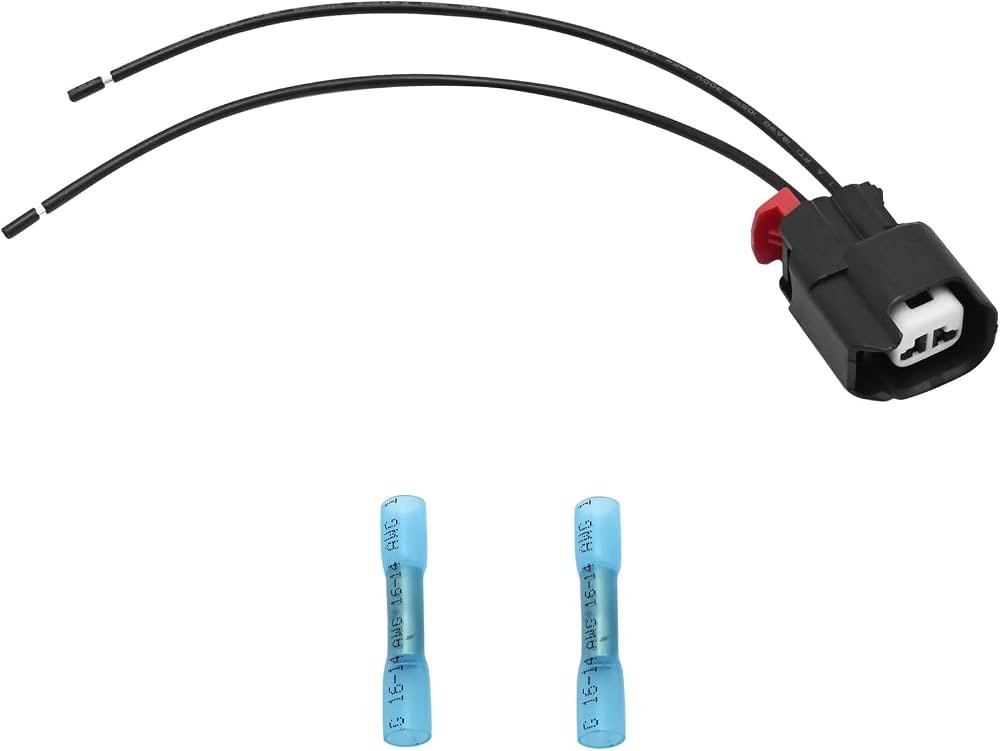
- Disconnect the Wiring: Trace the sensor’s wire harness to its connector. Carefully disconnect the electrical connector. Sometimes these connectors can be stiff or corroded.
- Remove the Old Sensor: Use a socket or wrench to remove the bolt(s) holding the sensor in place. You may need to gently pry the sensor out if it’s stuck due to dirt or corrosion.
- Clean the Mounting Area: Before installing the new sensor, clean the mounting surface on the knuckle or axle housing with brake cleaner. Ensure the tone ring is also clean and free of debris.
- Install the New Sensor: Apply a small amount of dielectric grease to the electrical connector of the new sensor. Insert the new sensor into its mounting hole. It should fit snugly.
- Secure the Sensor: Reinstall the bolt(s) that hold the sensor in place. Tighten them to the manufacturer’s specified torque.
- Reconnect Wiring: Plug the electrical connector of the new sensor firmly into the vehicle’s wiring harness.
- Reassemble: Reinstall the wheel and tighten the lug nuts. Lower the vehicle and torque the lug nuts to specification.
- Clear Codes: Start the engine and use your OBD-II scanner to clear any stored trouble codes. Take your Jeep Patriot for a test drive to ensure the ABS and traction control warning lights are off and the systems are functioning correctly.
Finding A Jeep Patriot Wheel Speed Sensor Near You
When it’s time to replace a faulty sensor, finding a Jeep Patriot wheel speed sensor near me involves a few options, each with its pros and cons.
Local Auto Parts Stores
Major auto parts retailers like AutoZone, O’Reilly Auto Parts, Advance Auto Parts, and NAPA Auto Parts are excellent places to start. They usually have a wide selection of Jeep Patriot replacement parts, including wheel speed sensors, for various model years.
- Pros: Convenient, often have parts in stock for immediate pickup, knowledgeable staff who can help you find the right part, and many offer warranties on their parts.
- Cons: Prices can sometimes be higher than online retailers.
When searching online or in-store, be sure to input your specific Jeep Patriot year, make, and model to ensure you get the correct sensor. Sensors can vary significantly between different model years, and even between front and rear axles, or left and right sides.
Online Retailers
Websites like Amazon, eBay, RockAuto, and dedicated Mopar parts sites offer a vast selection of wheel speed sensors.
- Pros: Often the most competitive pricing, huge selection, ability to compare different brands and price points, convenient home delivery.
- Cons: You have to wait for shipping, and you can’t physically inspect the part before buying. It’s crucial to verify compatibility and check seller reviews. RockAuto, for example, is a popular choice for DIYers due to its extensive catalog and often lower prices compared to brick-and-mortar stores.
Dealerships
Your local Jeep dealership is another option for purchasing a Jeep Patriot wheel speed sensor.
- Pros: Guaranteed OEM (Original Equipment Manufacturer) parts, ensuring perfect fit and quality. Dealership technicians are experts on your specific vehicle.
- Cons: Typically the most expensive option.
If you’re looking for the absolute best quality and don’t mind the cost, a dealership is a reliable choice. For many, however, aftermarket parts from reputable brands offer a good balance of quality and price.
Independent Repair Shops
Many independent mechanics or auto repair shops near me that specialize in Jeeps or general automotive repair will also sell and install parts.
- Pros: They can diagnose the problem for you and have the part ready for installation. They often have relationships with parts suppliers and may get better pricing.
- Cons: You’re paying for both the part and the labor, which can increase the overall cost.
When searching for a shop, look for one with good reviews and experience working on Jeeps. Asking them to use a specific brand of sensor or an OEM part can give you more control over the quality and price.
Factors To Consider When Buying
When you’re ready to purchase a Jeep Patriot wheel speed sensor, consider these important factors to make the best choice.
Brand And Quality
There are many brands of aftermarket wheel speed sensors available. Some reputable brands include Bosch, Dorman, Standard Motor Products (SMP), and AC Delco.
While OEM parts are generally the highest quality, many aftermarket brands offer excellent reliability at a lower price point.
Cheaper, unbranded sensors might be tempting but often have a shorter lifespan and can be more prone to failure. Reading reviews for specific brands and part numbers can be very helpful.
Price Comparison
Prices for a Jeep Patriot wheel speed sensor can range anywhere from $20 to $100 or more, depending on the brand, the specific sensor location (front vs. rear), and where you buy it.
Here’s a general price range you might expect:
| Part Type | Estimated Price Range (USD) |
|---|---|
| Aftermarket Sensor | $20 – $60 |
| Premium Aftermarket | $50 – $80 |
| OEM (Dealership) | $70 – $150+ |
*Note: These are approximate prices and can vary based on location, retailer, and specific vehicle year.*
Always compare prices from different sources. If you're buying online, factor in shipping costs.
If you're buying from a local store, check their return policy and warranty.
Warranty
Most reputable auto parts retailers and manufacturers offer a warranty on their wheel speed sensors.