The dashboard of your Jeep Liberty is your car's command center. It displays vital information about your vehicle's performance and health.
Among the many lights that can illuminate on your dashboard, one that can cause immediate concern is the brake system light. This warning indicator is designed to alert you to potential issues within your braking system, a critical safety component.
Understanding what this light looks like and what it signifies is crucial for any Jeep Liberty owner. Ignoring it can lead to serious safety risks and costly repairs.
This article will guide you through the appearance of the brake system light on a Jeep Liberty, explore the common reasons why it might illuminate, and explain the steps you should take to address the issue. We’ll cover everything from low brake fluid to more complex problems, ensuring you have the knowledge to keep your Liberty safe and reliable on the road.
What Does The Brake System Light Look Like?
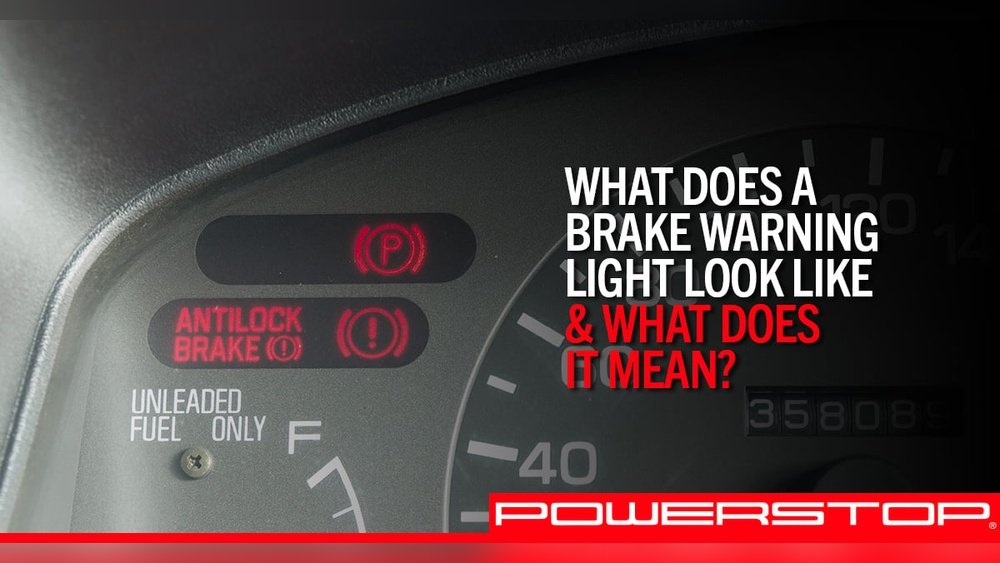
The brake system warning light on a Jeep Liberty is typically depicted by an icon that resembles a circle with an exclamation mark inside, often enclosed within parentheses. This symbol is universally recognized across most vehicle manufacturers as an indicator of a problem with the braking system. It is usually red or amber in color. Red lights generally signify a more urgent issue that requires immediate attention, while amber lights might indicate a less critical but still important problem that needs to be checked soon.
On a Jeep Liberty, you'll find this light on the instrument cluster, alongside other warning indicators like the check engine light, oil pressure light, and battery light. Its placement is usually prominent, making it hard to miss.
When you first start your Jeep Liberty, many dashboard lights will briefly illuminate as a self-test.
The brake system light will typically come on and then go off shortly after the engine starts, assuming everything is functioning correctly. If it remains illuminated after starting the engine, or if it flashes on while you are driving, it’s a signal that something needs your attention.
It’s important to distinguish this light from the parking brake light, which often looks like the word “BRAKE” or “P” inside a circle. The parking brake light illuminates when the parking brake is engaged. Once you release the parking brake, this light should turn off. If the parking brake light stays on even after you’ve fully disengaged it, it might indicate a problem with the parking brake mechanism itself or its sensor. However, the brake system warning light (the circle with an exclamation mark) is a broader indicator that suggests a problem with the primary hydraulic braking system.
Common Causes For The Brake System Light
Several factors can trigger the brake system light on your Jeep Liberty. These range from simple fixes to more complex mechanical issues.
Understanding these potential causes can help you diagnose the problem more effectively.
Low Brake Fluid Level
One of the most frequent reasons for the brake system light to illuminate is a low level of brake fluid. The brake fluid is essential for transmitting the force from your foot on the brake pedal to the brake pads, which then clamp onto the rotors to slow or stop your vehicle.
- Why it happens: Brake fluid can decrease over time due to normal wear and tear on the brake pads. As the pads wear down, the brake calipers extend further, which in turn increases the volume of fluid needed to fill the caliper. This gradual decrease is normal. However, a sudden or significant drop in brake fluid level can indicate a brake fluid leak. Leaks can occur in brake lines, calipers, wheel cylinders, or the master cylinder.
- What to do: Check the brake fluid reservoir, usually located in the engine bay near the driver’s side firewall. It’s a translucent plastic container with “Min” and “Max” markings. If the fluid level is below the “Min” line, it needs to be topped up. Use the correct type of brake fluid specified in your Jeep Liberty’s owner’s manual (typically DOT 3 or DOT 4). Crucially, if the fluid is low, it’s imperative to find out why. Simply topping it off without addressing a leak is dangerous. You should also have your brake system inspected for leaks by a qualified mechanic.
Worn Brake Pads
As your brake pads wear down, they become thinner. Many modern brake pads have a small metal tab called a wear indicator. When the pad material wears down to a certain point, this indicator makes contact with the rotor, producing a high-pitched squealing sound. However, not all systems rely solely on audible cues, and sometimes the brake system warning light can also be triggered.
- Why it happens: The brake system’s hydraulic pressure is carefully regulated. In some vehicle designs, including certain Jeep Liberty models, the wear of the brake pads can affect the overall system pressure or trigger sensors that relate to pad thickness.
- What to do: Inspect your brake pads. You can often do this by looking through the spokes of your wheels at the brake calipers. If the pad material appears very thin (less than 1/4 inch or about 6mm), they likely need replacement. If you hear squealing noises when braking, this is a strong indicator that your pads are worn. Replacing worn brake pads is essential for safe braking performance and preventing damage to the rotors.
Faulty Brake Light Switch
The brake light switch is a small component that activates your brake lights when you press the brake pedal. It’s also connected to the vehicle’s computer system and can influence the brake system warning light.
- Why it happens: The brake light switch can become faulty due to wear and tear, or it can be misadjusted. If the switch is stuck in a position that signals the brake pedal is being pressed (even when it’s not), or if it’s malfunctioning in a way that sends an incorrect signal, it can trigger the brake system warning light.
- What to do: A mechanic can test the brake light switch. If it’s found to be faulty, it’s a relatively inexpensive part to replace. This is a common cause for the light illuminating without other apparent braking issues.
Issues With The Abs (anti-lock Braking System)
The Anti-lock Braking System (ABS) is a crucial safety feature that prevents your wheels from locking up during hard braking, allowing you to maintain steering control. The ABS has its own sensors and control module. If there’s a problem with the ABS, the brake system warning light might illuminate, and often, the ABS warning light (which typically looks like “ABS” in a circle) will illuminate as well.
- Why it happens: Problems can arise from faulty ABS sensors (wheel speed sensors), issues with the ABS control module, or problems with the ABS pump or solenoids. Damaged ABS wiring or a loose connection can also cause the light to come on.
- What to do: If both the brake system light and the ABS light are on, it strongly suggests an ABS issue. Diagnosing ABS problems often requires specialized scan tools to read error codes from the ABS module. A professional mechanic is usually needed to pinpoint and repair ABS faults. It’s important to note that if the ABS light is on, your ABS system may not be functioning, but your conventional brakes should still work. However, you will lose the anti-lock capability.
Problems With The Master Cylinder
The master cylinder is the heart of your hydraulic braking system. It converts the mechanical force of your foot pressing the brake pedal into hydraulic pressure.
- Why it happens: The master cylinder can fail internally due to worn seals or external leaks. If the seals fail, fluid can leak past them, reducing the pressure needed to apply the brakes. This can cause a spongy brake pedal feel and trigger the warning light.
- What to do: A failing master cylinder is a serious issue. Symptoms can include a brake pedal that sinks to the floor when you apply pressure, or a pedal that feels very soft and spongy. Replacement of the master cylinder is necessary. This is a job best left to experienced mechanics due to the critical nature of the component and the need for proper bleeding of the brake system afterward.
Vacuum Booster Malfunction
The brake booster (often a vacuum booster) uses engine vacuum to assist you in applying the brakes. It makes the brake pedal much easier to press.
- Why it happens: The brake booster can develop leaks in its diaphragm or vacuum hose, or the check valve can fail. If the booster is not providing adequate assistance, the brake pedal will feel much harder to press. While this is a noticeable symptom, a malfunctioning booster can sometimes trigger the brake system warning light.
- What to do: A mechanic can test the brake booster for leaks and proper function. If it’s faulty, it will need to be replaced. This is another critical safety component.
Other Potential Issues
- Parking Brake Engagement: As mentioned earlier, ensure the parking brake is fully disengaged. Sometimes, a faulty sensor can trick the system into thinking the parking brake is still on.
- Hydraulic Fluid Leaks: Any leak in the brake lines, hoses, calipers, or wheel cylinders will lead to a loss of fluid and pressure, triggering the warning light.
- Electronic Stability Control (ESC) System: In Jeeps equipped with ESC, issues within this system can sometimes trigger the brake system warning light, as ESC uses the braking system to help control the vehicle.
Troubleshooting Steps For The Brake System Light
When the brake system warning light illuminates on your Jeep Liberty, it’s natural to feel a bit anxious. However, by following a systematic troubleshooting approach, you can often identify the cause and take the right action.
1. Don’t Panic, But Act Promptly
The first and most important step is to remain calm. The light is a warning, not necessarily an immediate catastrophe. However, do not ignore it. Your brakes are your vehicle’s most critical safety system. Continuing to drive with a compromised braking system is extremely dangerous.
2. Check The Parking Brake
Before assuming a major hydraulic issue, verify that your parking brake is fully released. Sometimes, the lever or pedal might not feel fully disengaged, or the sensor might be faulty. Gently re-apply and then fully release the parking brake to ensure it’s completely off. If the light stays on, proceed to the next step.
3. Inspect Brake Fluid Level
Locate the brake fluid reservoir under the hood. It’s usually a small, translucent plastic container near the firewall on the driver’s side. Check the fluid level against the “Min” and “Max” markings.
- If the fluid is low: This is a significant indicator. You will need to add the correct type of brake fluid (check your owner’s manual for DOT specification, e.g., DOT 3 or DOT 4). However, simply adding fluid is not a permanent fix. A low fluid level almost always points to a leak somewhere in the system or extremely worn brake pads. You must identify and repair the source of the fluid loss.
- If the fluid level is normal: This suggests the problem might lie elsewhere, such as worn pads, a faulty sensor, or an issue with the ABS or master cylinder.
4. Listen For Unusual Noises
Pay attention to any sounds you hear when applying the brakes.
- Squealing or grinding: This is a classic sign of worn brake pads. The wear indicators are likely making contact with the rotors.
- Hissing sounds: This could indicate a leak in the brake booster or a vacuum line.
- Clicking sounds: These might be related to ABS sensors or components.
5. Feel The Brake Pedal
The way your brake pedal feels is a crucial diagnostic clue.
- Spongy or soft pedal: This often indicates air in the brake lines or a problem with the master cylinder. The pedal feels mushy and goes down further than usual.
- Hard or stiff pedal: This points to a potential issue with the brake booster. You’ll need to apply significantly more force to slow down.
- Pedal sinks to the floor: This is a very serious symptom, often indicating a major leak or a failing master cylinder. Pull over safely immediately.
6. Check Other Dashboard Lights
Is the ABS warning light also illuminated? If so, the problem is likely related to the Anti-lock Braking System. Are there any other warning lights on, like the traction control light? These can sometimes be interconnected.
7. Consult Your Owner’s Manual
Your Jeep Liberty’s owner’s manual is an invaluable resource. It will provide specific information about the warning lights on your dashboard, including the brake system light, and may offer further troubleshooting advice tailored to your vehicle.
8. Seek Professional Help
If you’re not comfortable performing these checks, or if the problem isn’t immediately obvious (like low fluid that you can top up), it’s time to take your Jeep Liberty to a qualified mechanic. They have the tools and expertise to accurately diagnose and repair brake system issues. Never attempt to repair your own brakes unless you are fully trained and confident, as mistakes can have severe consequences.
Dangers Of Ignoring The Brake System Light
Ignoring the brake system light on your Jeep Liberty is a gamble with your safety and the safety of others. The braking system is a complex network of components working in harmony.
A warning light indicates a disruption in this harmony, and failing to address it can lead to a cascade of problems.
Reduced Braking Performance
The most immediate danger is compromised braking performance. If the light is on due to low fluid, a leak, or a failing master cylinder, your brakes may not be able to stop the vehicle effectively, or at all. This can lead to:
- Increased stopping distances: You’ll need more time and space to bring your Jeep to a halt, which can be catastrophic in emergency situations.
- Brake fade: Overheated or compromised brakes can lose their effectiveness, especially during prolonged braking or downhill driving.
- Sudden brake failure: In severe cases, a leak or component failure can result in a complete loss of braking power.
Loss Of Control
If the issue is related to the ABS or electronic stability control (ESC) systems, ignoring the light means you could lose these vital safety features.
- ABS failure: Without ABS, your wheels can lock up during hard braking, causing you to skid uncontrollably and lose steering. This is particularly dangerous on slippery surfaces.
- ESC failure: The ESC system uses braking to help correct oversteer or understeer. Its malfunction can reduce your ability to maintain control during evasive maneuvers.
Escalation Of Damage And Costs
Small problems, when ignored, tend to become big, expensive problems.
- Worn pads leading to rotor damage: If you ignore the squealing of worn brake pads, you can quickly damage your brake rotors. Replacing rotors is significantly more expensive than replacing pads.
- Leaks causing contamination: A small fluid leak can contaminate brake components, leading to premature wear and failure of other parts.
- Master cylinder failure: A failing master cylinder can lead to a complete loss of brakes, necessitating a costly replacement and potentially causing further damage if the vehicle is involved in an accident.